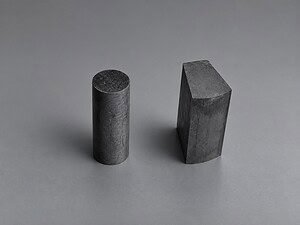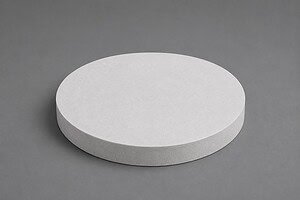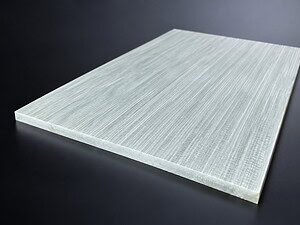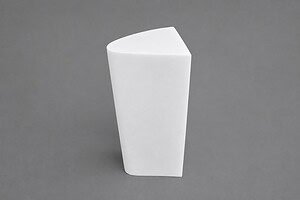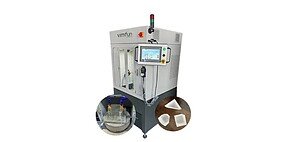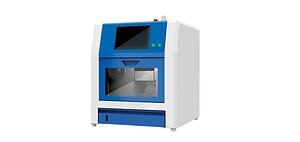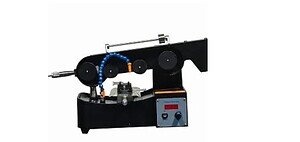
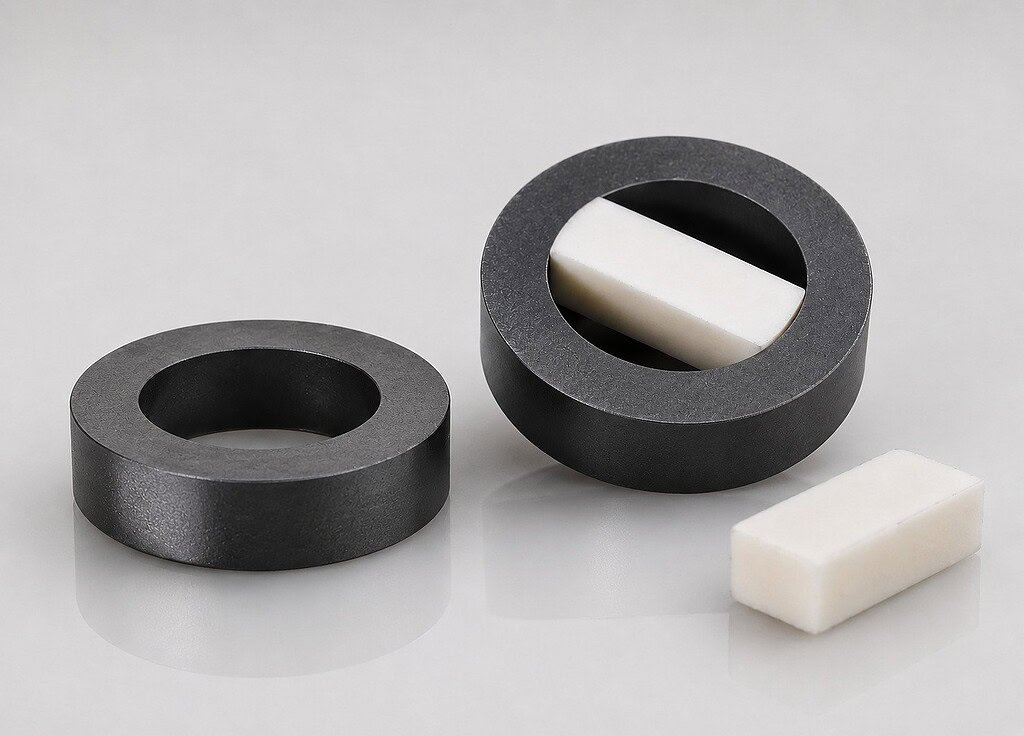
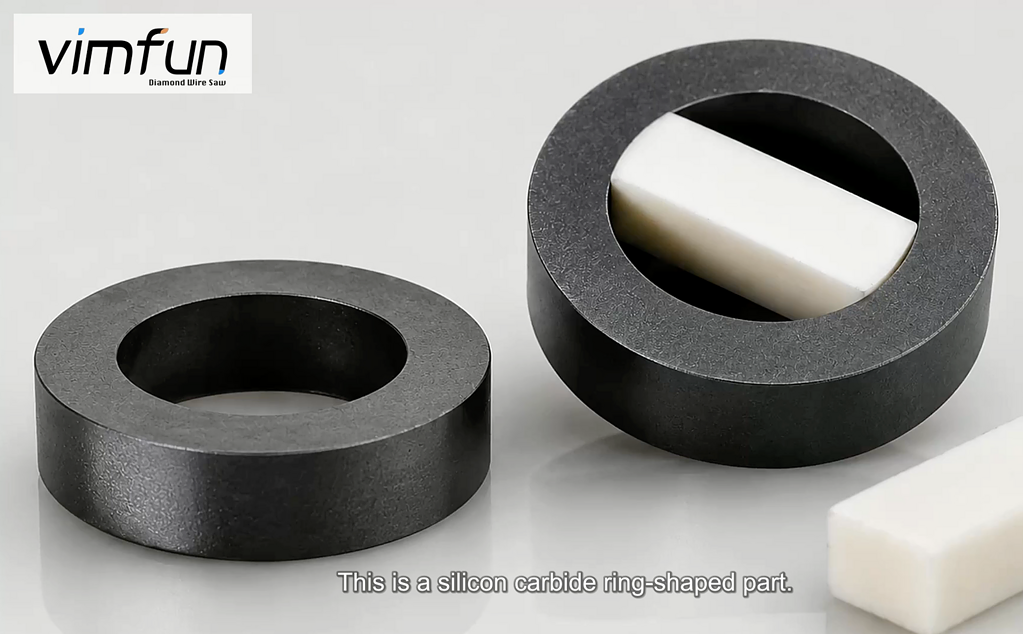
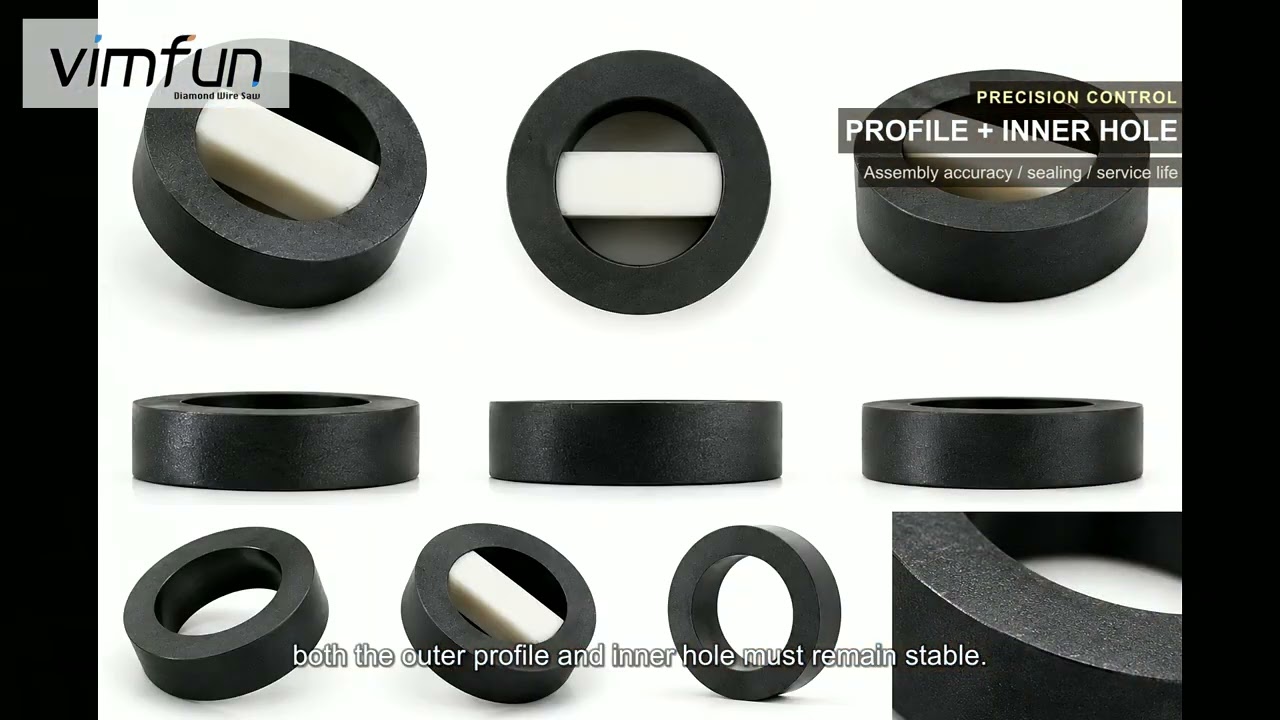
3. 炭化ケイ素製シールリングは、ポンプハウジング、自動車用ウォーターポンプ、化学プロセス機器などに使用されます。これらの用途では、リングが1つでも故障すると、シールしているアセンブリ全体が停止してしまいます。このリングは、外径60mm、内径10mm、厚さ10mmです。小さすぎて目立たないほどです。硬度が高いため、従来の研削では常に端部の欠けやマイクロクラックネットワークが生じ、顧客はスクラップするか再加工するしかありませんでした。.
4. サービスにおいて炭化ケイ素を価値あるものにしている特性 — 耐摩耗性、化学的安定性、負荷下での熱安定性 — は、完成品を損傷せずに切断するのが難しい理由と同じ特性です。砥石切断は、外周と内周の端部欠け、およびシーリング面を損なうサブサーフェスダメージ層を生じさせます。このサイズのリングでは、両方の直径が厳しい公差で保持されているため、後工程での簡単な修正はありません — 切断された表面が出荷されるものです。このケースでは、より広範な材料の文脈に関する当社の概要を参照しながら、Vimfunがダイヤモンドワイヤー技術を使用してどのように部品を切断したかを説明します。 セラミック切断 5. アプリケーション:SiCリングの調達が困難な理由.
6. このサイズの炭化ケイ素リングは、通常、メカニカルシール — ポンプシール、化学プロセスシール、自動車用ウォーターポンプシール — に使用されます。これらの用途では、化学的安定性、耐摩耗性、熱安定性の組み合わせが、金属やポリマーの代替品よりも優れた性能を発揮します。エンドユーザーは、以下の厳しい公差を持つリングを指定します。
7. — シールハウジングの適合性を設定します
- 外径 8. 内径
- 9. — シャフトクリアランスを設定します 10. 平行な面
- 11. — 相手リングとの接触面の平坦性を設定します 12. 端部の状態
- 13. — 端部の欠けは応力を集中させ、早期の故障を引き起こします 14. このカテゴリーの部品では、リング自体は高価な部品ではありません — 後工程の完成アセンブリの故障がコストになります。稼働中に故障したポンプシールは、生産ラインを停止させる可能性があります。そのため、部品自体は小さいにもかかわらず、切断公差の仕様は厳しくなっています。
15. チャレンジ:SiC + 小さなリング形状.
The Challenge: SiC + Small Ring Geometry
Two problems multiply in this case:
| 制約 | なぜそれが重要なのか |
|---|---|
| Silicon carbide hardness | Knoop ~2800 kg/mm² — among the hardest non-diamond industrial materials |
| Brittleness | Low fracture toughness; microcracks initiate easily under cutting force |
| Wear resistance | The same property that makes SiC valuable in service makes it cut tool wear severely |
| Small outer diameter (~60 mm) | Limited workpiece mass to absorb cutting forces — vibration transmits straight into the cut |
| Small inner bore (~10 mm) | Wall thickness ~25 mm — stress concentrates at the inner edge |
| Tight thickness control (~10 mm) | Both faces must remain parallel after cutting |
The combination is harder than the sum. SiC by itself is cuttable. A 60 mm ring by itself is cuttable. SiC plus a small ring geometry plus clean inner and outer edges — that combination is where most general-purpose ceramic cutting setups fail.
Why Conventional Methods Struggle
Two common approaches show predictable failure modes on this geometry:
Resin-bond abrasive cutting
Standard abrasive wheel cutting was the historical default for SiC. The problems on a small ring:
- Edge chipping at both the outer cut entry and exit, and at the inner bore
- Microcrack network propagating from the cut surface into the bulk material
- Surface damage layer typically 10–30 µm deep, requiring additional lapping to remove
- Dimensional drift as the abrasive wheel wears unevenly across the cut
Internal grinding for the bore
The 10 mm inner hole is sometimes machined separately by internal grinding rather than cut in the same operation. This introduces:
- A two-step process where outer and inner geometries are produced on different setups
- Concentricity error between outer profile and inner bore (the two operations have separate datum surfaces)
- Extra handling and re-fixturing, each step adding chipping risk
For high-end seal applications, neither path delivers the geometry consistency the customer needs at the volume they need.
アプローチ:精密ダイヤモンドワイヤー切断
Vimfun cut this SiC ring using a 細溝、低荷重のダイヤモンドワイヤープロセスで切断しました designed for hard, brittle ceramics. Three properties of diamond wire cutting matter for this part:
- Distributed cutting force along the wire contact, rather than concentrated at a small abrasive grit footprint. Lower per-unit-area force means lower microcrack initiation rate on brittle SiC.
- 狭いカーフ — typically 0.55–0.7 mm with the fine wire diameters used for small SiC rings — minimizes material loss and reduces stress at cut entry/exit points.
- Continuous wire path — the closed-loop wire used by Vimfun cutting platforms (see ダイヤモンドワイヤーソー構造 そして 電着ダイヤモンド・ワイヤー・ループ) traces the outer and inner geometries in coordinated motion, holding concentricity that two-step grinding cannot match.
For background on diamond wire cutting across ceramic materials in general, see our セラミック切断 overview page.
プロセスパラメータ
| パラメータ | 価値 |
|---|---|
| 加工ワークピース | Silicon carbide ring, ~60 mm OD × ~10 mm ID × ~10 mm thickness |
| ダイヤモンドワイヤー径 | 0.5–0.6 mm |
| ワイヤータイプ | 電着ダイヤモンド・ワイヤー・ループ |
| ワイヤーテンション | 150–200 N |
| ワイヤースピード | 30~60m/s |
| 送り速度 | 1–2 mm/min |
| 冷却水 | Water-based, recirculated with filtration |
| 機械プラットフォーム | SH-series horizontal rotary with fine feed control |
Values shown reflect VIMFUN’s process envelope for SiC seal rings of this size class, validated against alumina, zirconia, and other hard brittle ceramics. The 1–2 mm/min feed range is deliberately conservative — SiC’s brittleness rewards slower cuts with cleanly fractured edges instead of torn material. See ワイヤー速度、張力、およびフィードレート for how these parameters interact, and 冷却と潤滑 for slurry handling on hard ceramics.
The Result: Stable Geometry on Both Faces
The diamond wire approach delivered the three properties this seal application needs at the same time:
- Cleaner edges at both outer profile and inner bore — chipping reduced to within the inspection threshold, not exceeding it
- 地下の損傷を軽減 — measured damage depth comparable to fine-lapped surfaces, reducing or eliminating the downstream lapping operation
- Consistent geometry — outer diameter, inner bore, and thickness held to the customer’s tolerance without per-part rework
For seal manufacturing the meaningful outcome is downstream: lower scrap at the seal assembly stage, fewer field warranty claims, and the ability to ship parts with a tighter quality guarantee than the customer could get from conventionally cut SiC blanks.
Why Distributed Force Matters on Hard Brittle Ceramics
It comes down to how cutting force interacts with brittle fracture mechanics. Abrasive grinding concentrates load at the contact point of each abrasive grit. On a brittle material, every grit footprint is a potential microcrack initiation site. Multiply by the number of grits in contact at any moment and the cumulative damage adds up fast.
Diamond wire spreads the cutting load along the wire contact arc inside the kerf. Per-unit-area force drops. For SiC and similar hard ceramics, that drop is what separates a clean cut from a chipped one. Three additional factors finish the job:
- ワイヤー張力安定性 — uniform tension across the cut path keeps the wire from walking and creating asymmetric edge damage. See ワイヤー張力校正 for the calibration protocol.
- 制御された送り速度 — low feed on a thick SiC cross-section trades cycle time for cleanly fractured material at the cut zone, rather than torn material.
- Adequate cooling — water-based slurry at sufficient volume keeps the cut zone temperature stable, preventing thermal microcracking that would compound the mechanical damage.
This approach extends to other hard brittle materials in the same class — alumina, zirconia, silicon nitride, aluminum nitride, quartz, sapphire. The parameter envelope shifts material by material; the underlying mechanics stay the same. For related cases in this material family, see our アルミナセラミックリング切断事例研究 そして hexagonal bore quartz tube cutting case study.
産業と用途
Diamond wire cutting of small SiC rings serves manufacturers in:
- Mechanical seal production — pump seals, automotive water pumps, chemical process seals
- Semiconductor equipment — wafer carrier rings, chamber components
- High-temperature industrial systems — burner nozzles, kiln furniture, heat exchanger inserts
- Specialty wear components — 研磨ノズル、スラリーポンプライニング、バリスティックセラミックス
SiC、アルミナ、ジルコニア、窒化ケイ素、石英、サファイア、または溶融ガラスなどの硬質脆性材料で、小さなリング、ディスク、または精密形状の部品をお持ちで、従来の研削でチッピングやマイクロクラックの問題が発生し、その後の検査で不合格となる場合、同じダイヤモンドワイヤーアプローチが通常適用されます。パラメータセットは調整されますが、プロセスのロジックは変更されません。.
お客様の用途に合わせてカットできますか?
これらのいずれかがお客様の状況に当てはまる場合は、部品図をお送りください。
- 硬質脆性材料(SiC、アルミナ、ジルコニア、窒化ケイ素)のリング、ディスク、またはタイル形状
- チッピングが許容されない小形状(100 mm未満のフィーチャー)
- 厳しい内径・外径同心度要求
- シール、半導体、または特殊耐摩耗部品用途で、その後の故障コストが高い場合
- サンプルランから月数千個の部品までの生産量
材料グレード、公差付き部品形状、およびその後の品質要件を含めてください。3営業日以内に、代表的なパラメータと歩留まり予測を含むプロセス実現可能性評価を返信いたします。形状が当社の範囲内にある場合は、生産用工具をコミットする前に、通常、検証のためにサンプル قطعةをカットします。このアプローチの背後にある機器プラットフォームについては、当社のより広範な ワイヤーソー切断概要 を参照してください。.