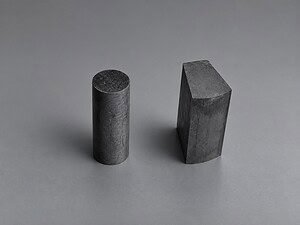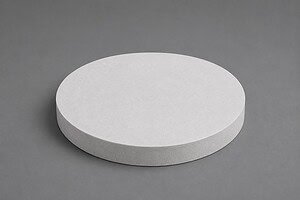
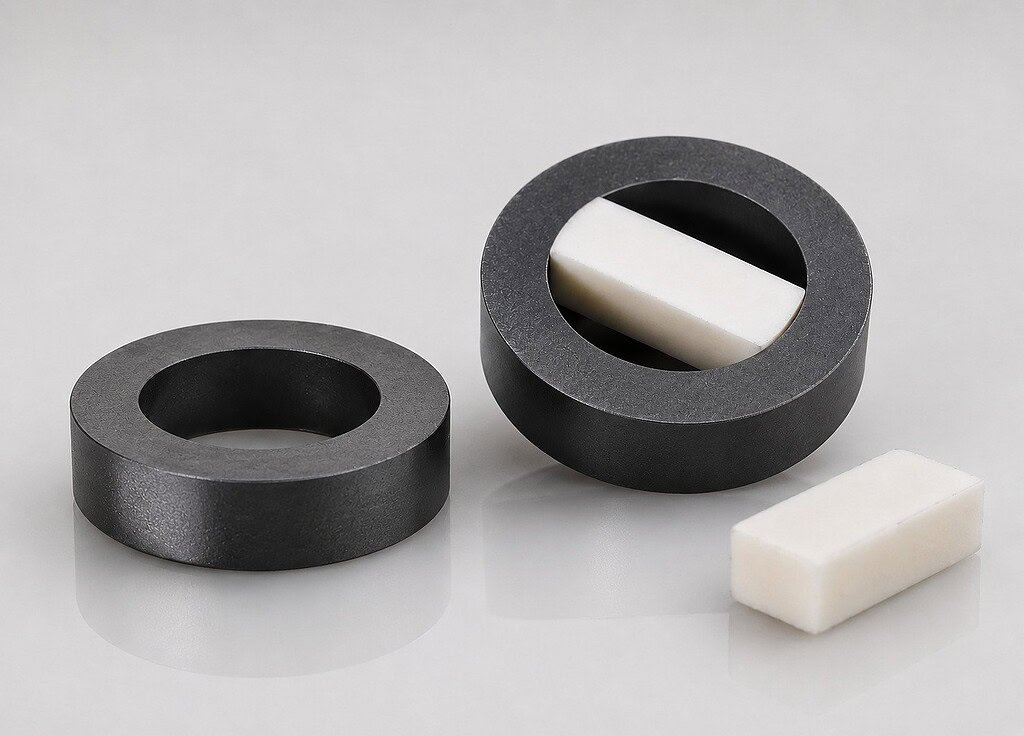
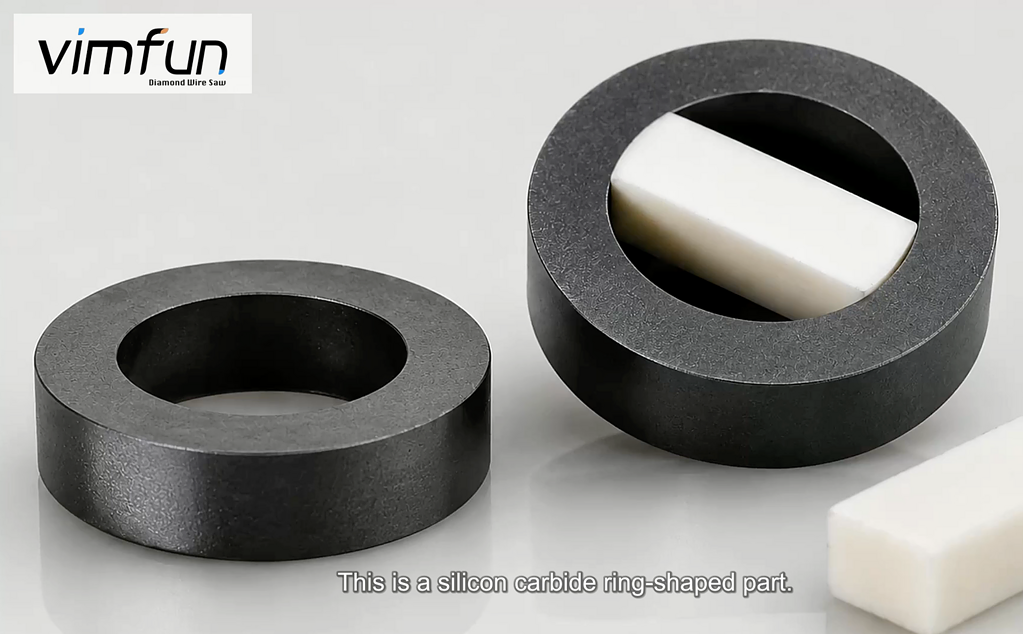
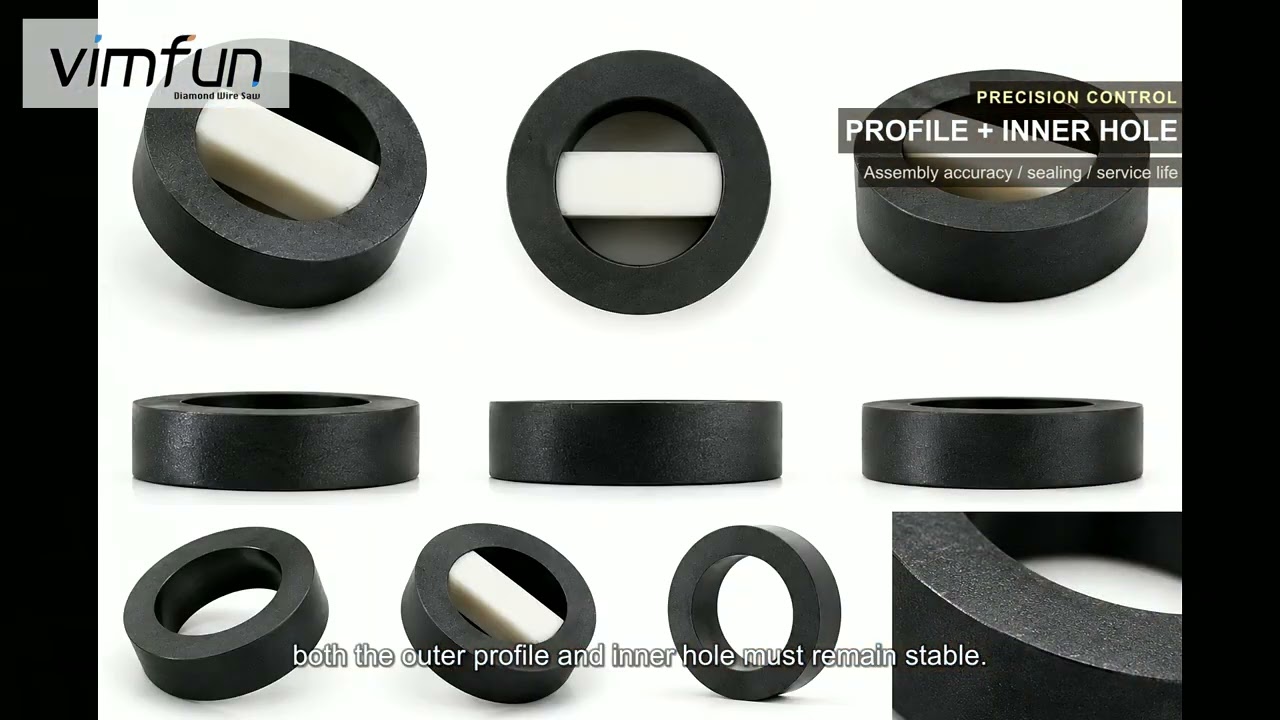
Уплотнительные кольца из карбида кремния устанавливаются внутри корпусов насосов, автомобильных водяных насосов и оборудования для химической обработки — в тех случаях, когда отказ одного кольца останавливает работу всего уплотняемого узла. Кольцо в данном случае имеет внешний диаметр 60 мм, внутренний диаметр 10 мм, толщину 10 мм. Достаточно маленькое, чтобы выглядеть неприметно. Достаточно твердое, чтобы обычная шлифовка неизменно оставляла его с зазубренными краями и сетями микротрещин, которые заказчику приходится либо выбрасывать, либо переделывать.
Свойства, которые делают карбид кремния ценным в эксплуатации — износостойкость, химическая инертность, термическая стабильность под нагрузкой — являются теми же свойствами, которые затрудняют его резку без повреждения готовой детали. Резка абразивным кругом приводит к сколам по внешнему профилю и внутреннему диаметру, а также к подповерхностному слою повреждений, который ухудшает герметизирующее уплотнение. На таком маленьком кольце, с обоими диаметрами, выдержанными с высокой точностью, нет простого решения на последующих этапах — поверхность реза отправляется заказчику. В данном случае рассматривается, как Vimfun разрезала деталь с использованием технологии алмазной проволоки, со ссылкой на наш резка керамики обзор для более широкого контекста материала.
Применение: почему кольца из карбида кремния трудно изготовить
Кольца из карбида кремния такого размера обычно используются в механических уплотнениях — уплотнениях насосов, уплотнениях для химической обработки, уплотнениях автомобильных водяных насосов — где сочетание химической инертности, износостойкости и термической стабильности превосходит металлические или полимерные аналоги. Конечный заказчик указывает кольцо с жесткими допусками на:
- Внешний диаметр — обеспечивает посадку корпуса уплотнения
- Внутренний диаметр — обеспечивает зазор вала
- Параллельные поверхности — обеспечивает плоскостность контактной поверхности относительно ответного кольца
- Состояние края — зазубренные края концентрируют напряжение и вызывают преждевременный отказ
Для этой категории деталей само кольцо не является дорогостоящей деталью — дорогостоящим является отказ готового узла на последующих этапах. Отказ уплотнения насоса в эксплуатации может остановить производственную линию. Поэтому допуск на резку установлен жесткий, даже несмотря на то, что сама деталь мала.
Задача: карбид кремния + геометрия маленького кольца
В данном случае усугубляются две проблемы:
| Ограничение | Почему это важно |
|---|---|
| Твердость карбида кремния | Кнуп ~2800 кг/мм² — один из самых твердых промышленных материалов, не являющихся алмазами |
| Хрупкость | Низкая трещиностойкость; микротрещины легко возникают под действием режущей силы |
| Износостойкость | То же свойство, которое делает SiC ценным в эксплуатации, приводит к сильному износу режущего инструмента |
| Малый наружный диаметр (~60 мм) | Ограниченная масса заготовки для поглощения режущих сил — вибрация передается непосредственно в зону резания |
| Малый внутренний диаметр (~10 мм) | Толщина стенки ~25 мм — напряжения концентрируются на внутреннем краю |
| Точный контроль толщины (~10 мм) | Обе поверхности должны оставаться параллельными после резки |
Комбинация сложнее, чем сумма. Сам по себе SiC поддается резке. Само по себе кольцо диаметром 60 мм поддается резке. SiC плюс геометрия малого кольца плюс clean inner and outer edges — that combination is where most general-purpose ceramic cutting setups fail.
Why Conventional Methods Struggle
Two common approaches show predictable failure modes on this geometry:
Resin-bond abrasive cutting
Standard abrasive wheel cutting was the historical default for SiC. The problems on a small ring:
- Edge chipping at both the outer cut entry and exit, and at the inner bore
- Microcrack network propagating from the cut surface into the bulk material
- Surface damage layer typically 10–30 µm deep, requiring additional lapping to remove
- Dimensional drift as the abrasive wheel wears unevenly across the cut
Internal grinding for the bore
The 10 mm inner hole is sometimes machined separately by internal grinding rather than cut in the same operation. This introduces:
- A two-step process where outer and inner geometries are produced on different setups
- Concentricity error between outer profile and inner bore (the two operations have separate datum surfaces)
- Дополнительная обработка и переустановка, каждый шаг увеличивает риск сколов
Для высококачественных применений уплотнений ни один из путей не обеспечивает такой же согласованности геометрии, которую ожидает клиент, в требуемом объеме.
Подход: Прецизионная алмазная резка проволокой
Vimfun разрезал это кольцо из карбида кремния с помощью узкополосного, низкосилового процесса с алмазной проволокой разработанный для твердой, хрупкой керамики. Три свойства алмазной проволочной резки важны для этой детали:
- Распределенная сила резания вдоль контакта проволоки, а не сконцентрированная на небольшой площади абразивного зерна. Более низкое усилие на единицу площади означает более низкую скорость образования микротрещин на хрупком карбиде кремния.
- Узкий пропил — обычно 0,55–0,7 мм при использовании тонкой проволоки для небольших колец из карбида кремния — минимизирует потери материала и снижает напряжение в точках входа/выхода реза.
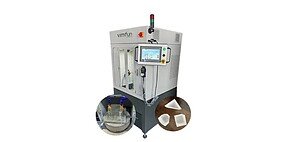
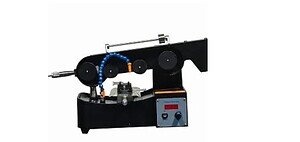
- Непрерывный путь проволоки — замкнутая проволока, используемая на режущих платформах Vimfun (см. структура алмазной проволочной пилы и Петля из алмазной проволоки с гальваническим покрытием) отслеживает внешнюю и внутреннюю геометрию в скоординированном движении, сохраняя концентричность, которую двухэтапное шлифование не может обеспечить.
Для получения информации об алмазной проволочной резке керамических материалов в целом см. наш резка керамики обзорная страница.
Параметры процесса
| Параметр | Значение |
|---|---|
| Заготовка | Кольцо из карбида кремния, наружный диаметр ~60 мм × внутренний диаметр ~10 мм × толщина ~10 мм |
| Диаметр алмазной проволоки | 0,5–0,6 мм |
| Тип провода | Петля из алмазной проволоки с гальваническим покрытием |
| Натяжение проволоки | 150–200 Н |
| Скорость движения проволоки | 30–60 м/с |
| Скорость подачи | 1–2 мм/мин |
| Охлаждающая жидкость | Водная, рециркулируемая с фильтрацией |
| Машинная платформа | SH-series horizontal rotary with fine feed control |
Values shown reflect VIMFUN’s process envelope for SiC seal rings of this size class, validated against alumina, zirconia, and other hard brittle ceramics. The 1–2 mm/min feed range is deliberately conservative — SiC’s brittleness rewards slower cuts with cleanly fractured edges instead of torn material. See скорость проволоки, натяжение и скорость подачи for how these parameters interact, and охлаждение и смазка for slurry handling on hard ceramics.
The Result: Stable Geometry on Both Faces
The diamond wire approach delivered the three properties this seal application needs at the same time:
- Cleaner edges at both outer profile and inner bore — chipping reduced to within the inspection threshold, not exceeding it
- Повреждения нижних слоев подповерхностного слоя — measured damage depth comparable to fine-lapped surfaces, reducing or eliminating the downstream lapping operation
- Consistent geometry — outer diameter, inner bore, and thickness held to the customer’s tolerance without per-part rework
For seal manufacturing the meaningful outcome is downstream: lower scrap at the seal assembly stage, fewer field warranty claims, and the ability to ship parts with a tighter quality guarantee than the customer could get from conventionally cut SiC blanks.
Why Distributed Force Matters on Hard Brittle Ceramics
It comes down to how cutting force interacts with brittle fracture mechanics. Abrasive grinding concentrates load at the contact point of each abrasive grit. On a brittle material, every grit footprint is a potential microcrack initiation site. Multiply by the number of grits in contact at any moment and the cumulative damage adds up fast.
Алмазная проволока распределяет нагрузку резания по дуге контакта проволоки внутри пропила. Сила на единицу площади снижается. Для SiC и подобных твердых керамик именно это снижение отличает чистый рез от сколотого. Три дополнительных фактора завершают работу:
- Стабильность натяжения проволоки — равномерное натяжение по всей траектории реза предотвращает смещение проволоки и образование асимметричных повреждений края. См. калибровка натяжения проволоки для протокола калибровки.
- Контролируемая скорость подачи — низкая скорость подачи на толстом поперечном сечении SiC обменивает время цикла на чисто расколотый материал в зоне реза, а не порванный материал.
- Адекватное охлаждение — водная суспензия в достаточном объеме поддерживает стабильную температуру в зоне реза, предотвращая термическое микрорастрескивание, которое усугубило бы механические повреждения.
Этот подход распространяется на другие твердые хрупкие материалы того же класса — оксид алюминия, диоксид циркония, нитрид кремния, нитрид алюминия, кварц, сапфир. Параметры меняются от материала к материалу; лежащая в основе механика остается прежней. Для связанных случаев в этом семействе материалов см. наш пример исследования резки керамического кольца из оксида алюминия и пример исследования резки кварцевой трубки с шестигранным отверстием.
Отрасли и области применения
Резка алмазной проволокой небольших колец из SiC обслуживает производителей в:
- Производство механических уплотнений — уплотнения насосов, автомобильных водяных насосов, уплотнения для химических процессов
- Оборудование для полупроводниковой промышленности — кольца для держателей пластин, компоненты камер
- Высокотемпературные промышленные системы — сопла горелок, мебельная фурнитура для печей, вставки теплообменников
- Специальные износостойкие компоненты — abrasive nozzles, slurry pump linings, ballistic ceramics
If you have a small ring, disc, or precision-shaped part in any hard brittle material — SiC, alumina, zirconia, silicon nitride, quartz, sapphire, or fused glass — and conventional grinding is leaving chipping or microcrack issues that fail downstream inspection, the same diamond wire approach typically applies. The parameter set adjusts; the process logic does not.
Can We Cut This for Your Application?
If any of these match your situation, send us your part drawing:
- Hard brittle materials (SiC, alumina, zirconia, silicon nitride) in ring, disc, or tile form
- Small geometry (sub-100 mm features) where chipping is unacceptable
- Tight inner-to-outer concentricity requirement
- Seal, semiconductor, or specialty wear-component end use where downstream failure cost is high
- Production volume from sample runs through several thousand parts per month
Include material grade, part geometry with tolerances, and downstream quality requirements. We will return a process feasibility assessment within 3 business days, including representative parameters and yield projections. Where the geometry is within our envelope, we typically cut a sample piece for verification before committing to production tooling. See our broader обзор резки проволокой for the equipment platform behind this approach.