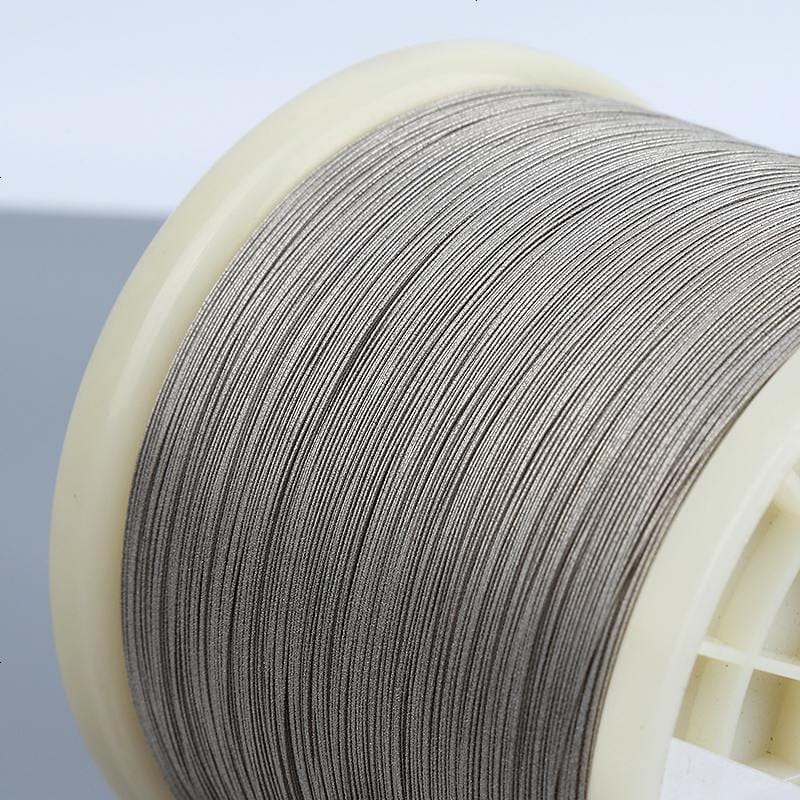
Wie man die Vorteile von Diamantdrahtausrüstungen bewertet
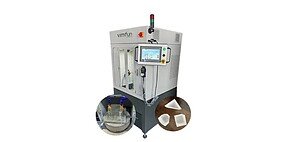
Die Diamantdrahttechnologie entfernt Material durch Diamantschleifmittel, das von einem beweglichen Draht getragen wird. Dieser Leitfaden bewertet die Vorteile und Grenzen von präzisen industriellen Schneidsystemen, einschließlich Endlosschleifmaschinen. Er behandelt keine Bau-Drahtsägen, Wafer-Schneidsysteme und Präzisionswerkstattmaschinen als austauschbar. Für verfügbare Ausrüstungen siehe die Seite für industrielle Diamantdrahtsägen.
1. Präzision und Genauigkeit
Die Genauigkeit hängt von der Maschinensteifigkeit, der Führungsjustierung, der Drahtablenkung, der Spannvorrichtungsunterstützung und dem Werkstück ab. Geben Sie vor dem Testen die Maßtoleranz, Kantenabplatzungen und Oberflächenanforderungen an. Allein die Positionierungsgenauigkeit stellt nicht die Genauigkeit des fertigen Teils fest; Schleifen oder Polieren kann nach dem Trennen noch erforderlich sein.
2. Geringerer Materialabfall
Eine schmale Schnittfuge kann Materialverluste reduzieren, wenn der beschichtete Draht und der Schnittweg für die Anwendung geeignet sind. Die tatsächliche Schnittfuge spiegelt auch die Drahtbewegung, den Verschleiß und die Prozessstabilität wider. Vergleichen Sie das für die Endbearbeitung verbleibende Material und die akzeptierte Ausbeute, anstatt anzunehmen, dass jede Diamantdrahtkonfiguration weniger Material verschwendet als jede Alternative.
3. Vielseitigkeit der Materialien
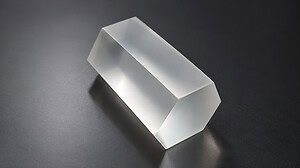
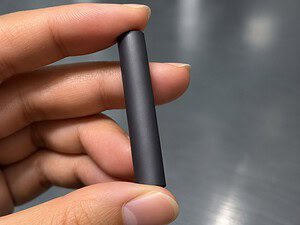
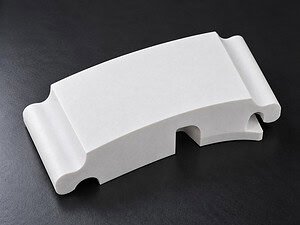
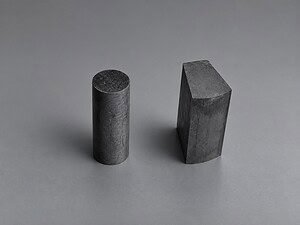
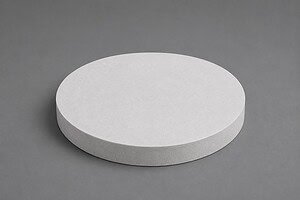
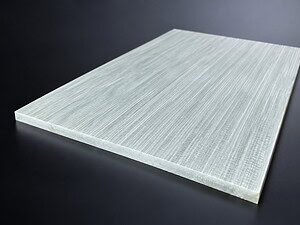
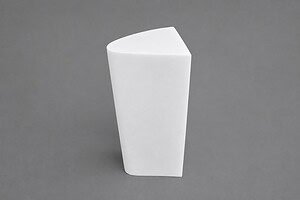
Ausgewählte Glas-, Quarz-, Silizium-, Graphit- und Keramikwerkstücke sind Kandidaten für das Schleifdrahtschneiden. Materialgüte, Abmessungen, Zähigkeit, Kontaminationsgrenzen und Drahtkompatibilität bestimmen die Eignung. Flexible Schaumstoffe, Gummi, Metalle und Baumaterialien erfordern eine separate Prozessevaluierung; eine Maschine und ein Draht sollten nicht für all diese als geeignet angenommen werden.
Schmutz- und Umweltkontrollen
Das Schneiden mit Diamantdraht ist ein Schleifprozess. Es kann Materialschmutz, abgenutztes Schleifmittel und Reibungswärme erzeugen. Bewerten Sie die Staubabsaugung oder Flüssigkeitsverwaltung, Reinigung, Drahtverbrauch und Energie pro akzeptiertem Teil. Ein Umweltvorteil erfordert einen gemessenen Vergleich des vollständigen Prozesses, nicht die Behauptung, dass Schleifpartikel fehlen.
Maschinensicherheit und Handhabung
Automatisierung kann einige manuelle Handhabungen reduzieren, aber sie stellt allein keine sichere Bedienung dar. Überprüfen Sie die Schutzvorrichtungen, Verriegelungen, Drahtbruchschutz und Bedienungsanleitungen des Maschinenherstellers. Das Laden, Spannen, die Wartung und die Handhabung von Schmutz des Werkstücks müssen für die tatsächliche Installation bewertet werden.
Gesamtkosten und akzeptierte Ausbeute
Vergleichen Sie die Gesamtkosten pro akzeptiertem Teil: Einrichtungs- und Maschinenzeit, Drahtverbrauch, Spannvorrichtungen, Reinigung, Inspektion, Endbearbeitung und Ausschuss. Ein schnellerer Trennschnitt senkt möglicherweise nicht die Kosten, wenn er den Endbearbeitungsaufwand oder Bruch erhöht. Verwenden Sie repräsentative Versuche mit denselben Akzeptanzanforderungen, um die Amortisation zu bewerten.
Checkliste zur Auswahl der Ausrüstung
| Auswahlfaktor | Bereitzustellende Informationen | Was zu überprüfen ist |
|---|---|---|
| Material | Güte, Zustand und Flüssigkeitsbeschränkungen | Schleifmittelkompatibilität, Schmutz- und Kontaminationskontrollen |
| Werkstückgröße | Abmessungen, Gewicht und Lademethode | Nutzbarer Verfahrweg und Kapazität einschließlich der Spannvorrichtung |
| Schnittweg | Gerader Schnitt, Profil, interne Kontur und Ein-/Austritt | Drahtzugang, minimale Merkmale und Maschinenbewegung |
| Qualität | Toleranz, Oberfläche, Kante und Endbearbeitungszugabe | Gemessene Stichprobenergebnisse durch den vollständigen Abschnitt |
| Spannvorrichtung | Spannflächen und empfindliche Merkmale | Unterstützung während des Schneidens und der endgültigen Trennung |
| Produktionskosten | Menge, Zyklusziel und Endbearbeitungsroute | Zeit, Verbrauchsmaterialien und Kosten pro akzeptiertem Teil |
Das gespeicherte Video zum Graphitschneiden ist ein Anwendungsbeispiel, kein Beweis für die Leistung bei jedem Material. Zeichnen Sie die tatsächliche Drahtspezifikation, Einrichtung, Schnittfuge, Schnittqualität und Zykluszeit während Ihres eigenen Versuchs auf; dieser Artikel schreibt keinen unbestätigten Parametersatz vor.
Häufige Auswahlfragen
Kann ein Draht jedes Material schneiden?
Nein. Die Drahtbeschichtung, der Durchmesser, die Materialkompatibilität und die Schmutzentfernung müssen für die Anwendung geeignet sein.
Garantiert ein schmalerer Draht eine bessere Genauigkeit?
Nein. Ein kleinerer beschichteter Durchmesser kann helfen, die Schnittfuge zu reduzieren, aber Stabilität, Vorschub, Unterstützung und Drahtablenkung beeinflussen ebenfalls das Ergebnis.
Was sollte ein Versuch demonstrieren?
Dass repräsentative Teile die Zeichnungs- und Oberflächenanforderungen zu einer akzeptablen Gesamtzykluszeit und Kosten erfüllen, einschließlich jeglicher Endbearbeitung.
Abschluss
Der Wert eines Diamantdrahtschneidsystems hängt vom Material, der Geometrie und den Produktionsanforderungen ab. Passen Sie die Maschine und das Verbrauchsmaterial an die Zeichnung an, verifizieren Sie das Ergebnis durch Musterschnitte und verwenden Sie die Kosten des akzeptierten Teils, um Optionen zu vergleichen. Der Leitfaden zur Auswahl von Drahtsägen bietet den nächsten Schritt zur Auswahl der Ausrüstung.