
Endless-Drahtsäge-Leitfaden
Endlos-Drahtsäge-Maschinen-Anleitung
Erfahren Sie, wie eine Endless-Drahtsäge funktioniert, vergleichen Sie SG-, SH-, SV- und Profilschneidkonfigurationen und wählen Sie nach Material, Werkstückauflage und Schnittpfad.
Schneidprinzip
Wie eine Endless-Drahtsäge funktioniert
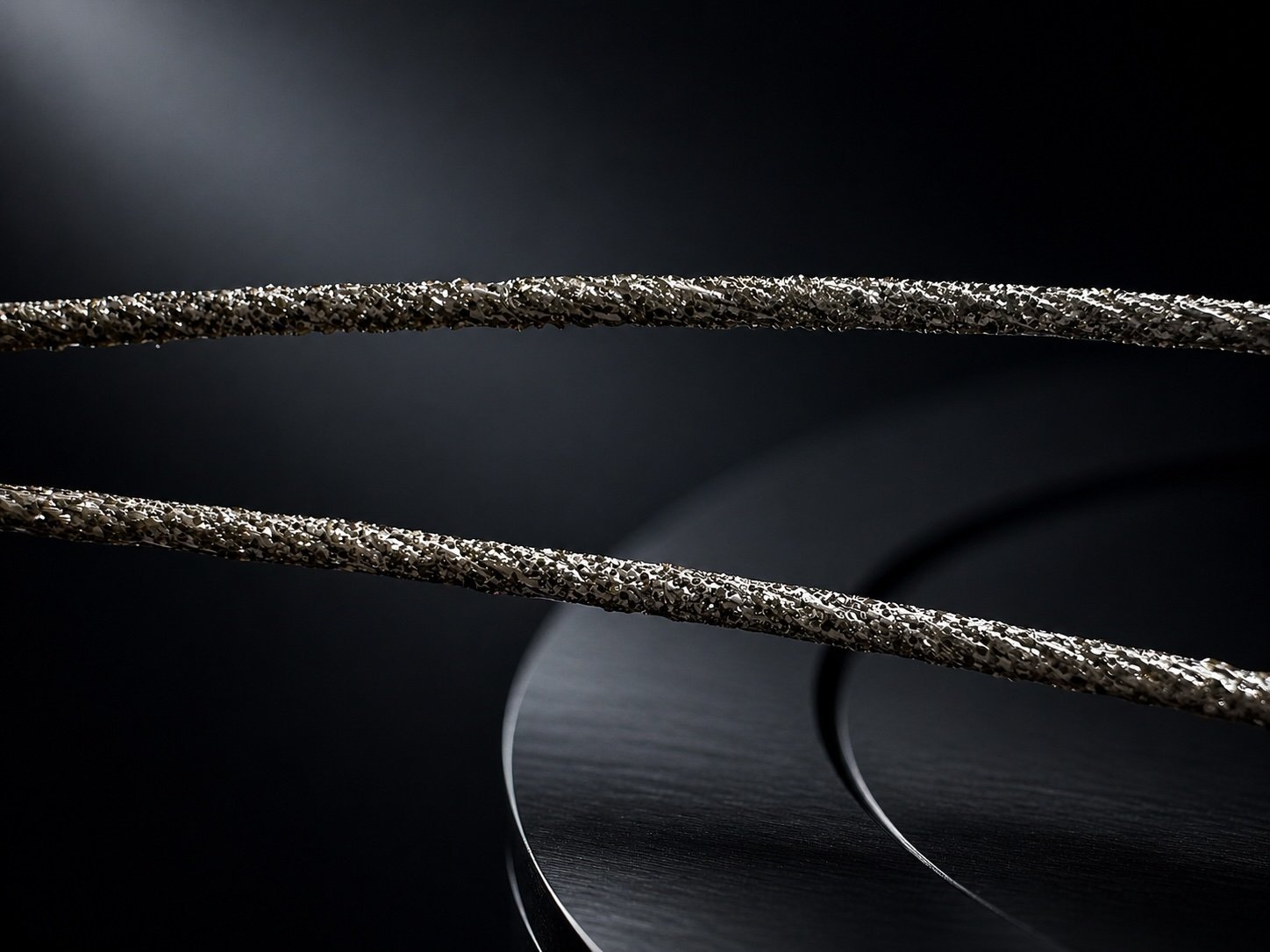
Eine Endless-Drahtsäge verwendet einen geschlossenen Kreislauf aus Diamantdraht, der sich kontinuierlich in eine Richtung bewegt.
Im Gegensatz zu Spulendrahtsystemen, die wiederholt die Richtung wechseln, durchläuft die Schleife die Schnittzone mit stabiler Bewegung, während die Maschine die Drahtspannung, die Führungsjustierung und den Werkstückvorschub steuert.
Diese Konfiguration wird verwendet, wenn ein Hersteller ein schmales Schneidwerkzeug, kontrollierte Kräfte und eine saubere Oberfläche auf harten oder spröden Materialien benötigt. Das Endergebnis hängt immer noch von der Drahtbeschichtung, der Materialgüte, der Werkstückauflage und den ausgewählten Prozesseinstellungen ab; es sollte nicht allein anhand der Maschinengeschwindigkeit beurteilt werden.
Diese Seite erklärt die Endless-Loop-Konfiguration und wie man ein geeignetes Format auswählt. Für die breitere Ausrüstung und Steuerungssysteme nutzen Sie bitte unsere Drahtsägen-Maschinen-Leitfaden. Um verfügbare Ausrüstung zu überprüfen, besuchen Sie die Diamantdrahtsägen Produktkollektion.
Maschinenauswahl
Wählen Sie die richtige Maschinenkonfiguration
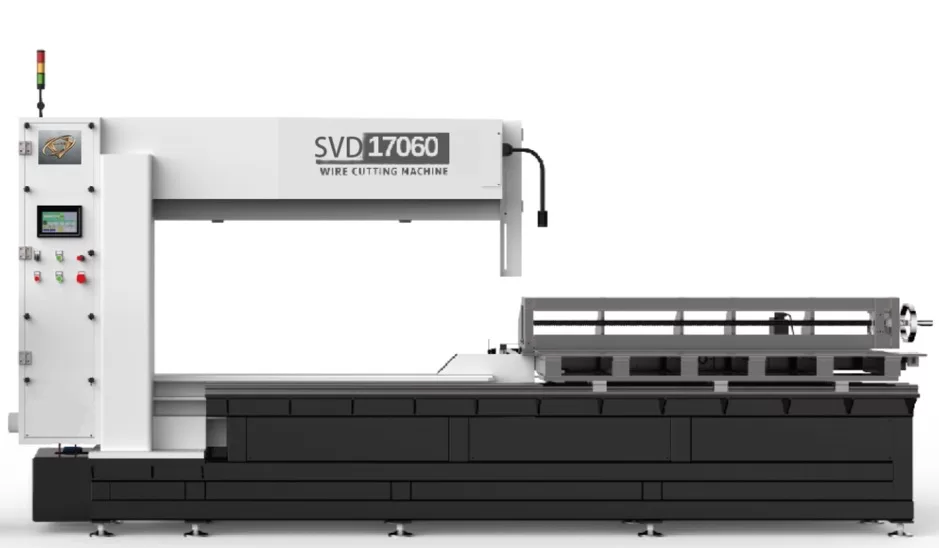
Beginnen Sie mit dem Werkstück, nicht mit einem Modellnamen. Größe, Gewicht, Ausrichtung, Spannvorrichtung und der erforderliche Schnittpfad bestimmen, welche Maschinenarchitektur praktikabel ist.
| Konfiguration | Beste Passform | Auswahlhinweis | Relevante Seite |
|---|---|---|---|
| SG-Kompaktformat | Kleinere Präzisionsteile, Labore und flexibles Probenschneiden | Bestätigen Sie die Schnittgrenze, den Zugang zur Spannvorrichtung und die erforderliche Kapazität für gerade Schnitte. | Glas- und Präzisionsdrahtsägen |
| SH-Horizontalformat | Blöcke, Stäbe und Werkstücke, die leichter horizontal aufliegen | Überprüfen Sie das Teilegewicht, die Auflagefläche, die Vorschubrichtung und die Späne- oder Staubabsaugung. | Graphit-Drahtsägeoptionen |
| SV-Vertikalformat | Größere oder höhere Werkstücke, die einen vertikalen Maschinenzugang erfordern | Bestätigen Sie die nutzbare Höhe, die Teilehandhabung, den Abstand der Führungen und die Steifigkeit der Spannvorrichtung. | Maschinenauswahlhilfe |
| Profilschneidformat | 2D-Konturen und programmierte Pfade anstelle von reinem geradem Schneiden | Definieren Sie die Zeichnung, den minimalen Radius, die Dicke und die akzeptable Pfadabweichung. | Profilschneid-Drahtsäge |
Konfigurationsleitfaden.
Nur Konfigurationsleitfaden. Die endgültige Modellauswahl erfordert das tatsächliche Material, die Abmessungen und den Zielschnitt.
Anwendungsanpassung
| Materialien und Anwendungsanpassung | Materialgruppe | Warum Endless Wire in Betracht gezogen wird |
|---|---|---|
| Prozessfrage zur Bestätigung | Glas, Quarz und optische Kristalle. | Geringe Schnittkraft und ein schmales Werkzeug können wertvolle Teile schützen und Kantenschäden begrenzen. |
| Erforderliche Oberflächengüte, Kantenzustand, Kühlmittelverträglichkeit und optische Ausrichtung. | Keramiken, Saphir und Siliziumkarbid. | Diamantdraht bietet eine abrasive Schneide für harte, spröde Strukturen. |
| Silizium- und Halbleitermaterialien | Gesteuerte Zuführung und dünne Drahtunterstützung für präzises Zuschneiden und Probenvorbereitung. | Kristallabmessungen, Schnittspaltbreite, Kontaminationsgrenzen und nachgeschaltete Bearbeitung. |
| Graphit- und Kohlenstoffverbundwerkstoffe | Kontinuierliches Schneiden kann große Teile unterstützen und gleichzeitig den starken Klingenkontakt herkömmlicher Sägen reduzieren. | Trocken- oder Nassverfahren, Staubabsaugung, Dichte, Teileunterstützung und angestrebter Durchsatz. |
| Ferrit- und magnetische Materialien | Eine stabile Drahtbewegung kann helfen, spröde Kanten und komplexes Materialverhalten zu beherrschen. | Magnetgüte, Abmessungen, Befestigungsmethode und Anforderungen an die Kantenqualität. |
Prozesskontrolle
Was steuert Schnittspalt, Genauigkeit und Oberflächenqualität?
Für prozessbezogene Zusammenhänge siehe Drahtgeschwindigkeit, Spannung und Vorschubgeschwindigkeit. Für die Planung von Nassschnitten siehe Kühlung und Schmierung beim Drahtsägen.
Reale Ausrüstung und Schnitte
Maschinen- und Anwendungsbeispiele
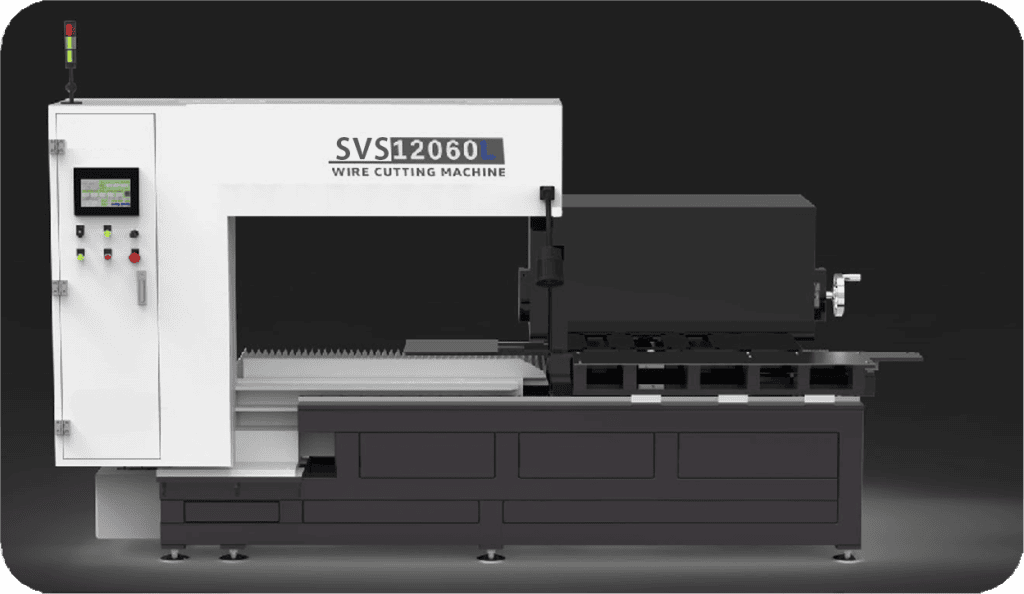
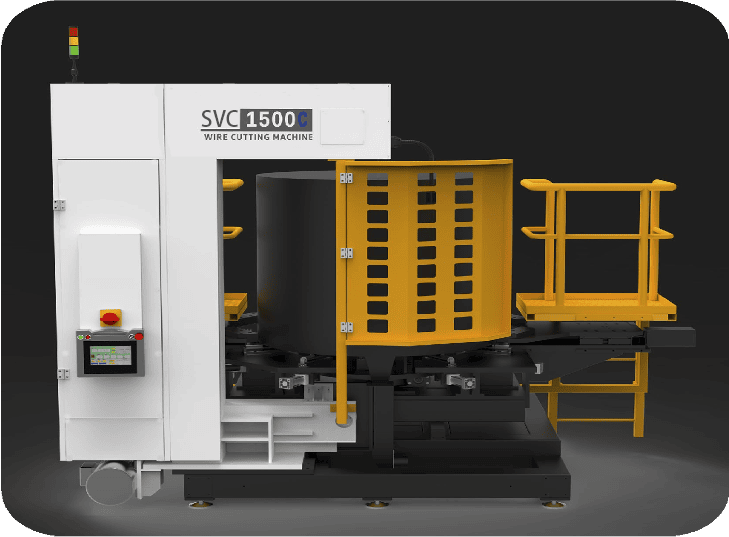
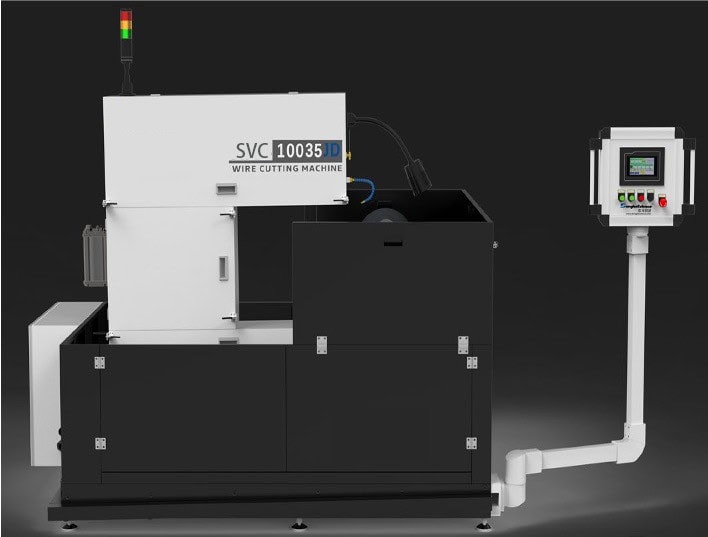
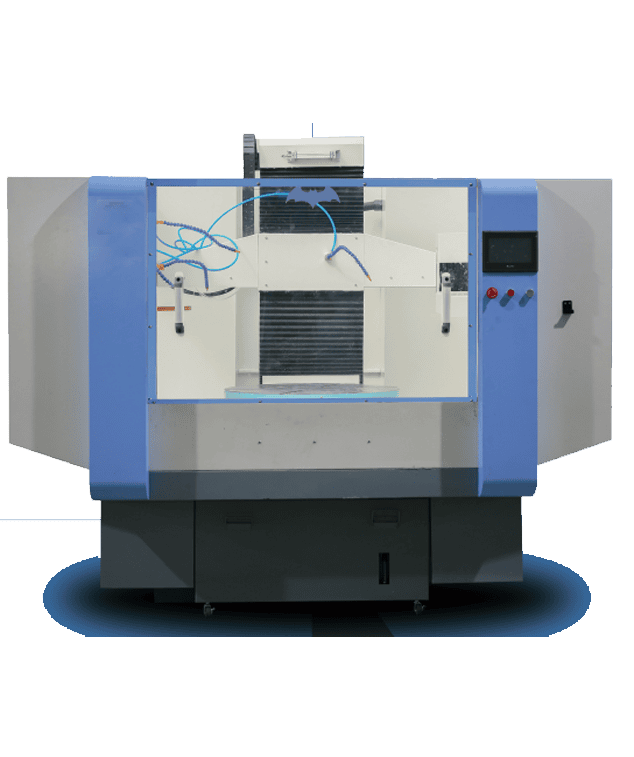
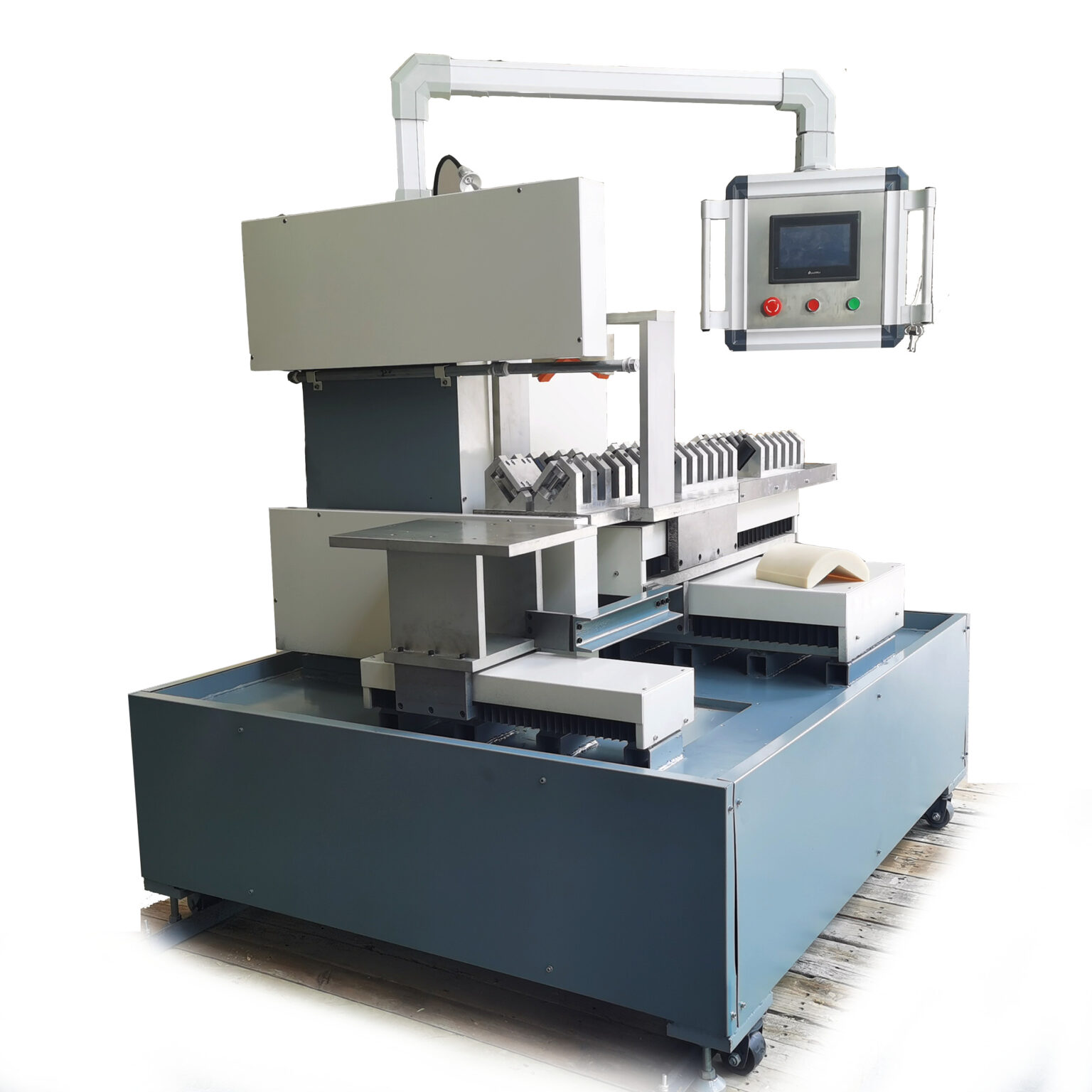
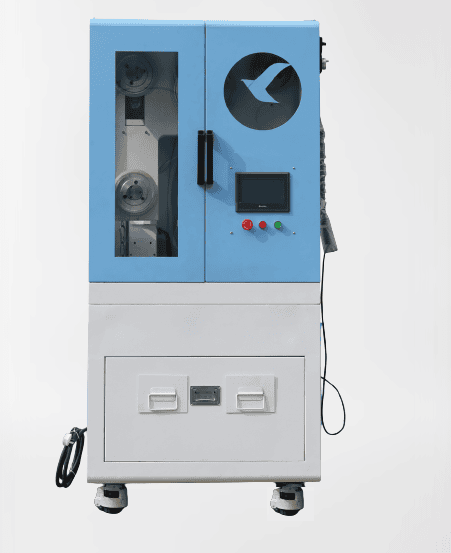
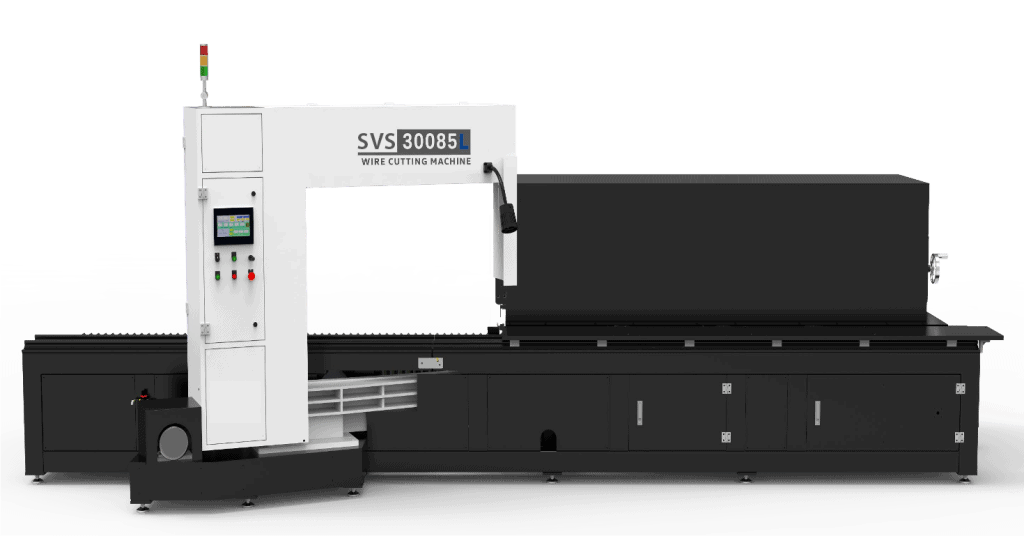
Die folgenden Bilder zeigen verschiedene Maschinengrößen, Ausrichtungen und Anwendungskontexte. Sie veranschaulichen die Bandbreite möglicher Konfigurationen; sie ersetzen nicht die Überprüfung des nutzbaren Schnittbereichs und der Spannvorrichtung.

Vor Angebotserstellung
Checkliste vor Angebotserstellung
Die Bereitstellung dieser Details ermöglicht es dem Ingenieurteam, eine Maschinenkonfiguration zu empfehlen, ohne auf nicht unterstützte Parameter raten zu müssen.
Auswahlfragen
Häufig gestellte Fragen zu Endless Wire Saw Maschinen
Wie funktioniert eine Endlosdrahtsäge?
Es treibt einen geschlossenen Diamantdrahtschleifring kontinuierlich in einer Richtung an. Der Draht, das Spannsystem, die Führungen und die gesteuerte Zuführung arbeiten zusammen, um Material entlang eines geraden oder programmierten Schnittwegs zu entfernen.
Welche Materialien eignen sich für das Endlosdrahtsägen?
Häufige Anwendungsbereiche umfassen Glas, Quarz, Keramik, Saphir, Silizium, Siliziumkarbid, Graphit, Kohlenstoff-Kohlenstoff-Verbundwerkstoffe und Ferrit. Die endgültige Eignung hängt vom Materialgrad, den Abmessungen, der Stützmethode und der erforderlichen Schnittfläche ab.
Wie wähle ich zwischen den Konfigurationen SG, SH und SV?
Wählen Sie nach Werkstückgröße, Gewicht, Ausrichtung, Auflageart und Schnittpfad. SG ist ein kompaktes Allzweckformat, SH unterstützt das horizontale Schneiden von Blöcken und Stäben, und SV unterstützt das vertikale Schneiden von höheren oder größeren Werkstücken. Bestätigen Sie die genaue Schnittkapazität, bevor Sie ein Modell auswählen.
Was steuert die Schnittfugenbreite und Schnittgenauigkeit?
Die Hauptfaktoren sind Drahtdurchmesser und -beschichtung, Spannungsstabilität, Führungsjustierung, Drahtgeschwindigkeit, Vorschubgeschwindigkeit, Werkstückspannung, Kühlung oder Staubkontrolle und Materialgleichmäßigkeit. Die Genauigkeit sollte mit dem tatsächlichen Material und der Zielgröße bestätigt werden.
Sollte ich vor der Auswahl einer Maschine einen Probeschnitt anfordern?
Ja, insbesondere für teure, spröde oder unbekannte Materialien. Ein Probeschnitt hilft, Drahttyp, Oberflächenqualität, Kantenbeschaffenheit, Schnittzeit und die am besten geeignete Maschinenkonfiguration vor der Angebotserstellung zu bestätigen.
Ingenieurberatung
Maschinen-Auswahlprüfung anfordern
Senden Sie Ihr Material, Werkstückabmessungen, Schnittpfad und Qualitätsziel. Vimfun-Ingenieure können eine geeignete Konfiguration empfehlen und beraten, ob ein Probeschnitt erforderlich ist.