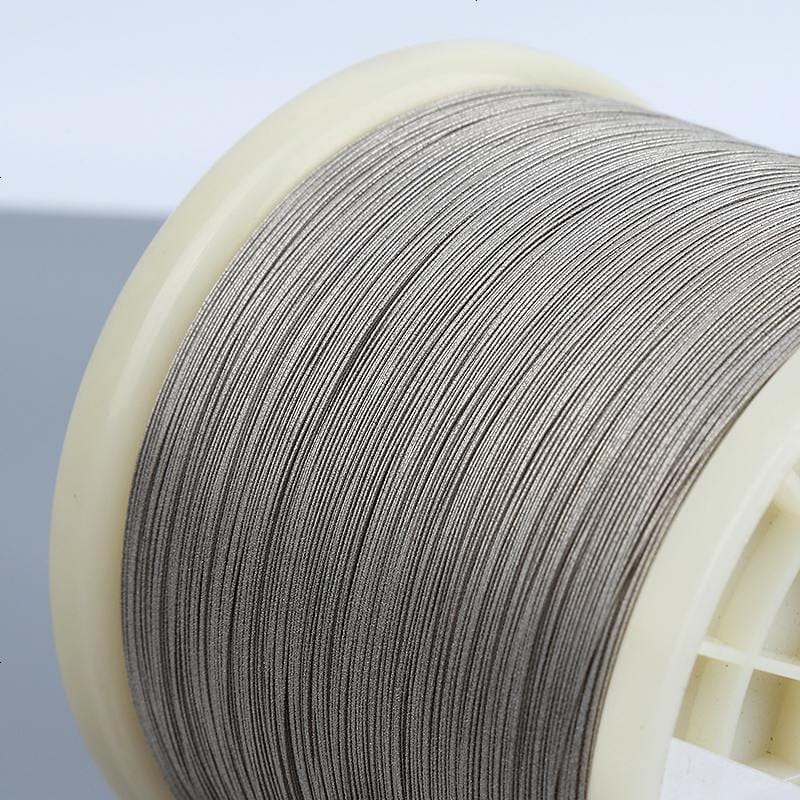
Как оценить преимущества оборудования для алмазно-проволочной резки
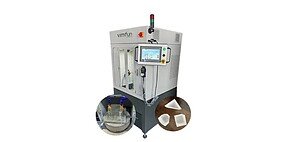
Технология алмазной проволоки удаляет материал с помощью алмазного абразива, переносимого движущейся проволокой. Данное руководство оценивает преимущества и ограничения прецизионных промышленных систем резки, включая машины с замкнутым контуром. Оно не рассматривает строительные проволочные пилы, системы резки пластин и прецизионные станки для мастерских как взаимозаменяемые. Доступное оборудование см. в промышленные пилы для алмазной проволоки.
1. Точность и аккуратность
Точность зависит от жесткости станка, выравнивания направляющих, отклонения проволоки, поддержки приспособления и заготовки. Перед испытаниями укажите допустимые размеры, сколы кромок и требования к поверхности. Только точность позиционирования не определяет точность готовой детали; после разделения может потребоваться шлифовка или полировка.
2. Сокращение отходов материалов
Узкий пропил может уменьшить потери материала, если покрытие проволоки и траектория резки соответствуют применению. Фактический пропил также отражает движение проволоки, износ и стабильность процесса. Сравнивайте материал, оставшийся для финишной обработки, и допустимый выход, а не предполагайте, что каждая установка с алмазной проволокой расходует меньше материала, чем любая альтернатива.
3. Универсальность материалов
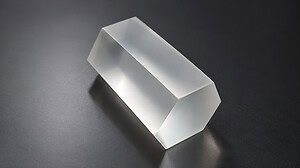
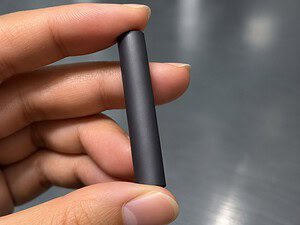
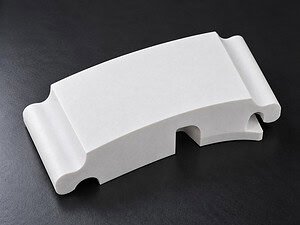
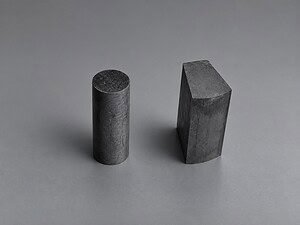
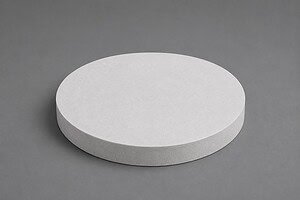
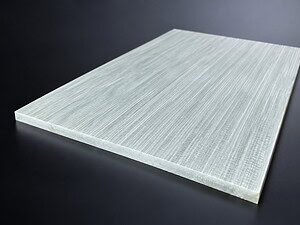
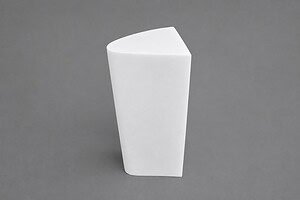
Отобранные заготовки из стекла, кварца, кремния, графита и керамики являются кандидатами для абразивной проволочной резки. Марка материала, размеры, твердость, пределы загрязнения и совместимость с проволокой определяют пригодность. Гибкая пена, резина, металлы и строительные материалы требуют отдельной оценки процесса; не следует предполагать, что одна машина и проволока подходят для всех них.
Контроль мусора и окружающей среды
Резка алмазной проволокой — это абразивный процесс. Он может генерировать частицы материала, изношенный абразив и тепло трения. Оцените сбор пыли или управление жидкостью, очистку, расход проволоки и энергию на одну принятую деталь. Преимущество для окружающей среды требует измеренного сравнения полного процесса, а не утверждения об отсутствии абразивных частиц.
Безопасность и обращение с машиной
Автоматизация может сократить ручную обработку, но сама по себе не обеспечивает безопасную работу. Ознакомьтесь с защитными кожухами, блокировками, защитой от обрыва проволоки и инструкциями по эксплуатации от производителя станка. Загрузка заготовки, зажим, техническое обслуживание и обращение с мусором должны оцениваться для конкретной установки.
Общая стоимость и принятый выход
Сравните общую стоимость на одну принятую деталь: время на наладку и работу станка, расход проволоки, приспособления, очистку, проверку, финишную обработку и брак. Более быстрая резка может не снизить стоимость, если она увеличивает объем финишной обработки или поломку. Используйте репрезентативные испытания с теми же требованиями к приемке для оценки окупаемости.
Чек-лист выбора оборудования
| Фактор выбора | Информация для предоставления | Что проверить |
|---|---|---|
| Материал | Марка, состояние и ограничения по жидкости | Совместимость абразива, контроль мусора и загрязнений |
| Размер заготовки | Размеры, вес и метод загрузки | Используемое перемещение и емкость, включая приспособление |
| Траектория резки | Прямой рез, профиль, внутренний контур и вход/выход | Доступ к проволоке, минимальные элементы и движение станка |
| Качество | Допуск, поверхность, кромка и припуск на финишную обработку | Измеренные результаты образцов по всему сечению |
| Приспособление | Зажимные поверхности и хрупкие элементы | Поддержка во время резки и окончательного разделения |
| Стоимость производства | Количество, целевой цикл и маршрут финишной обработки | Время, расходные материалы и стоимость на одну принятую деталь |
Сохраненное видео резки графита является примером применения, а не свидетельством производительности на каждом материале. Запишите фактическую спецификацию проволоки, настройки, пропил, качество резки и время цикла во время вашего собственного испытания; данная статья не предписывает непроверенный набор параметров.
Распространенные вопросы при выборе
Может ли одна проволока резать все материалы?
Нет. Покрытие проволоки, диаметр, совместимость с материалом и удаление мусора должны соответствовать применению.
Гарантирует ли более узкая проволока лучшую точность?
Нет. Меньший диаметр покрытия может помочь уменьшить пропил, но стабильность, подача, поддержка и отклонение проволоки также влияют на результат.
Что должно продемонстрировать испытание?
Что репрезентативные детали соответствуют чертежу и требованиям к поверхности при приемлемом общем цикле и стоимости, включая любую финишную обработку.
Заключение
Ценность системы резки алмазной проволокой зависит от материала, геометрии и производственного требования. Сопоставьте станок и расходный материал с чертежом, проверьте результат путем резки образцов и используйте стоимость принятой детали для сравнения вариантов. руководство по выбору станка для проволочной пилы предоставляет следующий шаг по выбору оборудования.