Inhaltsverzeichnis
Einführung
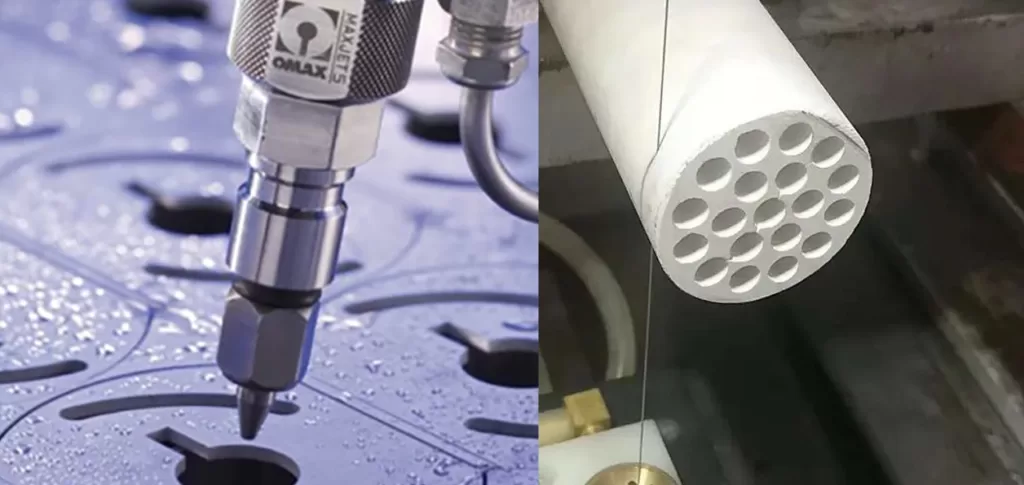
In der modernen Fertigung und im Maschinenbau ist eine effiziente Materialschneidetechnik von entscheidender Bedeutung für die Herstellung hochwertiger Produkte. Das Hochdruck-Wasser-Abrasivschneiden (ASWJ) ist eine immer beliebter werdende Präzisionsschneidtechnik, die sich in verschiedenen Bereichen als hervorragend erweist. Dieser Artikel befasst sich mit den Funktionsprinzipien, Vorteilen und einer vergleichenden Analyse von ASWJ im Vergleich zu anderen Schneidtechnologien.
Funktionsprinzipien des Hochdruckwasser-Schleifschneidens
High-pressure water-abrasive cutting removes material through the impact of a water jet carrying abrasive particles. ASWJ means abrasive suspension waterjet: water and abrasive are premixed before passing through the cutting nozzle. This differs from an abrasive injection waterjet, where abrasive is entrained into an already formed water jet. Hydrogen is not a required ingredient. Both conductive and non-conductive materials can be processed; material grade, thickness and quality requirements determine suitability.
Vorteile des Hochdruckwasser-Schleifschneidens
ASWJ bietet mehrere bemerkenswerte Vorteile, darunter:
- Präzisionsschneiden: Achievable accuracy depends on the machine, nozzle condition, material, thickness and traverse speed. Verify taper, jet lag and cut-surface quality on representative parts rather than assuming micron-level accuracy.
- Materialvielfalt: Abrasive waterjets can process selected metals, stone, glass and ceramics. Some soft materials can be cut with pure water alone; added abrasive is not necessary for every application.
- Kaltschneiden: Im Gegensatz zu herkömmlichen Heißschneideverfahren handelt es sich bei ASWJ um einen Kaltschneideprozess, der das Risiko einer Materialverformung aufgrund thermischer Belastung verringert.
- Abfallwirtschaft: The process produces wastewater, spent abrasive and workpiece debris. Collection, separation and disposal requirements depend on the material being cut; the absence of a thermal cutting process does not make the waste harmless.
- Hohe Geschwindigkeit und Effizienz: Der Hochgeschwindigkeitsstrahl in Kombination mit dem abrasiven Material macht ASWJ in bestimmten Situationen effizienter als andere Schneidtechniken.
Nachteile des Hochdruck-Wasser-Abrasivschneidens (ASWJ)
Trotz seiner Vorteile ist ASWJ nicht ohne Einschränkungen, darunter:
- Komplexes Setup: Die Implementierung der ASWJ-Technologie kann kompliziert sein und erfordert spezielle Ausrüstung und eine gut kontrollierte Umgebung. Diese Komplexität kann die Einrichtung für kleinere Betriebe schwierig machen.
- Schleifmittelverbrauch: ASWJ verwendet in seinem Schneidprozess abrasive Materialien. Diese Schleifmittel verschleißen mit der Zeit, was ein häufiges Nachfüllen erforderlich macht und die Betriebskosten erhöht.
- Wartung: Die in ASWJ-Systemen verwendeten Hochdruckpumpen und -düsen erfordern eine regelmäßige Wartung, um eine optimale Leistung zu gewährleisten. Diese Wartung kann kostspielig und zeitaufwändig sein.
- Sicherheits-Bedenken: Beim ASWJ wird mit Hochdruckflüssigkeiten gearbeitet, die bei unsachgemäßer Handhabung gefährlich sein können. Bediener müssen geschult werden, um einen sicheren und effizienten Betrieb zu gewährleisten.
- Water and Contamination Limits: Electrical conductivity is not required, unlike wire EDM. Instead, assess water absorption, corrosion, trapped abrasive and cleaning requirements, particularly for porous or contamination-sensitive workpieces.
- Mögliche Erosion: Im Laufe der Zeit kann der Hochgeschwindigkeitsstrahl zu Verschleiß an der Schneidausrüstung führen, was zu potenzieller Erosion und einer Verschlechterung der Präzision führen kann.
Für Hersteller und Unternehmen ist es wichtig, diese Nachteile neben den Vorteilen von ASWJ zu berücksichtigen, um festzustellen, ob es für ihre spezifischen Anwendungen und Projekte geeignet ist.
Vergleichende Analyse: ASWJ vs. andere Schneidtechnologien
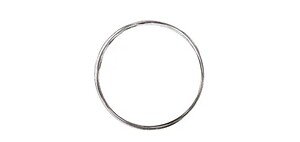
ASWJ carries loose abrasive in water, while closed-loop diamond wire cutting uses diamond abrasive attached to a moving wire. These are different material-removal methods, not interchangeable machine specifications. Compare them against the same drawing and acceptance criteria:
- Materialanpassungsfähigkeit: Ähnlich wie beim ASWJ können mit dem geschlossenen Diamantdrahtschneiden verschiedene Materialien geschnitten werden, darunter auch nichtleitende Materialien.
- Precision and Support: Diamond wire results depend on wire deflection, tension, guide alignment and fixture support. Thin or fragile parts require sample validation; neither method guarantees the required finish without further processing.
- Geschwindigkeit: Neither process is always faster. Compare setup, cutting, cleaning and finishing time for the same material, section size and accepted surface quality.
- Material Yield: Wire diameter and deflection affect the wire-cut kerf; nozzle configuration, thickness and traverse conditions affect the waterjet kerf. Measure both material loss and finishing allowance rather than assuming one method always wastes less material.
| Erfordernis | ASWJ / abrasive waterjet | Closed-loop diamond wire |
|---|---|---|
| Water restrictions | Water exposure is inherent to the process; assess absorption, corrosion and drying. | Wet or dry operation depends on the material, wire and machine. Dry cutting requires appropriate debris extraction. |
| Contamination | Loose abrasive and cutting debris require collection and cleaning. | Workpiece debris and wire wear still require control; the process is not contamination-free. |
| Schnittgeometrie | The jet requires a suitable entry point and an unobstructed exit into the catcher. | The wire and guides need clearance. An internal contour requires a viable threading or entry method; a closed loop cannot simply enter an enclosed hole. |
| Thick or fragile sections | Check taper, jet lag, piercing damage and exit-edge condition through the full thickness. | Check wire bow, fixture loads, fragile features and support as the offcut separates. |
| Heat and surface quality | A non-thermal cutting process avoids the conventional heat-affected zone, but cut texture and edge quality still need inspection. | Abrasive contact generates frictional heat. Validate cooling or dry-process controls and any finishing allowance. |
| Cost comparison | Include abrasive, water treatment, nozzle wear, setup and finishing. | Include wire wear, fixtures, debris handling, setup and finishing. Compare cost per accepted part. |
For a broader process comparison, see waterjet versus diamond wire cutting. Before a trial, provide the material grade, workpiece dimensions, drawing, water restrictions and required edge and surface quality.
Anwendungen des Hochdruckwasser-Schleifschneidens
Abrasive waterjet processes are used or evaluated across the following fields. An application of injection-type waterjet equipment is not automatically evidence of ASWJ suitability; confirm the actual jet system and qualification requirements:
- Luft-und Raumfahrtindustrie: Schneiden von Flugzeugkomponenten und Triebwerksteilen.
- Medizinischer Sektor: Selected component-cutting applications require validation of edge quality, cleaning and contamination controls; this does not establish suitability for every medical device.
- Automobilbau: Schneiden und Bearbeiten von Automobilteilen, einschließlich Karosserie- und Motorkomponenten.
- Konstruktion: Schneiden von Baumaterialien wie Stein, Stahlkonstruktionen und Beton.
- Elektronikfertigung: Evaluate water and abrasive exposure carefully for electronic materials. Suitability for a particular substrate does not establish suitability for semiconductor wafer production.
- Kunst und Kreativität: Ermöglicht kreatives Arbeiten in den Bereichen Kunst, Bildhauerei und Dekoration.
Anwendungen für anspruchsvolle Materialien
For hard ceramics, glass and other brittle materials, evaluate entry damage, edge chipping, cracking and the condition of the exit face. Waterjet piercing and support beneath the cut need particular attention. With diamond wire, evaluate clamping loads, wire access, deflection and support at final separation. Porous materials also need a cleaning and drying assessment. No fixed pressure, wire tension or feed setting is prescribed here without a representative trial.
Abschluss
High-pressure water-abrasive cutting can be useful where a water-and-abrasive process meets the material and geometry requirements. Closed-loop diamond wire is another option for compatible workpieces, but it has its own access, support and debris-control constraints. Select a method using measured cut quality, accepted yield and total processing cost. For diamond wire feasibility, provide a drawing and material details through our sample-cutting service.