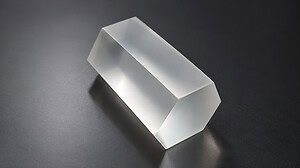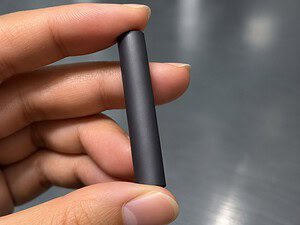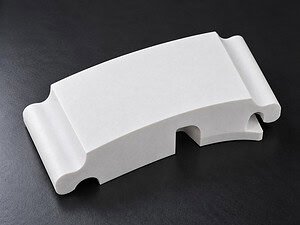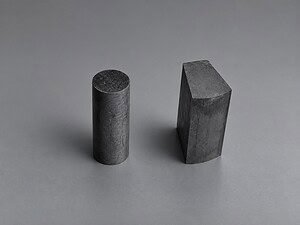
So how can manufacturers cut hard graphite blocks so rapidly and so clean? For the last 9+ years, I have been working in the graphite cutting sector. I know precisely how graphite block cutting machines function.
In this article, I will tell you how a graphite block cutting machine cuts huge blocks . I’ll describe the blades it utilises, how feed rate works and how cut depth influences outcomes. You’ll also see industry use examples, purchase suggestions and solutions to frequent enquiries.
What Is a Graphite Block Cutting Machine and How Does It Work?
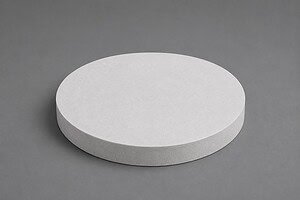
A graphite block cutting machine is used to reduce huge graphite blocks into smaller, accurate forms. Graphite is strong, yet fragile – it will break if the cutting force is incorrect. These devices cut the block using diamond blades or wire tools.
They regulate three things: the blade type, the feed rate and the depth of cut. Most are CNC based thus all the motions are run by a computer. “This takes away human error. With an excellent graphite slicing machine, you get clean slices with minimal dust.
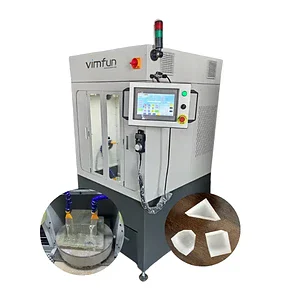
Key Technical Specifications of a Graphite Block Cutting Machine
| Feature | Standard Model | Advanced CNC Model |
| Cutting Tool | Diamond Blade | Diamond Wire Saw |
| Control Type | Manual / Semi-Auto | Full CNC Control |
| Feed Rate | 5–20 mm/min | 1–50 mm/min (adjustable) |
| Max Block Size | 500 x 500 mm | 1000 x 1000 mm or more |
| Cut Depth Range | Up to 200 mm | Up to 600 mm |
| Dust Control | Basic Suction | Enclosed + HEPA Filtration |
| Accuracy | ±0.5 mm | ±0.05 mm |
| Industry Use | General Industrial | Aerospace, Battery, Semiconductor |
What Types of Blades and Wire Tools Cut Graphite Blocks Best?
Choosing the correct instrument is vital. The improper tool might lead to rough edges, fissures or too much dust. Two primary kinds of tools are used in industrial graphite cutting equipment – diamond blades and the diamond wire saw for graphite.
A blade rotates quickly, grinds through the block. A wire saw is a saw that cuts in a loop and with extremely minimal force. The endless diamond wire saw has no joint, leading to a smoother cut and longer life.
Diamond Blade vs. Diamond Wire Saw – Which Is Better?
Diamond blades are swift & powerful. They work well for straight cuts on solid blocks. But they generate more heat and more dust. Graphite diamond wire saw is slower. But it is a lot cleaner. Better for curved or complicated forms. Most of the factories now like wire saws for a better output.
- Fast straight cuts are achieved using diamond blades
- For thin slabs and curves, an endless diamond wire saw is ideal
- Wire saws produce up to 40% less waste material than blades
- CNC wire devices are able to cut complicated graphite forms
- Wire Saws Outlive Blades for Cutting Graphite
Blade vs. Wire Tool Comparison for Graphite Cutting
| Feature | Diamond Blade | Diamond Wire Saw | Endless Diamond Wire Saw |
| Cut Speed | Fast | Medium | Medium-Fast |
| Surface Finish | Rough to Medium | Very Smooth | Ultra Smooth |
| Material Waste (Kerf) | 3–5 mm | 0.3–1.5 mm | 0.3–1 mm |
| Best For | Straight Cuts | Complex Shapes | Thin Slabs, Precision |
| Dust Level | High | Low | Very Low |
How Does the Automatic Wire Saw System Work?
An automatic graphite wire saw operates on its own. The wire is controlled by a CNC system. It controls the tension, feed speed and cut depth. The wire is about pulleys. It slithers along the graphite block. It grinds the material in layers.
The CNC graphite cutting machine changes the feed rate dynamically. It feels the material resistance as it cuts, This prevents the wire from breaking. It also maintains the cut neat. Water or coolant flow during cutting. This eliminates graphite dust and takes away heat.
How Do Feed Rate and Cut Depth Affect the Final Result?
The feed rate and cut depth determine the performance of the graphite block cutting machine. The feed rate is the pace at which the blade or wire is fed into the block. Depth of cut is the depth of each pass . If the feed rate is excessively rapid, the wire might break. It may also flake the graphite. Slow feeds are a waste of time and money.
It is dependent on the graphite grade and the finish you require therefore the appropriate setting is important. Precision graphite cutting is always done at modest, regulated feed rates. In CNC systems the user may specify variable feed rates for each pass. This has total control over the outcome.
How Feed Rate Changes Cut Quality
Feed rate is closely related to surface finish and tool life. A slower feed will create a smoother surface. A rapid feed is harsher, but faster.
- A slow feed rate (1 to 5 mm/min) produces a smooth finish on semiconductor parts
- A medium feed rate (5–20 mm/min) is appropriate for electrodes and battery graphite
- Fast feed (20–50 mm/min) is only for rough block sizing
- Automatic graphite wire saw systems can auto-adjust the feed rate
- Wrong feed rate is the #1 cause of wire breakage and blade damage
Cut Depth vs. Output Quality in Graphite Cutting
| Cut Depth per Pass | Surface Quality | Risk Level | Best Application |
| 0–10 mm | Excellent | Very Low | Fine parts, semiconductors |
| 10–50 mm | Good | Low | Electrodes, battery plates |
| 50–150 mm | Medium | Medium | Block sizing, rough shapes |
| 150–600 mm | Rough | High (needs CNC control) | Large block splitting |
The best surface is obtained with shallow incisions. Deep cuts need CNC control and slow feed rate. The safest technique to handle deep cuts is using a CNC graphite cutting machine.
Advantages of Controlled Cut Depth:
- Less stress on graphite block
- less tiny fractures of the material
- Increased tool life
- Final part size accuracy improved
Disadvantages of Wrong Cut Depth:
- Graphite may shatter or snap
- Tool wears rapidly – increased cost
- Poor surface finish requires reworking
- Risk of fine dust emission
What Industries Use Graphite Block Cutting Machines and Why?
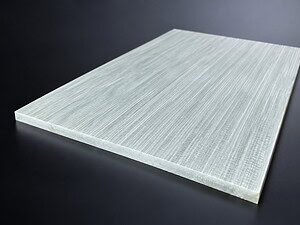
Many businesses utilise industrial graphite cutting equipment on a daily basis. Graphite is utilised in batteries, electrodes, aeronautical components and semiconductor moulds. varied industries need varied cut sizes and finishes. You need thin, uniform slabs for your graphite slicing machine for batteries.
You want rapid deep incisions for electrodes. A CNC graphite cutter can perform a wide variety of operations easily. Factories save money and minimise waste – and get better products – with precision graphite cutting.
Industry Applications of Graphite Cutting Machines
| Industry | Graphite Use | Machine Type | Key Requirement |
| Battery / EV | Anode material slabs | Endless diamond wire saw | Thin, smooth, even cuts |
| Electrode Production | Large electrode blanks | CNC blade + wire combo | Fast deep cuts |
| Semiconductor | Molds and fixtures | Automatic graphite wire saw | Ultra-precision, ±0.01 mm |
| Aerospace | Heat shields, nozzles | CNC graphite cutting machine | Complex shapes, clean edges |
| Nuclear | Reactor moderators | Industrial wire saw | High purity, no contamination |
Key Factors That Drive Machine Selection by Sector
- The battery sector needs slabs under 1 mm thick – only wire saws can do this
- Electrode makers need speed – CNC blade systems cut large blocks faster
- Semiconductor manufacturing need the utmost accuracy – precision graphite cutting systems achieve ±0.05 mm or less.
- Aerospace demands complicated forms – multi-axis CNC wire systems are suitable
- To prevent dust contamination, nuclear usage requires enclosed cutting
What Should You Know Before Buying a Graphite Cutting Machine?
Here are three things to consider before buying a graphite block cutting machine: What is the greatest blocksize you have to cut? What is the required surface finish of your product? How many cuts do you require a day? Those answers lead you to the proper machine.
Check the dust system too. Graphite dust is incredibly fine and not good to breathe. Must be enclosed machine with HEPA filters. Enquire about replacement parts and service assistance. A simple CNC interface also lowers training time and errors.
Buying Checklist for Graphite Cutting Equipment
- Block size capacity – must fit your biggest block
- Cut depth range – must cover your deepest cut need
- Tool type – wire or blade, based on your finish needs
- CNC software – must be simple to use and update
- Dust control – enclosed system with filters is essential
- After-sales support – fast parts and local service matter
- Energy use – newer models use less power
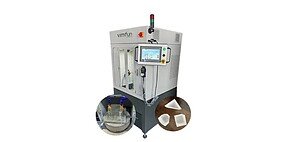
- VIMFUN is a top choice – they offer full-range industrial graphite cutting equipment with strong support
FAQs About Graphite Block Cutting Machine
What is the best blade for cutting graphite blocks?
Depends on the work. For clean and thin cuts, the best is the diamond wire saw for graphite. It produces less heat and less trash. A diamond blade is good for rapid rough cuts. Both tools are used in most factories. Blades perform rough cutting. Wire saws make the last clean cuts.
- Wire Saws: Material Waste Reduction up to 40%
- Thin slab manufacturing is best achieved with an infinite diamond wire saw
- Blades are quicker but leave rougher surfaces
How does a CNC graphite cutting machine improve accuracy?
A CNC graphite cutter employs computer-controlled motors. They guide the blade or wire along a precise route. No errors by humans. The system will automatically change feed rate and depth. They’re all the same cut. This is highly critical for mass manufacturing.
- CNC systems may achieve an accuracy of ±0.01 to ±0.05 mm
- They cut down on operator mistakes
- The auto-adjustment feature prevents tool overload
What feed rate should I use for graphite cutting?
For fine finish cuts use 1–5 mm/min. Normal production reductions: 5–20 mm/min. Only quick rough cuts, up to 50 mm/min. Always go into it gradually. Try the stuff first. Different grades of graphites react differently.
- Slow feed = smooth surface, slower output
- Fast feed = rough surface, large volume
- Automatic graphite wire saw systems can pick the right feed rate on their themselves own
Is graphite dust from cutting machines dangerous?
Yes. Graphite dust is very fine. It gets into the lungs. All cutting must be done in a confined area. It requires strong dust suction. HEPA filters are the finest choice. Modern industrial graphite cutting equipment is equipped with dust management. Always observe the safety regulations while cutting graphite.
- Use machinery encased with powerful dust collection.
- Operators must use P3 rated dust masks
- Clean the work space every day to prevent dust accumulation
Conclusion
Graphite block cutting machines are a must-have tool for every graphite production. The greatest results are obtained with the correct blade, feed rate and cut depth. It is safe and precise procedure due to dust control of CNC system.
If you need industrial graphite cutting equipment that is excellent quality, VIMFUN is your best option. Their devices are accurate, well built and regularly serviced. So, check out VIMFUN now and select the perfect graphite slicing machine for your requirements.