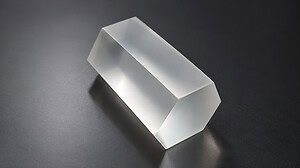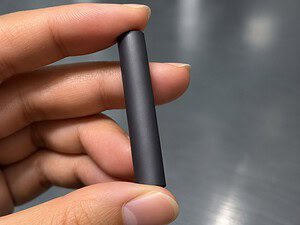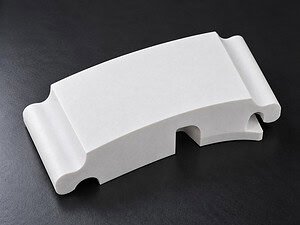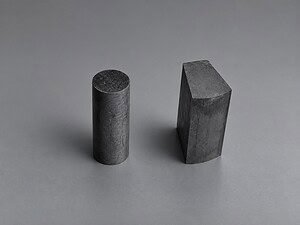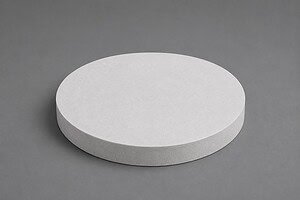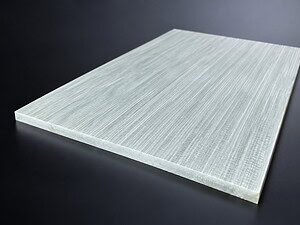
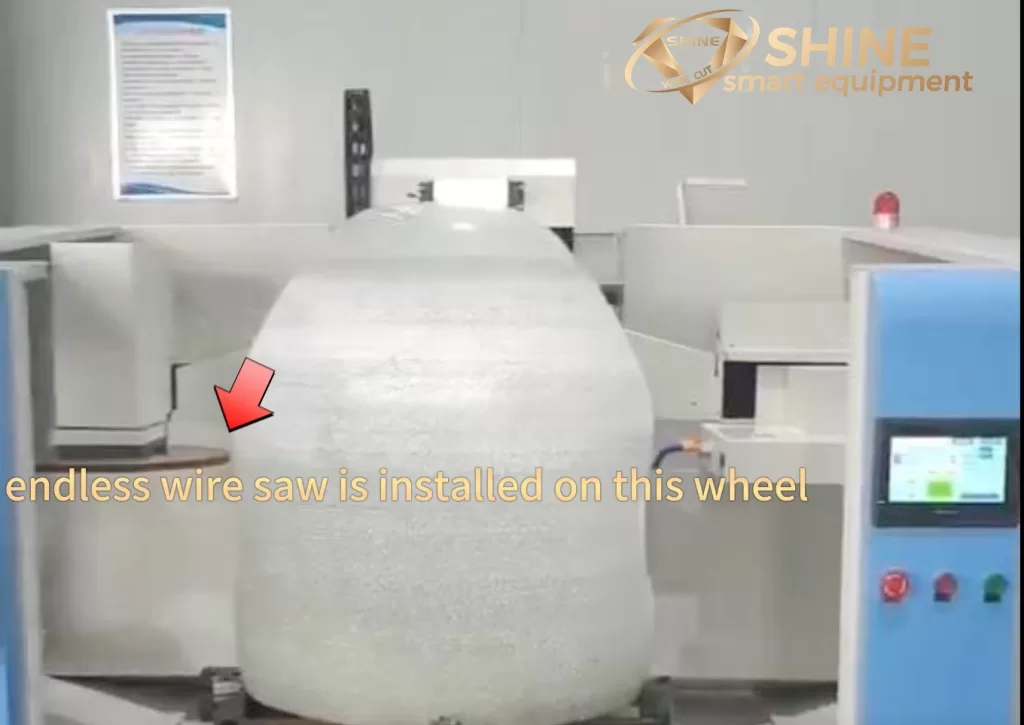
Large quartz cutting is difficult because the workpiece is hard, brittle and valuable. The cutting process must control edge damage, material loss and cracking risk while maintaining a stable cut. This case study shows how a continuous-loop diamond wire saw approaches that challenge and includes video evidence from the cutting process.
Quartz Cutting Case Overview
| Item | Case detail |
|---|---|
| Material | Large quartz workpiece |
| Main challenge | Hard, brittle material with cracking and edge-chipping risk |
| Cutting method | Continuous-loop diamond wire sawing |
| Primary goals | Stable cutting, narrow kerf and controlled surface damage |
| Evidence on this page | Cutting-process image and video |
Why Large Quartz Is Difficult to Cut
Quartz is widely used in optical components, semiconductor processing, laboratory equipment and other precision applications. Its hardness supports good wear resistance, but its brittleness makes cutting more demanding. As the workpiece becomes larger, vibration, uneven loading and local heat can increase the risk of chips or cracks.
A suitable process therefore has to do more than separate the material. It must keep the cutting action consistent, limit unnecessary kerf loss and match wire speed, feed rate, tension and cooling to the geometry of the quartz part.
How the Endless Diamond Wire Process Helps
Continuous cutting motion
The closed-loop wire travels in one direction continuously. This avoids the frequent directional reversal used by some reciprocating systems and supports a steadier cutting path.
Narrow kerf
A thin diamond wire removes less material than a broad cutting tool. This is useful when the quartz workpiece has high material value or when multiple parts must be produced from one blank.
Controlled cutting load
Wire tension and feed can be adjusted for the workpiece. Correct settings help control vibration and reduce sudden mechanical loading on brittle quartz.
Quartz Cutting Video
The following video shows the actual cutting motion used in this quartz case. It demonstrates the continuous wire path and the way the workpiece is fed through the cutting zone. The video is process evidence; final parameters still need to be selected for each workpiece size, shape and finish requirement.

What to Confirm Before a Quartz Cutting Trial
- Workpiece geometry: outer dimensions, wall thickness, bore shape and clamping area.
- Quality target: acceptable edge chipping, surface condition and dimensional tolerance.
- Process restrictions: whether water-based cooling is allowed and how the cut must be cleaned.
- Production target: prototype cutting, small-batch work or continuous production.
- Material value: the importance of kerf reduction and usable material yield.
For a broader process and equipment overview, see our quartz glass cutting solutions. Engineers comparing machine configurations can also review the diamond wire saw models. For a newer application example with defined workpiece geometry, visit the large quartz glass ring cutting case.
Engineering Conclusion
This case shows why an endless diamond wire saw is a practical option for large quartz cutting: the continuous cutting motion, narrow kerf and adjustable process settings directly address common concerns around material loss and brittle-edge damage. The final machine, wire specification and operating parameters should still be confirmed through the actual material, size and quality target.