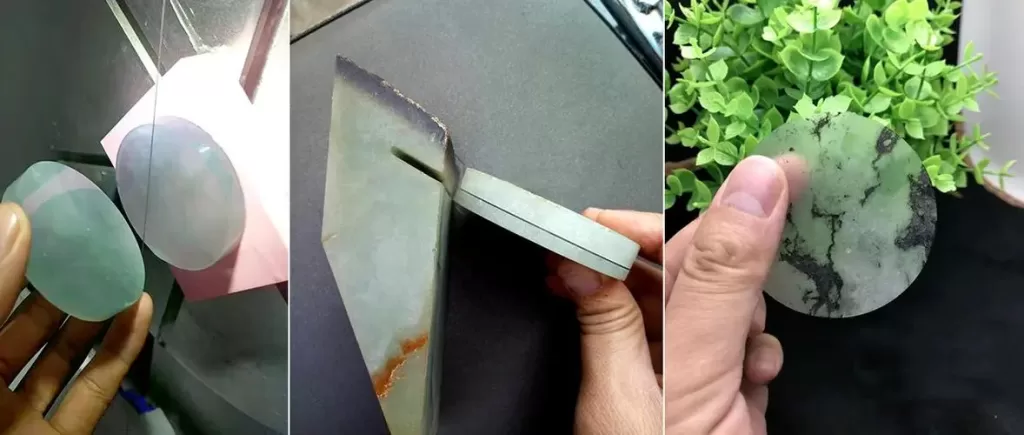
Einführung in die Diamantdrahtschneidetechnik
Die Diamantdrahtschneidtechnologie wird verwendet, um Jadeit und andere wertvolle Edelsteine zu trennen oder zu formen, wenn das Projekt einen schmalen Schneidweg, eine geringe Schnittkraft und einen kontrollierten Materialverlust erfordert. Der Prozess verwendet Diamantabrasivmittel, die an einer kontinuierlichen Drahtschleife befestigt sind. Der sich bewegende Draht entfernt Material fortschreitend, anstatt den Stein mit einem starren Zahn zu schlagen.
Jadeit ist nicht einheitlich. Natürliche Risse, Einschlüsse, Korngrenzen und Härteänderungen können das Ergebnis verändern, selbst wenn die Maschineneinstellungen unverändert bleiben. Ein nützlicher Schnittplan beginnt daher mit dem tatsächlichen Stein, der beabsichtigten Schnittlinie und den Akzeptanzkriterien, nicht mit einem universellen Geschwindigkeits- oder Vorschubwert. Für einen breiteren Überblick über die Ausrüstung siehe den Leitfaden für Edelsteinschneidmaschinen.
Wie der kontinuierliche Drahtprozess funktioniert
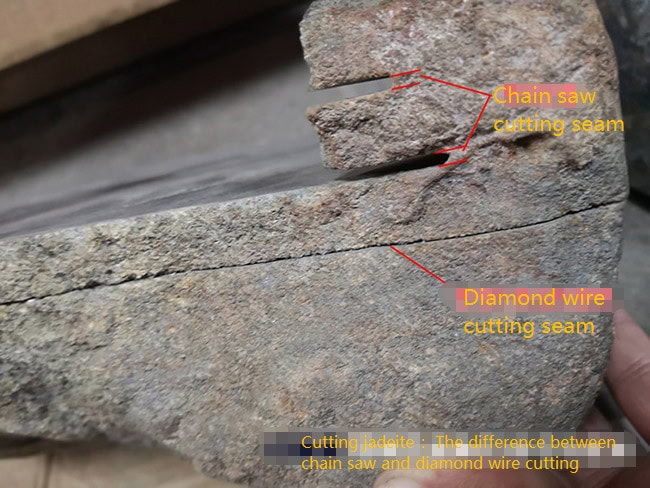
Eine geschlossene Diamantdrahtschleife läuft um Führungsräder und durch das Werkstück. Die Diamantbeschichtung führt den Schnitt durch, während Drahtspannung, Führungsjustierung, Vorschubkraft und Schmutzentfernung den Schneidweg stabil halten. Da sich die Schleife kontinuierlich in eine Richtung bewegt, gibt es keine programmierte Umkehrung am Ende eines hin- und hergehenden Hubs.
Das Schnittergebnis wird durch das Gesamtsystem erzielt: Maschinensteifigkeit, Drahtzustand, Führungsradjustierung, Vorrichtungshalterung, Kühlmittel- oder Reinigungsmethode und der innere Zustand des Edelsteins. Der Prozess kann Kantenstöße und Schnittfugen im Vergleich zu einigen herkömmlichen Methoden reduzieren, aber der tatsächliche Nutzen muss durch einen repräsentativen Schnittmuster bestätigt werden.
Material- und Prozessunterschiede
| Material oder Zustand | Hauptschneidrisiko | Zu bestätigende Richtung |
|---|---|---|
| Jadeit mit sichtbaren Rissen | Rissausdehnung nahe dem Ein-, Aus- oder ungestützten Bereich | Schneiden Sie nach Inspektion und stützen Sie beide Seiten der geplanten Trennung aus. |
| Feines, wertvolles Jadeitstück | Übermäßige Schnittfuge oder unzureichender Spielraum für die Fertigstellung | Tatsächliche Schnittfuge aufzeichnen und die erforderlichen Fertigabmessungen schützen |
| Opal oder geschichteter Edelstein | Lokales Absplittern, Delamination oder Empfindlichkeit gegenüber der gewählten Flüssigkeit | Materialkonstruktion, Flüssigkeitsverträglichkeit und Vorrichtungsdruck durch Schnittmuster bestätigen |
| Unregelmäßiger Rohstein | Instabile Klemmung und eine sich ändernde Drahtanbindungslänge | Verwenden Sie eine geometrisch angepasste Halterung und definieren Sie die Ein- und Austrittspunkte vor dem Schneiden |
Vorrichtungs-, Draht- und Oberflächenkontrolle
Vorrichtung und Schnittweg
Die Vorrichtung sollte den Stein zurückhalten, ohne die Kraft auf eine schwache Ecke oder einen natürlichen Riss zu konzentrieren. Bei einem unregelmäßigen Werkstück kann eine anpassungsfähige Halterung wichtiger sein als eine höhere Klemmkraft. Der Bediener sollte auch identifizieren, wo der Draht in das Material eintritt und es verlässt, da der endgültige Durchbruchsbereich oft am anfälligsten für Kantenschäden ist.
Draht, Spannung und Vorschub
Die Drahtwahl sollte auf das Material, die erforderliche Schnittfuge, die Schnitttiefe und das Oberflächenziel abgestimmt sein. Ein übermäßiger Vorschub kann die Drahtablenkung oder das Rissrisiko erhöhen, während ein unzureichender Vorschub den Zyklus verlängern und unnötiges Reiben zulassen kann. Spannung, Drahtgeschwindigkeit und Vorschub sollten als koordinierte Einheit eingestellt und während der Testläufe aufgezeichnet werden.
Kühlung und Sauberkeit
Wo Flüssigkeit zulässig ist, kann sie helfen, Schmutz zu entfernen und die Schneidzone zu stabilisieren. Die gewählte Flüssigkeit muss mit dem Edelstein, jeder Verbundrückseite und dem nachgeschalteten Reinigungsprozess kompatibel sein. Wenn ein Trocken- oder eingeschränkter Flüssigkeitsprozess erforderlich ist, müssen der Drahtzustand und der Schmutzweg separat bewertet werden.
Video zur Edelsteinschneidung
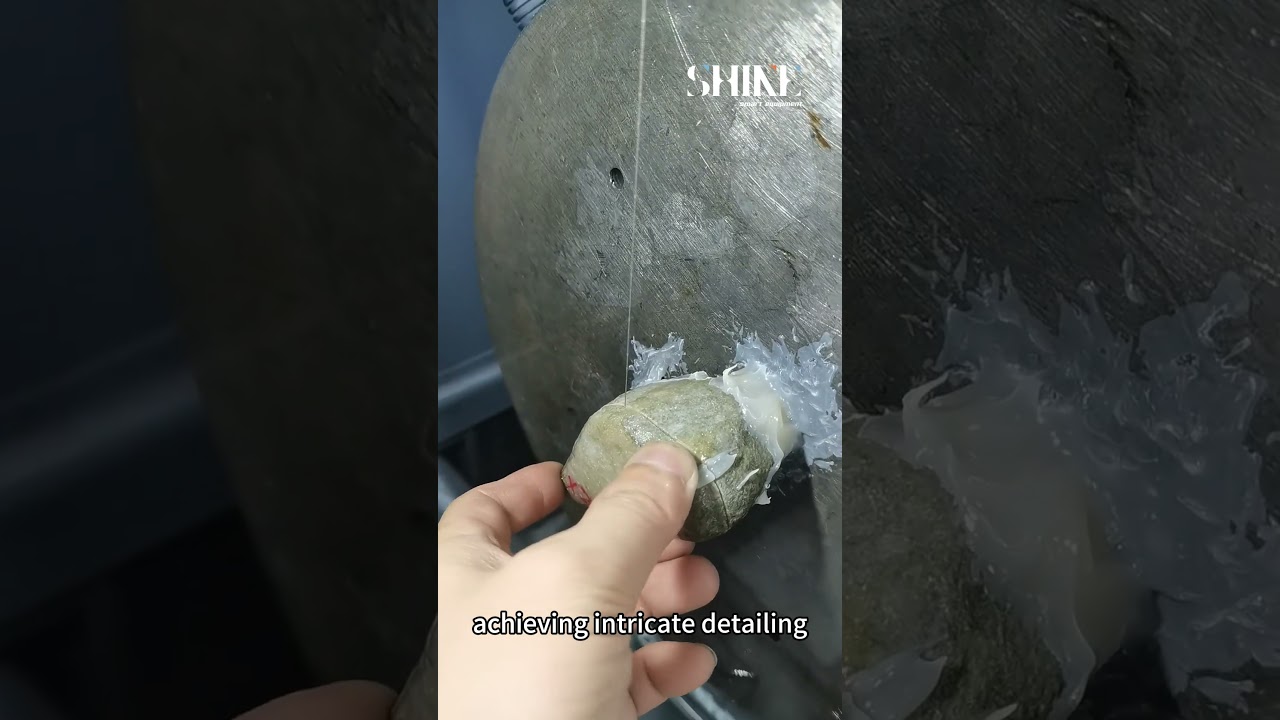
Das folgende Video zeigt präzises Edelsteinschneiden mit einem kreisförmigen Diamantdraht. Es ist ein Prozessbeispiel und keine feste Parameterempfehlung; Einstellungen sollten am Material und an der Geometrie des Kunden bestätigt werden.
SG15 für Edelsteinwerkstücke
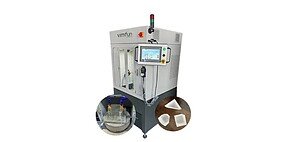
Die SG15 Präzisions-CNC-Drahtschneidmaschine ist ein relevantes Modell für die Bewertung von kleinen Edelsteinen und Präzisionsteilanwendungen. Maschinenkapazität, Vorrichtungsanordnung, geeigneter Diamantdraht und das erzielbare Ergebnis müssen anhand der Zeichnung und des Muster materials überprüft werden. Dieser Artikel weist keinen Parametersatz allen Jadeit- oder Opalwerkstücken zu.
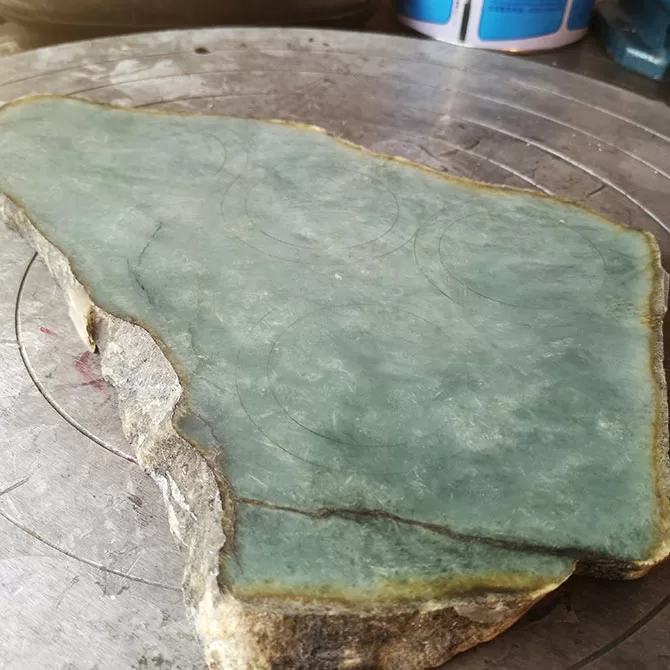
Was ist bei einem Schnittmuster aufzuzeichnen?
- Steinart, sichtbare Risse, Einschlüsse und Schnittrichtung.
- Werkstückabmessungen, Auflagepunkte und Ein- und Austrittsorte.
- Identifikation und Zustand des Diamantdrahtes vor und nach dem Test.
- Tatsächliche Schnittfuge, Maßabweichung und Materialspielraum.
- Kantenabsplitterungen, Rissausdehnung und Oberflächenmuster im gesamten Querschnitt.
- Zykluszeit, Unterbrechungen, akzeptierte Ausbeute und erforderliche nachgeschaltete Fertigstellung.
Häufig gestellte Fragen
Kann eine Einstellung für jeden Jadeitstein verwendet werden?
Nein. Interne Risse, Abmessungen, Halterung, Schnitttiefe und die erforderliche Oberfläche können den geeigneten Draht und das Betriebsfenster ändern.
Macht die Diamantdrahtschneidtechnologie das Polieren überflüssig?
Nicht unbedingt. Der Prozess kann Trenn- oder Grobformung durchführen, während sichtbare oder präzise Oberflächen immer noch Schleifen, Läppen oder Polieren erfordern können.
Welche Informationen werden vor einem Edelsteinschneidetest benötigt?
Geben Sie den Materialnamen, Fotos, Abmessungen, die geplante Schnittlinie, die Menge, die Qualitätsgrenzen, Flüssigkeitsbeschränkungen und jeglichen erforderlichen Fertigungsspielraum an.
Abschluss
Die Diamantdrahtschneidtechnologie kann das kontrollierte Schneiden von Jadeit und Edelsteinen unterstützen, wenn Draht, Maschine, Vorrichtung und Prozessbedingungen auf den tatsächlichen Stein abgestimmt sind. Die zuverlässigste Auswahlmethode ist die Inspektion des Materials, die Definition messbarer Akzeptanzkriterien und der Vergleich des Ergebnisses eines repräsentativen Schnittmusters.