Wie können Hersteller Silizium so dünn und sauber schneiden, ohne Risse? Ich habe 8 Jahre Erfahrung im Bereich Industriediamantdraht und Präzisionsschneiden. Ich habe gesehen, wie der richtige Draht alles in einer Fertigungslinie verändern kann. In diesem Artikel erkläre ich, was ein Schleifring-Diamantdraht ist.
Lassen Sie mich Ihnen die Branchen nennen, die ihn am dringendsten benötigen. Ich werde auch erklären, wie er funktioniert, seine Vorteile und echte Anwendungsfälle. Wenn Sie damit fertig sind, wissen Sie, welchen Draht Sie kaufen und wo Sie ihn bekommen.
Was ist ein Schleifring-Diamantdraht und warum ist er wichtig?
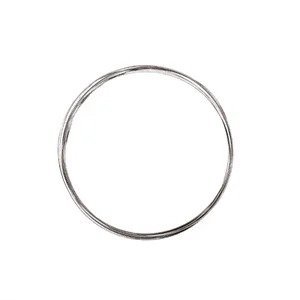
Schleifring-Diamantdraht ist ein geschlossener Schneidedraht. Auch Endlos-Schleifring-Diamantdraht genannt. Der Draht ist mit Diamantpartikeln beschichtet. Er dreht sich wie ein Sägeband auf einer Maschine – nonstop. 0,3 mm Diamantdraht wird in vielen Unternehmen für empfindliche, dünne Schnitte verwendet.
Der Kern ist Stahl oder Wolfram. Wolfram-Diamantdraht ist hart und zäh. Die Beschichtung wird als diamantbeschichteter Draht bezeichnet. Er schneidet sauber durch Silizium, Glas, Quarz und Saphir. Keine Splitter. Keine scharfen Kanten. Viele Unternehmen nutzen ihn täglich für schnelle und präzise Schnitte.
Schleifring-Diamantdraht: Schnelle Spezifikationen im Überblick
| Eigenschaft | Einzelheiten |
| Drahtdurchmesser | 0,12 mm bis 0,5 mm (üblich: 0,3 mm Diamantdraht) |
| Material Draht | Stahl- oder Wolfram-Diamantdrahtkern |
| Schleifmittelbeschichtung | Diamantbeschichteter Draht – Harz oder galvanisch |
| Schleifring-Typ | Geschlossene Schleife (Endlosschleife Diamantdraht) |
| Schneidgeschwindigkeit | 10–30 m/s |
| Materialien, die es schneidet | Silizium, Glas, Saphir, Quarz, Germanium |
| Oberfläche | Glatt, geringer Materialverlust |
Wie wird Schleif-Diamantdraht in der Halbleiterindustrie eingesetzt?
Die Chiphersteller benötigen überaus dünne Siliziumwafer. Die Wafer müssen flach und sauber sein. Ein Chip kann schon bei einem kleinen Kratzer zerbrechen. Schleif-Diamantdraht löst dieses Problem. Er schneidet Silizium mit sehr geringem Abfall. Weniger Abfall, mehr Wafer pro Block.
Mehr Wafer, geringere Kosten. Industrieller Diamantdraht arbeitet 24 Stunden am Tag, sodass die Hersteller nicht nachlassen. Präzisionsschneidedraht für jedes Mal saubere Schnitte. Chips sind sehr gefragt. Und die Nachfrage nach Endlosschleifen-Diamantdraht wächst ebenfalls.
Welche Arten von Silizium werden in der Halbleiterproduktion geschnitten?
- Silizium für Logikchips (Einkristalle)
- Speicherchips (Polysilizium)
- Siliziumkarbid (SiC) für Leistungsbauelemente
- GaAs für Hochgeschwindigkeitschips
Schneidleistung für Halbleiter
| Material | Drahtgröße | Schnittgeschwindigkeit | Qualität der Oberfläche | Ausbeutesatz |
| Monokristallines Si | 0,3 mm | 20 m/s | Exzellent | 95%+ |
| Polysilizium | 0,4 mm | 18 m/s | Sehr gut | 93% |
| SiC-Wafer | 0,2 mm | 10 m/s | Gut | 88% |
| GaAs | 0,3 mm | 15 m/s | Exzellent | 94% |
Warum Halbleiterfabriken Endlosschleifen-Diamantdraht bevorzugen
- Läuft kontinuierlich – der Draht muss nicht regelmäßig ausgetauscht werden
- Sehr wenig Bruch
- Selbst Diamantverteilungen schneiden sauber und gleichmäßig
- Kompatibel mit Nass- und Trockenmaschinen
- Weniger Stillstand, mehr Produktion
Wie hilft der Schleifen-Diamantdraht der Solarpanelindustrie?
Jeden Monat schneiden Solarproduzenten Millionen von Siliziumwafern. Geschwindigkeit ist der Schlüssel, Abfall ist minimal. Der Schleifen-Diamantdraht ist inzwischen zur ersten Wahl für das Schneiden von Solarsilizium geworden. Er schneidet schneller als herkömmliche Slurry-Drahttechnologien. Er schneidet auch sauberer.
Eine glatte Oberfläche wird durch die Präzisionsschneidedraht. Je glatter die Oberfläche, desto mehr Licht können Solarzellen einfangen. Mehr Wafer pro Block mit dünneren Wafern Mehr Wafer bedeuten geringere Kosten pro Solarmodul. VIMFUN liefert hochwertige industrielle Diamantdraht für die Solarfertigung.
Wie beeinflusst der Drahtdurchmesser die Solarwafer-Ausbeute?
Dünnerer Draht = weniger Abfall = mehr Wafer = geringere Kosten.
Der Wechsel von 0,4 mm auf 0,3 mm Diamantdraht kann 10–15 % mehr Wafer aus demselben Block liefern. Das ist ein großer Gewinn für den Profit.
Solarindustrie: Drahttyp-Vergleich
| Draht-Typ | Kerfverlust | Wafer-Ausbeute | Oberfläche | Kosteneffizienz |
| Slurry-Drahtsäge | Hoch | Niedrig | Rauh | Niedrig |
| Diamantdraht mit festem Schleifmittel | Mittel | Mittel | Gut | Mittel |
| Schleifendraht | Sehr niedrig | Hoch | Exzellent | Hoch |
| Endlos-Schleifendraht | Sehr niedrig | Sehr hoch | Vorgesetzter | Sehr hoch |
Schleifendraht gewinnt in allen kritischen Bereichen für Solar-Anwendungen. Weniger Abfall, bessere Oberfläche, höhere Produktion – und weniger Kosten.
Vorteile und Benachteiligungen
Vorteile:
- Sehr geringer Schnittverlust – spart Rohsilizium
- Schnelle Schnittgeschwindigkeit – mehr Ausbeute pro Tag
- Glatte Oberfläche – bessere Leistung der Solarzellen
- Weniger Drahtbrüche – weniger Maschinenstillstand
- Funktioniert für dünne Wafer unter 150 Mikron
Nachteile:
- Kostet mehr als die anfänglichen Kosten für Schleifdraht
- Benötigt ständige Maschinen-Zugkontrolle
- Nicht ideal für sehr dicke oder sehr harte Blöcke ohne Änderung der Einrichtung
Warum ist Schleifdraht mit Schlaufenform für die optische Industrie entscheidend?
Die optische Industrie schneidet einige der härtesten Materialien der Welt. Dazu gehören Saphir, Quarz, Germanium und optisches Glas. Ein kleiner Bruch kann den gesamten Teil beschädigen. Der Schleifdraht mit Schlaufenform ist das sicherste Werkzeug. Er übt eine geringe Schnittkraft aus.
Dies schont das Material und ermöglicht einen effektiven Schnitt. Wolfram-Schleifdraht ist hier eine gute Wahl. Er ist fest und wackelt nicht. Sauberere Schnitte bedeuten weniger Vibrationen. Er wird von optischen Herstellern für Linsen, Fenster, Prismen und Laserteile verwendet. In der Optik ist alles exakt.
Welche optischen Materialien profitieren am meisten vom Schleifdrahtschneiden?
- Saphir – für LED-Teile und Uhrenglas
- Quarzglas – für optische Werkzeuge
- Germanium – für Infrarot-Linsen und Sensoren
- Kalziumfluorid – für UV-Optiken
- Zinkselenid – für CO2-Laserteile
Fallstudien aus der Praxis: Anwendungen in der optischen Industrie
| Case | Material | Verwendeter Draht | Result |
| LED-Substrat-Schneiden | Saphir | 0,3 mm diamantbeschichteter Draht | Keine Risse, spiegelnde Oberfläche |
| Infrarot-Linsen-Schneiden | Germanium | Wolfram-Diamantdraht | Hohe Ausbeute, geringes Absplittern |
| Quarzglas-Schneiden | Quarzglas | Endlosschleifen-Diamantdraht | Saubere, präzise Kanten |
| Laserkomponenten-Vorbereitung | Zinkselenid | Präzisionsschneidedraht | Sehr geringe Oberflächenschäden |
Wichtige Sektoren, die optische Diamantdrähte verwenden
- Optische Systeme für Verteidigung und Luft- und Raumfahrt
- Medizinische Bildgebungsgeräte
- Bildschirme für Unterhaltungselektronik
- Wissenschaftliche Forschungslabore
- Telekommunikations- und Glasfaserkabelkomponenten
So wählen Sie den richtigen Schleifdraht mit Schleifenform für Ihre Branche
Der falsche Draht kostet Geld und ruiniert Teile. Verwenden Sie diese einfache Anleitung, um den richtigen auszuwählen.
Auswahlhilfe nach Branche
| Industry | Draht-Typ | Drahtgröße | Hauptziel |
| Halbleiter | Endlosschleife mit festem Schleifmittel | 0,2–0,3 mm | Präzision und Ausbeute |
| Solar | Hochgeschwindigkeits-Endlosschleife | 0,28–0,35 mm | Geschwindigkeit und geringer Abfall |
| Optisch | Niederspannungs-Diamantbeschichtung | 0,15–0,3 mm | Oberflächenqualität |
Was sollten Sie vor dem Kauf überprüfen?
- Drahtdurchmesser – dünner Draht schneidet weniger, bricht aber leichter
- Diamantkorn – feineres Korn für ein glatteres Finish
- Bindungstyp – Harz für weiche, galvanisch beschichtete für harte Materialien
- Drahtkern – Stahl für allgemeine Verwendung, Wolfram für harte oder spröde Materialien
- Schleifenlänge – muss zur Radgröße Ihrer Maschine passen
- Geschwindigkeitsbewertung – Draht immer an Ihre Maschine anpassen.
Profi-Tipps für eine längere Drahtlebensdauer
- Halten Sie die Drahtspannung immer konstant.
- Verwenden Sie das richtige Kühlmittel, um die Hitze zu reduzieren
- Überprüfen Sie den Draht häufig auf flache Stellen oder Verschleißerscheinungen
- Lagern Sie den Draht an einem trockenen und sauberen Ort
- Kaufen Sie von einem anerkannten Anbieter wie VIMFUN für zuverlässige Qualität
FAQs
Wofür wird der Schleifen-Diamantdraht verwendet?
Harte und spröde Materialien können mit Schleifen-Diamantdraht, auch bekannt als endloser Schleifen-Diamantdraht, geschnitten werden. Er wird in der Halbleiter-, Solar- und optischen Fertigung eingesetzt. Die geschlossene Schleife ermöglicht einen unterbrechungsfreien Betrieb ohne regelmäßigen Drahtwechsel.
- Schneiden von Siliziumwafern für Halbleiter und Solarmodule
- Schneiden von Saphir- und Quarzmaterialien für optische Anwendungen
- Bei Nass- und Trockenschneidanwendungen
Wie dünn kann Drahtseilschleifdraht sein?
Der Draht kann so dünn wie 0,12 mm sein. Die gängigste Größe ist ein 0,3 mm Diamantdraht. Verwenden Sie weniger Material mit dünnerem Draht. Es ermöglicht auch, mehr Schnitte aus einem einzigen Block zu entnehmen.
- Je dünner der Draht, desto mehr Wafer pro Barren.
- Benötigt sorgfältige Spannungseinstellung an der Maschine
- Am besten für teure Materialien, wenn jeder Millimeter zählt
Warum ist Wolfram-Diamantdraht besser für optische Schnitte?
Wolfram-Diamantdraht ist steif. Er biegt oder wackelt nicht, wenn Sie damit schneiden. Dies ist äußerst wichtig für empfindliche optische Materialien wie Quarz oder Saphir. Diese Teile können selbst bei geringen Stößen zerbrechen.
- Wolfram widersteht Belastungen gut
- Sauberere Schnitte von zerbrechlichen Materialien
- Hält länger bei starken Schnitten
Ist Drahtseilschleifdraht gut für das Schneiden von Solarwafern?
Ja. Er ist derzeit der Industriestandard für das Schneiden von Solarwafern. Er schneidet schneller und verschwendet weniger als herkömmliche Drahtsägen. Er liefert auch eine sauberere Oberfläche.
- Mehr Wafer pro Siliziumblock
- Weniger Siliziumverschwendung pro Schnitt
- Ermöglicht dünnere, effizientere Wafer
Abschluss
Die Halbleiter-, Solar- und Optikindustrie benötigt Drahtseilschleifdraht. Jeder nutzt ihn für einen anderen Zweck: Genauigkeit, Geschwindigkeit oder saubere Oberflächengüte. Mit dem richtigen Präzisionsschneidedrahtmaterial werden Material und Geld gespart.
Mit dem Wachstum dieser Sektoren wird der Bedarf an industriellen Diamantdraht steigen. VIMFUN ist Ihr vertrauenswürdiger Lieferant für endlosen Diamantdraht, diamantbeschichteten Draht und Wolframdiamantdraht von bester Qualität. Holen Sie sich jetzt den perfekten Draht für Ihre Fertigungslinie von VIMFUN.