Ja — Ethanol-Kühlmittel für Ureilit-Schneiden funktioniert, aber es ist nicht so einfach wie Wasser durch Ethanol zu ersetzen. Der Wechsel ändert zwei Dinge gleichzeitig: Sie übernehmen die Entflammbarkeit von Ethanol und akzeptieren, dass es schlechter kühlt als Wasser. Darüber hinaus sind Ureilite bekanntermaßen schwer zu schneiden, da sie mit Diamanten gefüllt sind. Unten zerlegen wir das Problem in drei Teile – das Material, die Schneidflüssigkeit und die Maschine – und erklären, wie eine geschlossene Schneidkammer und ein Nebelrückgewinnungssystem mit den Ethanol-Kopfschmerzen umgehen.
Ureilite sind seltene Proben aus dem Mantel eines Zwergplaneten, und für die Kosmochemie ist die terrestrische Wasserverunreinigung ein echtes Problem. Daher ist die Frage “können wir das ohne Wasser schneiden?” eine legitime Ausgangsfrage.
Ist Ethanol-Kühlmittel für Ureilit-Schneiden tatsächlich machbar?
Es ist machbar, solange vier Bedingungen erfüllt sind: eine geschlossene, dampfgesteuerte Schneidkammer; konstante Kraft (nicht konstante Vorschubgeschwindigkeit) beim Schneiden; eine für Ethanol ausgelegte geschlossene Flüssigkeitsschleife; und die Erwartung eines höheren Drahtverbrauchs in den diamantenreichen Zonen. Die Silikatmatrix – Olivin und Pyroxen – schneidet normal. Die Diamantaggregate sind es, die Sie tatsächlich verlangsamen.
Wenn Sie diese vier richtig machen, wird Ethanol zu einem sauberen, kontrollierbaren, wenig kontaminierenden Schneidmedium. Wenn Sie sie falsch machen, riskieren Sie zweierlei: Ethanol-Dampf sammelt sich zu einer entflammbaren Konzentration an, und unzureichende Kühlung überhitzt die Schnittfuge und verbrennt den Draht.
Warum sind Ureilite so schwer zu schneiden? Diamant schneidet Diamant
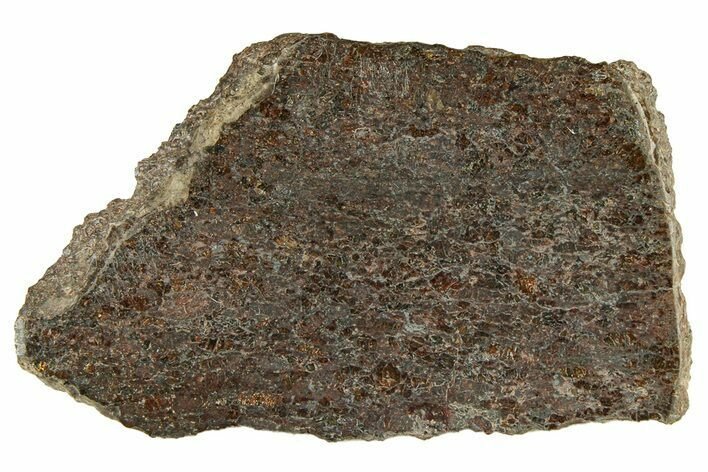
Ureilite haben den höchsten Kohlenstoffgehalt aller natürlichen Gesteine. Veröffentlichte Petrologie gibt den durchschnittlichen Kohlenstoffgehalt mit etwa 3,5 Gew.-% an, wobei einige Proben 8 Gew.-% erreichen, und dieser Kohlenstoff liegt als Diamant-, Graphit- und Lonsdaleit- (hexagonaler Diamant-) Verwachsungen vor. Mehr dazu erfahren Sie in dieser Übersicht über Diamanten in Ureiliten.
Hier ist der Haken. In den diamantenhaltigen Zonen verwenden Sie im Wesentlichen einen Diamantdrahtschlaufe um industriellen Diamanten zu schleifen. Das Korn auf dem Draht kann das Material nicht brechen und scheren, wie es bei Silikaten der Fall ist – es muss durch Körner gleicher Härte schleifen.
Daraus ergeben sich drei spezifische Probleme:
- Verschleiß ist schnell und lokalisiert. Die Diamant-Graphit-Aggregate sind nur 0,3–0,9 mm groß, mit submikronen Kristallen im Inneren, aber sie sind dicht. Sobald der Draht in einen eindringt, wird das Korn schnell stumpf, und die Lebensdauer des Drahtes in diesem Abschnitt sinkt im Vergleich zu einfachem Steinmeteoriten stark ab.
- Einige Proben sind härter als industrielles Nanodiamant. Nehmen Sie NWA 7983 als Beispiel. Eine PNAS-Studie besagt eindeutig, dass die innige Mischung von Mikro- und Nanodiamanten in diesem Meteoriten ihn noch widerstandsfähiger gegen Schneiden und Polieren macht als die meisten Ureilite – vergleichbar mit industriell hergestellten ultraharten Nanodiamanten.
- Die Matrix und die Einschlüsse unterscheiden sich stark in ihrer Härte. Ein einziger Schnitt enthält sowohl leicht zu schneidendes Olivin als auch nahezu unschneidbare Diamantspitzen, sodass die Schnittlast stark schwankt, anstatt konstant zu bleiben.
Eine Sache, die uns am Anfang auf die Probe stellte: das Schneiden dieser Art von Material mit konstanter Vorschubgeschwindigkeit. Wenn der Draht auf einen harten Einschluss traf, bog er sich sofort – manchmal brach er. Das Umstellen auf eine konstante Spannung / konstante Kraft, sodass der Draht verweilt und durch die harte Stelle schleift, anstatt sie zu erzwingen, hat schließlich die Bruchrate gesenkt.
Warum Ethanol statt Wasser verwenden?
Hier geht es um Kontaminationskontrolle, und die Logik ist solide.
Ureilite enthalten FeNi-Metallphasen wie Kamacit, die bei Kontakt mit Wasser oxidieren und rosten. Für Proben, die für die Analyse von Edelgasen, organischen Stoffen oder löslichen Phasen bestimmt sind, verfälscht terrestrisches Wasser die Messungen direkt. Ethanol ist sauber, flüchtig, wasserfrei und verdunstet nach dem Schnitt schnell, ohne Feuchtigkeit auf der Probenoberfläche zu hinterlassen. Genau deshalb bevorzugen viele Meteoritenlabore Ethanol, Mineralöl oder sogar Trockenschnitte.
Anders ausgedrückt: Sie wählen Ethanol nicht, um schneller zu schneiden. Sie wählen es, um die Probe sauber zu halten. In dieser Hinsicht hat Ethanol eine Rolle, die Wasser einfach nicht erfüllen kann. Wenn Sie neu in der Auswahl von Flüssigkeiten sind, sind unsere Hinweise zu Kühlung und Schmierung beim Drahtsägen ein guter Ausgangspunkt.
Die beiden wirklichen Probleme mit Ethanol als Schneidflüssigkeit
Tauschen Sie Wasser gegen Ethanol aus, und das Problem ist nicht, ob es schneidet – es sind diese beiden.
Erstens, Entflammbarkeit. Dies ist das Hauptrisiko. Der Flammpunkt von Ethanol liegt nur bei etwa 13 °C (55 °F), also unter Raumtemperatur, und es siedet bei etwa 78 °C (172 °F), sodass es schnell verdunstet. Eine laufende Drahtsäge erzeugt Reibungswärme, elektrische Komponenten und statische Aufladung. Sobald sich Dampf bis zu seiner unteren Explosionsgrenze an einer tiefen Stelle angesammelt hat, besteht eine reale Brand- und Deflagrationsgefahr. Ethanol-Dampf ist schwerer als Luft, daher sammelt er sich unten an. In einer schlecht belüfteten, geschlossenen Werkstatt sollten Sie dies als Priorität Nummer eins behandeln – nicht als Fußnote.
Zweitens sind Kühlung und Schmierung schwächer als bei Wasser. Die spezifische Wärmekapazität (~2,4 J/g·K) und die Wärmeleitfähigkeit von Ethanol liegen beide weit unter denen von Wasser, sodass es weniger Wärme abführt. Die schnelle Verdunstung verändert auch die Konzentration des Bades im Laufe der Zeit. Und bei einem Diamant-auf-Diamant-Schnitt, bei dem die lokalisierte Reibungswärme genau Ihr Problem ist, war Ihr Kühlspielraum bereits knapp.
Offen gesagt, Ethanol verschärft sowohl das “Brand”-Problem als auch das “Hitze”-Problem gleichzeitig. Deshalb können Sie nicht einfach Ethanol in eine herkömmliche wassergekühlte Säge gießen und mit dem Schneiden beginnen – der Flüssigkeitskreislauf, die Dichtungen und die Kammer müssen alle für Ethanol neu überdacht werden. Standard-Nitril- oder Polyurethan-Dichtungen quellen auf und zersetzen sich; stattdessen benötigen Sie Ethanol-verifizierte Materialien wie EPDM, PTFE oder Komponenten der Viton-Klasse.
Wie eine geschlossene Schnittkammer und Nebelrückgewinnung mit Ethanol umgehen
Zwei Konstruktionsentscheidungen unserer Maschine wirken direkt gegen die beiden oben genannten Probleme.
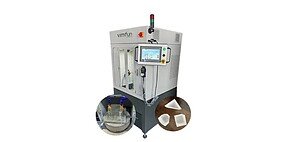
Der Schnittraum ist geschlossen. Die Schnittzone ist eine geschlossene Kammer, kein offener Tank. Das hält Ethanol-Dampf in einem kleinen, überschaubaren Volumen, anstatt ihn sich über den Werkstattboden ausbreiten und ansammeln zu lassen, was das Brandrisiko an der Quelle reduziert. Eine geschlossene Kammer erleichtert auch die spätere Einführung einer kontrollierten Atmosphäre.
Ein Nebelrückgewinnungssystem läuft parallel dazu. Ethanol-Dampf, der während des Schneidens verdunstet, wird aufgefangen, anstatt abzutreiben. Dies löst gleichzeitig zwei Probleme: Es senkt die Dampfkonzentration in der Kammer, was direkt zur Brandsicherheit beiträgt; und es kompensiert Verdunstungsverluste, was die Badkonzentration stabilisiert und die Schnittbedingungen konstant hält. Für etwas so Teures und Flüchtiges wie Ethanol ist die Nebelrückgewinnung kein "nice-to-have" – sie ist eine Notwendigkeit.
Kombinieren Sie dies mit einer konstanten Vorschubspannung, einer niedrigen Schnittgeschwindigkeit und frischer Flüssigkeit, die direkt am Schnittspalt zugeführt wird, und Sie haben die schwache Kühlung und schnelle Verdunstung von Ethanol weitgehend kompensiert. Wie Drahtgeschwindigkeit, Spannung und Vorschub interagieren, erfahren Sie in unserem Leitfaden zu Drahtgeschwindigkeit, Spannung und Vorschubgeschwindigkeit.
Ein 0,25 mm freiliegender Diamantdraht für wertvolle Proben
Wenn Sie Meteoriten schneiden, ist das Material wirklich teuer. Jeder Millimeter Schnittverlust kostet Geld – manchmal unersetzliches Forschungsmaterial. Daher ist ein dünnerer Draht besser.
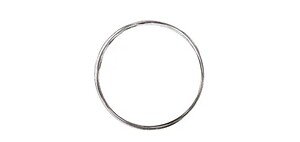
Unser feinster Diamant-Schneidedraht hat einen Durchmesser von 0,25 mm. Enger Schnitt, geringer Schnittverlust – gut geeignet für die Gramm- bis Zehn-Gramm-Bereich, unregelmäßige Meteoritenfragmente, mit denen Labore typischerweise arbeiten.
Die Beschichtung ist noch wichtiger. Unser Diamant ist mit freiliegenden (bloßen) Körnern beschichtet: polyedrische Partikel mit scharfen Kanten, die stolz aus dem Draht herausragen und nicht eingekapselt sind, wie es bei einigen herkömmlichen Drähten der Fall ist. Scharfe, freiliegende Körner beißen sich in gleichhartes Material wie Diamant weitaus aggressiver fest. Das ist besonders wichtig für die hartnäckigen Diamantspitzen in Ureiliten – stumpfe, abgerundete Körner gleiten im Grunde über dieses Material, während scharfe, freiliegende Körner die Chance haben, sich einzuschleifen.
Hinzu kommt die Endlosschleife, die unidirektional mit bis zu 85 m/s läuft (eine hin- und herlaufende Drahtsäge erreicht typischerweise nur etwa 20 m/s) und kontinuierlich frische Körner in den Schnittspalt einbringt, anstatt die gleiche Länge hin und her zu ziehen. Die Schnittpräzisionstoleranz liegt bei ±0,03 mm.
| Merkmal | Warum das für das Schneiden von Ureilit wichtig ist |
|---|---|
| 0,25 mm Drahtdurchmesser | Enger Schnittspalt, minimaler Verlust wertvoller Proben |
| Freiliegende Kornbeschichtung | Scharfes, aggressives Schneiden, das sich in Diamantspitzen beißt |
| Endlosschleife bei 85 m/s | Kontinuierlich frische Körner, weniger Gleiten auf harten Zonen |
| Geschlossene Kammer + Nebelrückgewinnung | Kontrolliert Ethanol-Dampf: Brandschutz + Flüssigkeitsrückgewinnung + stabile Konzentration |
| Konstantkraftvorschub | Kein Durchbiegen oder Reißen des Drahtes bei harten Einschlüssen |
Einschränkungen und Kompromisse
Um ehrlich zu sein – hier ist, was diese Einrichtung nicht löst.
In nano-diamantreichen Zonen werden selbst die schärfsten Drähte merklich stumpf. Wir können diese Abschnitte nicht so reibungslos schneiden lassen wie die Silikatmatrix; der einzige Weg ist, langsamer zu werden und mit konstanter Kraft zu schleifen, was die Effizienz verringert und den Draht schneller durchlaufen lässt. Wenn Ihre Probe stark geschockt ist und besonders viele Nanodiamanten enthält, rechnen Sie mit langsamen Fortschritten und häufigen Drahtwechseln.
Die Brandsicherheit von Ethanol ist eine technische Einschränkung, kein Schalter. Die geschlossene Kammer und die Nebelrückgewinnung reduzieren das Risiko, aber sie löschen die Entflammbarkeit von Ethanol nicht aus. Ihre Werkstattenlüftung, Lagerung und Handhabung müssen weiterhin den örtlichen Vorschriften für brennbare Flüssigkeiten entsprechen – die Maschine kann dies nicht einseitig für Sie abdecken.
Dünner Draht und harte Zonen stehen unter Spannung. Der 0,25-mm-Draht ergibt einen kleinen Schnittspalt, hat aber auch weniger Toleranz für die Lastspitzen bei Diamanteinschlüssen. Bei extrem harten Proben müssen Sie manchmal zwischen einem dünneren Draht, der Material spart, und einem etwas dickeren Draht, der die Stöße übersteht, wählen.
Praktische Empfehlungen und nächste Schritte
Wenn Sie mit Ethanolkühlmittel für den Ureilit-Schnitt fortfahren, empfehlen wir Folgendes:
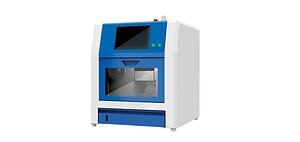
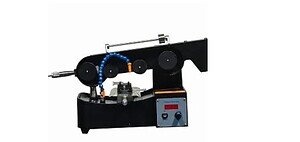
- Bestimmen Sie zuerst die Probengröße und wie diamantreich sie ist. Gramm-große Fragmente sind auf einer Präzisionsmaschine der Desktop-Klasse wie der SG20 – Steifigkeit, Drahtdurchmesser und die Ethanol-Einhausung sind in diesem Maßstab besser zu handhaben.
- Verwenden Sie konstante Kraft, niemals konstante Vorschubgeschwindigkeit. Beginnen Sie langsam und lassen Sie Spielraum für Kühlung und Durchbiegung.
- Spezifizieren Sie von Anfang an die Fluidkreislauf- und Dichtungen für Ethanol. Verwenden Sie keine umgerüstete wassergekühlte Maschine.
- Betrachten Sie die geschlossene Kammer plus Nebelrückgewinnung als Standardausrüstung — es ist sowohl Ihre Feuerkontrolle als auch Ihre Möglichkeit, den teuren, flüchtigen Ethanol zurückzugewinnen.
Das Schneiden von Meteoriten folgt der gleichen Logik wie das Schneiden von Edelsteinen, optischen Kristallen und anderen hochwertigen Edelmaterialien: langsamer, gleichmäßiger und verlustärmer ist jedes Mal besser als schnell. Wenn Sie die Abmessungen, die Form und die Analyseanforderungen für eine bestimmte Probe haben, senden Sie diese und sprechen Sie mit dem Vimfun-Ingenieurteam — wir werden gemeinsam das Maschinenmodell und die Gehäusespezifikation für Ihre Ethanol-Schneidanlage festlegen.