Why does a cutting wire break in the midst of a job? Oftentimes it is not broken. It just became warm. I have been in the industrial cutting business for 7+ years. I have seen heat destroy cables, slow down processes, and cost money. How a segment coated diamond wire loop manages heat will be covered in this article.
How it cools, how coolant circulates, and how flushing keeps it clean. You’ll also learn about the sectors that utilize it and how to choose the correct segment coated diamond wire loop.
What Is a Segment Coated Diamond Wire Loop – and Why Does It Get Hot?
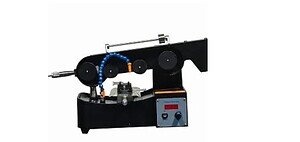
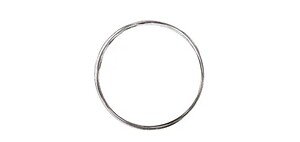
A segment coated diamond wire loop is a loop-shaped cutting wire. It is attached via a steel wire with little diamond segments. Each piece features diamond crystals to grind through stone, glass, concrete, and silicon. The loop runs on pulleys and cuts without pausing.
This heats very quickly. Air and coolant may pass through the spaces between segments. They remove the heat from the zone of cut. Even the greatest industrial diamond wire loop would wear out quickly without it.

Segment Coated Diamond Wire Loop: Key Facts at a Glance
| Feature | Detail |
| Wire Type | Loop-shaped steel cable with diamond segments |
| Bonding Methods | Electroplating, sintering, resin |
| Cutting Materials | Stone, granite, glass, silicon, concrete |
| Heat Source | Friction from diamond segments on material |
| Cooling Method | Coolant flow, flushing, gap airflow |
| Loop Design Purpose | Runs on pulleys for non-stop cutting |
| Key Risk | Heat damage to bond and diamond crystals |
Why Does Coolant Flow Matter So Much in Diamond Wire Cutting?
Coolant flow is highly critical. Without it, the wire quickly burns out. The coolant in a diamond wire cutting loop is used to manage heat, flush out tiny particles, and protect the wire and substance being cut. Most systems spray water-based coolant at the point where the wire touches the material.
The flow rate should be equal to the cutting speed. Too little and heat builds up. Too much and you squander it. Endless Diamond Wire Saw systems include built-in coolant channels to help with this.
How Coolant Reaches the Cut Zone
- The wire contact site is treated with coolant.
- Nozzles are located above and below the cut line
- Flow rate is determined by material type and cutting speed
- Lubrication is sometimes improved by adding water-soluble oils
Coolant Flow Rate Comparison
| Material | Recommended Flow Rate | Coolant Type | Pressure Level |
| Granite | 8–12 L/min | Water + additive | Medium |
| Glass | 5–8 L/min | Pure water | Low |
| Silicon wafer | 3–5 L/min | DI water | Very low |
| Concrete | 10–15 L/min | Water | High |
What Happens Without Proper Coolant Flow?
- Diamond segments overheat and lose bonding
- The steel core might become weak and can break
- The cut surface turns rough and uneven
- In most situations, wire life decreases by 40–60%
How Does Segment Design Help Keep the Wire Cool During Cutting?
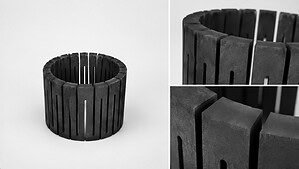
Segment size and spacing on a segment coated diamond wire loop are very critical. The spaces between the segments create little channels. Coolant and air circulate through them to draw heat out. Wide gaps provide fewer cutting points but let more air through.
Narrow gaps cut more, but trap heat. For water-free work using diamond wire for dry cutting, large gaps and specific coatings are used. Longer sections have more diamonds but become hot quicker.
Segment Spacing Options
Option 1 – Wide Gap Segments (For dry or semi dry applications) The wide spaces allow air to pass easily through the wire. This is effective when there is no water utilised. The air flow is a basic cooling method. Concrete cutting outside is widespread.
Option 2 – Narrow Gap Segments (Wet Cutting, High Production) The smaller the space, the more cutting interactions each pass. With a good flow of coolant this will cut swiftly and produce a smooth finish. It is suitable for granite and quarry block cutting.
Option 3 – Variable Gap Segments (Multi-Material) Some cables have mixed large and small gaps. This balances cutting speed with cooling. This is a wonderful option for firms that cut numerous kinds of materials.
Advantages and Disadvantages of Segment Designs
| Segment Type | Advantages | Disadvantages |
| Wide Gap | Good cooling, longer life in dry use | Slower cut, rougher finish |
| Narrow Gap | Fast cut, smooth finish | Needs strong coolant flow |
| Variable Gap | Flexible, works on many materials | Higher cost, harder to make |
| Electroplated Thin | Great for soft or fragile materials | Wears faster under heavy use |
Each segment coated diamond wire loop type has a purpose. Wide gaps cool better. Slim gaps cut quicker. Variable gaps are elastic. Select the one that suits your material and machine.
How Do Real Industries Flush and Cool Diamond Wire Loops?
Flushing during the cut removes debris and heat from the cut zone. It is not optional. It is required. Diamond Wire Cutting Wire is used in a variety of applications, including stone cutting, chip manufacturing, and demolition, each of which works differently. But the objective is always the same.
Maintain a clean, cool cutting zone. If it becomes clogged, a fine dust known as swarf builds up. Swarf acts as a blanket to trap heat. The good flushing action pushes the swarf out and fresh coolant in. This makes the wire last for a longer time.
Industry Case Studies
| Industry | Flushing Method | Coolant Used | Wire Type |
| Stone & Granite Quarry | High-pressure spray nozzles | Water + polymer additive | Sintered segment loop |
| Semiconductor Slicing | Precision micro-flow nozzles | DI water or slurry | Electroplated Diamond Wire Loop |
| Civil Demolition | Continuous water flood | Plain water | Heavy-duty sintered loop |
| Solar Panel Production | Closed-loop recirculation | Cutting fluid mix | Fine segment wire |
Key Flushing Practices Used in Industry
- High-pressure nozzles blowing debris out of cut path
- Coolant is filtered and reused in recirculating systems
- Flush cycles in sync with wire speed.
- Filter systems keep the coolant clean by removing swarf
Flushing Process: Swarf Management
Swarf is the fine debris from cutting. It combines with coolant to make a slurry. You have to filter out the slurry. In silicon wafer cutting, the swarf is of value. It is collected and reprocessed. Today, several diamond wire loop supplier businesses provide swarf management as part of their entire system designs.
What Extra Steps Help Keep Diamond Wire Loops from Overheating?
Heat management is not simply about cooling and purging. Wire tension, speed, and feed rate also influence the heat. Too quickly and you get heat spikes. Too sluggish and friction still builds up heat. If you get it right, it extends the life of the wire.
Diamond Wire for Dry Cutting is coated with unique coating to diffuse the heat. Some machines include heat sensors that will automatically alter the coolant. This is becoming typical in hectic cutting tasks.
Additional Thermal Management Tips
- Match wire speed to material – slower speed for tougher material
- Use high heat coatings for segments
- Look for areas on the wire that are worn smooth and glassy, and increase friction
- Always make break-in passes with a fresh wire before maximum speed
- Monitor the coolant temperature and change it when it becomes too warm
FAQs About Segment Coated Diamond Wire Loop
What makes a segment coated diamond wire loop better at handling heat than a plain wire?
The spaces between the segments allow coolant and air to pass through the cut zone. This flow removes the heat as it builds up. A plain wire has no holes. Heat has no place to go. Segments help minimize the quantity of wire touching the material at one time. Less friction, less touch. Less friction equals less heat generated each cut.
- Segment gaps act as cooling channels
- Less contact area = less friction, less heat
- Coolant circulates free inbetween segments
Can a diamond wire cutting loop be used without any coolant?
Yes, but only if the cable is for it. Diamond Wire For Dry Cutting Cutting with specific coatings and large gaps. These manage heat without the need of water. But dry cutting is slower. The wire wears out quicker as well. Best for short cuts on softer materials or where water is not safe to use. Wet cutting is usually preferred for hard stone, glass, or silicon.
- Dry-rated wire has heat-resistant coatings
- Dry cutting is slower, and the wire goes out quickly
- Wet cutting is more effective on hard materials
What is the role of wire tension in heat control?
A good tension keeps the wire tight and still. A loose wire quivers and shimmies. This causes uneven friction and more heat. A wire that is overly tight stresses the steel core. It may close early. Correct tension relies on the wire size and the pulley arrangement. A reliable diamond wire loop provider will always offer you tension standards with their wire.
- Proper tension minimises shaking and heat spikes
- Too loose causes uneven heat build up
- Always follow the supplier tension instructions
How does an endless diamond wire saw manage heat during long cuts?
The endless diamond wire runs in a loop for hours. The heat grows the whole time. These systems include large coolant pumps. Nozzles are positioned throughout the whole cut path. Others cool the coolant itself via a heat exchanger. Sensors monitor the temperature and modulate the flow accordingly. This maintains the wire at a safe, steady temperature throughout the cut.
- Several nozzles cover the whole cut route
- Heat exchangers cool and circulate coolant
- Sensors regulate flow in real time to avoid overheating
Conclusion
To function properly, a segment coated diamond wire loop must be thoroughly cooled. Good water flow, clean flushing, and the proper segments all help. If anything goes wrong, the wire turns bad rapidly. All industrial diamond wire loops include VIMFUN built-in heat control.
Their segmented diamond wire loop, electroplated diamond wire loop, and endless diamond wire saw are utilised by teams around the globe. Visit VIMFUN now, the segment coated diamond wire loop supplier you can trust.