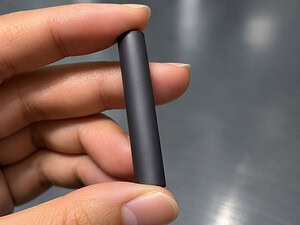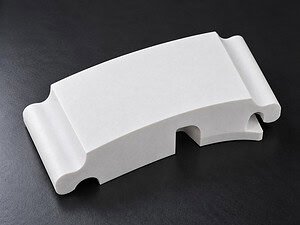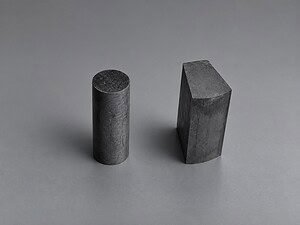
In materials science research, metallurgical analysis, and semiconductor failure analysis (FA), specimen preparation is the foundation of accurate diagnostic data. Preparing microscopy samples—whether for Scanning Electron Microscopy (SEM), Transmission Electron Microscopy (TEM), X-ray diffraction (XRD), or micro-indentation—demands precise sectioning with minimal kerf loss, zero localized thermal stress, and flawless edge retention. Standard abrasive cutoff wheels and high-speed bandsaws generate substantial mechanical shock and deep subsurface damage (SSD), frequently altering the very micro-structure under investigation.
To preserve structural integrity during petrographic, crystallographic, and advanced material preparation, academic research institutes and corporate R&D laboratories rely on laboratory wire saws. This comprehensive buyer’s guide breaks down the essential criteria for selecting the best desktop diamond wire saw for high-precision material sample preparation.
How to Choose the Best Laboratory Wire Saw for Accurate Sample Preparation
Selecting an R&D sample-cutting saw requires evaluating technical parameters that directly influence sample flatness, surface roughness, and crystalline lattice integrity.
1. Understand Your Sample Material Properties
Laboratory specimens span a diverse spectrum of physical properties. Unlike industrial mass-production saws tailored to a single substrate, a laboratory saw must adapt to varying material challenges:
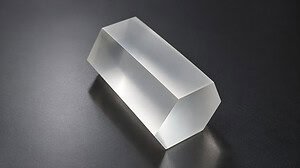
- Ultra-Hard Crystals: Synthetic sapphire, silicon carbide (SiC), gallium nitride (GaN), and laser crystals (Nd:YAG) requiring high-hardness diamond micro-abrasives.
- Delicate Brittle Substrates: Fused quartz tubes, optical glass filters, and un-sintered ceramic green bodies that chip catastrophically under heavy tool pressure.
- Layered and Composite Specimens: Carbon-carbon composites, semiconductor packaging modules, and printed circuit board (PCB) cross-sections prone to delamination.
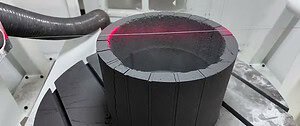
- Geological and Petrographic Core Samples: Mineral thin sections, basalt, and meteorites requiring low-kerf precision sectioning.
2. Consider the Diamond Wire Loop Specification
The cutting tool on an endless laboratory wire saw is an ultra-fine high-tensile core wire coated with microscopic diamond abrasives:
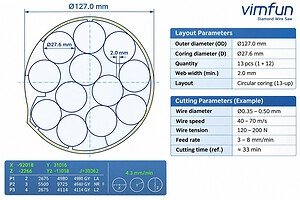
- Wire Core Diameter: Typically ranges from 0.20 mm to 0.45 mm. Thinner wires minimize kerf loss on valuable or scarce research crystals.
- Diamond Grit Sizing: Fine diamond grits (e.g., 20–40 μm [待确认]) deliver superior, near-mirror surface finishes (Ra ≤ 0.2 μm [待确认]), dramatically reducing downstream grinding and chemical-mechanical polishing (CMP) times.
- Endless Loop Advantages: Continuous unidirectional motion eliminates the periodic deceleration, direction reversal, and surface striation inherent to reciprocating spool wire saws.
3. Look for Adjustable Speed and Micrometer Feed Controls
Precise control over cutting forces is critical to prevent sub-surface damage:
- Variable Linear Wire Speed: A continuously variable spindle motor allowing linear speeds from 5 to 40 m/s [待确认] accommodates both fragile crystalline specimens and dense polycrystalline alloys.
- Micro-Downfeed Rate Control: Servo-driven or gravity-assisted counterbalanced feed mechanisms allow controlled downfeed rates (0.05–2 mm/min), preventing excessive contact pressure on delicate razor-thin edges.
4. Check for Closed-Loop Fluid Management
Heat dissipation and swarf removal are vital for metallurgical cross-sectioning:
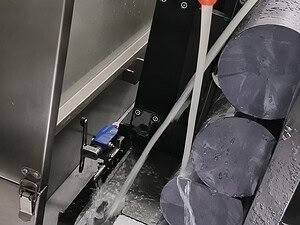
- Ensure the saw includes an integrated recirculating fluid pump and transparent drip nozzles to direct water or specialized cooling fluid directly into the cutting kerf.
- For moisture-sensitive specimens (e.g., anhydrous salts or unbaked green bodies), verify that the machine can operate dry or with non-aqueous cutting lubricants.
5. Ergonomic Desktop Footprint and Fixturing Versatility
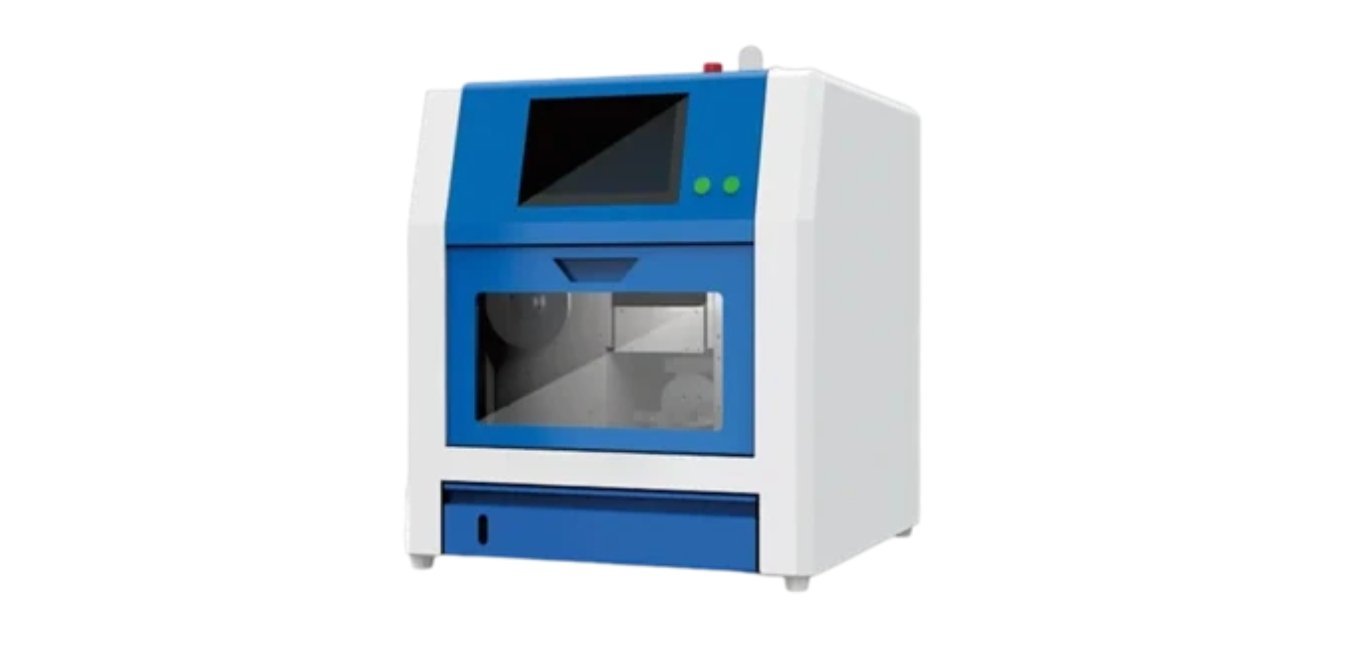
Laboratory bench space is premium. The optimal machine features a self-contained, desktop footprint with transparent safety enclosures and multi-angle goniometer fixturing:
- Rotational specimen holders (goniometer stages) enable researchers to align crystal cleavage planes precisely prior to slicing.

Comparison: Desktop Diamond Wire Saw vs. Conventional Metallurgical Cutters
| Parameter | Desktop Endless Diamond Wire Saw | Abrasive Cutoff Wheel | Low-Speed Diamond Blade Saw |
|---|---|---|---|
| Kerf Loss | Ultra-Narrow (~0.25–0.45 mm) | Substantial (1.5–3.0 mm) | Moderate (0.5–0.8 mm) |
| Subsurface Damage (SSD) | Minimal (<10 μm) | Severe micro-cracking (>100 μm) | Moderate (20–40 μm) |
| Heat-Affected Zone (HAZ) | Zero (cold micro-grinding cut) | High thermal tempering & oxidation | Low with flood cooling |
| Edge Chipping on Crystals | Practically zero | Severe edge blowout | Slight corner chipping |
Precision Laboratory Saws: Vimfun Desktop Series
When selecting laboratory equipment for scientific research and metallurgical diagnostics, build quality and motion repeatability are non-negotiable. Vimfun (manufactured by Zhengzhou Shine Smart Equipment Ltd.) offers specialized compact cutting solutions engineered for materials research:
- Our Table Top Wire Saw series delivers high-precision diamond wire cutting within a compact, vibration-damped benchtop enclosure.
- Engineered for academic labs, fab failure-analysis cleanrooms, and geological survey institutes, Vimfun laboratory saws combine ultra-fine diamond wire loops with sensitive feed regulation.
Explore our complete category of laboratory wire saws or contact our technical team to schedule trial sample sectioning.
Frequently Asked Questions (FAQ)
Why is endless diamond wire recommended for hard crystalline samples?
Endless diamond wire micro-grinds material using sharp microscopic diamond particles moving continuously in a single direction. This avoids mechanical shock, prevents lattice distortion, and leaves clean, planar faces ready for microscopic characterization.
Can a laboratory wire saw prepare TEM and SEM specimens?
Yes. Laboratory diamond wire saws are widely used in university and semiconductor labs to section pre-TEM blocks and SEM cross-sections, minimizing pre-grinding time and preserving specimen surface coatings.
What coolant is best for laboratory sample cutting?
Deionized water or water with a mild water-soluble anti-corrosion lubricant is standard for most ceramics, glass, and mineral specimens. For water-reactive or anhydrous samples, specialized mineral cutting oils or dry sectioning can be utilized.