
Optische Glasschneidelösungen – 5 Schnittmodi für rissfreies BK7, K9 & Präzisionsoptiken
Unsere optischen Glasschneidelösungen verwenden eine Portal-Endlos-Diamantdrahtsäge mit Kühlung durch weißes Mineralöl – für rissfreie Oberflächen ohne Drahtspuren, stabile Kantenqualität und Mehrschnittmodi für Scheiben, Prismen, Zylinder und komplexe optische Geometrien.
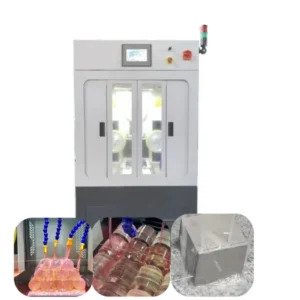
Warum optische Glasschneidelösungen Präzision über Geschwindigkeit erfordern
Optisches Glas – einschließlich BK7, K9, N-BK7 und ähnlicher Borosilikatkrongläser – ist eines der anspruchsvollsten Materialien in der Präzisionsfertigung. Obwohl seine Härte moderat ist (Mohs 5,5–6), machen seine Sprödigkeit und Nulltoleranz gegenüber Oberflächenschäden es einzigartig empfindlich gegenüber jeder Schneidmethode, die mechanische Stöße, Vibrationen oder thermische Gradienten verursacht.
In optischen Anwendungen wird ein einzelner Mikroriss oder eine Oberflächenschadenszone, die sich unter die Oberfläche erstreckt, zu einem Defekt, der das Feinschleifen übersteht und an der polierten Oberfläche erscheint – was die Komponente vollständig unbrauchbar macht. Effektive optische Glasschneidelösungen müssen diese Fehlerarten vom ersten Schnitt an eliminieren und Nacharbeit und Ausschuss in der hochwertigen optischen Produktion reduzieren.
- Mikrorisse durch Klingenaufprall — Diamantklingensägen erzeugen Aufprallkräfte, die Rissnetzwerke unter der Oberfläche in optischem Glas erzeugen und zusätzlichen Schleifvorrat erfordern, der vor dem Polieren entfernt werden muss
- Kantenabsplitterung bei höheren Vorschubgeschwindigkeiten — Optisches Glas ist besonders empfindlich gegenüber Abplatzungen an Schnittkanten; herkömmliche Sägen mit produktionsoptimierten Geschwindigkeiten erzeugen durchweg abgeplatzte Kanten, die angefast werden müssen
- Eingeschränkte Geometriefähigkeit — Sägeblätter schneiden nur gerade Linien; Prismen, abgewinkelte Komponenten, Zylinder und komplexe polygonale optische Elemente können nicht in End- oder nahezu endgültiger Form geschnitten werden
- Wire marks from reciprocating saws — Umkehrende Drahtsägen hinterlassen charakteristische gerichtete Spuren von Richtungsänderungen, was die Polierzeit und Oberflächeninkonsistenz erhöht
Die Endlos-Diamantdrahtsägetechnologie eliminiert alle vier Fehlerarten — und macht sie zur vielseitigsten und zuverlässigsten optische Glasschneidelösungen für die Produktion hochwertiger Optiken.
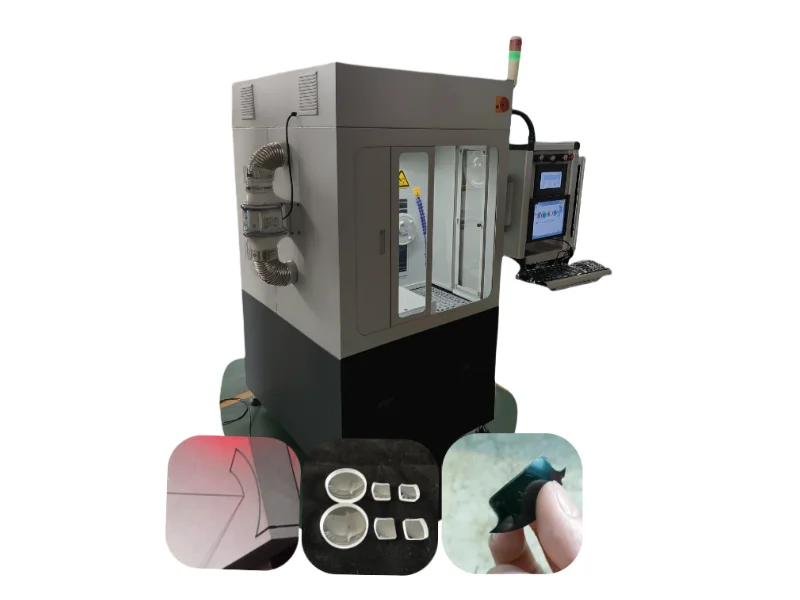
Lösungen zum Schneiden von optischem Glas: Empfohlene Drahtsägeparameter
Optisches Glas erfordert einen feinen Drahtdurchmesser und eine konservative Vorschubgeschwindigkeit, um rissfreie Oberflächen und eine stabile Kantenqualität zu erhalten. Die folgenden Parameter sind Referenzwerte, die bei Vimfun für BK7, K9, Quarzglas und optische Keramikanwendungen validiert wurden.
Optisches Glas (BK7 / K9 / Quarzglas / Äquivalent) — Schnittparameterbereich
| Metrisch | Diamond Blade Saw | Säbeldrahtsäge | ★ Endlose Drahtsäge (Vimfun) |
|---|---|---|---|
| Oberflächenbeschaffenheit | Sägeblatt-Bogenmarkierungen | Drahtumkehrspuren | ✔ Keine Drahtspuren — gleichmäßiges Finish |
| Subsurface damage | Moderat — Stoßrisse | Mäßig | ✔ Minimal — Abrieb bei geringer Kraft |
| Edge chipping | Häufig bei Vorschubgeschwindigkeit | Mäßig | ✔ Chip-frei mit richtigen Parametern |
| Prisma / abgewinkelte Schnitte | ✕ Nicht möglich | ✕ Nur geradeaus | ✔ 5 Schnittmodi inklusive Prisma |
| Dünnschneidefähigkeit | Begrenzt durch Scheibenbiegung | Mäßig | ✔ Bis zu 0,1 mm Schnitte |
| Schnittbreite | 1.5 – 3.0 mm | 0,6 – 1,5 mm | ✔ 0,4 – 0,65 mm |
| Lebensdauer des Drahtes | K.A. | Kurz — Umkehrverschleiß | ✔ 3–5 Tage (8h/Tag) für K9 |
5 Schnittmodi — Eine Maschine bewältigt jede optische Glasgeometrie
Der größte Vorteil von Vimfun optische Glasschneidelösungen gegenüber herkömmlichen Methoden ist die geometrische Flexibilität. Dieselbe Maschine, die Standard-Rechteckrohlinge schneidet, kann auch Prismen, Zylinder und kundenspezifische polygonale Formen schneiden — wodurch die Notwendigkeit mehrerer Schneidwerkzeuge in einer optischen Werkstatt entfällt.
Schneiden
Gerade Querschnitte von Rohlingen, Stäben oder Blöcken auf angegebene Dicke.
Rotationsschnitt
Das Werkstück dreht sich zwischen den Schnitten um einen bestimmten Winkel, was die Herstellung von mehrseitigen Prismen und facettierten optischen Komponenten in einer einzigen Aufspannung ermöglicht.
Schrägschnitt
Eine spezielle Kippachse neigt das Werkstück in einem eingestellten Winkel, wodurch der Draht konische oder keilförmige optische Komponenten mit präzisen Konuswinkeln schneiden kann.
Swing Cut
Gesteuerte Drahtoszillation für spezifische Oberflächentexturanforderungen.
Konturschnitt
Polygone, Achtecke und unregelmäßige Formen, geschnitten aus optischen Glasrohlingen.
Rissfreie Oberfläche
Die unidirektionale Drahtbewegung eliminiert Umkehrspuren. Schnittflächen zeigen keine Drahtspuren und keine sichtbaren Mikrorisse – dies reduziert direkt den Schleifaufmaß vor dem Polieren.
Feiner Draht für dünne Scheiben
Ein Drahtdurchmesser von 0,35 mm minimiert die Seitenkraft auf dünne optische Scheiben und ermöglicht saubere Schnitte bei einer Scheibendicke von 0,1 mm ohne Bruch. Dünnerer Draht schont auch mehr Material von teuren Glasrohlingen.
Lange Drahtlebensdauer
Eine Diamantdrahtschleife hält typischerweise 3–5 Tage bei 8 Stunden/Tag Schneiden von K9-Glas. Bei weniger anspruchsvollen Glasqualitäten verlängert sich die Drahtlebensdauer weiter – dies senkt die Verbrauchskosten pro Teil.
Konstante Genauigkeit
Die servo-gesteuerte Y-Achse mit automatischer Spannungskontrolle hält eine Genauigkeit von ±0,03 mm über lange Serienläufe aufrecht. Ein mechanischer Ursprungsreset stellt die Genauigkeit nach langer Betriebszeit wieder her.
Stapelscheiben
Legen Sie die Schnittdicke, die Gesamtzahl fest und starten Sie die Maschine – automatischer Vorschub und Wiederholung, bis der Stapel abgeschlossen ist. Keine Neupositionierung zwischen den Schnitten erforderlich.
Nachbearbeitung
Die Kühlung mit weißem Mineralöl verhindert thermische Spannungsrisse, die zusätzliche Schleifarbeiten erfordern. Die rissfreie Schnittfläche reduziert direkt den Schleifabfall vor dem Polieren, was die Ausbeute und den Durchsatz verbessert.
Sehen Sie: Schneiden von optischem Glas mit endloser Diamantdraht
Dieses Video demonstriert Vimfun's Lösung zum Schneiden von optischem Glas in der Produktion. Die Portal-Drahtsäge mit unidirektionaler Bewegung – kombiniert mit der Kühlung mit weißem Mineralöl – erzeugt rissfreie Oberflächen ohne Drahtspuren. Automatisches Stapelschneiden läuft unbeaufsichtigt, sobald die Parameter eingestellt sind.
- Portalstruktur bietet starre Unterstützung für präzises Schneiden von optischem Glas
- Kühlung mit weißem Mineralöl verhindert Mikrorisse durch thermische Gradienten
- Keine Umkehrspuren – unidirektionaler Draht erzeugt gleichmäßige rissfreie Oberfläche
- Prisma- und Konturschnittmodi eliminieren die Notwendigkeit sekundärer Formgebungsoperationen
- Automatische Spannung und Servo-Vorschub sorgen für Genauigkeit während des gesamten Stapels
3 Anwendungsbereiche, in denen unsere Lösungen zum Schneiden von optischem Glas Ergebnisse liefern
Optisches Glas ist das Grundmaterial für Linsen, Prismen, Fenster und Filter in Branchen von Verteidigung und Luft- und Raumfahrt bis hin zu Konsumgüteroptik und medizinischer Bildgebung. Vimfun's optische Glasschneidelösungen bedienen jedes Segment mit Maschinenkonfigurationen, die auf die Geometrie und die Oberflächenqualitätsanforderungen jeder Anwendung abgestimmt sind.
Linsenrohlinge, Fenster & Filtersubstrate
BK7 und N-BK7 sind die Standardmaterialien für Präzisions-Optikgläser, Fenster und Filtersubstrate in wissenschaftlichen Instrumenten, industrieller Bildverarbeitung und Verteidigungssystemen. Rohlinge müssen auf präzise Dicke geschnitten werden, mit minimalen Untergrundschäden, um Schleif- und Polierzeit zu reduzieren.
Vimfun's SGI-20 und SG-20 produzieren rissfreie Schnitte aus BK7-Blöcken ohne Drahtspuren – was die Schleifzugabe vor dem Polieren direkt reduziert. Der feine Drahtdurchmesser von 0,35–0,42 mm minimiert die seitliche Schnittkraft und erhält die Oberflächen- und Untergrundintegrität bei hochpreisigen optischen Glasrohlingen.
Optische Glasschneidemaschinen ansehen →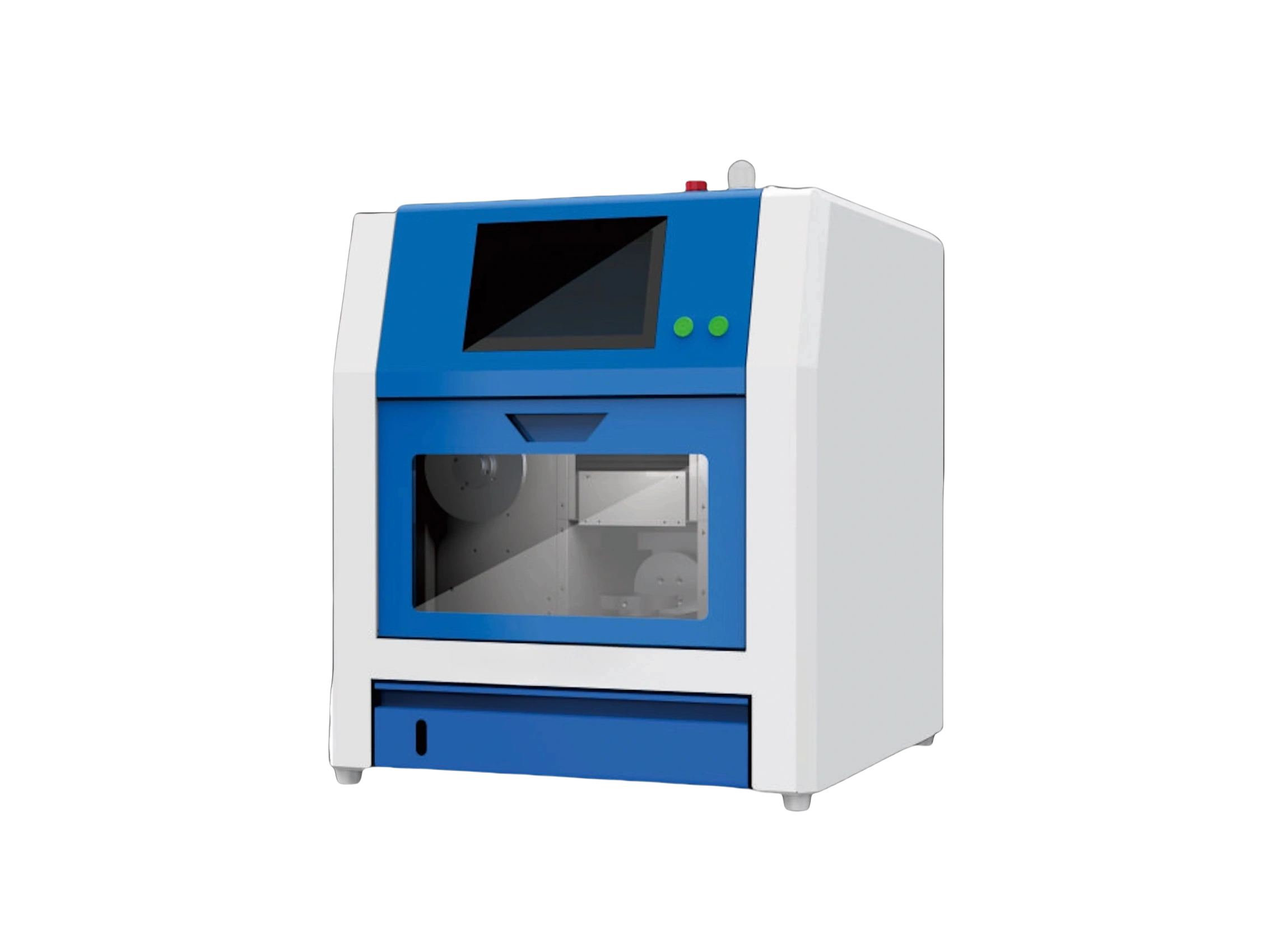
Prismenstäbe, Polygone & abgewinkelte optische Komponenten
Prismen, Strahlteiler und Polygonspiegel erfordern präzise Winkelzuschnitte aus optischen Glasrohlingen. Herkömmliche Sägeblätter können diese abgewinkelten Geometrien nicht direkt herstellen, was zusätzliche Läpp- und Schleifstufen erfordert, die Bruchrisiken bergen und Kosten erhöhen.
Vimfun's Maschinen der SGR-Serie koordinieren die Z- und Y-Achsen, um Prismenprofile, Vierecke, Achtecke und andere unregelmäßige Polygone direkt aus dem Glasrohling in einer einzigen Einrichtung zu schneiden. Dieselbe Maschine bearbeitet Prismenschneiden, Kippschneiden und Konturenschneiden – und eliminiert sekundäre Formgebungsvorgänge für viele Anwendungen im Bereich des optischen Glasschneidens vollständig.
SGR Prismenschneidemaschinen ansehen →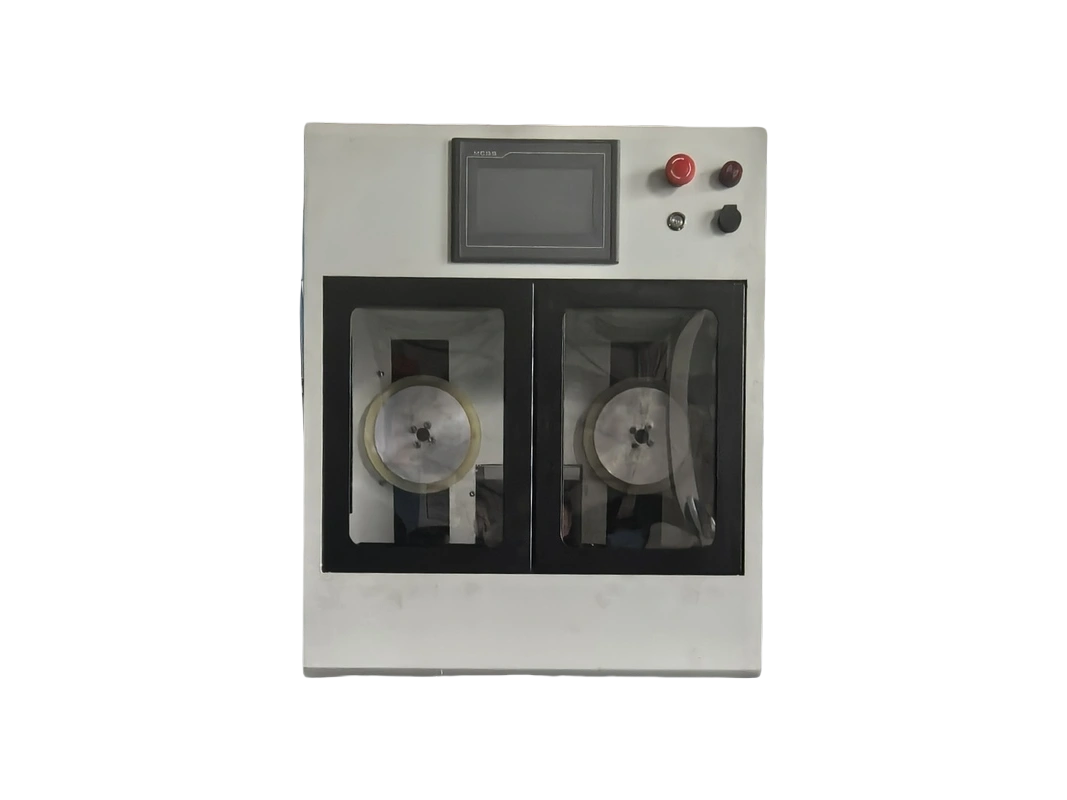
Medizinische Bildgebungsoptiken, Mikroskopkomponenten & Laborinstrumente
Medizinische Bildgebungssysteme, Objektive für Mikroskope und wissenschaftliche Instrumente erfordern optische Glaskomponenten mit engen Maßtoleranzen und null Oberflächenfehlern. Untergrundrisse, die in polierte Oberflächen gelangen, streuen Licht und verschlechtern die Bildqualität in diesen anspruchsvollen Anwendungen.
Die geringe Schnittkraft und der ölgekühlte Ansatz der optischen Glasschneidelösungen von Vimfun minimieren die Tiefe der Untergrundschäden – und erhalten die optische Homogenität des Glases über die gesamte Komponente hinweg. Die Chargenschnitte mit automatischem Vorschub erzeugen eine konsistente Schnittdicke über gesamte Produktionsläufe hinweg, was Inspektions- und Nacharbeitskosten für medizinische optische Komponenten reduziert.
Optikschneiden für medizinische Anwendungen erkunden →3 Portalsägemodelle für jede Anwendung im optischen Glasschneiden
Alle optischen Glasschneidemaschinen von Vimfun verwenden eine Portalstruktur mit feinem Drahtdurchmesser und Servo-Spannungsregelung – abgestimmt auf die Oberflächenqualitätsanforderungen von optischem Glas. Die Maschinenauswahl wird durch die erforderlichen Schnittfunktionen bestimmt: Standardschnitte (SG-20), Prismen- und Polygon-Schneiden (SGR-20) oder integrierte Ölnebelrückgewinnung für Umgebungen in der Nähe von Reinräumen (SGI-20). Alle drei Maschinen sind Teil von Vimfun's komplettem optische Glasschneidelösungen Aufstellung.
- Achsenkonfiguration2-Achsen (Y + Z)
- SchnittmodiSchneiden, Drehschnitt
- Drahtdurchmesser0,35 – 0,6 mm
- DrahtgeschwindigkeitBis zu 80 m/s
- Am besten geeignet fürStandard-Optikglas-Schneiden
- Achsenkonfiguration3-Achsen (Y + Z + R)
- SchnittmodiSchneiden, Drehen, Prisma, Kontur, Neigung
- Drahtdurchmesser0,35 – 0,6 mm
- DrahtgeschwindigkeitBis zu 80 m/s
- Am besten geeignet fürPrismen, Polygone, komplexe Formen
- Achsenkonfiguration2 oder 3-Achsen
- SchnittmodiSchneiden, Drehen, Prisma, Kontur, Neigung
- Drahtdurchmesser0,35 – 0,6 mm
- BesonderheitIntegrierte Ölnebelrückgewinnung
- Am besten geeignet fürSaubere Umgebungen, vollständige Einhausung
Benötigen Sie eine kundenspezifische Lösung zum Schneiden von optischem Glas für nicht standardmäßige Geometrien oder größere Rohlinge? Fordern Sie eine individuelle technische Beratung an →
Muster von Schnitten in optischem Glas aus Vimfuns kostenlosem Testschneideservice
The best proof of any optische Glasschneidelösungen ist die Schnittfläche selbst. Senden Sie Ihre BK7-, K9- oder Quarzglasprobe an Vimfun und erhalten Sie geschnittene Muster mit einem vollständigen Bericht über Oberflächenqualität und Maßgenauigkeit – kostenlos.
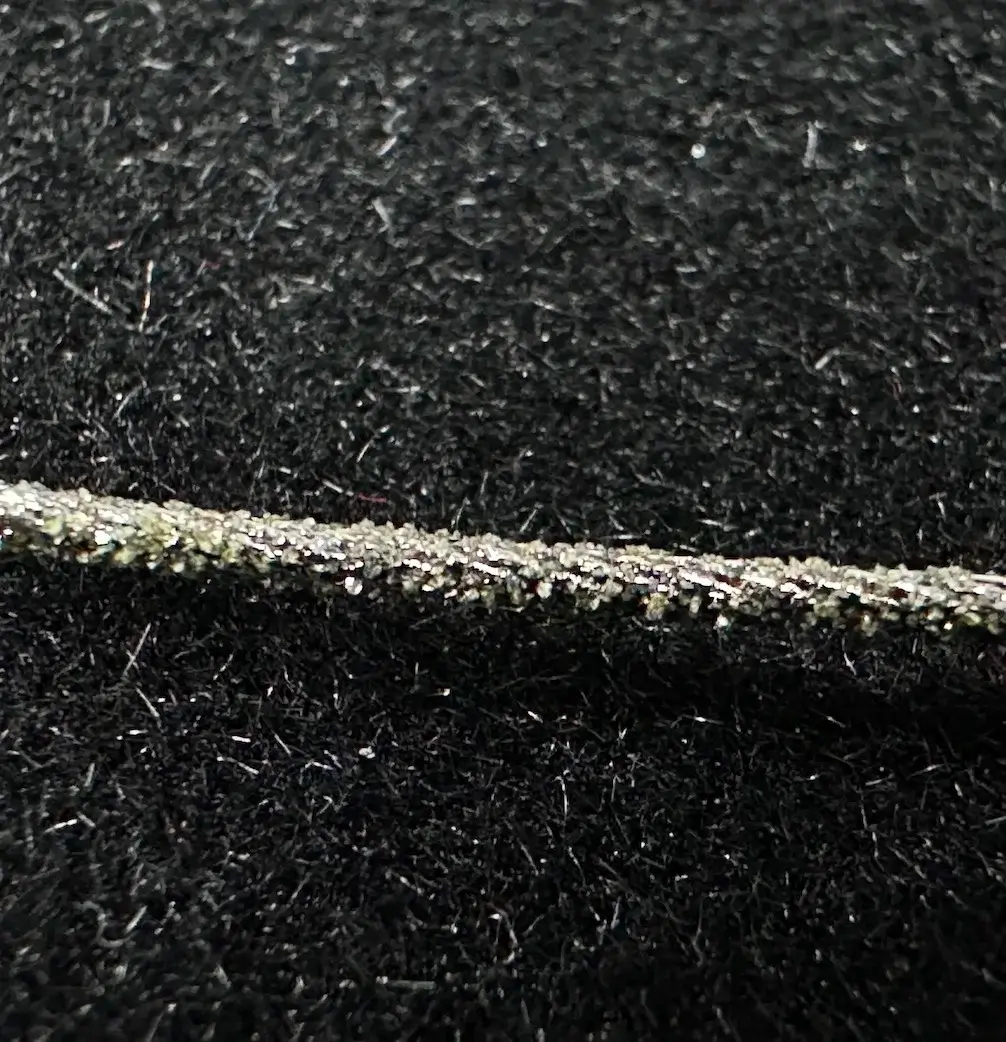

Keine Drahtspuren – bereit zum Polieren
Winkelgenauigkeit von SGR-20
Kostenloser Testschneideservice für optisches Glas
Senden Sie Ihre Probe aus optischem Glas – BK7-Rohlinge, K9-Stäbe, Quarzglasfenster oder jede andere optische Glaskomponente – an Vimfun. Unsere Ingenieure führen einen Probeschnitt durch und liefern einen vollständigen Bericht über Oberflächengüte, Kantenqualität, Schnittfugenbreite und Maßgenauigkeit, einschließlich einer Maschinenempfehlung für Ihre Anwendung.
Häufig gestellte Fragen zu Lösungen für das Schneiden von optischem Glas
Endless diamond wire saw is the most effective optische Glas-Schneidelösung für BK7, K9 und äquivalente optische Glasmaterialien. Die Maschinen der SG- und SGR-Serie mit Portalbauweise liefern rissfreie Oberflächen ohne Drahtspuren, eine stabile Kantenqualität und Mehrschnittmodi, einschließlich Längsschnitt, Prismenschneiden, Drehschnitt und Konturschnitt. Die Kombination aus feinem Drahtdurchmesser (0,35–0,6 mm) und Kühlung mit weißem Mineralöl minimiert Schäden unter der Oberfläche und eliminiert Mikrorisse, die zusätzliche Schleifzeit vor dem Polieren erfordern.
Die Vorschubgeschwindigkeit für das Schneiden von optischem Glas beträgt 2–10 mm/min. Hochwertiges optisches Glas wie BK7 und K9 profitiert von den niedrigeren Werten im Bereich (2–4 mm/min), um rissfreie Oberflächen zu erhalten. Für optisches Glas der Standardqualität mit geringeren Anforderungen an die Oberflächenqualität können höhere Vorschubgeschwindigkeiten innerhalb des Bereichs verwendet werden. Weißes Mineralöl ist das Standardkühlmittel – es verhindert thermische Spannungsrisse und sorgt für eine saubere Schneidumgebung. Unsere Ingenieure optimieren die Vorschubgeschwindigkeit während des kostenlosen Testschnittservice für Ihre spezifische Glasqualität und Geometrie.
Yes — this is one of the key advantages of Vimfun's optische Glasschneidelösungen. Die SGR-20-Maschine koordiniert die Z- und Y-Achsen, um Prismenprofile, Schrägschnitte und kundenspezifische Polygonformen direkt aus Rohlingen aus optischem Glas herzustellen. Die Maschine kann Prismenstäbe, Vierecke, Achtecke und unregelmäßige Polygone in einer einzigen Einrichtung schneiden. Diese Fähigkeit eliminiert sekundäre Läpp- und Formgebungsoperationen für viele prismatische und polygonale optische Komponenten, wodurch die gesamte Herstellungszeit und das Bruchrisiko reduziert werden.
Mit einer endlosen Diamantdrahtsäge geschnittenes optisches Glas zeigt keine Drahtspuren und keine sichtbaren Mikrorisse. Die Kantenqualität ist stabil und der Nachbearbeitungsaufwand ist im Vergleich zum herkömmlichen Klingenschneiden erheblich reduziert. Die Schnittfläche zeigt eine gleichmäßige abrasive Textur – frei von den gerichteten Spuren, die von hin- und hergehenden Drahtsägen hinterlassen werden. Dieses konsistente, spurenfreie Ergebnis ist einer der entscheidenden Vorteile von Vimfun optische Glasschneidelösungen gegenüber herkömmlichen Methoden. Für Präzisionsoptikanwendungen ist die Oberfläche je nach Toleranzanforderungen bereit für das Feinschleifen oder Direktpolieren.
Für dünne optische Glasscheiben (≤0,1 mm) wird ein feinerer Drahtdurchmesser von 0,35–0,42 mm empfohlen, um die seitliche Schnittkraft zu minimieren und die Schnittfugenbreite zu reduzieren. Dünnerer Draht reduziert das Bruchrisiko bei dünnen Scheiben und schont mehr Material von teuren optischen Glasrohlingen. Für das Schneiden von optischem Glas mit Standarddicke bietet ein 0,5–0,6 mm Draht eine bessere Haltbarkeit und eine längere Lebensdauer. Wenn Sie unsicher sind, ermittelt unser kostenloser Testschnittservice den optimalen Drahtdurchmesser für Ihre spezifische Glasart und Scheibendicke.
Beim Schneiden von K9-Glas unter Standardbetriebsparametern hält eine einzelne Diamantdrahtschleife unter einem 8-Stunden-Tagesplan typischerweise 3–5 Tage. Die Lebensdauer des Drahtes variiert je nach Härte des Glases, Querschnitt des Werkstücks, Drahtspannung und Schnittgeschwindigkeit. Einige Kunden entscheiden sich dafür, den Draht zu ersetzen, sobald die Schärfe nachlässt, anstatt auf Drahtbruch zu warten – dies gewährleistet eine gleichbleibende Oberflächenqualität während der gesamten Charge. Jede Führungsrolle enthält mehrere Nuten; wenn eine Nut verschleißt, schaltet man auf die nächste Nut um, was den Führungsrollen unter typischen Bedingungen beim Schneiden von optischem Glas eine Lebensdauer von 3–6 Monaten verleiht.
Bereit, Ihren Prozess zum Schneiden von optischem Glas zu verbessern?
Sprechen Sie mit einem Vimfun-Schneidetechniker über Ihre Anforderungen an die Verarbeitung von optischem Glas – Glasqualität, Werkstückgeometrie, Scheibendicke, Ziele für die Oberflächenqualität und Produktionsvolumen. Erhalten Sie einen kostenlosen Testschnitt oder eine kundenspezifische Maschinenempfehlung.