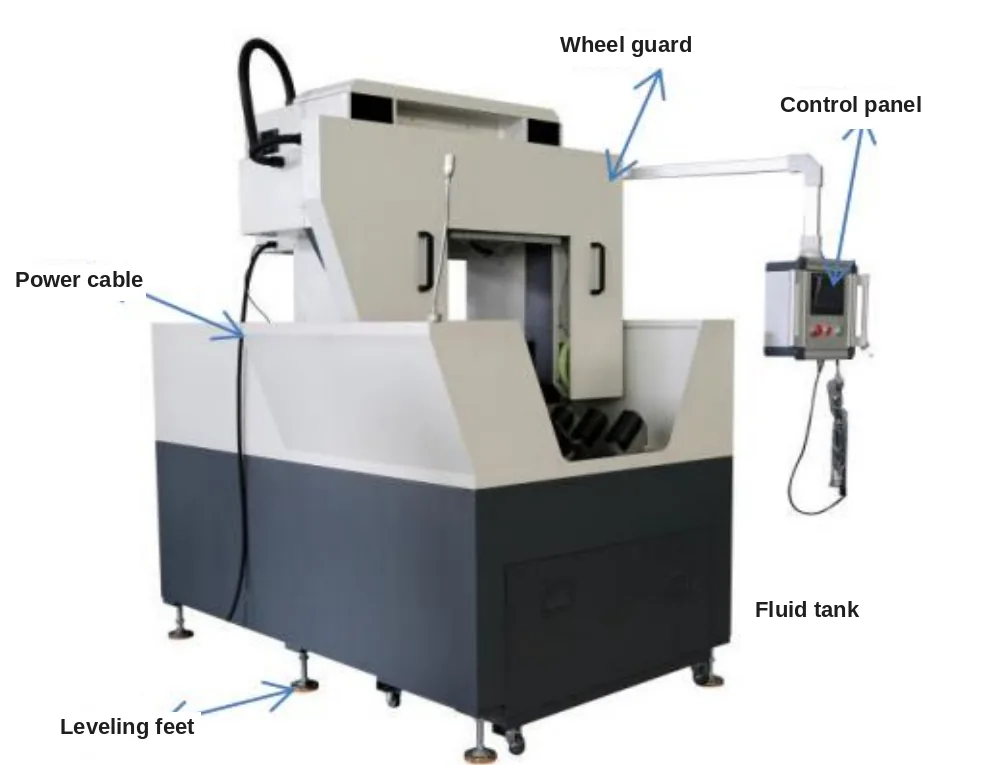
SGC 70 ingot cropping wire saw with three wire wheels and V-trough rod bed

Model SGC 70

SGC 70 Ingot Cropping Wire Saw for Silicon and Germanium Ingots

Single-wire cross-cutting machine for cropping, sectioning and test slices on rods up to Ø600 × 2000 mm.

  • Ø600 × 2000mm max. rod
  • 1000 kgload capacity
  • ≤ 0.1 mmcut-face flatness
Get a Quote

The SGC 70 is an ingot cropping wire saw built for cross-cutting large silicon and germanium ingots. A closed diamond wire loop runs over three Ø230 mm wheels at up to 54 m/s, and two servo axes feed it through rods up to Ø600 × 2000 mm and 1000 kg. You load the rod once. The cutting head then travels along it to crop the head and tail, cut it into sections and take test slices.

Like every Vimfun endless diamond wire saw, it cuts with a single wire loop, one cut at a time. That keeps the kerf narrow and the cut faces flat, which matters most when the material is priced by weight.

SGC 70 Key Specifications

Standard configuration of this ingot cropping wire saw. The machine carries CE certification.

No.ItemContent
1Max. rod size (diameter × length)Ø600 × 2000 mm
2Stroke (diameter × length)Ø700 × 2000 mm
3Load capacity1000 kg
4Cut-face flatness≤ 0.1 mm
5Surface roughnessRa 0.8 μm
6Cutting principleDiamond wire, mechanical cutting
7Diamond wire diameterØ0.5–0.8 mm
8Max. wire speed54 m/s, adjustable
9Wire drive motor1.1 kW, 4500 r/min
10Wire wheelsØ230 mm × 3
11TensioningPneumatic
12Feed rate0–0.2 mm/s, handwheel wire alignment
13Feed axesY and Z servo; Y travel 2000 mm (cutting head moves, rod stays still)
14Control systemPLC + 10-inch touch screen + pendant
15Power supplySingle-phase 220–240 V, 50/60 Hz
16Total power3 kW
17Compressed air0.8 MPa
18CoolingCutting fluid, with cutting fluid tank
19ProtectionIP55 design rating
20Overall dimensions (L × W × H)Approx. 2005 × 1848 × 2157 mm
21Machine weightApprox. 1800 kg

Main components come from HIWIN (linear guides), TBI (C5 ball screw), NSK or YFZB (wire wheel bearings), VIGOR (PLC), MCGS (touch screen) and DELIXI and Schneider (electrical parts). The bed, rod table and wire frame are Q235 steel weldments, stress-relieved by tempering.

SGC 70 Video: Silicon Ingot Cropping

Watch the SGC 70 crop a large silicon ingot and see the cut face it leaves.

Click to watch more videos of our cutting machines in action.

Materials and Cutting Operations

Built for monocrystalline silicon, multicrystalline silicon and germanium ingots. Germanium ingots are typically Ø300 mm or smaller, so a full 2000 mm germanium rod stays within the 1000 kg load capacity.

  • Monocrystalline silicon
  • Multicrystalline silicon
  • Germanium
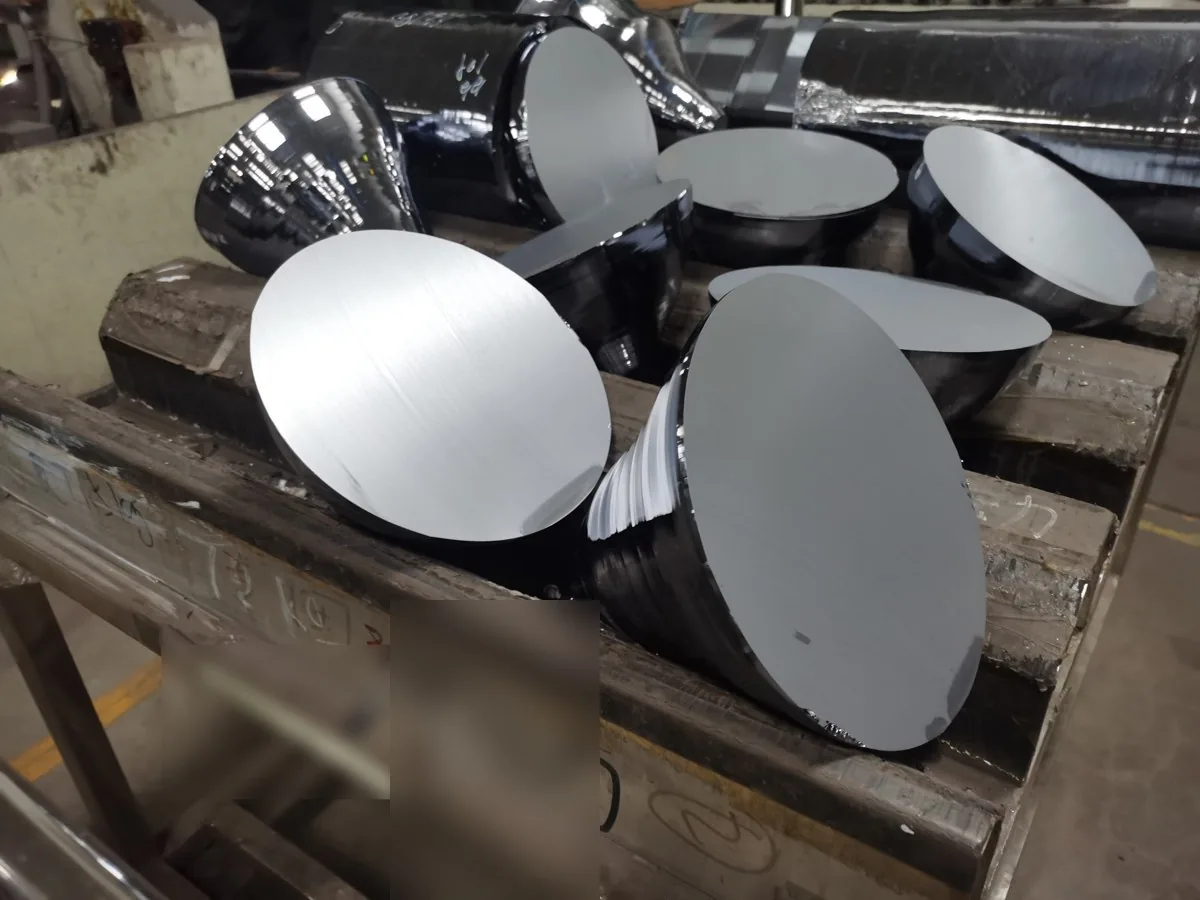
Cropped silicon ingot sections cut on the SGC 70

Cropping

Heads and tails

Cuts off the non-conforming head and tail sections of a grown ingot before inspection.
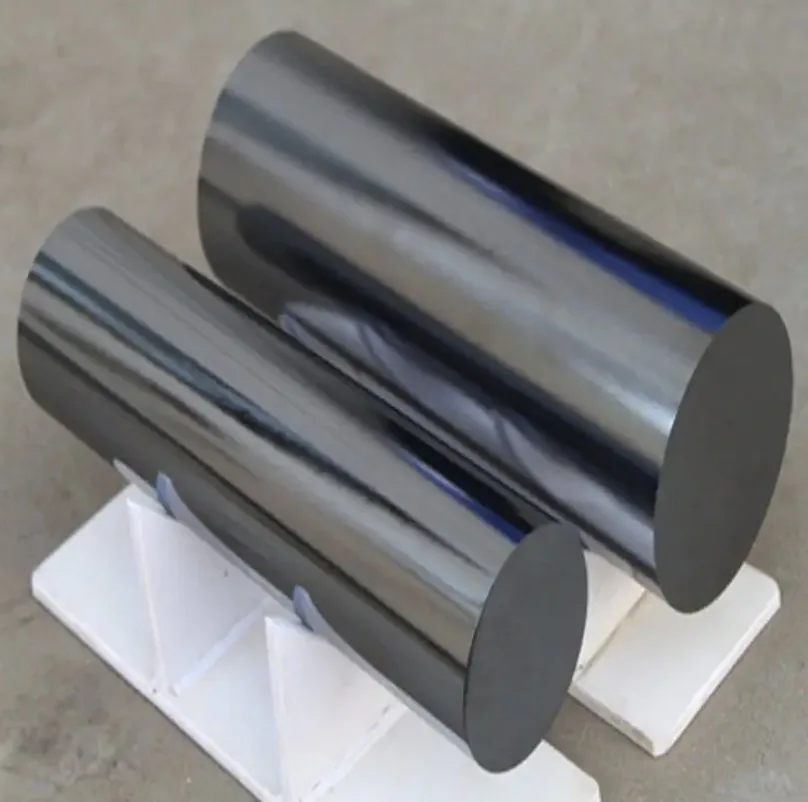
Silicon ingot sections with flat cut ends

Sectioning

Whole rod into lengths

Cuts a rod up to 2000 mm long into several lengths in one loading, with the cutting head moving along the rod.
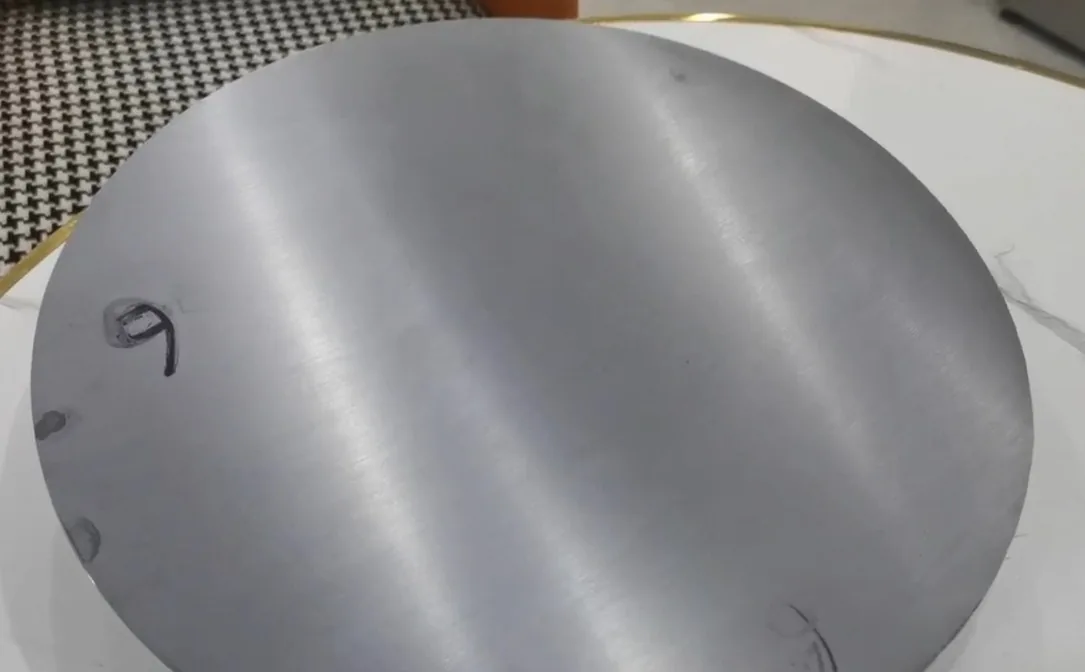
Silicon ingot cut face after cropping on the SGC 70

Test Slices and Opening

Samples for inspection

Takes thin slices from the rod for inspection, or opens material and divides it into blocks.

Why Use an Ingot Cropping Wire Saw for High-Value Rods

Cropping is the first cut in the ingot process chain, so how you crop affects yield and every step after it. An ingot cropping wire saw deals with six practical problems.

0.5–0.8 mm

Narrow Kerf with Diamond Wire

The kerf can be no narrower than the wire, so on the SGC 70 ingot cropping wire saw the lower limit is 0.5 mm. Less of a priced-by-weight rod turns into swarf.

1 loading

V-Trough Support Rollers

The rod rests on rollers in a V-shaped trough with no special fixture. The cutting head travels 2000 mm along the rod, so one loading covers cropping and sectioning.

≤ 0.1 mm

Flat Cut Faces

Flatness ≤ 0.1 mm and Ra 0.8 μm, against a typical requirement of ≤ 0.2 mm. Flatter faces from the ingot cropping wire saw leave a smaller lapping allowance.

Low bed

Easy Crane Loading

Rods can weigh close to a tonne. The low bed lets an overhead crane or hoist set the rod straight onto the rollers, with fewer lifts and less risk of chipping.

IP55

Wet Cutting, Sealed Parts

Cutting fluid carries swarf away, so the ingot cropping wire saw does not fill the workshop with dust. Bearings, guides and screws are sealed to an IP55 design rating.

10-inch

PLC Touch Screen Control

Operators run the ingot cropping wire saw from the pendant and panel and align the wire with a handwheel. No programming is needed; videos, a manual and remote guidance are supplied.

Material Lost per Cut

Lower limit = π/4 × rod diameter² × wire diameter. For example, a Ø300 mm monocrystalline silicon ingot cut with 0.5 mm wire loses about 35.3 cm³ × 2.33 g/cm³ ≈ 82 g per cut. Wire vibration and the diamond layer add a little; confirm by trial cutting.

Rod diameterWire 0.5 mmWire 0.8 mm
Ø600 mm≈ 141 cm³≈ 226 cm³
Ø450 mm≈ 80 cm³≈ 127 cm³
Ø300 mm≈ 35 cm³≈ 57 cm³
Ø200 mm≈ 16 cm³≈ 25 cm³

Thinner wire saves material, but tension and feed must come down, so cutting is slower and the risk of breakage is higher. Thicker wire is stiffer and suits large sections and faster feed.

What the Numbers Mean for Your Ingots

A specification sheet only helps if you can turn it into answers for your own rods. Here is how to read the main figures of an ingot cropping wire saw.

Will Your Rod Fit? Size vs 1000 kg

A rod must stay within both the size and the weight limit. Dense materials reach 1000 kg before they reach full size.

MaterialDensityLimit
Monocrystalline silicon2.33 g/cm³≈ 1520 mm long at Ø600, or ≈ Ø520 at 2000 mm
Germanium (up to Ø300)5.32 g/cm³Ø300 × 2000 mm ≈ 750 kg, within capacity

The Ø700 stroke leaves 50 mm on each side for wire run-in, run-out and out-of-round rods.

How Long Does One Cut Take?

Maximum feed is 0.2 mm/s (12 mm/min). Theoretical minimum per cut:

Rod diameterMin. time per cutCuts per wire*
Ø600 mm≈ 50 min≈ 19
Ø450 mm≈ 37.5 min≈ 25
Ø300 mm≈ 25 min≈ 38
Ø200 mm≈ 16.7 min≈ 57

*Diamond wire life is 16 hours of continuous cutting; values are upper limits at maximum feed. Set the real feed for your ingot cropping wire saw by trial cutting.

Where the 54 m/s Wire Speed Comes From

π × 0.230 m × 4500 r/min ÷ 60 ≈ 54.2 m/s at the wheel rim. It is the upper limit, not the working point: wire speed is matched to feed, wire diameter and material during trial cutting.

Workshop Requirements

Power: single-phase 220–240 V, 50/60 Hz, 3 kW, about 16 A at 220 V. Air: 0.8 MPa. Lifting: overhead crane or hoist. Floor: about 756 kg/m² average with a 1000 kg rod; install indoors on a level floor away from vibration. Fluid: plan collection of spent cutting fluid.
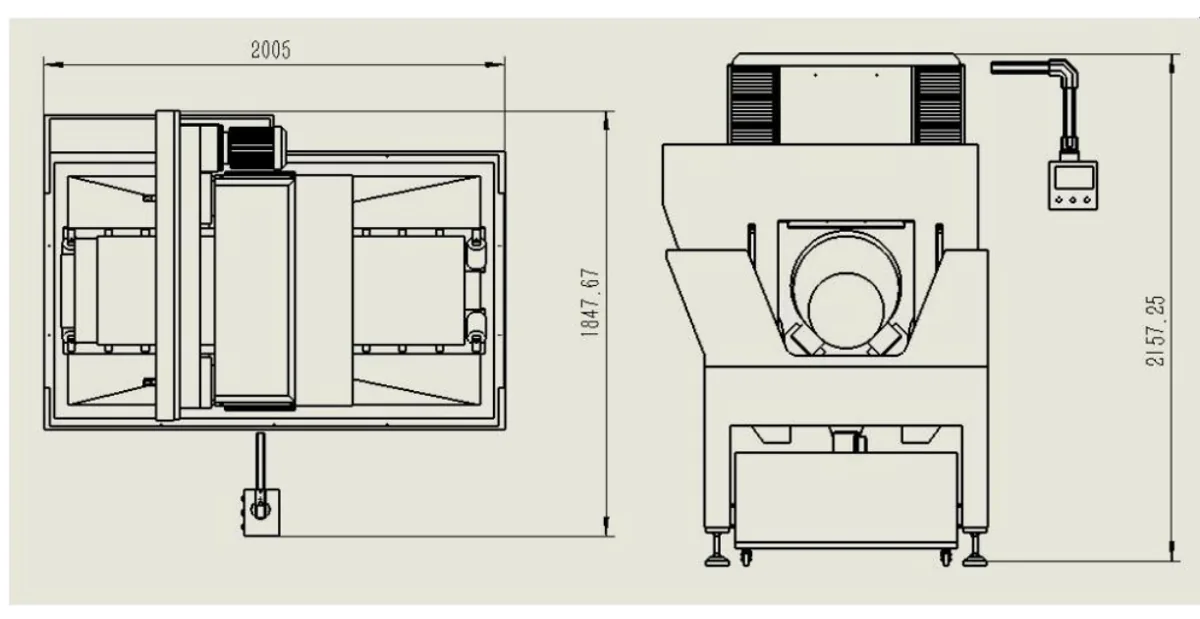
SGC 70 outline drawing, approx. 2005 × 1848 × 2157 mm
Outline drawing, top and front views

Where Cropping Fits in the Ingot Process Chain

  1. Crystal growth
  2. SGC 70: cropping, sectioning
  3. Inspection / orientation
  4. Slicing
  5. Lapping
  6. Polishing

The ingot cropping wire saw makes the first cut in the chain, so a narrow kerf and flat faces reduce the allowance needed at every later step. For R&D and small batches, one SGC 70 ingot cropping wire saw handles cross-cutting and sampling. In volume production, slicing usually runs on a separate multi-wire saw.

SGC 30, SGC 45 or SGC 70: Choosing a Model

All three are single-wire ingot cropping wire saw models for cropping and sectioning. Choose by rod diameter.

SGC 30

Ø300 × 2000 mm

Small-diameter silicon and germanium ingots, lab work

SGC 45

Ø450 × 2000 mm

Mid-size ingots

This model

SGC 70

Ø600 × 2000 mm, 1000 kg

Large ingots

What the SGC 70 Is Not Designed For

Batch Thin Slicing

An ingot cropping wire saw makes one cut at a time. To slice a block into many wafers at once, choose the SOM200 or SOM400 multi-wire saw.

Irregular Contours

To cut shapes from a drawing, choose the SGI 20 contour cutting machine with DXF import.

Angled or Oriented Cuts

There is no rotary or tilt table. For prisms and inclined end faces, choose the SGRT 20 multi-axis diamond wire saw.

FAQ

How much material does each cut lose?

At least the wire diameter times the rod cross-section. On a Ø300 mm silicon ingot with 0.5 mm wire, that is about 82 g per cut. Real kerf is slightly wider and is confirmed by trial cutting.

Can the SGC 70 slice wafers?

No. It is an ingot cropping wire saw that makes one cut at a time. Wafer slicing needs a multi-wire saw.

How long does one cut take on a Ø300 mm silicon ingot?

At least 25 minutes at the maximum feed of 0.2 mm/s. Most users cut slower to protect the wire and the cut face.

What power and air supply does it need?

Single-phase 220–240 V at 50 or 60 Hz, 3 kW, plus 0.8 MPa compressed air for wire tensioning.

How long does the diamond wire last?

On an ingot cropping wire saw like the SGC 70, about 16 hours of continuous cutting, roughly 19 to 57 cuts depending on rod diameter at maximum feed.

Can it crop germanium ingots?

Yes. Germanium ingots are usually Ø300 mm or smaller, and a Ø300 × 2000 mm germanium rod weighs about 750 kg, within the 1000 kg capacity. For small-diameter ingots, the SGC 30 or SGC 45 is the more compact choice.

Request a Cutting Trial or Quote

Send us the details below. We will confirm whether the SGC 70 ingot cropping wire saw fits your rods and suggest a wire diameter and feed for a trial cut.

  • Material
  • Rod diameter and length
  • Cuts per rod
  • Monthly output
daria@endlesswiresaw.com
滚动至顶部

Get In Touch With

Don’t worry! We know that obtaining cutting machines that meet your needs can be very challenging. Our professional cutting experts are always available to support you: