
Производство германиевых линз — Единый центр от резки до покрытия
Оптический германий стоит 1800–2400 долларов США за килограмм. Когда один слиток стоит дороже, чем пила, которая его режет, ширина пропила перестает быть инженерной деталью и становится строкой в спецификации, определяющей рентабельность. Мы предоставляем всю цепочку — проволочная пила, центрирование, сферическое шлифование, полировка, антибликовое покрытие — под одним техническим руководством.
Германий выглядит легко на бумаге. На практике, три вещи делают его трудным.
Он дорогой — и становится еще дороже
Спрос со стороны оборонной промышленности и тепловизионной техники резко поднял цены на Ge в течение 2023–2024 годов. Каждый миллиметр пропила — это реальная сумма в долларах. Разрез шириной 5 мм через булю стоимостью $2000/кг приводит к потере измеримого процента выручки с каждого среза.
Он скалывается по плоскостям (111)
Монокристаллический Ge чисто раскалывается по граням (111). Корончатое сверло, проходящее через булю, каждый раз отбрасывает микросколы на выходной грани. Зоны сколов на выходной стороне от 0,3 до 0,8 мм на керновых дисках — это обычное явление; весь этот материал шлифовщик линз удаляет перед формовкой.
Повреждение скрывается до полировки
Ge поглощает в видимом диапазоне. Подповерхностные повреждения от плохого реза не проявляются до тех пор, пока линза не достигнет стадии полировки, к этому моменту вы уже потратили часы на шлифовку детали, которая будет рассеивать свет. Ссылка: Техническая спецификация Crystran Ge.
От необработанного слитка Ge до покрытой линзы, под одним инженером-владельцем.
Три фактора отличают эту цепочку от покупки каждой машины отдельно: одна и та же инженерная команда отвечает за бюджет допусков от начала до конца; оснастка переносится между станциями; одно предложение, одно окно доставки. Для цехов, создающих новую линию ИК-оптики, это сводит запрос предложений от 6 поставщиков к одному техническому разговору.
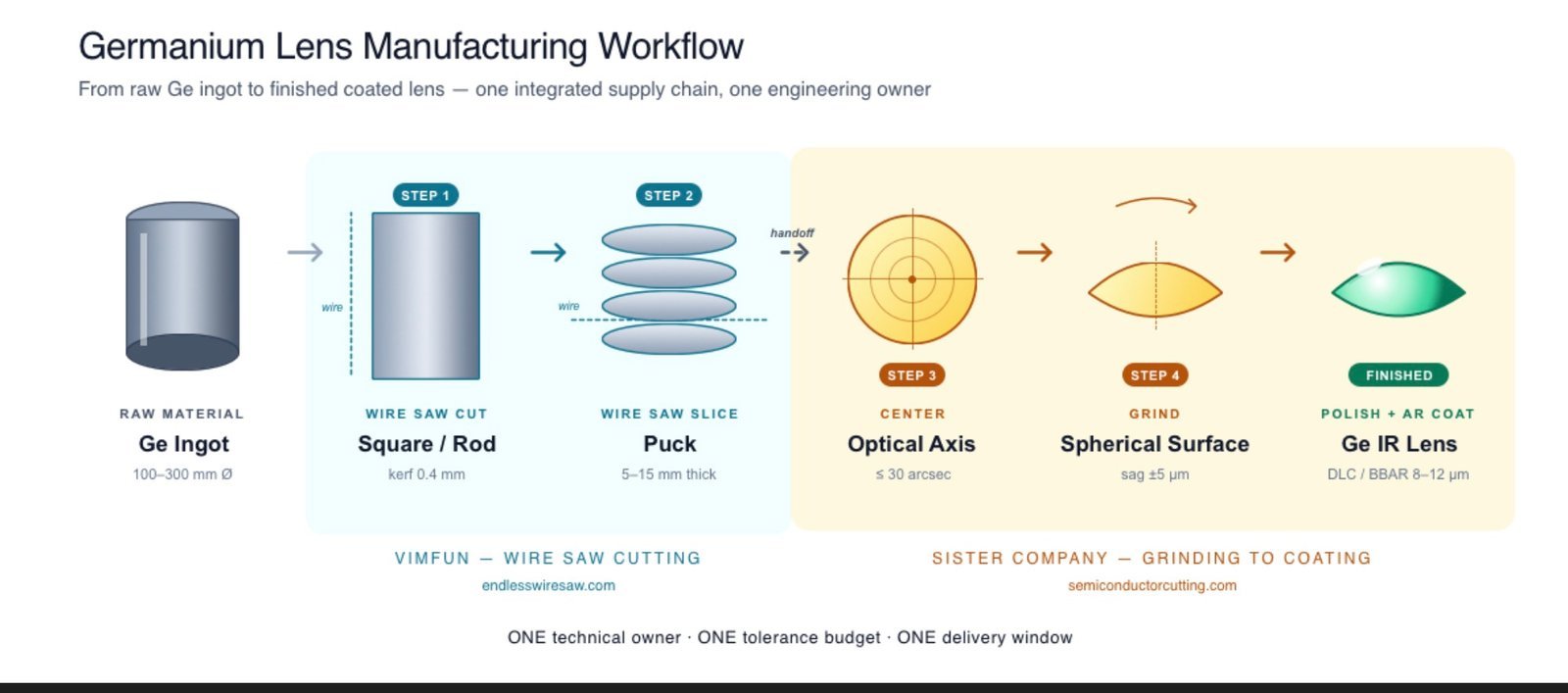
Что происходит на каждой станции, с параметрами, которые действительно имеют значение.
Слиток в стержень — выравнивание и замена сердцевины
Большинство слитки Ge представляют собой цилиндры диаметром 100–300 мм и длиной от 100 до 400 мм. Первая задача — либо придать слиток квадратную форму для прямоугольной оптики, либо извлечь стержни меньшего диаметра из большого слитка. Здесь ленточная пила с бесконечным полотном заменяет сверло для вырезки сердцевины.
Вместо того чтобы стачивать кольцо шириной 5–10 мм вокруг сердцевины, наша контурная ленточная пила SGI 40 обводит периметр каждого стержня петлей диаметром 0,42–0,5 мм. Потеря материала на рез составляет около 0,5 мм. На слиток диаметром 200 мм это разница между получением четырех стержней диаметром 80 мм из одного слитка или пяти.
Скорость контурной резки составляет 4–8 мм/мин по периметру, поэтому извлечение стержня диаметром Φ34 мм (периметр ≈ 107 мм) занимает примерно 18 минут на стержень при типичной установке 6 мм/мин.
| Диаметр проволоки | 0,42 – 0,5 мм |
| Натяжение проволоки | 110 – 140 Н |
| Скорость движения проволоки | 40 – 60 м/с |
| Скорость подачи при контурной резке | 4 – 8 мм/мин |
| Охлаждение | Белое минеральное масло |
| Типичная ширина реза | 0,5 – 0,6 мм |
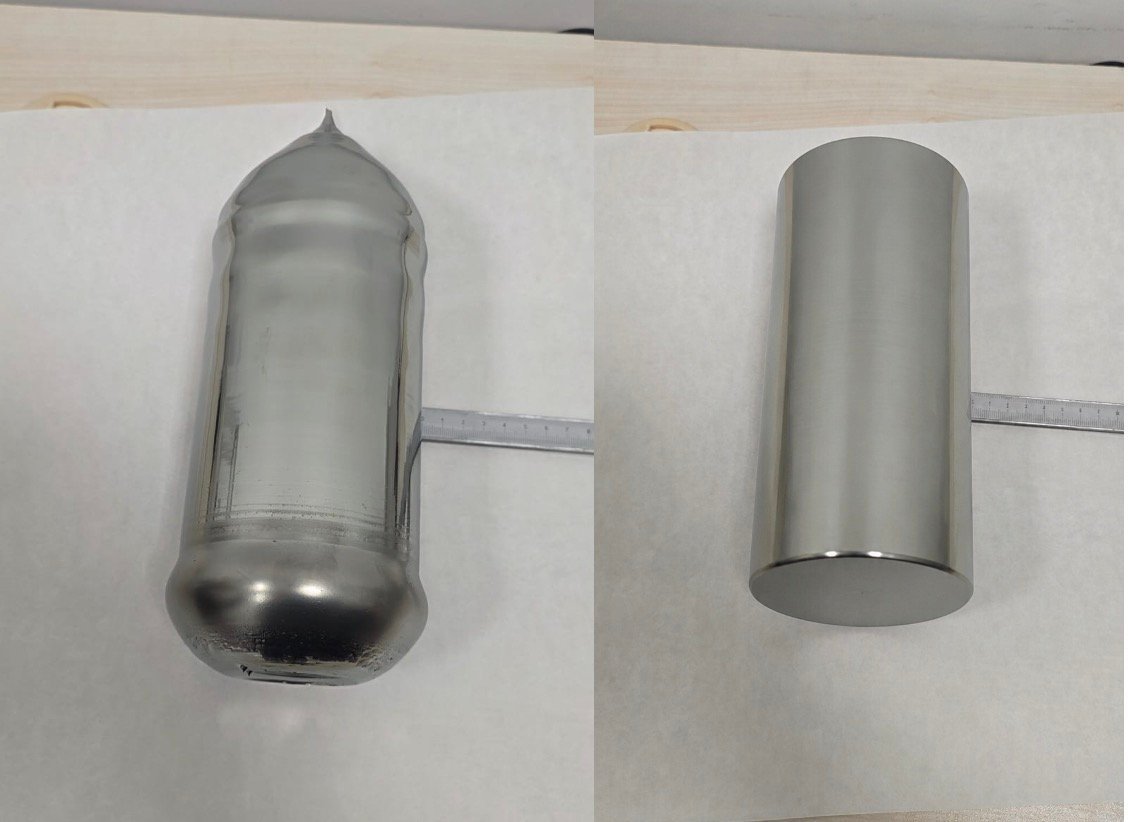
Стержень в диск — поперечное разрезание
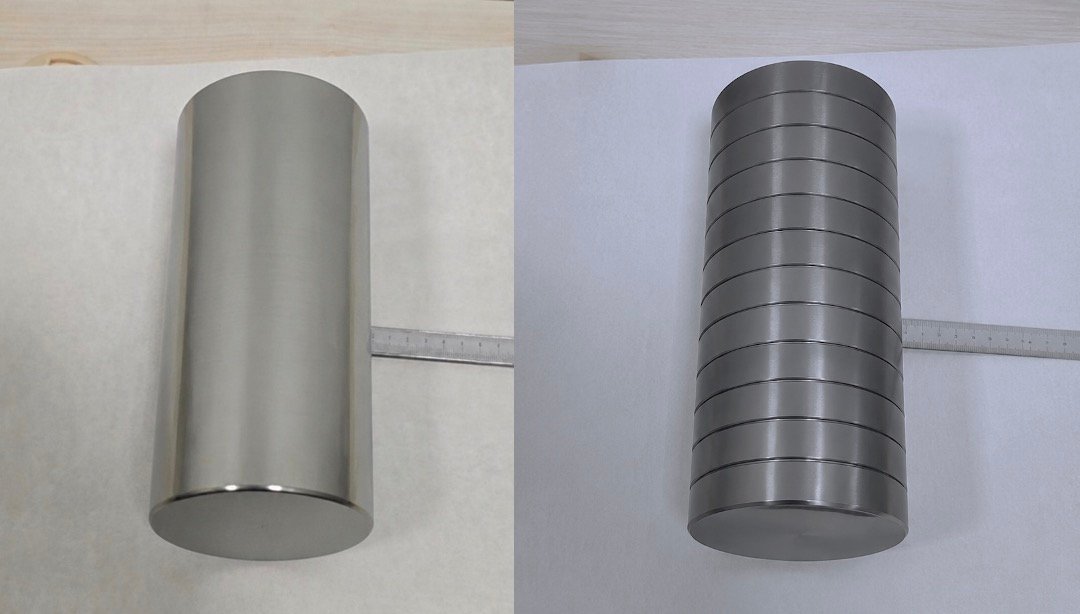
После получения цилиндрических стержней следующим шагом является разрезание их на диски — обычно толщиной от 5 до 15 мм, в зависимости от того, является ли конечная линза менисковой, плоско-выпуклой или полностью асферической заготовкой. SGI 40, используемая на Шаге 1, переключается в режим разрезания; предприятия с потребностями в высокообъемной прямолинейной резке могут добавить SGSM40 в качестве специализированного резака.
В режиме прямолинейной резки проволока проходит через диаметр стержня, а не очерчивает периметр, поэтому скорость подачи выше — от 10 до 20 мм/мин для Ge. Один прямой рез через стержень диаметром Φ180 мм занимает около 12 минут при верхней границе этого диапазона.
Разрезанные диски выходят из проволочной пилы с шероховатостью поверхности в диапазоне Ra 0,6–1,2 мкм — достаточно мелкой, чтобы первый этап шлифовки удалял очень мало материала. TTV в производственных партиях составляет 8–15 мкм на диске диаметром 50 мм, что сопоставимо с хорошим результатом пилы с внутренним диаметром при потере материала примерно в три раза меньше.
| Диаметр проволоки | 0,35 – 0,42 мм |
| Натяжение проволоки | 100 – 130 Н |
| Скорость движения проволоки | 30 – 50 м/с |
| Скорость подачи при нарезке | 10 – 20 мм/мин |
| Охлаждение | Белое минеральное масло |
| Шероховатость поверхности Ra | 0,6 – 1,2 мкм |
| TTV (типичное значение) | 8 – 15 мкм |
Шлифовка и центрирование кромок
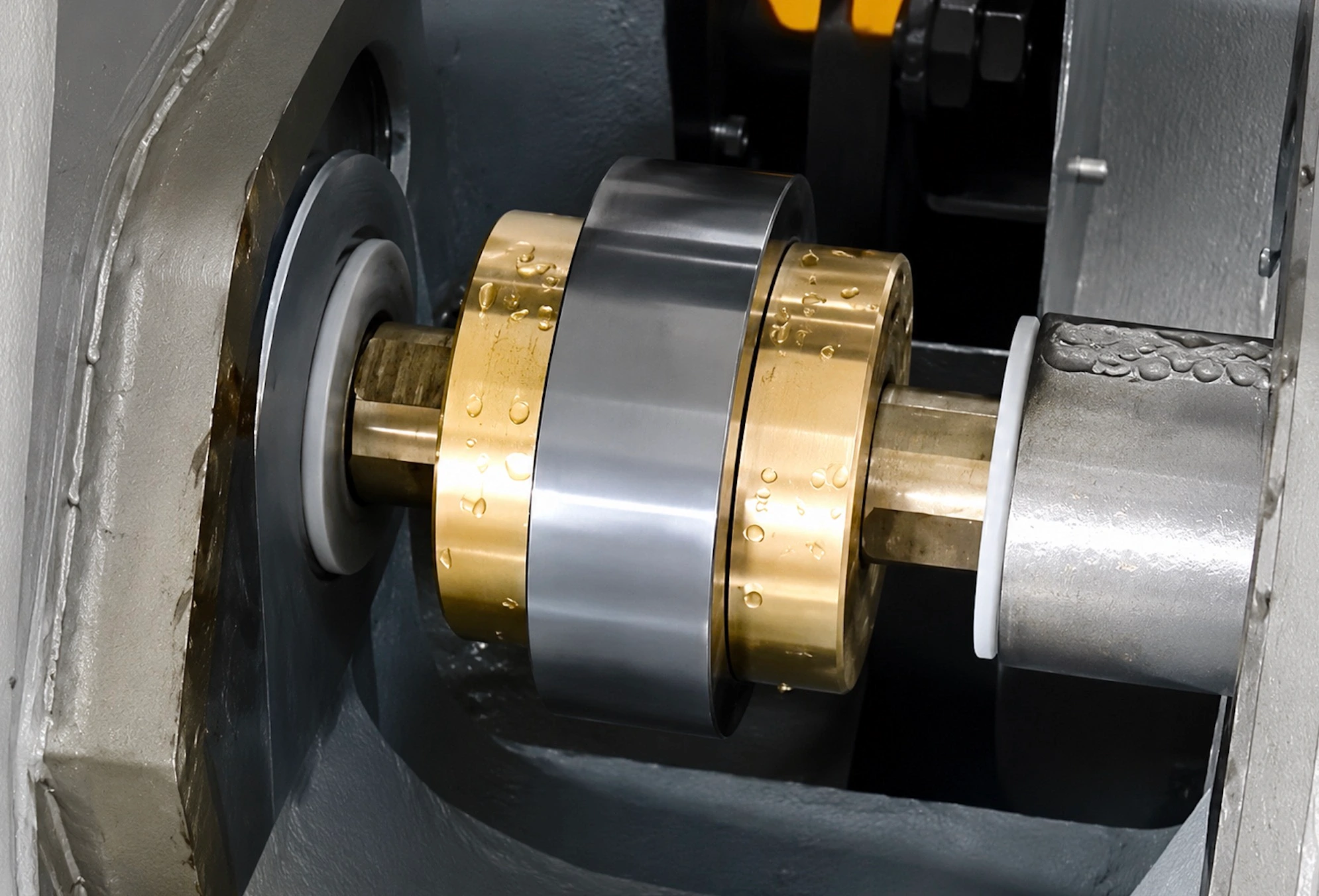
После нарезки диски перемещаются на наше предприятие по центрированию сестринской компании для обработки кромок. Этот этап шлифует наружный диаметр заготовки до круглой формы и снимает фаски с углов — и это происходит до генерации сферической поверхности, а не после. Причина механическая: центрированный цилиндрический наружный диаметр дает сферическому шлифовальному станку предсказуемый эталон вращения, что означает, что поверхность выходит со следующей машины уже концентричной с краем линзы.
Время цикла составляет от 1 до 3 минут на деталь в зависимости от диаметра, спецификации фаски и снимаемого материала. Для германиевых линз, используемых в атермализованных тепловизионных сборках, допуск на децентрирование часто указывается в 30 угловых секунд или меньше — все, что менее точно, приводит к видимому пользователю смещению холодного изображения.
Шлифовка сферической поверхности
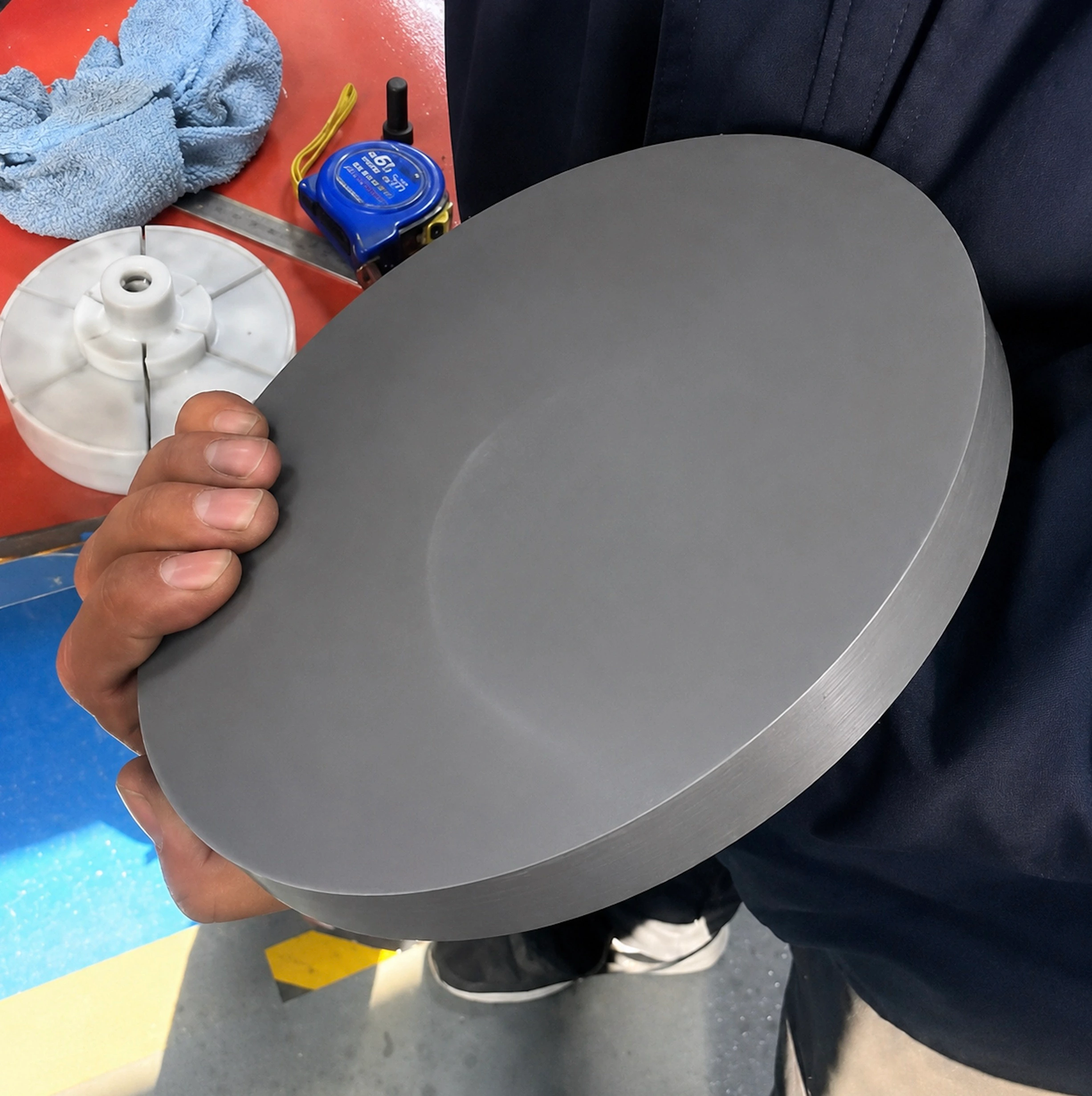
После центровки и снятия фаски с наружного диаметра заготовки следующий этап генерирует сферическую (или асферическую заготовку) поверхность. Обе модели шлифовальных станков обрабатывают выпуклые (CX) и вогнутые (CC) профили, а также плоские поверхности без смены настройки шпинделя — это полезно для двусторонних линз и менисковых геометрий.
Шлифовальный станок использует алмазные шлифовальные инструменты, работающие против вращающегося диска на прецизионном шпинделе. Типичное снятие материала составляет от 0,2 до 0,5 мм с каждой стороны от поверхности после резки. Поскольку диски, вырезанные проволокой, имеют низкое значение TTV и минимальные повреждения под поверхностью, время цикла на одну поверхность сокращается примерно до 5 минут при стандартной сферической генерации.
Для асферических германиевых линз (часто встречающихся в компактных тепловизионных модулях) шлифовальный станок использует профилирование траектории, управляемое ЧПУ. Допуск на стрелу на шлифованной поверхности обычно составляет ±5 мкм, оставляя полировщику окончательную форму.
Полировка и просветляющее покрытие
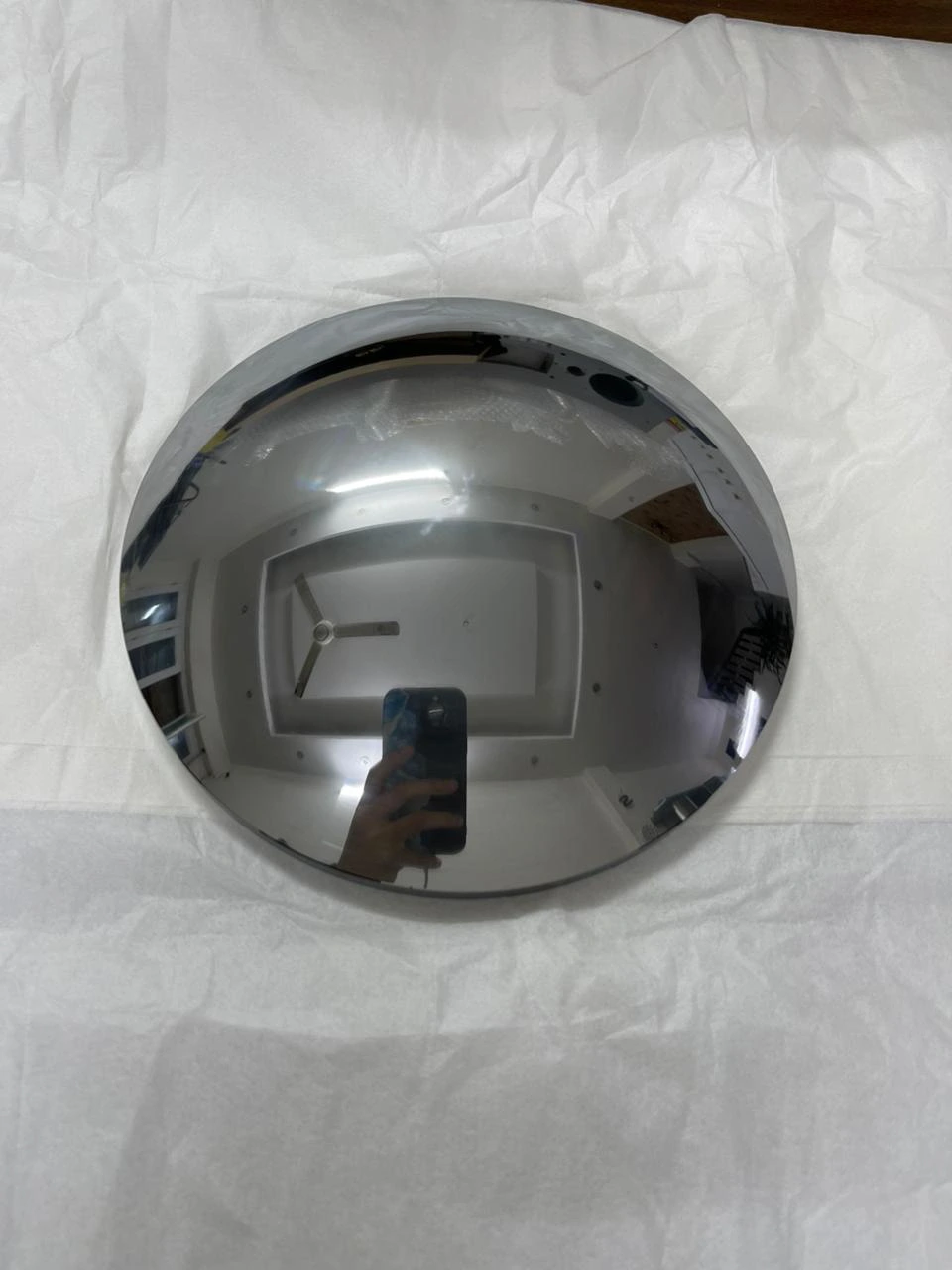
Большинство германиевых линз в производстве имеют широкополосное просветляющее покрытие. Голый германий отражает около 36% с каждой поверхности на инфракрасных длинах волн из-за его высокого показателя преломления (n ≈ 4,0 при 10 мкм). Без просветляющего покрытия одноэлементная германиевая линза теряет более половины падающей энергии до того, как свет достигнет детектора.
Время цикла составляет около 3 минут на поверхность при стандартной сферической обработке; асферические формы занимают больше времени в зависимости от допуска. Конечная шероховатость поверхности достигает Ra < 5 нм для высококачественной тепловизионной техники.
Покрытия DLC против BBAR. Стандартные многослойные покрытия BBAR легко царапаются на германии — мягкий материал, суровая реальность. DLC (алмазоподобный углерод) жертвует небольшой частью пропускания (возможно, 2–3% с каждой поверхности) ради гораздо лучшей стойкости к истиранию. Для линз, которые обращены наружу в автомобильной или портативной тепловизионной камере, DLC обычно является обязательным.
Сколько времени занимает линза из Ge на самом деле?
Для типичной среднеразмерной тепловизионной линзы — биконвексный элемент из Ge диаметром 50 мм — интегрированная линия работает примерно следующим образом. Время на перемещение материалов между станциями включено.
| Этап | Машина | Время цикла |
|---|---|---|
| Контурная резка, извлечение стержня диаметром 50 мм из более крупного слитка | SGI 40 | ~26 мин |
| Разрезка стержня на один диск (один прямой рез) | SGI 40 | ~5 мин |
| Шлифовка края + снятие фаски | C-120L | 1–3 мин |
| Формирование сферической поверхности (сторона 1) | G-100 | ~5 мин |
| Генерация сферической поверхности (сторона 2) | G-100 | ~5 мин |
| Повторная фаска (при необходимости) | C-120L | ~1 мин |
| Полировка (сторона 1) | Асферический полировщик | ~3 мин |
| Полировка (сторона 2) | Асферический полировщик | ~3 мин |
| AR покрытие (DLC или BBAR) | Камера для нанесения покрытий | партия (50+/запуск) |
Общее время обработки на одну линзу из Ge диаметром 50 мм на всех станциях удаления стружки, без учета нанесения покрытий. Нанесение покрытий выполняется партиями; вклад на одну линзу снижается до минут, когда камера заполнена.
Асферические формы занимают в 2–3 раза больше времени, чем сферические, в зависимости от отклонения от наилучшей сферы и допуска на конечную форму. Мы определяем мощность шлифовального и полировального оборудования в соответствии с вашим ассортиментом продукции при расчете стоимости.
Честное сравнение. Провод не выигрывает во всем.
Для магазинов, которые взвешивают, стоит ли переходить от традиционных методов, наиболее важны инженерные компромиссы.
| Фактор | Корончатое сверло + пила для внутренней резки | Бесконечная проволочная пила (Vimfun) |
|---|---|---|
| Потеря материала на рез | 5 – 10 мм сверло / 0,3 – 0,5 мм внутренняя резка | 0,4 – 0,6 мм |
| Сколы по краю (выходная сторона) | 0,3 – 0,8 мм типично | < 0,1 мм типично |
| Производительность в час | Выше для мелких деталей | Ниже для крошечных деталей, лучше на больших слитках |
| Стоимость оснастки на рез | Ниже (диск со связующим смолой) | Выше (петля алмазной проволоки) |
| Максимальная практическая заготовка | ~150 мм Ge | 300 мм+ Ge (расширить цикл) |
| Время наладки | Быстрый | Умеренное (загрузка проволоки) |
| Subsurface damage | От умеренного до высокого | Низкий |
| Материал, сэкономленный на 200-мм буле | Исходный уровень | $200 – $600 |
Три внедрения — три континента, три конечных рынка.
Они охватывают очень разные отрасли, но имеют одну и ту же инженерную проблему: материал Ge дорог, бюджеты допусков жесткие, а управление пятью отдельными поставщиками оборудования создает больше проблем, чем решает.
Sunny Optical
Sunny Optical Technology Group является одним из крупнейших мировых производителей оптических компонентов — линзы для смартфонов, автомобильные системы ADAS, тепловизионная оптика.
Sunny использует более 30 алмазно-проволочных пил Vimfun, причем значительная часть парка машин специально предназначена для производства германиевых линз. При таком объеме два показателя имели большее значение, чем скорость резки: стоимость расходных материалов на линзу и стабильность перемещения между станциями.
OEM тепловизионной техники
Крупный турецкий производитель тепловизионной техники приобрел полную интегрированную линию по производству германиевых линз: 4 пилы SGI 40, центрировочная машина C-185L, сферическая шлифовальная машина G-250 и машина для асферической полировки — настроенные, введенные в эксплуатацию и квалифицированные в рамках единого технического задания.
Решающим фактором стала не начальная цена. Это было сокращение цепочки поставок (прямые поставки из Китая в Турцию против многопоставщиков из Европы) в сочетании с увеличением выхода материала на импортном германиевом сырье.
Precision Optics Group
Компания из Нидерландов, занимающаяся оптическими системами, использует интегрированное решение Vimfun + дочерней компании для промышленных и научных ИК-оптических систем, поставляя европейским производителям приборов и датчиков.
Указанные причины выбора интегрированной цепочки вместо поэтапных поставок: меньшие потери на резку импортного германиевого сырья, сокращение количества смен оснастки между резкой и шлифовкой, а также ответственность одного поставщика за сквозное соблюдение допусков.
Что инженеры на самом деле спрашивают перед заказом этой линии.
Наш стандартный SGI 40 принимает слитки длиной до Φ350 мм × 400 мм. Для более крупных булей мы изготавливаем рамы на заказ — проволочная пила масштабируется за счет удлинения петли, а не замены машины. Самая большая изготовленная на заказ конструкция на сегодняшний день: рабочая зона 1200 мм.
Для большинства производственных линий мы настраиваем следующее:
| Этап | Машина | Рабочий диапазон |
|---|---|---|
| Контур слитка + нарезка стержней | SGI 40 | Слиток Φ ≤ 185 × 400 мм |
| Шлифовка края + фаска (малая) | C-120L | Φ 1,8 – 120 мм |
| Шлифовка края + фаска (большая) | C-185L | Φ 50 – 185 мм |
| Сферическое шлифование (малое) | G-100 | Φ 10 – 100 мм |
| Сферическое шлифование (большое) | G-250 | Φ 80 – 250 мм |
| Полировка | Асферический полировщик | Φ ≤ 300 мм |
| AR покрытие | DLC или BBAR камера | Партия |
Небольшим цехам по производству тепловизионной оптики обычно достаточно SGI 40 + C-120L + G-100 + полировальная машина. Крупные оборонные оптические цеха добавляют C-185L и G-250.
Да. Поли-Ge на самом деле обрабатывается немного легче, чем монокристалл, потому что нет предпочтительной плоскости спайности. Работают те же параметры.
Примерно сопоставим со стеклом для оптики — от 7 до 10 дней при 8 часах в день, в зависимости от натяжения и подачи. Ge мягче сапфира или кварца, поэтому износ проволоки умеренный.
Да, все наши стандартные петли из алмазной проволоки изготавливаются на месте. Срок изготовления линз составляет около 7 дней. Мы используем непрерывное покрытие резьбы для германия — это обеспечивает наилучшее качество поверхности хрупких полупроводников.
От края до края на готовой германиевой линзе наша производственная цепочка германиевых линз обеспечивает: диаметр ±0,02 мм, толщину в центре ±0,025 мм, децентрацию 30 угловых секунд, форму поверхности 1λ при эталоне 633 нм. Более жесткие допуски возможны при определенных спецификациях — обратитесь в инженерный отдел. Мы документируем результаты в ISO 10110 формате для обмена данными проектирования.
Одна и та же платформа проволочной пилы, разные проблемы по рынку.
Угол интеграции имеет большее значение в одних секторах, чем в других — для тепловизионных систем при массовом производстве решающее значение имеют экономические показатели пакетного нанесения покрытий; для оборонной оптики наиболее важна прослеживаемость по всем этапам.
Тепловизионные модули
Автомобильные системы ADAS, инспекция зданий, электрическая термография. Массовое производство, критическая стоимость покрытия.
Оптика для обороны и безопасности
Неохлаждаемые микроболометрические модули, прицелы, системы наблюдения. Важны прослеживаемость и долговечность DLC.
Промышленные датчики
Газоанализаторы (германиевые окна для FTIR), мониторинг процессов. Меньшие объемы, более высокие требования к допускам.
Медицинская ИК-диагностика
Портативные тепловизоры для визуализации сосудов и воспалений. Средний объем, эргономичный формат.
Исследовательские лаборатории
ИК-спектроскопия, заказные оптические сборки. Точность единичных изделий важнее производительности.
Заказные / Прочие
Делители пучка, расширители пучка, окна заказного формата. Присылайте чертежи, мы рассчитаем стоимость.
Пришлите чертеж. Мы пришлем расчеты.
Если вы планируете создание линии по производству германиевых линз — новая линия, модернизация или расширение мощностей — мы вместе проработаем следующие вопросы:
- Диапазон диаметров и длин булей — определяет размер рамы пилы для резки проволокой
- Диаметр готовой линзы, толщина, спецификация кривизны — определяет выбор шлифовального и центрирующего станка
- Шероховатость поверхности и требования к покрытию — определяет мощность полировки и нанесения покрытий
- Объем в месяц — определяет, нужна ли вам одна ячейка или параллельные линии