Две конфигурации движения проволоки
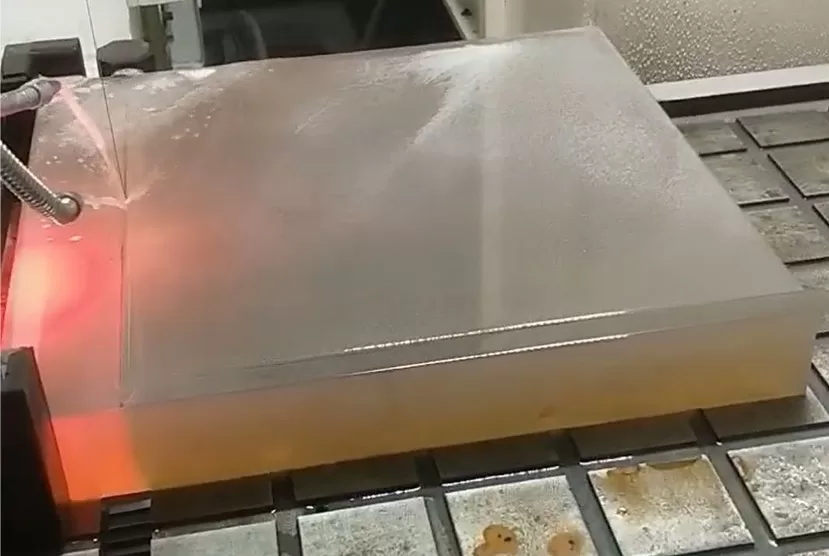
Проволочные пилы с возвратно-поступательным движением и бесконечные проволочные пилы отличаются в основном способом движения режущей проволоки в станке. Система с возвратно-поступательным движением или подачей со шпули изменяет направление или управляет проволокой между накопительными катушками. Бесконечная система приводит в движение замкнутый контур непрерывно в одном направлении. Эта разница в движении влияет на компоновку станка, управление проволокой, стабильность резки и области применения, которые может поддерживать каждая конфигурация.
В этой статье сравниваются две конфигурации для прецизионной резки. Она не сравнивает канатно-отрезные станки для карьеров и не ставит одну конструкцию как универсально превосходящую. Материал заготовки, размеры, путь резки, требуемое состояние поверхности и метод производства должны определять окончательный выбор.
Как работает система проволочной пилы с возвратно-поступательным движением

Проволочная пила с возвратно-поступательным движением обычно перемещает режущую проволоку вперед и назад по заготовке, часто используя накопительные катушки и путь контроля натяжения. Некоторые промышленные системы подают свежую проволоку через зону резки; другие многократно используют определенную длину проволоки. Точная архитектура зависит от станка.
Где эта конфигурация может быть полезна
- Большой ход резки: управление проволокой на основе катушек может поддерживать станки, разработанные для больших заготовок или длинных путей резки.
- Управление свежей проволокой: процесс подачи со шпули может подвергать зону резки контролируемой длине проволоки по мере продолжения производства.
- Устоявшиеся технологические схемы: системы с возвратно-поступательным движением и на основе катушек распространены в нескольких областях резки и промышленных применениях.
Изменение направления, ускорение и хранение проволоки являются частью проблемы управления станком. Их влияние на резку зависит от конструкции станка, регулирования натяжения, спецификации проволоки, поддержки заготовки и стратегии подачи. Поэтому точнее сравнивать полные системы, чем судить о них только по движению проволоки.
Как работает система бесконечной проволочной пилы
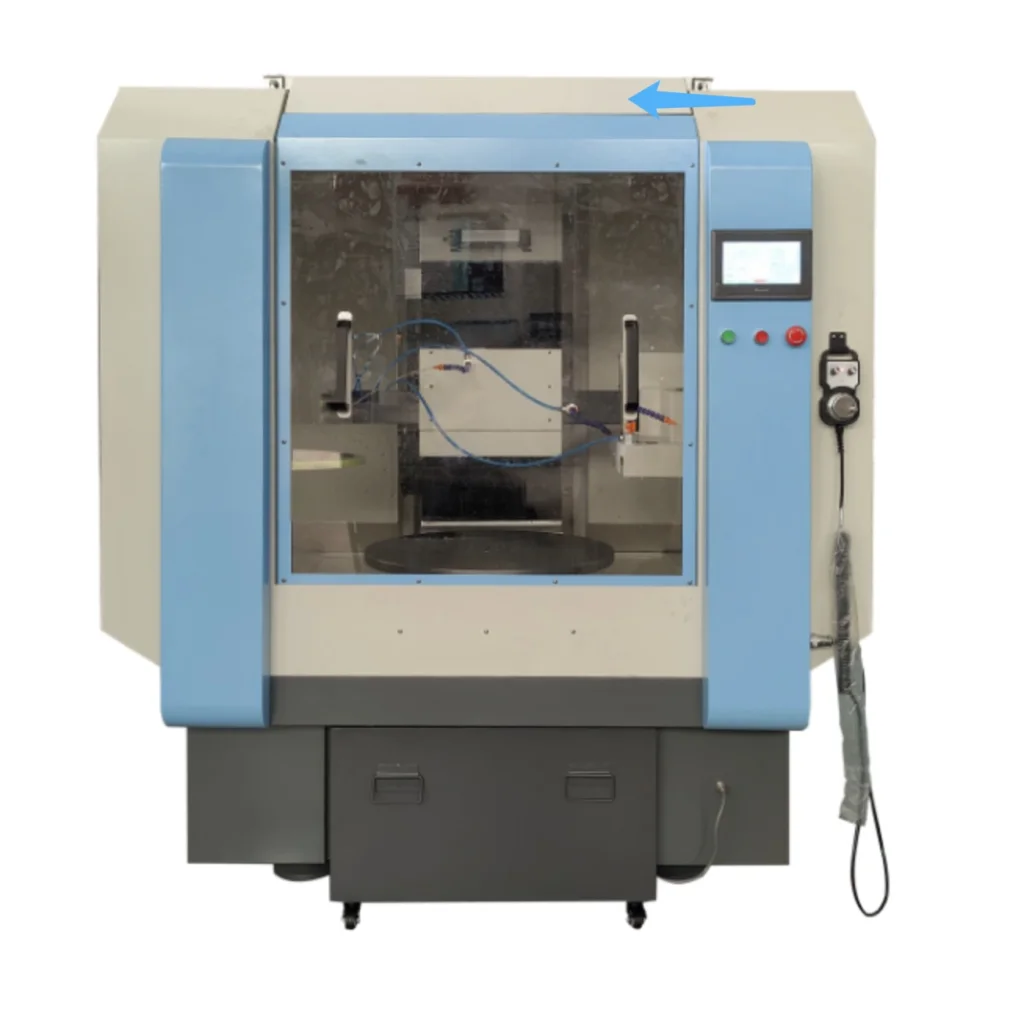
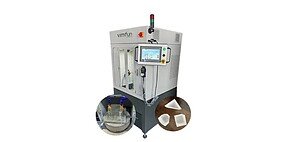
Бесконечная проволочная пила использует замкнутый контур с фиксированным алмазным абразивом. Контур непрерывно циркулирует вокруг ведущих и направляющих колес, в то время как станок контролирует натяжение, скорость проволоки, положение заготовки и подачу. Непрерывное движение в одном направлении устраняет необходимость запрограммированного изменения направления во время резки.
Где эта конфигурация может быть полезна
- Стабильное непрерывное движение: движение контура в одном направлении обеспечивает повторяемую резку при контролируемом натяжении, подаче и выравнивании колес.
- Компактный путь проволоки: станку не требуются длинные накопительные катушки для проволоки для нормальной циркуляции контура.
- Твердые и хрупкие материалы: конфигурация может быть оценена для стекла, кварца, керамики, кремния, сапфира, графита и других ценных заготовок.
- Выборочные контурные резы: совместимые конструкции станков могут направлять контур по прямым или профилированным путям резки.
Замкнутый контур не гарантирует автоматически определенную скорость резки, срок службы или допуск. Конструкция контура, покрытие, состояние абразива, натяжение, подача, контроль охлаждающей жидкости или пыли и крепление заготовки — все это влияет на результат. Просмотрите доступные системы алмазных проволочных пил когда приложение требует обзора категории продукта.
Сравнение проволочных пил с возвратно-поступательным движением и бесконечных проволочных пил
| Фактор выбора | Система с возвратно-поступательным движением или подачей со шпули | Система с бесконечным контуром |
|---|---|---|
| Движение проволоки | Движение вперед и назад или контролируемое перемещение от катушки к катушке | Непрерывное движение контура в одном направлении |
| Управление проволокой | Требует накопительных катушек или управления более длинной проволокой | Использует замкнутый контур вокруг ведущих и направляющих колес |
| Изменение направления | Может включать циклы реверса, ускорения и замедления | Нет запрограммированного изменения направления во время нормальной резки |
| Типичная компоновка станка | Может поддерживать длинный ход и производственные архитектуры на основе катушек | Часто использует более компактный замкнутый путь проволоки |
| Траектория резки | Зависит от компоновки направляющих и осей станка | Прямые и выборочные контурные резы, в зависимости от конструкции станка |
| Материалы | Определяется типом проволоки, станком и процессом | Часто оценивается для твердых и хрупких материалов |
| Основные факторы управления | Поведение при реверсе, хранение проволоки, натяжение, подача и направляющие | Качество контура, выравнивание колес, натяжение, скорость и подача |
| Лучший метод принятия решения | Сравните фактический обрабатываемый образец, требуемый разрез и результаты проверенных образцов | |
Соответствие материала и применения
Обе конфигурации могут быть спроектированы для прецизионной резки, но материал и производственная цель определяют, какая из них практична. Применения для камня, бетона и карьеров используют различные конструкции проволоки и архитектуры машин, отличающиеся от резки в лаборатории, оптике, полупроводниках или передовых материалах. Общего названия продукта недостаточно для выбора оборудования.
| Вопрос по применению | Информация для подтверждения |
|---|---|
| Что разрезается? | Марка материала, твердость, хрупкость, проводимость и внутренняя структура |
| Какой формат обрабатываемого образца? | Блок, стержень, кольцо, трубка, пластина, слиток или неправильная форма |
| Какой разрез требуется? | Обрезка, резка, прямое разделение, внутренний контур или внешний профиль |
| Какой результат приемлем? | Пропил, плоскостность, состояние края, качество поверхности и допуск по размерам |
| Какие ограничения процесса применяются? | Разрешение на использование воды, контроль пыли, пределы загрязнения и доступ к креплению |
| Какой производственный уровень ожидается? | Прототип, проверка образца, серийная работа или непрерывное производство |
Как выбрать правильную конфигурацию проволочной пилы
- Определите разрез: запишите материал, размеры, траекторию резки и требуемый результат.
- Определите ограничения процесса: подтвердите, разрешено ли использование воды, охлаждающей жидкости или сухого сбора пыли.
- Проверьте движение проволоки и перемещение машины: убедитесь, что архитектура поддерживает обрабатываемый образец и геометрию резки.
- Подтвердите совместимость расходных материалов: подберите диаметр проволоки, спецификацию абразива и покрытие к материалу.
- Выполните пробный рез: используйте полученный пропил, состояние края, плоскостность, поверхность и время обработки для проверки выбора.
Для более широкого пути принятия решения об оборудовании используйте руководство по выбору станка для проволочной пилы. Он разделяет структуры машин и требования к применению, не делая эту статью сравнения конкурентом основного запроса по оборудованию.
Часто задаваемые вопросы
Всегда ли проволочная пила с бесконечной проволокой работает быстрее?
Нет. Непрерывное движение в одном направлении может упростить часть цикла движения, но фактическая скорость резки зависит от материала, состояния проволоки, натяжения, подачи, охлаждения или контроля пыли, длины резки и критериев приемки.
Имеет ли бесконечная петля проволоки без соединения?
Бесконечная петля замыкается в непрерывный режущий путь, но ее конструкция должна быть подтверждена с поставщиком. Производительность следует оценивать по качеству петли, постоянству размеров и результатам пробной резки, а не по общему заявлению “без соединения”.
Какая система подходит для кварца, стекла или керамики?
Система с бесконечной петлей часто оценивается для этих твердых и хрупких материалов, поскольку она поддерживает непрерывную абразивную резку с контролируемой подачей и натяжением. Поддержка обрабатываемого образца и проверенная спецификация проволоки остаются важными.
Могут ли обе системы выполнять контурные разрезы?
Возможность контурной резки зависит от системы направляющих, осей машины, траектории проволоки и минимальных требований к повороту. Одно только обозначение движения проволоки не подтверждает возможность контурной резки.
Заключение
Системы проволочных пил с возвратно-поступательным движением и бесконечной проволокой — это разные архитектуры машин, а не просто старые и новые версии одного и того же инструмента. Оборудование с возвратно-поступательным движением или подачей со шпули может поддерживать управление длинной проволокой и существующие производственные компоновки. Бесконечные системы используют компактное непрерывное движение по петле и часто выбираются для прецизионной резки твердых и хрупких заготовок. Самый надежный выбор исходит из соответствия полной машины, проволоки, крепления и процесса реальной детали.