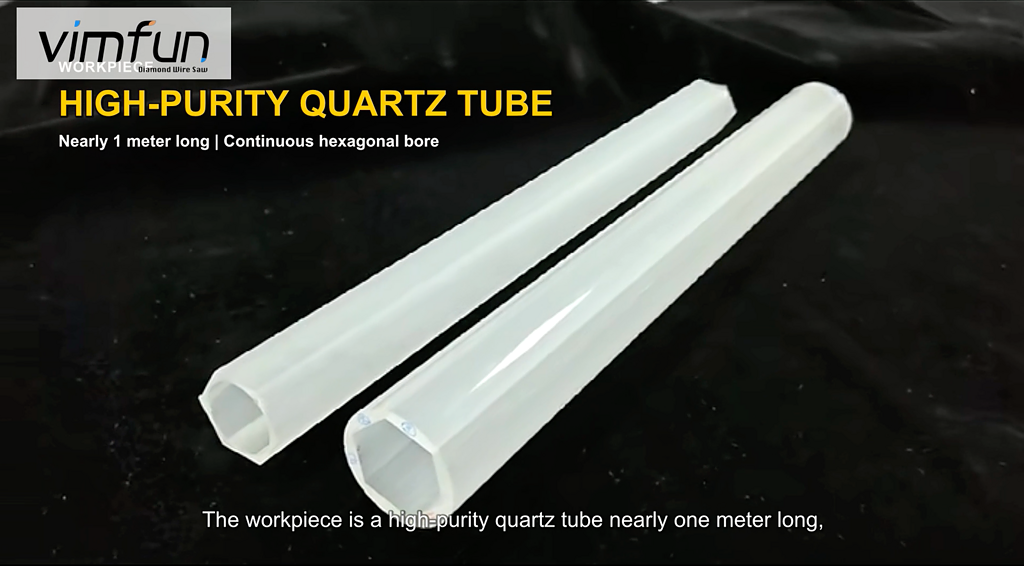
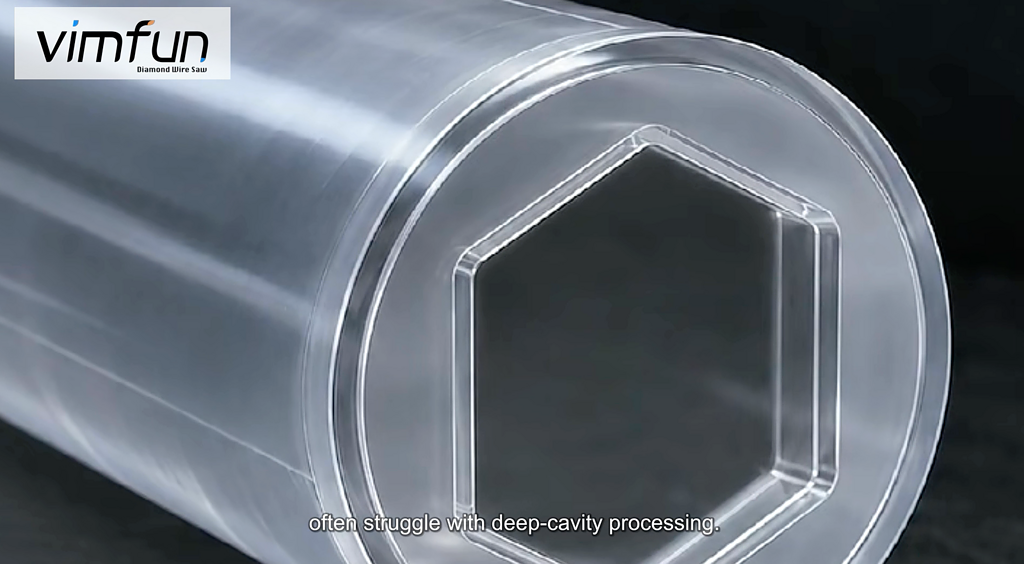
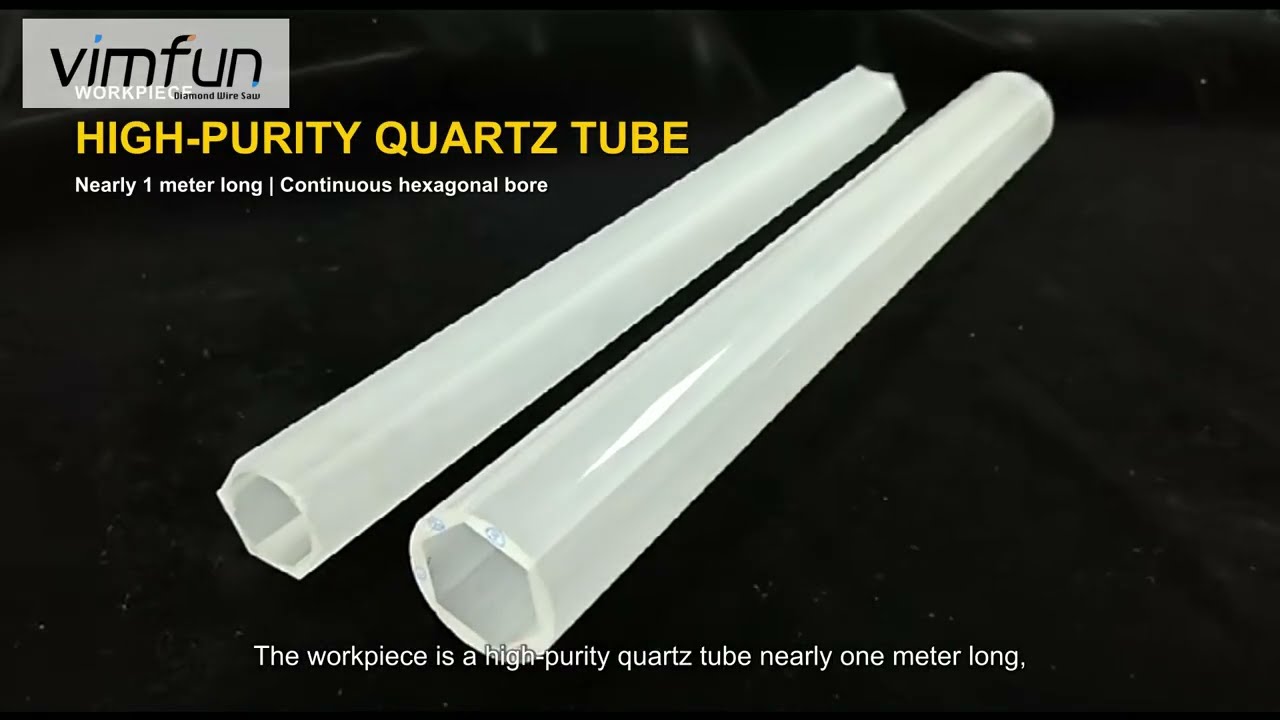
ほぼ1メートル長の高純度石英管。全長にわたってまっすぐに伸びる連続した六角形のボア。わずかな機械的応力で欠けや微細な亀裂が生じる素材。.
一見すると、これは単なる石英管に見えます。六角形のボアがすべてを変えます。従来の内部研削では、欠けたエッジや微細な亀裂を残さずに、長くて脆い石英管の奥深くまで到達することはできません。そのため、このプリフォームはダイヤモンドワイヤーカットに依頼されました。.
用途:フォトニック結晶ファイバープリフォーム用の六角形ボア
このワークピースは、長くて高純度の石英管で、以下の用途に使用されます。 特殊光ファイバー、中空コアファイバー、フォトニック結晶ファイバー(PCF). 。これらの高度なファイバーは、光がファイバーを伝播する方法を制御する、非常に精密な内部形状(エアホールアレイと構造化されたクラッドパターン)に依存しています。.
清潔でまっすぐで連続した六角形の内部プロファイルにより、その後のファイバー描画中にプリフォームが予測どおりに積み重ねられます。六角形の形状は装飾的なものではありません。それは、 6方向の対称性がエアホールアレイの自然なパッキング構造であるためです。 多くのPCF設計で使用されています。チューブの長さに沿った六角形プロファイルのいずれかの変動は、描画されたファイバーの光学性能の変動につながります。.
切断プロセスは、同時に2つのことを提供する必要があります。 一様な内部形状 そして 長くて脆いワークピースの機械的完全性. 。両方を同時に。ほぼ1メートルの長さにわたって。ほとんどの内部加工アプローチでは、両方を同時に行うことはできません。.
課題:深いキャビティ + 脆性材料 + 長いワークピース
ここでの課題は クォーツ自体ではありません. ダイヤモンドワイヤーソーでのクォーツ切断は十分に開発されています — 当社の ワイヤーソー切断概要 を参照してください。クォーツ、セラミックス、光学ガラス全般の材料挙動について説明しています。.
課題は組み合わせです:
| 制約 | なぜ難しいのか |
|---|---|
| 六角形の穴(丸ではない) | ドリル加工やボーリング加工では製造できない |
| 約1メートルの長さ | 工具のたわみが深さと共に蓄積する |
| 連続した貫通穴 | 再開ポイントなし。プロファイルは端から端まで一貫している必要がある |
| 脆性の高純度クォーツ | 横方向の力でマイクロクラックが容易に発生する |
| 寸法精度が必要 | 六角対辺公差はファイバー描画に直接影響する |
| ダメージの最小化 | サブサーフェスダメージはファイバー伝送を劣化させる |
これらの制約は互いに競合するのではなく、 乗算される. 。それらのうち2つをうまく処理する方法でも、3つ目では失敗する可能性がある。.
なぜ従来の工法が限界に達するのか
まず2つの一般的なアプローチが試されるが、どちらもこの形状では既知の故障モードがある。
内面研削および研磨加工
深い内部キャビティの場合、研削工具は(収まるように)小さく、(届くように)長く、(たわみを避けるために)剛性が必要である。これら3つの特性は互いに競合する。キャビティの深さが深くなるにつれて、実用上の限界が現れる。
- 工具のたわみ — 長く細い研削工具は切削力でたわみ、六角対辺を平面からずらす
- 加工深さの制限 — 一定の深さを超えると、切りくず除去とクーラント供給がうまくいかなくなる
- Edge chipping 六角形の角で応力が集中する場所
- マイクロクラックの形成 蓄積された横方向の力により、その後のファイバー描画中に伝播する可能性があります
インサートまたはスペーサーを使用した代替アプローチ
一部のショップでは、深い内部カットを完全に回避しています 組み立て 六角形のプロファイルを別々の部品(インサート、スペーサー、セグメント化されたプリフォーム)から組み立てます。これにより、加工の問題は解決しますが、新たな問題が発生します。
- 追加の組み立ての複雑さ
- 接合インターフェースでの寸法のばらつきの可能性
- 高純度用途における追加の汚染リスク
- その後のファイバー描画中に導入されるばらつき
ハイエンドのPCFプリフォームの場合、どちらの経路も理想的ではありません。内部研削経路は技術的には可能ですが、収率が制限されます。組み立て経路は、ばらつきの問題を加工から描画に移行させますが、それは不適切な場所です。.
アプローチ:精密ダイヤモンドワイヤー切断
VIMFUNはこのプリフォームを 細溝、低荷重のダイヤモンドワイヤープロセスで切断しました.
ダイヤモンドワイヤーがここで機能する理由:
- 切削工具は長い剛性のあるシャフトではなく、ワイヤー自体であるため、研削工具のように長さがたわみを増幅することはありません。
- 切削力はワイヤーの接触部に沿って分散されます。, 単位面積あたりの機械的応力が低くなります。 研磨加工よりも
- 制御された連続的なワイヤーパスにより、再始動マークなしで六角形プロファイルをトレースできます。
- 丸い切断を処理するのと同じセットアップで、適切な治具を使用すれば非円形ジオメトリにも対応できます。
切削プラットフォームの完全な背景については、以下のページをご覧ください。 ダイヤモンドワイヤーソー構造 そして 電着ダイヤモンド・ワイヤー・ループ — クローズドループワイヤーアーキテクチャにより、このような深い連続プロファイルカットが可能になります。.
プロセスパラメータ(ケース固有)
| パラメータ | 価値 |
|---|---|
| 加工ワークピース | 高純度石英管、長さ約1000 mm |
| 外径 | お客様の仕様 |
| 六角フラット間寸法 | お客様の仕様 |
| ダイヤモンドワイヤー径 | 0.55~0.8 mm |
| ワイヤータイプ | 電着ダイヤモンド・ワイヤー・ループ |
| ワイヤーテンション | 150–200 N |
| ワイヤースピード | 30~60m/s |
| 送り速度 | 2~10 mm/min(範囲の下限) |
| 冷却水 | ホワイトミネラルオイル |
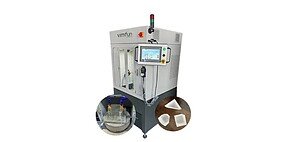
| 機械プラットフォーム | 水平回転式(SH150-R / SH300-R、全長メートルワークピース用) |
表示されている値は、複数の生産実行で検証された、高純度石英に対するVIMFUNの標準プロセスエンベロープを表します。このプリフォームでは、フィードレートは範囲の下限に設定されていました。これは、深いキャビティに対する安定性を意図的に優先した結果です。詳細は ワイヤー速度、張力、およびフィードレート そして ワイヤー張力校正 を参照してください。これらのパラメータがどのように相互作用するかを示しています。.
結果:全長にわたるプロファイルの一貫性
ダイヤモンドワイヤーアプローチは、アプリケーションが必要とする2つの特性を同時に実現しました。
- プロファイルの一貫性 約1メートルの全長にわたって — 六角形の平坦部は端から端まで平面を維持します
- 材料へのダメージは最小限 — 六角形のコーナーでのチッピングの低減、マイクロクラック発生の抑制、研磨による深いキャビティ加工と比較して低いサブサーフェスダメージ
- アセンブリシームなし — ボアはセグメントから積み重ねられるのではなく、単一の連続したジオメトリとして生成されます
PCFプリフォーム製造において、これらの3つの特性は直接的に より予測可能なファイバードローイングの挙動と、完成したファイバーの光学性能のばらつきの低減. につながります。顧客はもはやアセンブリステップのばらつきをドローイング炉に持ち込む必要がありません。.
なぜダイヤモンドワイヤーが深い内部プロファイルに有効なのか
それは、 工作物にどのように力が加えられるか. にかかっています。研磨研削は、小さな工具のフットプリントに力を集中させます。ダイヤモンドワイヤーは、柔軟な切削要素に沿って力を分散させます。深いキャビティ内の脆性材料の場合、その単一の違いがマイクロクラックとクリーンなプロファイルを隔てるものです。.
他にもいくつか正しいことが必要です。
- 冷却と切りくず除去 — 適切な 冷却と潤滑 は、カットゾーンの温度を全長1メートルにわたって安定させ、熱応力による亀裂を防ぎます。
- ワイヤー張力安定性 — 長い切削経路にわたる均一な張力は、六角形の平坦面が平面からずれるのを防ぎます。
- 制御された送り速度 — 低い送り速度は、サイクルタイムと安定性をトレードオフします。脆性材料や深いプロファイルの場合、それは正しいトレードオフです。
これは、セラミックス、高度な光学ガラス、単結晶にも同様に機能します。力の分散が工具の剛性よりも重要な場所ならどこでも。パラメータエンベロープは異なります。根本的なメカニズムは同じです。.
産業と用途
深い内部プロファイルのダイヤモンドワイヤー切断は、以下の分野の製造業者に役立ちます。
- フォトニクス — PCF、中空コアファイバー、特殊ファイバープリフォーム
- 光ファイバー製造 — プリフォームの成形と寸法管理
- 半導体材料 — ウェーハ加工用石英治具および部品
- 先進研究 — レーザーシステムおよびビームデリバリー用カスタムジオメトリ
石英、セラミック、または光学ガラスのワークピースで、従来の加工ではきれいに到達できない内部形状がある場合も、同様のアプローチが適用されます。厳しい寸法制約のあるセラミックの関連ケースについては、当社の アルミナセラミックリング切断事例研究.
お客様の用途にも対応できますか?
これらのいずれかがお客様の用途に該当する場合は、部品図をお送りください。
- 長尺ワークピース(> 500 mm)の内部プロファイル
- 深い内部切断が必要な脆性材料(石英、先進セラミック、光学ガラス)
- 非円形内部形状(六角形、四角形、カスタム形状)
- サブサーフェスダメージが制約となるフォトニクス、半導体、または先進材料用途
材料、長さ、目標内部プロファイル、および公差要件を含むワークピース図をお送りいただければ、3営業日以内にプロセス実現可能性評価を返信いたします。ジオメトリが当社の対応範囲内であれば、通常、量産用工具の準備前に検証用のサンプル قطعةを製作できます。.
VIMFUNは、フォトニクス、光ファイバー製造、半導体材料、その他の先端技術産業のメーカーに対し、高精度切断ソリューションを提供し続けています。.