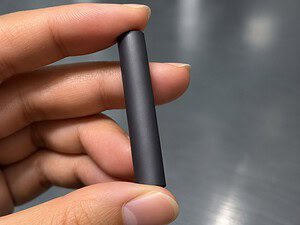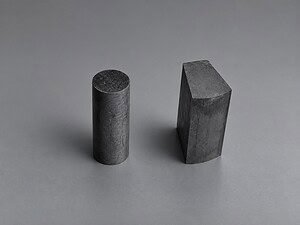
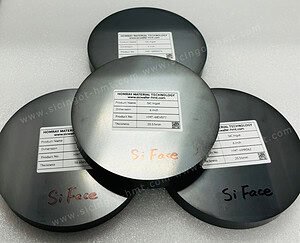
Чистый вольфрам трескается при комнатной температуре. Не иногда — почти всегда, если ваш метод резки создает какую-либо боковую силу. У нас был клиент, который отправил нам вольфрамовый стержень диаметром 25 мм для поперечного анализа. Их абразивная пила разбила три образца, прежде чем они позвонили нам. Стержень снаружи выглядел нормально, но температура перехода от пластичности к хрупкости (DBTT) вольфрама находится в диапазоне от 200°C до 400°C в зависимости от структуры зерна. При комнатной температуре вы режете материал, который механически ведет себя как стекло, но весит вдвое больше свинца. Одно неверное движение, и образец разрушается по границам зерен, портя металлографический разрез, который вы готовили два дня.
Резка вольфрама и резка молибдена имеют одну и ту же фундаментальную проблему: оба являются тугоплавкими металлами с чрезвычайной твердостью, чрезвычайной плотностью и узким диапазоном безопасных условий обработки. Но они разрушаются по-разному — вольфрам трескается от хрупкого разрушения, в то время как молибден катастрофически окисляется выше 500°C. Алмазная проволочная резка справляется с обоими, при условии, что вы уважаете пределы материала.
Эта статья охватывает специфические проблемы резки вольфрама и молибдена алмазными проволочными пилами, наборы параметров, которые сохраняют образцы неповрежденными, и практические различия между резкой чистых металлов и их распространенных сплавов (W-Ni-Fe, TZM, Mo-La). Если вы готовите образцы тугоплавких металлов для исследований, контроля качества или прототипирования компонентов, данные здесь основаны на наших испытаниях семи составов вольфрама и четырех составов молибдена.
Что делает вольфрам и молибден такими трудными для резки?
Тугоплавкие металлы занимают крайнее положение в пространстве свойств материалов. Они сопротивляются всему — жаре, износу, коррозии, деформации — именно поэтому люди их используют. Именно поэтому их кошмарно обрабатывать.
Вольфрам: проблема DBTT
Определяющая проблема вольфрама — его температура перехода от пластичности к хрупкости. Выше DBTT вольфрам пластически деформируется, как прочный металл. Ниже него вольфрам разрушается, как керамика. DBTT коммерчески чистого вольфрама находится в диапазоне от 200°C до 400°C, причем точная температура зависит от размера зерна, чистоты и истории обработки. Вольфрам, полученный методом порошковой металлургии (наиболее распространенная форма), имеет тенденцию к верхнему пределу — 300–400°C — из-за остаточной пористости и примесей на границах зерен, которые концентрируют напряжение.
При комнатной температуре (20–25°C) вы работаете на 200–350°C ниже DBTT. Материал практически не имеет пластичности. Любой процесс резки, который создает боковую силу, термический удар или вибрацию, рискует вызвать транскристаллитное или межкристаллитное разрушение.
Вот суровая реальность: вольфрам имеет твердость по Виккерсу HV 350–450 (сравнимо с закаленной инструментальной сталью), плотность 19,3 г/см³ (самая высокая среди всех распространенных конструкционных металлов) и только 5–15 МПа·м1/2 в поперечном направлении при комнатной температуре. Для сравнения, Ti-6Al-4V имеет вязкость разрушения 75–100 МПа·м1/2. Вольфрам в 5–15 раз более склонен к растрескиванию, чем титан.
Молибден: проблема окисления
Молибден более снисходителен механически — его DBTT ниже (около –20°C до 100°C для чистого Mo), поэтому при комнатной температуре он обычно находится выше перехода и обладает некоторой пластичностью. Проблема химическая: молибден образует летучий MoO3 выше 500°C. Это не просто изменение цвета поверхности — оксид сублимирует, что означает, что материал буквально испаряется с режущей поверхности. При 700°C скорость окисления становится катастрофической.
Любой метод резки, который генерирует локализованное тепло выше 500°C, необратимо повредит молибден. Абразивные отрезные круги обычно достигают 400–800°C в точке контакта. Этого достаточно, чтобы создать пористый, окисленный слой глубиной 50–200 мкм, который компрометирует образец для любого последующего анализа.
Сравнение свойств
| Свойство | Чистый вольфрам | Чистый молибден | TZM (Mo-0.5Ti-0.1Zr) | W-Ni-Fe (90/7/3) |
|---|---|---|---|---|
| Плотность (г/см³) | 19.3 | 10.2 | 10.2 | 17.0–18.0 |
| Твердость | HV 350–450 | HV 200–280 | HV 250–320 | HV 280–350 |
| DBTT (°C) | 200–400 | –20 to 100 | –40 to 50 | 100–200 |
| Теплопроводность (Вт/м·К) | 173 | 138 | 126 | 90–110 |
| Трещиностойкость (МПа·м1/2) | 5–15 | 15–30 | 20–35 | 30–60 |
| Начало окисления (°C) | 400 (медленно) | 500 (быстро) | 500 (быстро) | 400 (медленно) |
| Основной риск при резке | Хрупкое разрушение | Окисление / летучесть | Окисление | Хрупкое разрушение |
Одна важная деталь: вольфрам обладает очень высокой теплопроводностью (173 Вт/м·К) — более чем в 20 раз выше, чем у титана. Это на самом деле хорошая новость для резки. Тепло быстро рассеивается из зоны реза в основной материал, поэтому температура резки алмазным проводом остается значительно ниже порога окисления без экстремальных мер охлаждения. Проблема не в теплоте, а в механике.
Как резка алмазным проводом решает эти проблемы?
Фундаментальное преимущество алмазного провода для тугоплавких металлов — низкое усилие резания.
An бесконечная петля из алмазной проволоки распределяет действие резания по тысячам алмазных зерен по окружности проволоки. Площадь контакта между проволокой диаметром 0,35 мм и заготовкой составляет менее 0,5 мм², поэтому общее усилие резания остается значительно ниже порога разрушения вольфрама даже при комнатной температуре. Обычно мы измеряем нормальные силы в 2–5 Н при резке вольфрама. Для сравнения, абразивный отрезной круг создает усилие в 20–50 Н на гораздо большей контактной зоне со значительной боковой силой, вызывающей распространение трещин.
Для молибдена преимущество заключается в тепловом режиме. Резка алмазным проводом поддерживает температуру заготовки ниже 40°C при стандартном водосодержащем охладителе — на сотни градусов ниже порога окисления в 500°C. Нет образования MoO3, нет летучих потерь, нет пористого поверхностного слоя.
Компромисс, как и при любой резке металлов алмазным проводом, заключается в скорости. Скорость подачи при резке вольфрама самая низкая среди всех обрабатываемых нами материалов — от 0,2 до 0,5 мм/мин для чистого вольфрама. Сечение 20 мм занимает 40–100 минут на один срез. Иного выхода нет: при увеличении скорости материал трескается.
Какие рекомендуемые параметры резки вольфрама?
Эти параметры основаны на производственных испытаниях, а не на теоретических оценках. Вольфрам не прощает ошибок — разница между чистым резом и треснувшим образцом меньше, чем у любого другого материала, с которым мы работали.
Чистый вольфрам (≥99,5% W)
| Параметр | Рекомендуемый диапазон | Примечания |
|---|---|---|
| Диаметр проволоки | 0,35–0,50 мм | Стандартный 0,42 мм; 0,35 мм для тонких сечений |
| Натяжение проволоки | 180–220 Н | Выше, чем у большинства металлов — этого требует плотность вольфрама |
| Скорость движения проволоки | 40–55 м/с | Не превышайте 60 м/с; вибрация становится проблемой при высокой скорости на плотном материале |
| Скорость подачи | 0,2–0,5 мм/мин | Это не опечатка. Чистый вольфрам требует огромного терпения |
| Охлаждающая жидкость | Водосодержащая смазочно-охлаждающая жидкость | Непрерывный поток, минимум 2 л/мин на входе проволоки |
| Ширина пропила | 0,45–0,60 мм | Стандарт для проволоки 0,42 мм |
| Шероховатость поверхности | Ra 0.6–1.5 мкм | Зависит от структуры зерна; монокристаллический W дает лучшую отделку |
| Предварительный нагрев заготовки | Рекомендуется 40–50°C | Повышает температуру материала ближе к температуре хрупкости, улучшает запас пластичности |
Зачем предварительно нагревать до 40–50°C? Каждое градус приближения к DBTT увеличивает сопротивление вольфрама разрушению. Мы обнаружили, что нагрев заготовки всего до 40–50°C (легко достигается путем пропускания теплого охлаждающего раствора в течение 5 минут перед резкой) снижает вероятность растрескивания примерно на 60% на образцах чистого вольфрама по сравнению с резкой при 20°C окружающей среды. Это одна из тех деталей, которые не встречаются ни в одном учебнике, но именно они отличают успешный рез от разрушенного образца.
Одна вещь, которая нас сбила с толку в начале: плотность вольфрама (19,3 г/см³) означает, что небольшой образец обманчиво тяжелый. Куб размером 25 мм весит 300 грамм — этого достаточно, чтобы одна только гравитация создавала концентрацию напряжений в точках крепления, если образец не поддерживается должным образом снизу. Всегда поддерживайте вольфрамовые заготовки с обеих сторон линии реза. Консольные резы на вольфраме провоцируют разрушение у края зажима.
Тяжелый сплав W-Ni-Fe (90W-7Ni-3Fe, 93W-5Ni-2Fe)
Тяжелые сплавы вольфрама режутся значительно легче, чем чистый вольфрам. Связующая фаза никеля и железа обеспечивает пластичность, которой не хватает чистому вольфраму, снижая эффективную DBTT до 100–200°C.
| Параметр | Рекомендуемый диапазон | Примечания |
|---|---|---|
| Диаметр проволоки | 0,35–0,50 мм | То же, что и чистый W |
| Натяжение проволоки | 170–210 Н | Немного ниже, чем у чистого W |
| Скорость движения проволоки | 40-60 м/с | Можно немного выше, чем у чистого W |
| Скорость подачи | 0,3–0,8 мм/мин | На 50–60% быстрее, чем чистый W |
| Охлаждающая жидкость | Водосодержащая смазочно-охлаждающая жидкость | Те же требования |
| Шероховатость поверхности | Ra 0,5–1,0 мкм | Лучше, чем у чистого W благодаря связующей фазе |
| Предварительный нагрев заготовки | Не требуется | DBTT достаточно низкая, чтобы работать при комнатной температуре |
Связующая фаза действует как замедлитель трещин — когда микротрещина зарождается в зерне вольфрама, она попадает в пластичную матрицу Ni-Fe и останавливается. Вот почему тяжелые сплавы допускают более высокие скорости подачи и не требуют предварительного нагрева.
Предупреждение: связующая фаза мягче вольфрама, что означает, что проволока проходит через области Ni-Fe быстрее, чем через зерна вольфрама. На полированных поперечных сечениях можно увидеть небольшое рельефное отличие между двумя фазами. Для металлографической подготовки это не проблема — это даже полезно для выявления микроструктуры. Но если вам нужна плоская поверхность для последующего склеивания или нанесения покрытия, запланируйте легкую шлифовку.
Каковы рекомендуемые параметры резки молибдена?
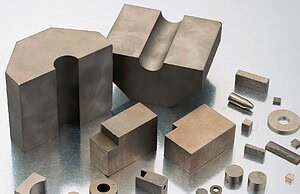
Молибден механически более податлив, чем вольфрам — меньшая твердость, более высокая пластичность при комнатной температуре и DBTT, которая обычно ниже температуры окружающей среды. Основная проблема — защита поверхности реза от окисления.
Чистый молибден (≥99,51% Mo)
| Параметр | Рекомендуемый диапазон | Примечания |
|---|---|---|
| Диаметр проволоки | 0,35–0,50 мм | Стандарт 0,42 мм |
| Натяжение проволоки | 150–200 Н | Ниже вольфрама — Mo менее плотный и более мягкий |
| Скорость движения проволоки | 35–55 м/с | Может работать немного ниже вольфрама |
| Скорость подачи | 0.5–1.5 mm/min | В 2–3 раза быстрее чистого вольфрама |
| Охлаждающая жидкость | Водосодержащая смазочно-охлаждающая жидкость | Выполняет двойную функцию: охлаждение + барьер от окисления |
| Ширина пропила | 0,45–0,55 мм | Стандарт |
| Шероховатость поверхности | Ra 0.4–0.8 мкм | Лучше вольфрама — Mo более однородный |
| Температура резки | < 40°C на заготовке | Критично — необходимо оставаться значительно ниже порога окисления 500°C |
Молибден режется скорее как прочная нержавеющая сталь, чем тугоплавкая керамика. Скорость подачи в 2–3 раза выше, чем у чистого вольфрама, а риск растрескивания при комнатной температуре намного ниже. Основная проблема качества смещается с предотвращения поломки на предотвращение окисления — обеспечьте поток охлаждающей жидкости и низкую температуру.
Мы иногда наблюдали легкую сероватую поверхностную пленку на срезах молибдена, когда поток охлаждающей жидкости был недостаточным. Это тонкий слой MoO2 (не катастрофический MoO3, но все же нежелательный). Это указывает на то, что зона резания кратковременно превысила 300°C. Решение: увеличить скорость потока охлаждающей жидкости или снизить скорость подачи на 20%.
Сплав TZM (Mo-0,5Ti-0,1Zr)
TZM — это основной молибденовый сплав для высокотемпературных применений — компоненты печей, сопла ракет, штампы для ковки. Добавки титана и циркония улучшают прочность при высоких температурах и сопротивление рекристаллизации, но не изменяют существенно поведение при резке при комнатной температуре по сравнению с чистым Mo.
| Параметр | Рекомендуемый диапазон | Примечания |
|---|---|---|
| Диаметр проволоки | 0,35–0,50 мм | То же, что и чистый Mo |
| Натяжение проволоки | 160–210 Н | Немного выше — TZM тверже чистого Mo |
| Скорость движения проволоки | 40–55 м/с | Тот же диапазон |
| Скорость подачи | 0,4–1,2 мм/мин | На 10–20% медленнее чистого Mo из-за более высокой твердости |
| Охлаждающая жидкость | Водосодержащая смазочно-охлаждающая жидкость | Те же требования к защите от окисления |
| Шероховатость поверхности | Ra 0,5–1,0 мкм | Немного грубее чистого Mo |
Более высокая твердость TZM (HV 250–320 против HV 200–280 для чистого Mo) означает немного более низкие скорости подачи и скромно более короткий срок службы проволоки. Но поведение при резке предсказуемо — мы не видели внезапных разрушений из-за растрескивания, которые делают чистый вольфрам таким нервирующим.
Mo-La (молибден, легированный оксидом лантана)
Mo-La используется в электронике и осветительных приборах. Частицы La2O3 (обычно 0,5–1,0 вес.%) диспергированы по всей структуре зерна и действуют как измельчители зерна. Для целей резки Mo-La ведет себя почти идентично чистому молибдену. Используйте те же параметры.
Единственное отличие: Mo-La имеет тенденцию производить немного больше режущих отходов, потому что частицы оксида создают места микротрещин на поверхности реза. Увеличьте частоту фильтрации охлаждающей жидкости, если вы обрабатываете Mo-La партиями.
Как сравниваются вольфрам и молибден на практике?
| Фактор | Чистый вольфрам | Чистый молибден |
|---|---|---|
| Скорость подачи | 0,2–0,5 мм/мин | 0.5–1.5 mm/min |
| Риск растрескивания | Очень высокий (ниже DBTT) | Низкий (выше DBTT при комнатной температуре) |
| Риск окисления | Умеренный (выше 400°C) | Высокий (выше 500°C) |
| Время службы проволоки | 3–5 дней (8 ч/день) | 5–7 дней (8 ч/день) |
| Требуется предварительный нагрев | Да (рекомендуется 40–50°C) | Нет |
| Время резки для поперечного сечения 20 мм | 40–100 мин | 13–40 мин |
| Оценка сложности | Самый твердый металл, который мы режем | Умеренная — сравнима с Ti-6Al-4V |
Итог: молибден режется в 2–3 раза быстрее и гораздо реже трескается. Если ваше приложение может использовать любой из материалов, молибден обрабатывать значительно проще.

Какое оборудование вам понадобится?
Для подготовки образцов вольфрама и молибдена жесткость станка имеет большее значение, чем для любого другого материала. Экстремальная плотность вольфрама (19,3 г/см³) и высокое натяжение проволоки (180–220 Н) означают, что рама станка должна поглощать значительные силы без деформации.
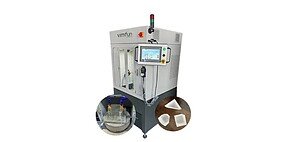
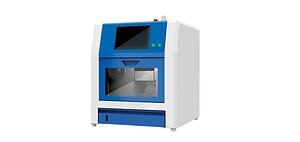
Наш сайт SG20 обрабатывает образцы вольфрама и молибдена высотой до 20 мм. Портальная рама обеспечивает жесткость, необходимую для резки при высоком натяжении, а точность ±0,03 мм обеспечивает постоянные поперечные сечения для металлографического анализа. Для чистого вольфрама мы рекомендуем использовать SG20 с алмазных проволочных петель с гальваническим покрытием диаметром 0,42 мм — гальваническое покрытие обеспечивает агрессивное воздействие алмаза, необходимое для твердых тугоплавких металлов.
Для более крупных деталей из вольфрама или молибдена (сечение 30–60 мм) SGSM40 обеспечивает привод мощностью 4,5 кВт и более прочную конструкцию рамы. Механизм качающейся головки также помогает при длинных разрезах — колебательное движение более равномерно распределяет износ проволоки, продлевая срок службы проволоки на 15–20% по сравнению с линейной подачей.
Ключевые особенности станка для резки тугоплавких металлов:
- Возможность высокого натяжения проволоки — должно выдерживать 220 Н непрерывно без смещения. Точная регулировка натяжения имеет решающее значение — оператор устанавливает целевое натяжение перед резкой и контролирует его на протяжении всего процесса. Чистый вольфрам требует постоянства ±5 Н, поэтому проверяйте натяжение не реже одного раза в 10 минут при длинных разрезах.
- Жесткая рама с гашением вибраций — плотность вольфрама усиливает любые вибрации станка в зоне резки. Даже колебание проволоки на 10 мкм может вызвать микротрещины на чистом W.
- Контроль температуры охлаждающей жидкости — для техники предварительного нагрева чистым вольфрамом до 40–50°C требуется система охлаждения, способная подавать теплую жидкость. Простой проточный нагреватель на линии охлаждения работает.
- Обнаружение обрыва провода — вольфрам достаточно плотный, чтобы оборвавшаяся проволока, отскочив назад, несла значительную энергию. Автоматическое отключение предотвращает повреждение оборудования.
Ограничения и когда алмазная проволока не является правильным выбором
Объем производства. Резка вольфрама со скоростью 0,2–0,5 мм/мин — это изначально малообъемный процесс. Если вам нужно сотни вольфрамовых заготовок в день, электроэрозионная обработка быстрее (хотя и оставляет переплавленный слой, который необходимо шлифовать). Алмазная проволока лучше всего подходит для НИОКР, контроля качества поперечных сечений и мелкосерийного производства до 20–30 штук в день.
Очень большие поперечные сечения. Вольфрамовые блоки шириной более 40 мм увеличивают время резки более чем на 2 часа. Износ проволоки становится нелинейным при таких длительных разрезах, поскольку один и тот же участок проволоки проходит по закаленной поверхности резки тысячи раз. Для блоков толщиной более 50 мм сначала проведите тестовый разрез, чтобы оценить экономическую эффективность срока службы проволоки.
Карбид вольфрама (WC-Co). Это не то же самое, что чистый вольфрам. Композиты на основе карбида вольфрама имеют твердость около HV 1200–1800 — примерно в 3–5 раз тверже чистого вольфрама. WC-Co требует других спецификаций проволоки (более мелкий абразив, более высокая концентрация алмазов) и еще более медленных скоростей подачи. Мы можем резать его, но параметры, приведенные в этой статье, не применимы напрямую. Свяжитесь с нами для получения рекомендаций по WC-Co.
Горячий вольфрам. Некоторые исследователи хотят резать вольфрам выше температуры хрупкости (300–400°C), чтобы полностью избежать проблемы хрупкости. Алмазная проволока не работает при температуре выше ~200°C — связующий материал проволоки и полимерные компоненты станка не выдерживают длительных повышенных температур. Если вам нужна возможность горячей резки, лучше использовать электроэрозионную обработку или лазер.
Практические следующие шаги
Если вы работаете с вольфрамом или молибденом и вам нужны чистые поперечные сечения без трещин или окисления, отправьте нам 2–3 образца для тестового разреза. Мы разрежем их, используя описанные выше параметры, и вернем образцы с измеренной шероховатостью поверхности, точностью размеров и микрофотографиями режущей поверхности.
Для лабораторий, уже использующих резка алмазной проволокой других металлов, переход к тугоплавким металлам требует двух ключевых корректировок: резко снизьте скорость подачи (особенно для вольфрама) и увеличьте натяжение проволоки на 20–30% по сравнению с тем, что вы использовали бы для титана или нержавеющей стали.
Параметры резки в этой статье проверены на соответствие ASTM B760 (спецификация на вольфрамовые плиты/листы) и ASTM B386 (спецификация на молибденовые плиты/листы). Данные по целостности поверхности соответствуют ASTM E3 руководящим принципам подготовки металлографических образцов.
Explore our full range of wire saw solutions for metal and hard materials →