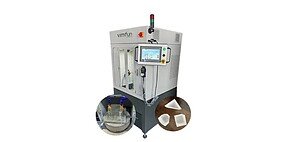
従来のワイヤーソーでは、ワイヤーは一方のスプールからもう一方のスプールへと往復し、数百メートルのワイヤーが切断ゾーンを往復します。エンドレスワイヤーソーでは、ワイヤーは閉じたループになっています。スプールも反転もありません。ワイヤーはベルトのように、連続して一方向に循環します。.
そのループ、つまりダイヤモンド切断ワイヤーのループは、切断ツールであり、機械全体のアーキテクチャを定義する特徴でもあります。ソーのパフォーマンスのすべて — スピード, 正確さ, 、表面仕上げ、運用コスト — は、ループの構造、状態、そしてそれが作業にどれだけ適合しているかにかかっています。.
この記事では、ダイヤモンド切断ワイヤーのループとは何か、どのように作られるか、利用可能なさまざまな種類、そして選択とメンテナンスに関する実践的な決定事項について説明します。.
ダイヤモンド切断ワイヤーのループとは実際には何か
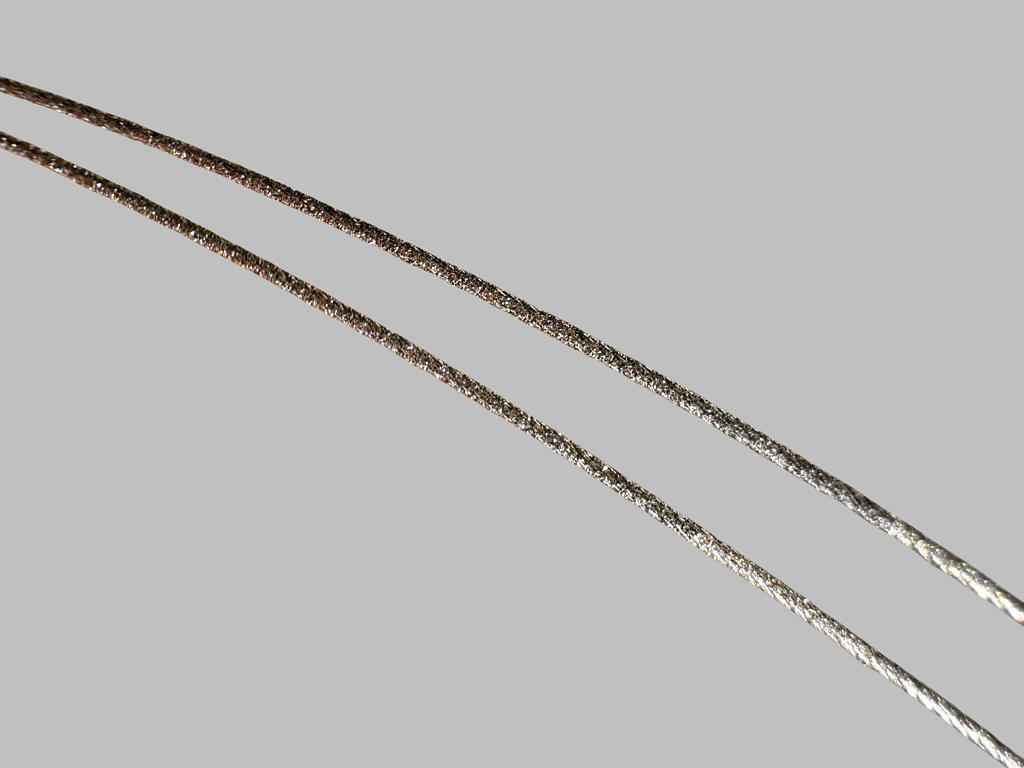
ダイヤモンド切断ワイヤーのループは、ダイヤモンドコーティングされた鋼鉄ワイヤーの連続した閉じた円です。ワイヤーの2つの端は、溶接、ろう付け、または機械的に接続されて、一組の駆動輪とガイド輪の周りを無限に循環できるシームレスなループを形成します。.
ループの長さは機械によって異なります。デスクトップモデルのような SG20 は、より短いループを使用します。大型フォーマットのマシン、例えば SVI80-80 は、より大きなワークピースとより長い切断スパンに対応するために、より長いループを使用します。ループの円周は、ワークピースの最大サイズを決定します。より大きなピースを切断するには、より広いホイールパスを囲む、より長いループが必要です。.
ワイヤーの直径は、用途に応じて通常0.35 mmから1.0 mmの範囲です。切り込み損失が重要な高価な材料の精密切断には、より細いループを使用します。 グラファイトブロック または、切り込み幅よりも耐久性と速度が重要な大型セラミックブランクの重切断には、より太いループを使用します。.
ダイヤモンドワイヤーのループの3つの層
すべてのダイヤモンド切断ワイヤーのループには3つの機能的な層があり、それぞれを理解することで、異なるループタイプが異なるパフォーマンスを発揮する理由がわかります。.
コアワイヤー。. これは構造的な背骨です — 作業張力(用途に応じて通常 100〜200 N)に対応する強度を提供する高張力鋼線です。コアは、負荷がかかった状態でガイドホイールの周りを連続的にサイクリングするため、疲労に耐える必要があります。ピアノグレードまたはスプリングテンパー鋼が標準です。コアの直径は、ループ全体の直径と剛性を決定し、それがワイヤーがカットをどのようにトラッキングするかに影響します。.
結合層。. これはダイヤモンド粒子を所定の位置に保持するものです。結合材と方法は、ループの切断の積極性、寿命、および生成される表面仕上げを決定します。結合の種類については以下で詳しく説明します。.
ダイヤモンド粒子。. 工業用合成ダイヤモンド — 高圧高温(HPHT)合成によって製造された 高圧高温(HPHT)合成 — 一貫したサイズと形状のために選択されます。グリットサイズは、粗いもの(迅速な材料除去用)から細かいもの(滑らかな表面仕上げ用)まであります。粒子のサイズ、濃度、および結合表面からの露出高さはすべて、切断性能に影響します。.
切断ダイヤモンドワイヤーのループの種類
すべてのループが同じではありません。Vimfun は、さまざまな切断条件に合わせて設計されたいくつかのタイプを製造しています。適切なものを選択することは、ほとんどのエンジニアが予想する以上に重要です。同じ機械と材料でループタイプを切り替えるだけで、切断速度が 30% 向上したり、ワイヤー寿命が 2 倍になったりしたケースを見てきました。これは、ループが用途により適合していたためです。.
電着ダイヤモンド・ワイヤー・ループ
精密切断に最も一般的なタイプです。ダイヤモンド粒子は、電気メッキによって堆積されたニッケルの単一層によって保持されます。粒子は結合表面から高く配置され、鋭く、よく露出した切削エッジを持っています。.
電気メッキループ ダイヤモンドの露出が高いため積極的に切断します — 各粒子はパスごとに多くの材料を食い込むことができます。これにより高速になりますが、研磨材では摩耗も速くなります。ニッケル結合は比較的薄いため、粒子が引き抜かれ始めると、ループはすぐに劣化します。.
最高だ: 光学ガラス, クオーツ, サファイア, シリコン, 、および切断速度とクリーンな表面仕上げの両方が重要なほとんどのセラミック材料。.
セグメント・コーティング・ダイヤモンド・ワイヤー・ループ
ワイヤー全体の長さにわたって連続的なダイヤモンド被覆の代わりに、, セグメントコーティングループ は、ダイヤモンドコーティングされたセグメントと裸のワイヤーセグメントが交互になっています。ダイヤモンドセグメントが切断を行い、裸のセグメントはクーラントへのアクセスとカーフ内のデブリの除去を助けます。.
この設計は、切りくずの排出が困難な深い切断に特に役立ちます。長い切断スパンでは、クーラントは切断ゾーンの中央に到達するのが困難です。裸のセグメントは、クーラントを運び込み、デブリを運び出すチャネルとして機能し、切断作用をクリーンに保ちます。.
トレードオフ:セグメントコーティングループは、常にワークピースに接触しているダイヤモンド表面が少ないため、完全にコーティングされたループよりもわずかに遅く切断されます。しかし、多くのデブリを生成する材料の深い切断では、目詰まりしないため、完全にコーティングされたループよりも実際に優れた性能を発揮する可能性があります。.
最適: 深い切り込み、厚いワークピース、クーラントアクセスが制限されている用途。.
スレッドコーティング・ダイヤモンドワイヤー・ループ
5. システムでは、ワイヤー速度とは、メートル毎秒(m/s)で測定される、ワークピース上で移動するワイヤーの線速度を指します。RPMではなく、カットゾーンを通過するダイヤモンドコーティングされた表面の実際の移動速度です。 スレッドコーティングループ, 、ダイヤモンド粒子が樹脂またはコアワイヤーの周りに巻き付けられたスレッドに埋め込まれています。これにより、電着結合とは異なる切削作用が生まれます。樹脂は粒子をそれほど rigidly に保持しないため、結合のわずかなたわみを通じて切削力を吸収できます。.
結果として、切削力が低く、サブサーフェスダメージが少ない、より穏やかな切削が得られます。表面仕上げは、同じ材料の電着ループよりも一般的に滑らかですが、切削速度は低くなります。.
最適: スループットよりも表面の完全性が重要な用途 — R&D サンプル準備、光学部品、デリケートな基板。.
プレミアムおよびプレシジョンループ
Vimfun はまた、 プレミアム そして 精度 グレードのループを提供しており、粒度分布、コーティングの均一性、ジョイントの品質に関する製造公差がより厳しくなっています。これらは、生産バッチ全体の一貫性が重要な用途に指定されています — 例えば、すべてのピースが同じ表面仕様を満たす必要がある光学ガラスのスライス、または実行中にワイヤーが破損すると高価になる高価な基板の切断などです。.
プレミアムという名称は単なるマーケティングではなく、製造中の追加の品質管理ステップを反映しています。より厳密な粒度スクリーニング、より均一な結合厚、およびループが出荷される前の負荷下でのジョイントテストです。.
ジョイント: ループが成功または失敗する場所
すべての切削ダイヤモンドワイヤーループには 1 つのジョイントがあります — ワイヤーの端が閉じた円を形成するために結合される点です。このジョイントはループの最も弱い部分であり、適切に行われない場合のループ破損の最大の原因です。.
ジョイント方法 は、溶接、ろう付け、機械的接合を含み、それぞれ強度、柔軟性、プロファイルにトレードオフがあります。理想的なジョイントは次のとおりです。
- 引張および疲労下でベースワイヤーと同じ強度(またはそれに近い強度)
- 滑らかで均一な直径 — 膨らんだジョイントはワイヤーのコブのように機能し、カットゾーンを通過するたびにカット表面に周期的なマークを作成します。
- ひび割れずにガイドホイールの周りに曲がるのに十分な柔軟性
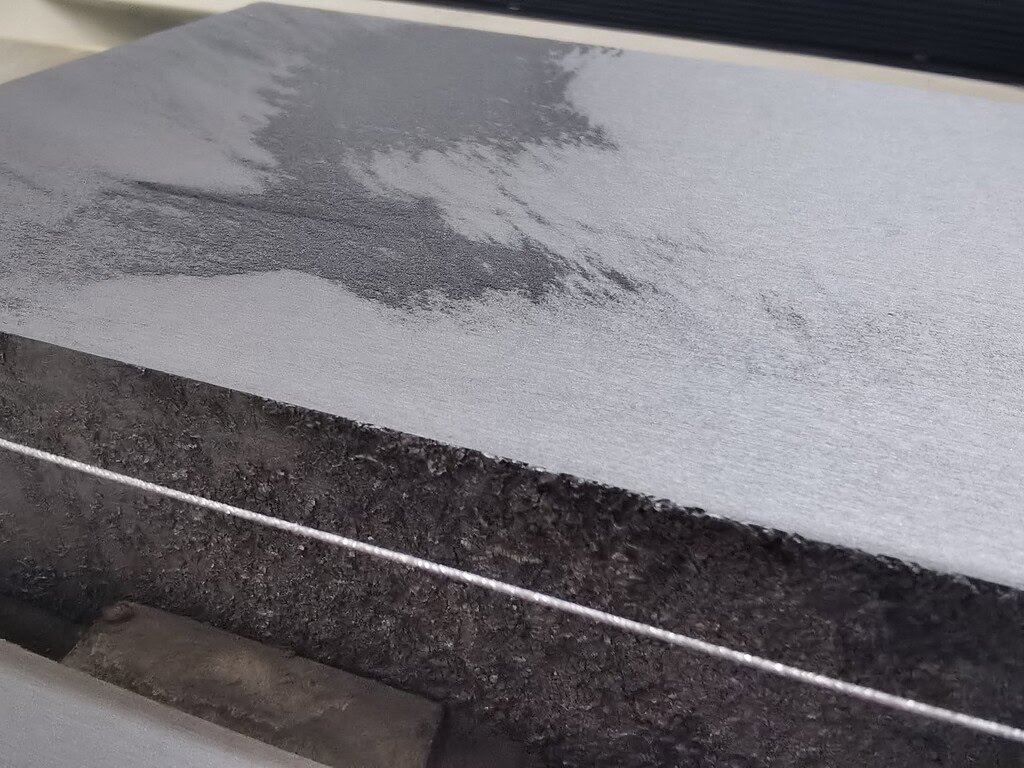
悪いジョイントはかなりはっきりと自己主張します。カット面に単一の線またはマークが一定の間隔で繰り返し現れる場合 — ちょうどループの円周と同じ間隔 — それはジョイントがその署名を残していることを意味します。これは、ジョイントの直径が大きすぎて、循環するたびにワイヤーを通常のカットパスから物理的に変位させていることを意味します。.
ジョイントは一般的な故障箇所であるため、ジョイントエンジニアリングに多大な努力を払ってきました。うまく作られたジョイントは、カットではほとんど見えません。うまく作られていないものは、それ以外は完璧なセットアップを台無しにする可能性があります。.
ループの選択が切断性能にどのように影響するか
アプリケーションに最適な切断ダイヤモンドワイヤーループを選択するには、いくつかの要因のバランスを取る必要があります。決定を検討する方法は次のとおりです。
どのような材料を切断していますか?
硬くて研磨性の高い材料(焼結SiC、アルミナ、サファイア)は、ループの摩耗が速くなります。これらの場合、頑丈な接着剤が必要であり、ワイヤ寿命を延ばすために切断速度が遅くなることを受け入れるかもしれません。電気メッキされたループは機能しますが、短いサービス間隔に備えてください。スレッドコーティングされたループは長持ちしますが、切断は遅くなります。.
より柔らかい材料(グラファイト、グリーンセラミックス、一部の光学ガラス)は、ワイヤに非常に優しくなります。電気メッキされたループは、最小限の劣化でグラファイト上で数日間稼働できます。ここでは、切断速度が優先事項であり、攻撃的な電気メッキされたループが通常正しい選択です。.
カットの深さはどのくらいですか?
浅いカット(30 mm未満)の場合、どのタイプのループでもうまく機能します。クーラントへのアクセスは問題なく、デブリは簡単にクリアされ、ワイヤの弓は最小限です。.
深いカット(50 mm以上)の場合、デブリのクリアランスが重要になります。セグメントコーティングされたループは、ここでその利点を示し始めます。あるいは、あなたの クーラントシステム カットゾーンに十分な流量を供給します — 場合によっては、ループタイプを変更せずにクーラント供給を改善するだけで十分です。.
どのような表面仕上げが必要ですか?
表面粗さが主な仕様である場合、より細かいグリットとスレッドコーティングされた構造がそれを実現します。表面品質と速度のバランスが必要な場合は、中程度のグリットの電気メッキが標準的な選択肢です。.
ダウンタイムに対する許容度はどのくらいですか?
ループの交換には時間がかかります — 古いループを取り外し、新しいループを取り付け、再張力、再アライメントする必要があります。生産スケジュールで頻繁な停止が許容できない場合は、わずかに遅い切断速度を意味する場合でも、サービス寿命を最大化するループタイプと直径を選択してください。.

ワイヤー寿命:予測されること
ダイヤモンドワイヤーロープのワイヤー寿命は、切断される材料と使用される切断パラメータによって大きく異なります。Vimfunのパラメータ参照データに基づくと:
これらは実用的な平均値であり、保証ではありません。実際のワイヤー寿命は、パラメータをどれだけ積極的に使用するかによって異なります。より高い ワイヤー速度, 、より高い張力、およびより高い送り速度はすべてワイヤー寿命を短くします。保守的なパラメータはそれを延長します。.
ループが寿命に近づいている兆候:
- 同じパラメータで切断力が徐々に増加する(同じ送り速度を維持するためにモーターがよりハードに動作する)
- 表面粗さが上昇し始める
- 時折の粒子の引き抜き音—切断中の小さなピン音またはティック音
- ダイヤモンドコーティングが摩耗したワイヤー表面の目に見える剥げた部分
摩耗したループを破損するまで無理に押し続けないでください。切断途中のワイヤー切れは、ワークピース(特に高価な基板)を損傷する可能性があり、切れたワイヤーが鞭のように振れるとガイドホイールを損傷する可能性もあります。性能が低下し始めたら、切れる前にループを交換してください。.
サービス寿命に影響を与える要因の詳細な分析については、当社のガイドを参照してください。 ダイヤモンドワイヤーの寿命を切断する.
ループワイヤー vs. 従来のオープンエンドワイヤー
従来のマルチワイヤーソーの経験がある場合、ループの概念は制限的であるように思われるかもしれません。1本のワイヤーが一度に1回の切断を行うのに対し、数百本の平行なワイヤーが同時に100枚のウェーハをスライスします。そして、高生産量で同じ厚さのウェーハ生産においては、マルチワイヤーソーは依然として標準的なツールです。.
しかし、 ループ方式 は柔軟性と精度において真の利点があります。
ワイヤースプールの管理が不要。. 従来のソーはスプールあたり20〜30 kmのワイヤを使用しており、ワイヤが供給スプールから巻き取りスプールへ移動する際のその長さにわたる張力の管理は常に課題です。ループは固定長で、一定の張力で動作します。よりシンプルなシステム、より少ない変数。.
反転マークがない。. 単方向の動きにより、往復ソーが各ストローク反転時に生成する周期的な表面マークがなくなります。これは、表面の一貫性が重要な光学および電子基板にとって重要です。.
材料の柔軟性。. マルチワイヤソーで材料を変更することは、主要なセットアップ変更です。異なるワイヤ、異なるスラリー、異なる張力マップが必要です。ループソーでは、ループを交換し、いくつかのパラメータを調整して切断を開始します。これにより、ループソーはR&Dラボ、プロトタイプショップ、および複数の材料タイプを処理する施設に最適です。.
スケーラビリティ。. より大きなワークピースを切断する必要がありますか?より長いループを使用してください。機械アーキテクチャは、マルチワイヤシステムにさらに多くの並列ワイヤを追加するよりもシンプルにスケーリングします。.
トレードオフはスループットです。1日に500枚の同一のシリコンウェーハを切断する場合、マルチワイヤソーが有利です。5つの異なる厚さの5つの異なる材料を厳しい公差で切断する場合、ループソーが有利です。.
注文とリードタイム
切断用ダイヤモンドワイヤループは消耗品です。定期的に使用するため、在庫を確保することで生産の中断を回避できます。.
Vimfunワイヤの生産リードタイムは約7日です。ガイドホイール(これも摩耗し、定期的な交換が必要)のリードタイムは約10日です。生産環境では、最も一般的なジョブに合わせてサイズ調整されたループを常に少なくとも2〜3個在庫しておくことをお勧めします。.
注文時には、ループの円周(機械に合わせる)、ワイヤの直径、グリットサイズ、およびコーティングタイプ(電着、セグメント、またはスレッド)を指定してください。アプリケーションに最適な構成がわからない場合は、材料と公差の要件に基づいて推奨できます。.
ループ選択が長期的なコストにどのように影響するかについての質問については、 ダイヤモンドワイヤー切断パラメータ, 、それらのガイドで詳細を確認できます。.
関連するダイヤモンドワイヤー切断リソース
完全なループ選択がどのように適合するかを学ぶ カッティング・ダイヤモンド・ワイヤー アプリケーション。.