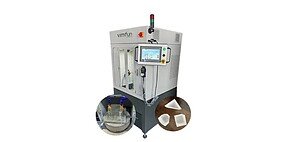
Dans une scie à fil traditionnelle, le fil va d'une bobine à une autre et revient — des centaines de mètres de fil, faisant des allers-retours dans la zone de coupe. Dans une scie à fil sans fin, le fil est une boucle fermée. Pas de bobines. Pas d'inversion. Le fil circule dans une seule direction, en continu, comme une courroie.
Cette boucle — la boucle de fil diamanté de coupe — est à la fois l'outil de coupe et la caractéristique déterminante de toute l'architecture de la machine. Tout sur la façon dont la scie fonctionne — vitesse, précision, la finition de surface et le coût d'exploitation — est lié à la construction, à l'état de la boucle et à la façon dont elle est adaptée au travail.
Cet article explique ce qu'est une boucle de fil diamanté de coupe, comment elle est fabriquée, les différents types disponibles, ainsi que les décisions pratiques concernant la sélection et la maintenance.
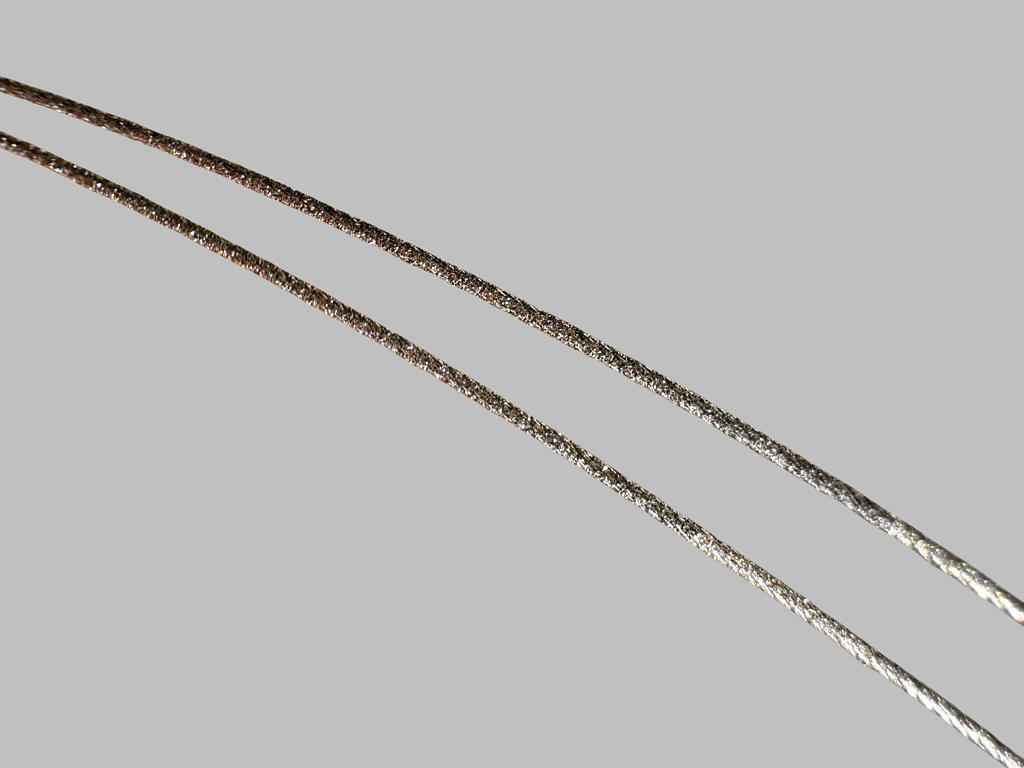
Ce qu'est réellement une boucle de fil diamanté de coupe
Une boucle de fil diamanté de coupe est un cercle fermé continu de fil d'acier revêtu de diamants. Les deux extrémités d'une longueur de fil sont jointes — soudées, brasées ou connectées mécaniquement — pour former une boucle sans couture qui peut circuler indéfiniment autour d'un ensemble de roues motrices et de guidage.
La longueur de la boucle dépend de la machine. Les modèles de bureau comme le SG20 utilisent des boucles plus courtes. Les machines grand format comme le SVI80-80 utilisent des boucles plus longues pour accueillir des pièces plus grandes et des portées de coupe plus longues. La circonférence de la boucle détermine la taille maximale de la pièce — pour couper une pièce plus grande, vous avez besoin d'une boucle plus longue qui s'enroule autour d'un chemin de roue plus large.
Les diamètres de fil vont généralement de 0,35 mm à 1,0 mm, selon l'application. Boucles plus fines pour la coupe de précision de matériaux coûteux où la perte de matière compte. Boucles plus épaisses pour la coupe intensive de blocs de graphite ou de grandes ébauches en céramique où la durabilité et la vitesse sont plus importantes que la largeur de coupe.
Les trois couches d'une boucle de fil diamanté
Chaque boucle de fil diamanté de coupe a trois couches fonctionnelles, et la compréhension de chacune d'elles permet d'expliquer pourquoi les différents types de boucles fonctionnent différemment.
Fil de noyau. C'est l'épine dorsale structurelle — un fil d'acier à haute résistance qui fournit la force nécessaire pour supporter la tension de travail (généralement 100–200 N selon l'application). Le noyau doit résister à la fatigue car il tourne continuellement autour des roues guides sous charge. L'acier de qualité piano ou acier trempé à ressort est standard. Le diamètre du noyau détermine le diamètre global de la boucle et sa rigidité, ce qui affecte la façon dont le fil suit la coupe.
Couche de liaison. C'est ce qui maintient les grains de diamant en place. Le matériau et la méthode de liaison déterminent l'agressivité de la coupe de la boucle, sa durée de vie et la finition de surface qu'elle produit. Plus d'informations sur les types de liants ci-dessous.
Grains de diamant. Diamant synthétique de qualité industrielle — produit par synthèse haute pression haute température (HPHT) — sélectionné pour une taille et une forme constantes. La granulométrie varie de grossière (pour un enlèvement de matière rapide) à fine (pour des finitions de surface lisses). La taille du grain, la concentration et la hauteur d'exposition au-dessus de la surface de liaison affectent tous les performances de coupe.
Types de boucles de fil diamanté de coupe
Toutes les boucles ne sont pas identiques. Vimfun produit plusieurs types, chacun conçu pour différentes conditions de coupe. Choisir le bon est plus important que ce que la plupart des ingénieurs s'attendent — nous avons vu des cas où le passage d'un type de boucle à un autre sur la même machine et le même matériau améliorait la vitesse de coupe de 30% ou doublait la durée de vie du fil, simplement parce que la boucle était mieux adaptée à l'application.
Boucle en fil de diamant galvanisé
Le type le plus courant pour la coupe de précision. Les grains de diamant sont maintenus par une seule couche de nickel déposée par galvanoplastie. Les grains se situent haut au-dessus de la surface de liaison, avec des arêtes de coupe nettes et bien exposées.
Boucles électrodéposées coupent agressivement car l'exposition du diamant est élevée — chaque grain peut mordre plus de matière par passe. Cela les rend rapides, mais signifie aussi qu'elles s'usent plus rapidement sur les matériaux abrasifs. La liaison en nickel est relativement mince, donc une fois que les grains commencent à se détacher, la boucle se dégrade rapidement.
Meilleur pour : verre optique, quartz, saphir, silicium, et la plupart des matériaux céramiques où la vitesse de coupe et une finition de surface nette sont toutes deux importantes.
Boucle de fil diamanté enrobé par segment
Au lieu d'une couverture diamantée continue sur toute la longueur du fil, les boucles à segments revêtus ont des sections revêtues de diamant alternant avec des sections de fil nu. Les segments diamantés font la coupe ; les sections nues aident à l'accès du liquide de refroidissement et à l'évacuation des débris dans la saignée.
Cette conception est particulièrement utile pour les coupes profondes où l'évacuation des copeaux est un défi. Sur une longue portée de coupe, le liquide de refroidissement peine à atteindre le milieu de la zone de coupe. Les segments nus agissent comme des canaux qui transportent le liquide de refroidissement vers l'intérieur et les débris vers l'extérieur, maintenant l'action de coupe propre.
Compromis : les boucles enduites de segments coupent légèrement plus lentement que les boucles entièrement enduites car moins de surface de diamant est en contact avec la pièce à tout moment. Mais sur les coupes profondes dans des matériaux qui génèrent beaucoup de débris, elles peuvent en fait surpasser les boucles entièrement enduites car elles ne se bouchent pas.
Idéal pour : coupes profondes, pièces épaisses, applications où l'accès au liquide de refroidissement est limité.
Boucle de fil diamanté enrobé de fil
Dans une boucle enduite de fil, les grains de diamant sont incorporés dans une résine ou un fil enroulé autour du fil central. Cela crée une action de coupe différente par rapport aux liants électrodéposés — la résine maintient les grains moins rigidement, leur permettant d'absorber une partie de la force de coupe par une légère flexion du liant.
Le résultat est une coupe plus douce avec des forces de coupe plus faibles et moins de dommages sous-jacents. La finition de surface est généralement plus lisse que celle des boucles électrodéposées sur le même matériau, mais la vitesse de coupe est plus faible.
Idéal pour : applications où l'intégrité de la surface est plus importante que le débit — préparation d'échantillons R&D, composants optiques, substrats délicats.
Boucles Premium et de Précision
Vimfun propose également des boucles de qualité premium et précision avec des tolérances de fabrication plus serrées sur la distribution de la taille des grains, l'uniformité du revêtement et la qualité des joints. Celles-ci sont spécifiées pour les applications où la cohérence sur un lot de production est essentielle — par exemple, le tranchage de verre optique où chaque pièce doit répondre aux mêmes spécifications de surface, ou la coupe de substrats coûteux où une défaillance du fil en cours de production serait coûteuse.
La désignation premium n'est pas qu'un argument marketing — elle reflète des étapes de contrôle qualité supplémentaires pendant la fabrication : un criblage plus fin des grains, une épaisseur de liant plus uniforme et des tests de joints sous charge avant l'expédition de la boucle.
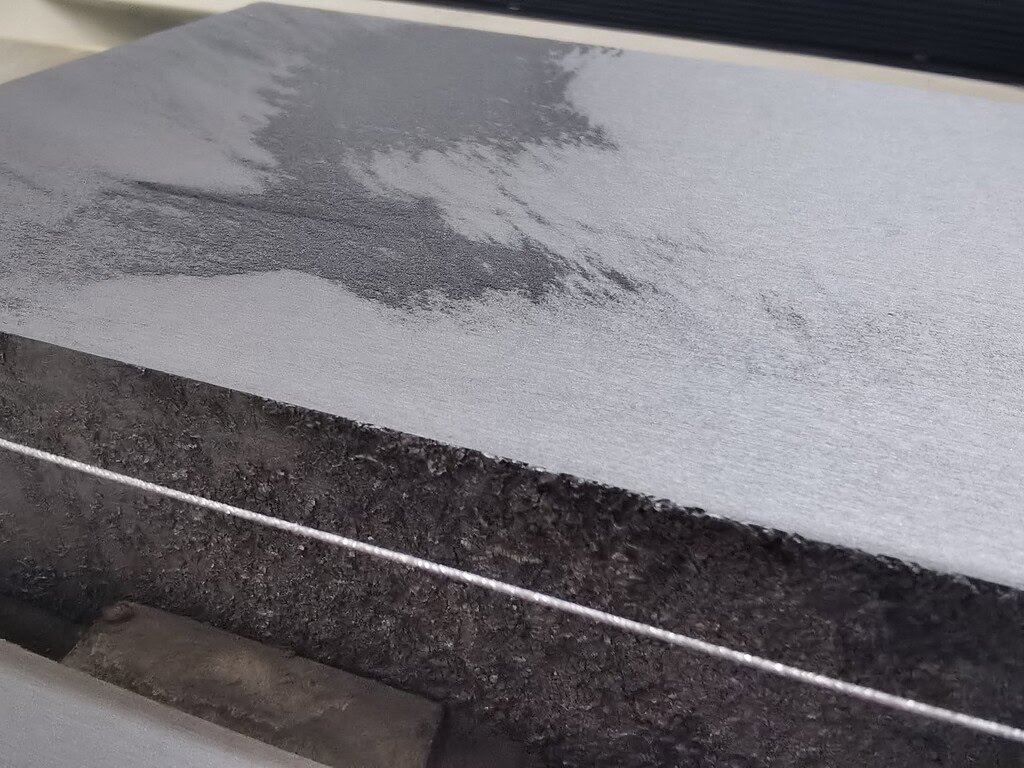
Le Joint : Là où les Boucles Réussissent ou Échouent
Chaque boucle de fil diamanté de coupe a un joint — le point où les extrémités du fil se rejoignent pour former le cercle fermé. Ce joint est le point le plus faible de la boucle et la principale source de défaillance de la boucle s'il n'est pas réalisé correctement.
Méthodes de joint incluant le soudage, le brasage et l'assemblage mécanique, chacun avec des compromis en termes de résistance, de flexibilité et de profil. Le joint idéal est :
- Aussi résistant que le fil de base (ou proche de celui-ci) sous tension et en fatigue
- Lisse et uniforme en diamètre — un joint bombé agit comme une bosse sur le fil, créant une marque périodique sur la surface coupée chaque fois qu'il passe dans la zone de coupe
- Assez flexible pour se courber autour des roues de guidage sans se fissurer
Un mauvais joint s'annonce assez clairement. Si vous voyez une seule ligne ou marque se répétant à intervalles réguliers sur votre surface coupée — espacée exactement d'une circonférence de boucle — c'est le joint qui laisse sa signature. Cela signifie que le diamètre du joint est trop important et qu'il déplace physiquement le fil de son chemin de coupe normal à chaque circulation.
Nous avons consacré des efforts considérables à l'ingénierie des joints précisément parce que c'est un point de défaillance courant. Un joint bien fait est presque invisible dans la coupe. Un joint mal fait peut ruiner une configuration par ailleurs parfaite.
Comment la sélection de la boucle affecte les performances de coupe
Choisir la bonne boucle de fil diamanté de coupe pour votre application implique d'équilibrer plusieurs facteurs. Voici comment aborder la décision :
Quel matériau coupez-vous ?
Les matériaux durs et abrasifs (SiC fritté, alumine, saphir) usent les boucles plus rapidement. Pour ceux-ci, vous voulez une liaison robuste et vous pouvez accepter une vitesse de coupe plus lente en échange d'une durée de vie plus longue du fil. Les boucles électrodéposées fonctionnent, mais soyez prêt à des intervalles de service plus courts. Les boucles enduites de fil durent plus longtemps mais coupent plus lentement.
Les matériaux plus tendres (graphite, céramiques vertes, certains verres optiques) sont beaucoup plus doux pour le fil. Les boucles électrodéposées peuvent fonctionner pendant des jours sur du graphite avec une dégradation minimale. Ici, la vitesse de coupe est la priorité, et une boucle électrodéposée agressive est généralement le bon choix.
Quelle est la profondeur de la coupe ?
Pour les coupes peu profondes (moins de 30 mm), tout type de boucle fonctionne bien. L'accès au liquide de refroidissement n'est pas un problème, les débris s'évacuent facilement et la déformation du fil est minimale.
Pour les coupes profondes (50 mm et plus), l'évacuation des débris devient critique. Les boucles enduites de segments commencent à montrer leur avantage ici. Alternativement, assurez-vous que votre système de refroidissement fournit un débit adéquat à la zone de coupe — parfois une meilleure alimentation en liquide de refroidissement suffit sans changer de type de boucle.
Quelle finition de surface désirez-vous ?
Si la rugosité de surface est la spécification principale, un grain plus fin et une construction de fil enduit vous y mèneront. Si vous avez besoin d'un équilibre entre qualité de surface et vitesse, le placage électrolytique avec un grain moyen est le choix standard.
Quelle est votre tolérance aux temps d'arrêt ?
Le remplacement de la boucle prend du temps — vous devez retirer l'ancienne boucle, installer la nouvelle, retendre et réaligner. Si votre calendrier de production ne peut pas tolérer des arrêts fréquents, choisissez un type de boucle et un diamètre qui maximisent la durée de vie, même si cela signifie une vitesse de coupe légèrement plus lente.

Durée de vie du fil : à quoi s'attendre
La durée de vie d'une boucle de fil diamanté de coupe varie considérablement en fonction du matériau coupé et des paramètres de coupe utilisés. Basé sur les données de référence des paramètres de Vimfun :
- Coupe graphite: environ 7 jours à raison de 8 heures/jour d'utilisation
- Coupe verre optique: environ 5 jours à raison de 8 heures/jour
- Coupe de céramiques frittées et de saphir : 3 à 5 jours selon la dureté du matériau et la vitesse d'avance
Ce sont des moyennes pratiques, pas des garanties — votre durée de vie réelle du fil dépend de l'agressivité avec laquelle vous utilisez les paramètres. Plus les paramètres sont élevés vitesse du fil, plus la tension est élevée et plus la vitesse d'avance est élevée, plus la durée de vie du fil est courte. Des paramètres conservateurs la prolongent.
Les signes qu'une boucle approche de la fin de sa vie :
- La force de coupe augmente progressivement avec les mêmes paramètres (le moteur travaille plus dur pour maintenir la même vitesse d'avance)
- La rugosité de surface commence à augmenter
- Sons occasionnels de décollement de grains — petits clics ou tic-tacs pendant la coupe
- Taches chauves visibles sur la surface du fil où le revêtement diamanté s'est usé
Ne poussez pas une boucle usée jusqu'à la rupture. Une rupture de fil en milieu de coupe peut endommager la pièce (en particulier les substrats coûteux) et potentiellement endommager les roues de guidage si le fil cassé fouette. Remplacez la boucle lorsque les performances commencent à se dégrader, pas lorsqu'elle casse.
Pour une analyse détaillée de ce qui affecte la durée de vie, consultez notre guide sur la durée de vie des fils diamantés.
Boucle vs fil traditionnel à extrémité ouverte
Si vous venez d'un environnement de scie multi-fils traditionnelle, le concept de boucle peut sembler limitant — un fil effectuant une coupe à la fois, contre des centaines de fils parallèles tranchant cent tranches simultanément. Et pour la production de tranches à haut volume et d'épaisseur identique, les scies multi-fils restent l'outil standard.
Mais l' approche par boucle présente de réels avantages en termes de flexibilité et de précision :
Pas de gestion de bobine de fil. Les scies traditionnelles utilisent 20 à 30 km de fil par bobine, et la gestion de la tension sur cette longueur, à mesure que le fil migre de la bobine d'alimentation à la bobine réceptrice, est un défi constant. Une boucle a une longueur fixe, fonctionnant à tension constante. Système plus simple, moins de variables.
Pas de marques d'inversion. Le mouvement unidirectionnel élimine les marques de surface périodiques que produisent les scies alternatives à chaque inversion de course. Ceci est important pour les substrats optiques et électroniques où l'uniformité de surface est critique.
Flexibilité des matériaux. Changer de matériau sur une scie multi-fils est un changement de configuration majeur — fil différent, boue différente, carte de tension différente. Sur une scie à boucle, vous changez la boucle, ajustez quelques paramètres et commencez à couper. Cela rend les scies à boucle idéales pour les laboratoires de R&D, les ateliers de prototypage et les installations qui traitent plusieurs types de matériaux.
Évolutivité. Besoin de couper une pièce plus grande ? Utilisez une boucle plus longue. L'architecture de la machine évolue plus simplement que l'ajout de fils parallèles supplémentaires à un système multi-fils.
Le compromis est le débit. Pour découper 500 wafers de silicium identiques par jour, une scie multi-fils est gagnante. Pour découper cinq matériaux différents de cinq épaisseurs différentes avec des tolérances serrées, une scie à fil est gagnante.
Commande et délai de livraison
Les fils diamantés pour scie à fil sont des consommables — vous les utiliserez régulièrement, et avoir du stock en main évite les interruptions de production.
Le délai de production des fils Vimfun est d'environ 7 jours. Les galets — qui s'usent également et nécessitent un remplacement périodique — ont un délai de livraison d'environ 10 jours. Pour les environnements de production, nous recommandons de garder au moins 2 à 3 fils en stock en permanence, dimensionnés pour vos travaux les plus courants.
Lors de la commande, spécifiez : la circonférence du fil (correspondant à votre machine), le diamètre du fil, la granulométrie et le type de revêtement (électrodéposé, segmenté ou fileté). Si vous n'êtes pas sûr de la configuration la mieux adaptée à votre application, nous pouvons vous conseiller en fonction de vos exigences en matière de matériaux et de tolérances.
Pour les questions sur la façon dont la sélection du fil affecte le coût à long terme et paramètres de coupe au fil diamanté, ces guides fournissent des détails supplémentaires.
Ressource connexe sur le fil diamanté de coupe
Apprenez comment la sélection de boucle s'intègre dans le système complet coupe du câble diamanté applications.