Sawing titanium alloys is not simply a matter of applying more cutting force. Low thermal conductivity keeps heat close to the cutting zone, while the material’s strength, elasticity and chemical reactivity can increase tool wear, burr formation and surface damage. The right process therefore depends on the titanium grade, workpiece geometry, required finish and acceptable material loss.
This guide explains where endless diamond wire sawing can fit among conventional sawing, wire EDM, abrasive waterjet and thermal cutting methods. It is intended for engineers evaluating Ti-6Al-4V, commercially pure titanium and other titanium alloy stock before a sample-cut trial.
Why Titanium Alloys Are Difficult to Cut
Titanium alloys combine valuable mechanical properties with several characteristics that complicate machining. These issues should be reviewed together rather than treated as separate defects.
- Heat concentration: titanium transfers heat slowly, so frictional heat can remain near the cutting interface. Coolant selection, wire condition and stable feed are important even when the process has a lower thermal load than laser or plasma cutting.
- Work hardening and elastic recovery: rubbing or an unstable feed can harden the local surface and increase contact with the cutting tool.
- Burrs and edge deformation: inadequate support, excessive feed or unsuitable process parameters can leave burrs and distort thin features.
- Tool loading and wear: titanium can react with cutting-tool materials at elevated temperatures. Debris removal and consistent wire exposure therefore affect both cut stability and surface quality.
- Material loss: titanium stock is valuable. Kerf width, allowance for finishing and the number of cuts should be considered before production.
For a broader overview of difficult metallic workpieces, see our hard metal cutting guide.
Titanium Grade and Workpiece Information
Do not select a cutting recipe from the material name alone. Grade, heat treatment and starting form can change cutting behavior. The following information is a practical starting point for process review.
| Material or condition | Typical workpiece information to confirm | Why it matters |
|---|---|---|
| Commercially pure titanium (Grades 1-4) | Grade, thickness, annealed or cold-worked condition | Strength and deformation behavior vary by grade and condition. |
| Ti-6Al-4V (Grade 5) | Bar, plate, forging or additive part; heat-treatment condition | A common high-strength alloy that requires controlled heat and stable cutting parameters. |
| Thin sections or near-net-shape parts | Minimum wall thickness, unsupported span and allowed edge deformation | Fixture design may be as important as cutting speed. |
| High-value billets or custom alloys | Material certificate, dimensions, cut quantity and finishing allowance | Determines acceptable kerf, sample strategy and inspection plan. |
Titanium Alloy Cutting Methods Compared
| Method | Useful when | Main points to evaluate |
|---|---|---|
| Band or circular sawing | General stock separation and larger production sections | Blade wear, tooth loading, cutting force, burrs and finishing allowance |
| Abrasive waterjet | Complex profiles or when a heat-affected zone must be avoided | Taper, abrasive embedment, edge finish, water exposure and operating cost |
| Laser or plasma cutting | Fast profile cutting on suitable sheet and plate | Heat-affected zone, oxidation, dross and thickness limits |
| Wire EDM | Accurate contours in electrically conductive titanium | Recast layer, dielectric requirements, speed and surface-integrity specification |
| Endless diamond wire sawing | Low-force separation, valuable stock and parts needing a narrow, controlled cut | Wire specification, coolant compatibility, fixture rigidity, feed stability and sample-cut results |
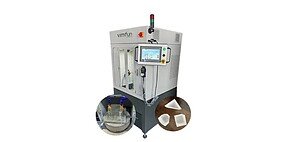
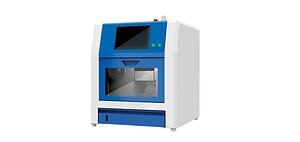
No single method is best for every titanium component. Geometry, downstream machining and the customer’s acceptance criteria should decide the process. Our wire saw equipment for metal cutting page shows the machine context for this type of application.
Where Endless Diamond Wire Sawing Fits
An endless diamond wire removes material through distributed abrasive contact along a continuously moving loop. Compared with toothed cutting, this can reduce concentrated impact on the workpiece. Compared with thermal processes, it does not rely on melting the titanium. Frictional heat is still present, so the process should never be described as heat-free.
Controlled kerf and material use
Wire diameter, abrasive coating and runout influence the effective kerf. For expensive billets, a narrower controlled cut may preserve more usable material, but the actual saving must be confirmed against the required finishing allowance.
Low cutting force and stable support
Distributed abrasive cutting can be useful for thin, delicate or high-aspect-ratio parts. Low force alone does not guarantee accuracy: wire tension, guide alignment, fixture rigidity and feed stability remain essential.
Cooling and debris control
Where the material and process allow wet cutting, coolant can carry heat and debris away from the interface. Dry or restricted-fluid applications require a different wire, extraction and test strategy. See the guide to wire speed, tension and feed rate for the relationship between the main operating variables.
Parameters to Confirm Before a Cutting Trial
| Item | Information required | Trial output to record |
|---|---|---|
| Material | Titanium grade, condition and material certificate | Cut behavior and any surface discoloration |
| Workpiece | Dimensions, shape, quantity and clamping area | Stability, edge condition and dimensional deviation |
| Cut target | Cut path, kerf allowance, flatness and surface-finish requirement | Actual kerf, flatness and visible surface condition |
| Wire setup | Wire diameter, coating pattern, abrasive size and loop length | Wire wear, cutting time and cut consistency |
| Machine parameters | Wire speed, tension, feed and guide spacing | Load trend, vibration and feed stability |
| Cooling and cleaning | Wet or dry requirement, approved fluid and debris handling | Temperature behavior, debris evacuation and cleaning result |
Final settings should be established by testing the customer’s actual grade and geometry. Generic parameter values can create false confidence when fixture, wire and acceptance requirements differ.
Typical Titanium Alloy Applications
Aerospace stock and development components
Titanium alloys are used in airframe and engine-related applications because of their strength-to-weight ratio and corrosion resistance. During development or material preparation, the cutting plan should protect traceability and leave enough allowance for the specified finishing process.
Medical and precision components
For medical or other controlled applications, cutting is only one step in a qualified process. Surface condition, cleaning, contamination control and downstream validation remain the responsibility of the manufacturer’s approved workflow.
Automotive, marine and industrial parts
Applications may include lightweight parts, corrosion-resistant components, laboratory samples and custom blanks. Production suitability depends on section size, cycle-time target and the total cost of cutting plus finishing.
Frequently Asked Questions
Can diamond cut titanium?
Industrial diamond abrasive can remove titanium when the wire, coating, machine and process parameters are suitable. This is different from the ambiguous question of whether a piece of titanium can cut a diamond gemstone.
Does diamond wire sawing eliminate heat damage?
No cutting process should be assumed to eliminate heat. Diamond wire sawing is a mechanical abrasive process rather than a melting process, but friction still generates heat. Wire speed, feed, coolant and debris removal must be tested.
Can the same settings be used for every titanium grade?
No. Commercially pure titanium, Ti-6Al-4V and other alloys differ in strength and processing condition. Workpiece size and support also change the result, so a sample cut is recommended before production.
How can burrs and material loss be reduced?
Use stable workholding, avoid rubbing from an unsuitable feed, maintain the wire and guides, and define the acceptable kerf and finishing allowance before the trial. Record the exit edge and cut surface rather than relying only on cutting time.
What information is needed for a titanium cutting test?
Provide the grade, condition, dimensions, drawing or cut path, quantity, coolant restrictions and required surface or dimensional result. You can request a sample cutting evaluation with these details.
Selecting a Process for Titanium Alloy Sawing
Endless diamond wire sawing is worth evaluating when low cutting force, controlled kerf and preservation of valuable titanium stock are important. The decision should still be based on measured sample results and comparison with the alternatives. Vimfun Smart Equipment can review the workpiece and propose a test setup before machine selection.