Большинство инженеров, впервые устанавливающих алмазную проволоку, задают один и тот же вопрос: с какой скоростью должна работать проволока? Короткий ответ — для большинства твердых и хрупких материалов — от 30 до 60 м/с. Но реальный ответ зависит от того, что вы режете, какая чистота поверхности вам нужна и как долго должна прослужить проволока.
Скорость резки алмазной проволокой — это единственный наиболее регулируемый параметр на станке. В отличие от натяжения или диаметра проволоки, которые вы обычно устанавливаете один раз и не трогаете во время работы, скорость проволоки можно настраивать в реальном времени. Понимание того, что она контролирует — а что нет — сэкономит вам бракованные детали, сломанные проволоки и много времени на метод проб и ошибок.
Что на самом деле контролирует скорость проволоки
В резка алмазной проволокой системе скорость проволоки относится к линейной скорости движения проволоки по заготовке, измеряемой в метрах в секунду (м/с). Это не обороты в минуту — это фактическая скорость движения алмазного покрытия через зону резки.
Почему это важно? Потому что скорость проволоки определяет, сколько алмазных зерен контактирует с материалом в секунду.
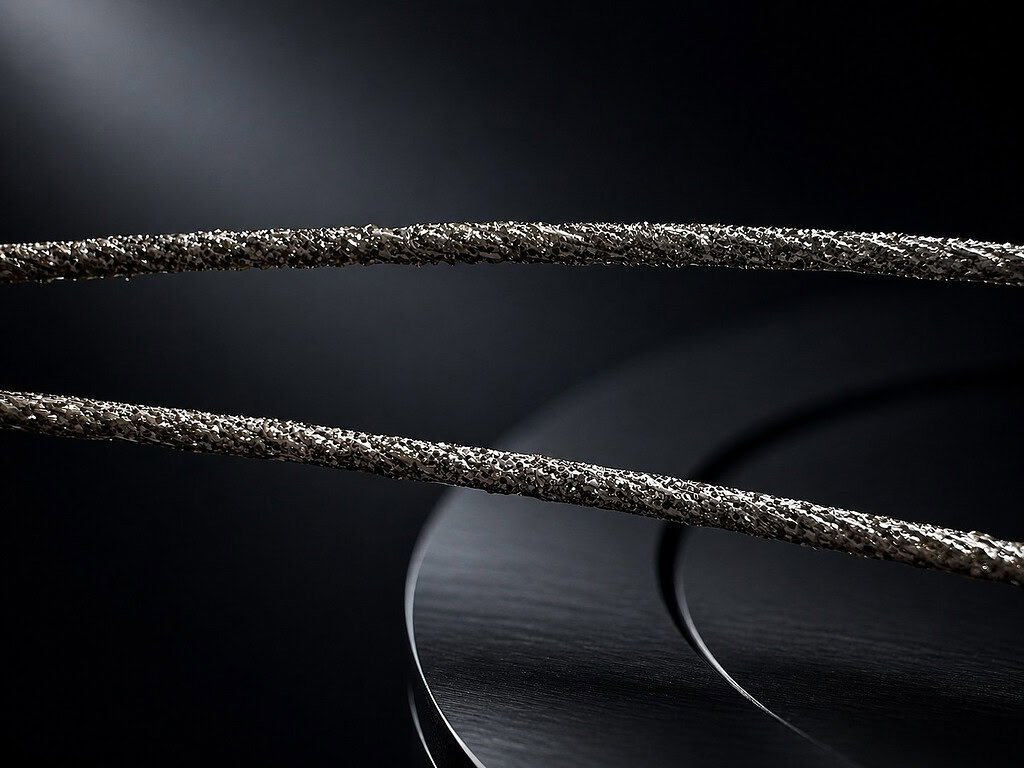
A петля из алмазной проволоки содержит тысячи алмазных зерен на метр длины проволоки. При более высоких скоростях больше зерен проходит через зону резки каждую секунду. Каждое отдельное зерно удаляет меньшее количество материала за проход, что означает меньшую глубину царапин и, как правило, более гладкую чистовую поверхность.
При более низких скоростях меньше зерен участвует в процессе в секунду, поэтому каждому зерну приходится выполнять больше работы. Увеличивается глубина отдельных царапин, увеличивается съем материала на зерно, и шероховатость поверхности имеет тенденцию к увеличению.
Это основной механизм. Но практическая реальность более сложна, чем “быстрее = лучше”.”
Диапазон скоростей, подходящий для большинства материалов
Бесконечные проволочные пилы Vimfun могут развивать скорость до 80 м/с. Но возможности и рекомендуемый рабочий диапазон — это две разные вещи.
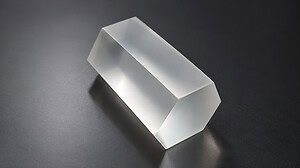
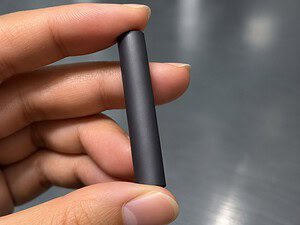
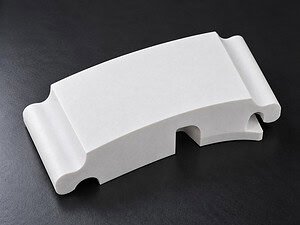
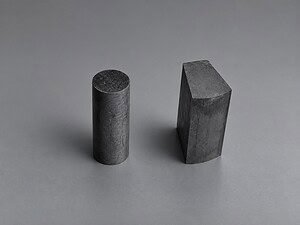
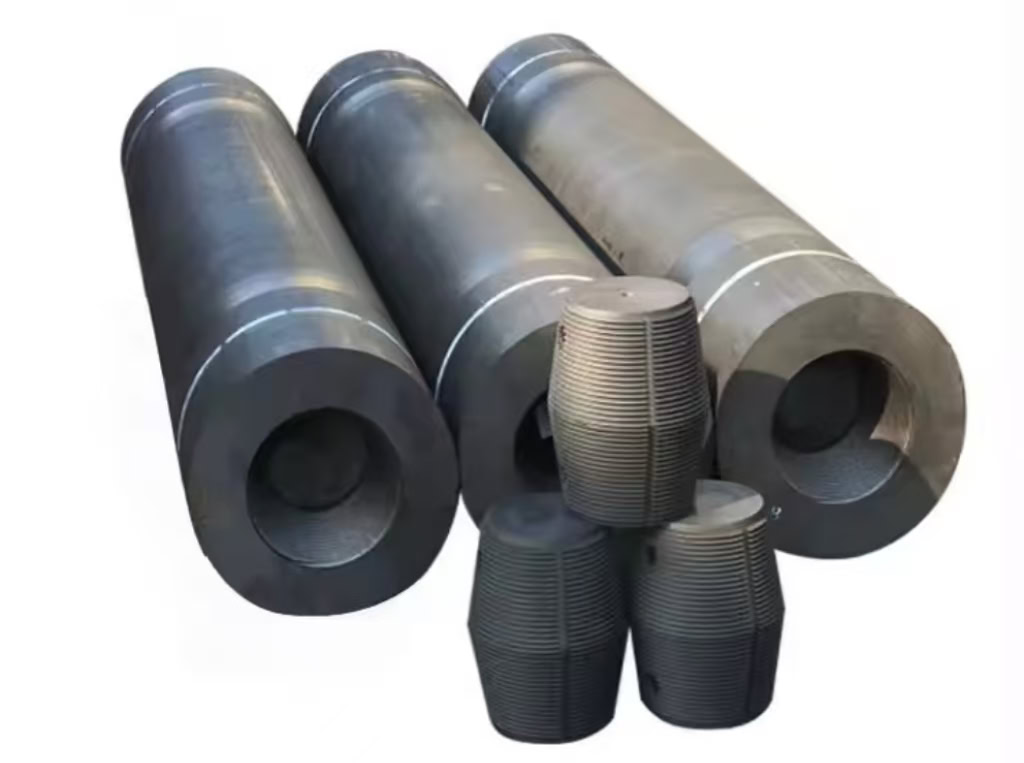
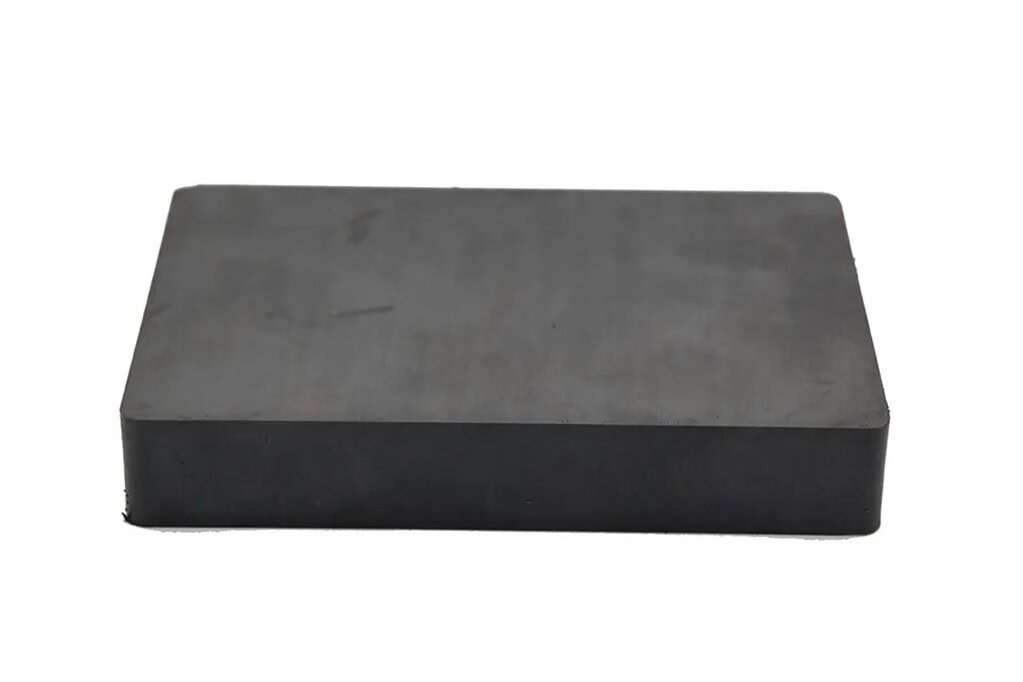
Для большинства применений точной резки — оптическое стекло, кварц, керамика, сапфир, кремний, и магнитные материалы — практический рабочий диапазон составляет от 30 до 60 м/с. Графит можно немного увеличить, до 70 м/с, потому что графит самосмазывающийся и относительно щадящий для проволоки.
Ниже 30 м/с глубина проникновения зерен увеличивается до такой степени, что на большинстве хрупких материалов возникает проблема повреждения под поверхностью. Мы редко опускаемся ниже 20 м/с, если нет конкретной причины — например, при резке пористых металлов, где структура пор у поверхности хрупкая, и агрессивное воздействие зерен на более высоких скоростях может ее разрушить.
При скорости выше 70 м/с наблюдается снижение отдачи. Улучшение качества поверхности от каждого дополнительных 10 м/с становится все меньше, в то время как износ проволоки и чувствительность к вибрации увеличиваются. По нашему опыту, наибольшее улучшение качества поверхности происходит при первом скачке — с 20–30 м/с до 40–50 м/с. Переход с 50 до 70 м/с все еще помогает, но заметно меньше. Превышение 70 м/с редко оправдывает затраты на срок службы проволоки.
Одна вещь, которая нас сбила с толку в начале: мы предположили, что 80 м/с всегда дадут наилучшую поверхность. На керамике из оксида алюминия увеличение скорости с 60 до 80 м/с на самом деле ухудшило ситуацию — не из-за самой скорости, а потому, что более высокая скорость усилила небольшое смещение направляющего ролика, которое было незаметно на более низких скоростях. Проволока начала колебаться в поперечном направлении, и поверхность реза получилась волнистой. Урок усвоен: максимальная скорость работает только тогда, когда выравнивание машины идеально.
Скорость работает не сама по себе — связь с подачей
Здесь кроется большинство недоразумений относительно скорости резки алмазной проволокой. Инженеры увеличивают скорость проволоки в ожидании лучшей поверхности, а иногда ничего не меняется. Почему?
Потому что скорость проволоки и скорость подачи связаны. На самом деле, глубина проникновения зерна — и, следовательно, качество поверхности — определяется соотношением между скоростью движения проволоки и скоростью подачи материала в проволоку.
Если вы удвоите скорость проволоки с 30 до 60 м/с, но также удвоите скорость подачи с 5 до 10 мм/мин, нагрузка на каждое алмазное зерно останется примерно такой же. Вы режете быстрее в абсолютном выражении, но качество поверхности не улучшится, потому что каждое зерно по-прежнему удаляет одинаковую глубину материала за проход.
Практические правила:
Хотите улучшить качество поверхности? Увеличьте скорость проволоки, сохраняя постоянной скорость подачи. Или уменьшите скорость подачи, сохраняя постоянной скорость проволоки. В любом случае, нагрузка на зерно уменьшается, царапины становятся менее глубокими, поверхность улучшается.
Хотите увеличить производительность? Увеличьте скорость подачи, но пропорционально увеличьте скорость проволоки, чтобы сохранить ту же нагрузку на зерно. Качество поверхности остается прежним, но вы проходите материал быстрее.
Хотите увеличить срок службы проволоки? Умеренно оба параметра. Более низкая скорость проволоки означает меньшее термическое циклическое воздействие на связующий слой. Более низкая скорость подачи означает меньшую механическую нагрузку на зерно. Проволока служит дольше, но резка занимает больше времени.
На практике разработка большинства параметров начинается с установки скорости проволоки на 40 м/с и скорости подачи на нижнем пределе рекомендуемого диапазона для материала. Оттуда вы увеличиваете скорость проволоки поэтапно, каждый раз проверяя качество резки, пока улучшение не достигнет плато. Затем вы регулируете скорость подачи, чтобы найти баланс между производительностью и качеством, который соответствует вашим производственным потребностям.
Для получения рекомендаций по скорости подачи для конкретных материалов см. наш параметры алмазной проволоки для резки руководство.
Почему скорость бесконечной петли отличается от скорости возвратно-поступательного движения
Это сравнение имеет значение, если вы оцениваете скорость алмазной проволоки для резки на различных архитектурах станков.
Пильная машина с возвратно-поступательным движением проволоки перемещает проволоку вперед и назад. При каждом изменении направления проволока замедляется до нуля, меняет направление и снова ускоряется. “Номинальная” скорость в спецификации — это пиковая скорость, достигаемая в середине хода — проволока поддерживает эту скорость лишь кратковременно. Средняя эффективная скорость при резке значительно ниже.
Хуже того, точки реверса создают отчетливый узор на поверхности реза. В момент смены направления условия зацепления зерен резко меняются, оставляя видимые следы. Это присуще возвратно-поступательным системам, независимо от того, насколько быстро они работают.
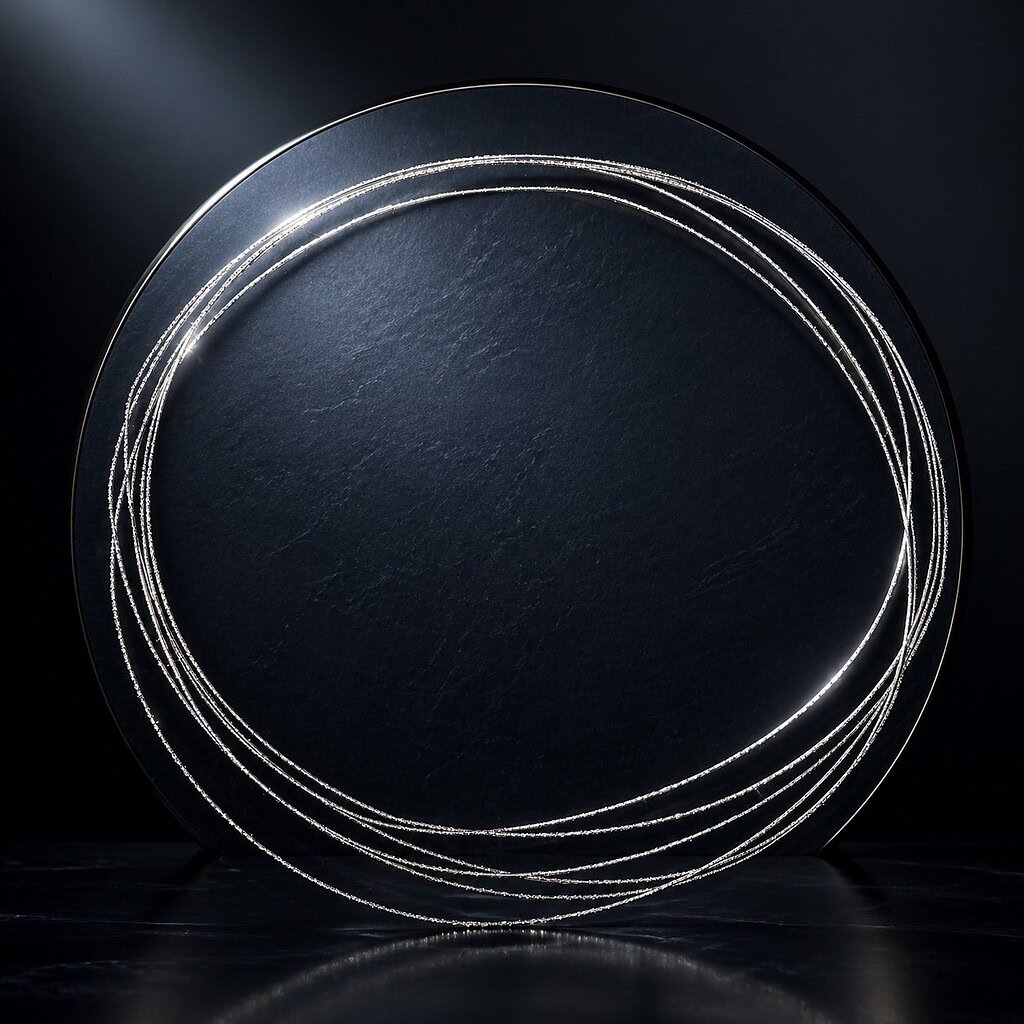
Пильная машина с бесконечной алмазной проволокой работает в одном направлении, непрерывно, с постоянной скоростью. Когда станок настроен на 50 м/с, проволока фактически движется со скоростью 50 м/с в зоне резки все время. Нет замедления. Нет следов реверса. Условия зацепления зерен постоянны, что обеспечивает более равномерную отделку поверхности по всей глубине реза.
Это означает, что вы не должны напрямую сравнивать номинальные скорости между машинами с бесконечной петлей и возвратно-поступательным движением. Бесконечная петля со скоростью 50 м/с обеспечивает значительно больше эффективных контактов зерен в секунду, чем пильная машина с возвратно-поступательным движением с такой же номинальной скоростью. Это одна из основных причин, по которой подход с бесконечной петлей обеспечивает лучшее качество поверхности — преимущество в скорости встроено в архитектуру.
Скорость и срок службы проволоки: компромисс, которым вам придется управлять
Более высокая скорость алмазной проволоки для резки означает больше контактов зерна с заготовкой в секунду. Больше контактов означает больше событий трения. Больше трения означает больше тепла в каждой точке контакта, даже если каждый отдельный контакт чрезвычайно краток.
Со временем этот накопленный термический цикл ослабляет никелевое связующее, которое удерживает алмазные зерна на сердечнике проволоки. Зерна ослабляются и вырываются. Проволока постепенно теряет свою режущую способность — сила подачи увеличивается для той же глубины реза, шероховатость поверхности имеет тенденцию к увеличению, и в конечном итоге проволоку необходимо заменить.
Эта зависимость не является драматичной при умеренных скоростях. Работа на скорости 50 м/с по сравнению с 40 м/с не сократит срок службы проволоки вдвое. Но эффект накапливается при высоких значениях диапазона. Постоянная работа на скорости 70+ м/с на абразивных материалах, таких как спеченный SiC или оксид алюминия, заметно сократит срок службы проволоки по сравнению с более консервативной настройкой 50 м/с.
The material being cut matters enormously here. Graphite is gentle on wire — its self-lubricating nature and low hardness (compared to the diamond grains) mean wire life stays long even at higher speeds. Сапфир and sintered ceramics are the opposite — extremely hard, and every grain contact is a significant wear event. For these materials, running at moderate speed and accepting a slightly longer cycle time often makes more economic sense when you factor in wire replacement costs.
A typical Петля из алмазной проволоки с гальваническим покрытием lasts 3–7 days at 8 hours per day, depending on material and parameters. Speed is one factor in that range — not the only one, but a consistent one.
For a deeper look at what determines wire service life, see our guide on cutting diamond wire lifespan.
Speed-Related Problems and What to Do About Them
These are the most common speed-related issues we encounter in the field:
Surface is rougher than expected even at high speed. The usual culprit is feed rate — it’s too high relative to wire speed, so grain load hasn’t actually decreased. Fix: hold wire speed constant and reduce feed rate by 30–50%. Then re-check the surface.
Wire breaks during high-speed operation. Usually a combination of high speed and high tension creating more stress than the wire can handle. Fix: back off speed to 50–60 m/s and reduce tension by 10–15%. Thin wires (0.35 mm and below) are especially sensitive — they have less cross-sectional area to absorb stress.
Periodic waviness on the cut surface. This is almost always a mechanical issue amplified by speed. Minor guide wheel bearing wear or misalignment that’s invisible at 30 m/s becomes a visible defect at 60+ m/s. Fix: check guide wheel runout with a dial indicator (should be under 0.05 mm). Replace bearings if needed, verify alignment, then gradually increase speed back to the target.
Графитовый провод быстро засоряется на более высоких скоростях. На самом деле это не проблема скорости — это проблема управления отходами. Графитовая пыль забивается между алмазными зернами. Более высокая скорость помогает удалить часть мусора за счет центробежной силы, но этого недостаточно само по себе. Решение: убедитесь, что система пылеудаления работает должным образом. Рассмотрите использование проволоки с более крупным зерном и большим расстоянием между зернами для резки большого количества графита.

Что скорость не может исправить
Стоит прямо сказать, что регулировка скорости алмазной проволоки не решит следующие проблемы:
Изношенная проволока. Когда алмазные зерна потеряли свои режущие кромки или вырвались из связующего, увеличение скорости просто генерирует больше тепла на меньшем количестве оставшихся зерен. Проволока отработала свое — замените ее.
Плохое крепление. Если заготовка смещается или вибрирует во время резки, регулировка скорости является симптоматическим лечением. Сначала закрепите заготовку.
Конусность при глубоком резе. Изгиб проволоки при глубоких резах — это в первую очередь проблема натяжения и скорости подачи. Увеличение скорости фактически незначительно усугубляет изгиб, добавляя аэродинамическое сопротивление к пролету проволоки.
Резка пластичных металлов. Алюминий, медь и другие мягкие металлы засоряют алмазную проволоку при любой скорости. Материал деформируется пластически, а не разрушается, размазываясь по абразивной поверхности. Эти материалы требуют совершенно другого процесса резки.
С чего начать
Если вы настраиваете скорость алмазной проволоки для нового материала или нового применения, эта последовательность работает надежно:
- Начните с 40 м/с. Это безопасная, умеренная отправная точка для практически любого материала, с которым работают станки Vimfun — стекло, кварц, керамика, сапфир, графит, магнитные материалы.
- Установите скорость подачи консервативно — используйте нижний предел диапазона, рекомендованного для вашего материала. Выполните тестовый рез.
- Увеличивайте скорость проволоки на 10 м/с. После каждого шага осматривайте поверхность реза. Прекратите увеличение, когда улучшение между шагами станет незначительным — это ваш практический оптимум для данного материала.
- Затем настройте скорость подачи. После установки скорости проволоки отрегулируйте скорость подачи вверх, чтобы найти баланс между производительностью и качеством, который вам нужен. Если качество поверхности ухудшается сверх ваших спецификаций, уменьшите скорость подачи.
- Записывайте все. Записывайте скорость проволоки, скорость подачи, натяжение, материал, размеры реза, качество поверхности и срок службы проволоки для каждой работы. Это создает библиотеку параметров, которая экономит значительное время при будущих настройках.
Конкретные начальные точки параметров, организованные по типу материала, см. на нашей параметры алмазной проволоки для резки странице. Вопросы о том, как скорость влияет на точность резки, рассматриваются в отдельном руководстве.
Связанные ресурсы по алмазной проволоке
Используйте это руководство по скорости вместе с нашим полным резка алмазной проволокой обзором процесса.