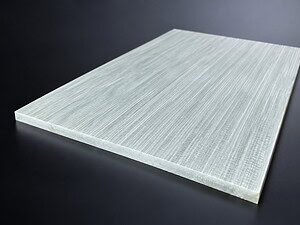
Мы три дня отлаживали режущую линию, которая производила пластины с периодической волнистостью — чистые разрезы на 80% поверхности пластины, затем повторяющийся гребневой узор с интервалом ровно 180 мм. Оператор попробовал трех разных поставщиков петель, сменил охлаждающую жидкость, отрегулировал натяжение и перекалибровал скорость подачи. Ничего не помогло. Проблема оказалась в боковом смещении направляющего шкива на 0,3 мм, которое произошло во время перемещения станка шесть месяцев назад. Это крошечное смещение создало вариацию в выравнивании петли, которая вибрировала через проволоку с частотой вращения петли, оставляя узор отпечатанным на каждом разрезе.
Проблемы с выравниванием петли — самые неприятные дефекты резки для диагностики, потому что они не проявляются при статическом осмотре. Станок выглядит нормально. Проволока проходит все входные проверки. Но как только проволока начинает работать на рабочей скорости, геометрические несовершенства распространяются по системе в виде вибрации, а вибрация переходит в проблемы с качеством поверхности, которые приписывают качеству проволоки, охлаждающей жидкости или ошибке оператора. Эта статья рассказывает о том, как на самом деле работает выравнивание петли, о трех параметрах выравнивания, которые имеют наибольшее значение, и о сигнатурах вибрации, которые говорят вам, что на самом деле не так.

Почему выравнивание петли важнее, чем осознают операторы
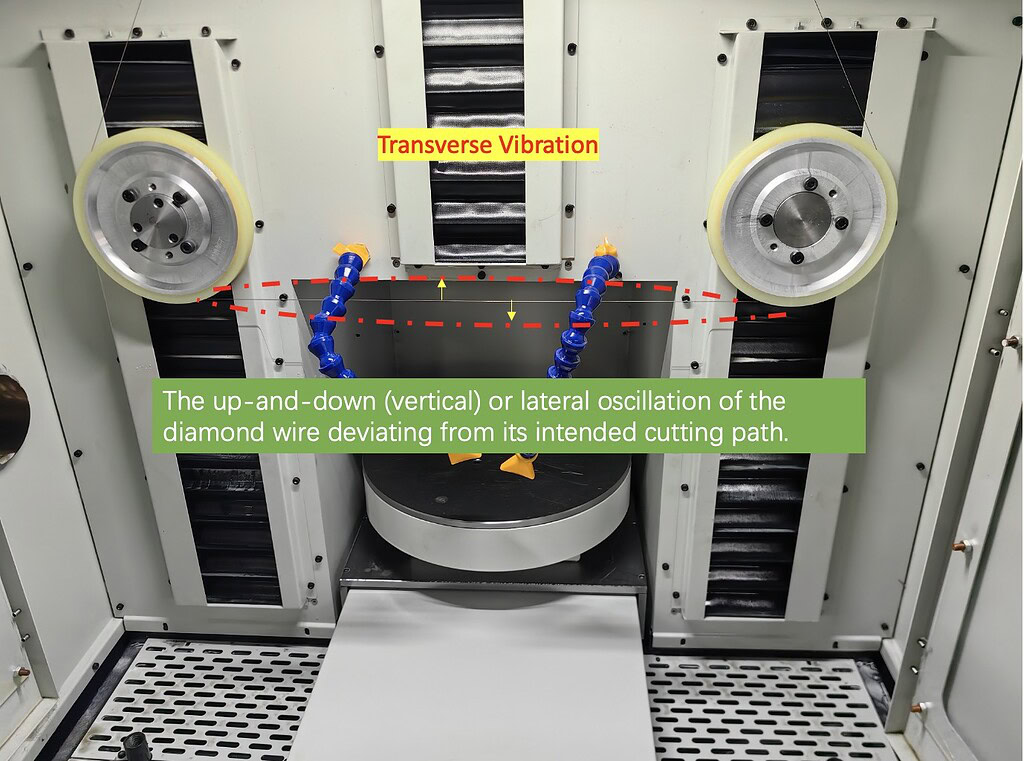
A петля из алмазной проволоки при 50 м/с — это гибкий инструмент, ограниченный определенной геометрической траекторией набором шкивов. Каждый шкив действует как точка опоры и потенциальный источник возмущений. Правильная геометрия обеспечивает прохождение проволоки через стабильную плоскость с предсказуемым напряжением изгиба в каждой точке контакта. Неправильная геометрия вводит боковые силы, крутящую нагрузку и резонансные вибрации — все это ухудшает качество резки.
Связь между выравниванием петли и качеством резки не является тонкой. Мы измерили улучшение шероховатости поверхности на 30-40% только за счет исправления смещенного направляющего шкива, без каких-либо изменений в проволоке, охлаждающей жидкости, скорости подачи или любом другом параметре. Мы видели, как TTV снизился с ±25 мкм до ±8 мкм после однократной коррекции выравнивания на кремний линии пластин.
Причина, по которой проблемы с выравниванием настолько пагубны: они создают симптомы, имитирующие другие виды отказов. Смещенный шкив вызывает неравномерное распределение натяжения, что выглядит как проблема качества проволоки. Он вызывает периодические вибрации, которые выглядят как проблема подшипника. Он вызывает неравномерный износ направляющих колес, что выглядит как проблема обслуживания. Без прямого измерения выравнивания петли вы будете преследовать симптомы.
Три параметра, определяющих выравнивание петли
Выравнивание петли в системе проволочной пилы сводится к трем геометрическим параметрам. Каждый из них имеет допустимое окно, и отклонения за пределами этого окна производят характерные сигнатуры отказов.
Соосность шкивов
Каждый шкив на пути петли — приводной шкив, натяжной шкив, направляющие колеса — должен лежать в общей плоскости в пределах жесткого допуска. Допустимое окно на наших станках составляет ±0,05 мм бокового смещения по всей ширине станка. В противном случае траектория проволоки приобретает легкую S-образную кривую, которая создает боковую силу при каждом проходе.
Симптом: периодические поверхностные метки на заготовке, расположенные с интервалом, равным окружности петли. В приведенном в начале примере боковое смещение 0,3 мм привело к образованию гребней с интервалом 180 мм, потому что окружность петли соответствовала этому интервалу.
Соосность обычно измеряется либо с помощью прецизионной линейки, приложенной ко всем фланцам шкивов, либо с помощью лазерного инструмента для выравнивания. Для станков с общей длиной более 1,5 м лазерное выравнивание фактически обязательно — визуальная оценка с помощью линейки вносит погрешность измерения, которая может маскировать реальные проблемы.
Параллельность шкивов
Ось вращения каждого шкива должна быть параллельна другим в пределах жесткого углового допуска — обычно менее 0,1 градуса. Непараллельные оси заставляют проволоку по-разному отслеживать разные шкивы, вызывая медленное винтовое блуждание по траектории петли.
Симптом: со временем проволока смещается вбок по поверхности шкива. Вы увидите, как она смещается к одному или другому фланцу, и износ направляющего колеса становится неравномерным по профилю колеса. Если ваши направляющие колеса имеют асимметричные следы износа — одна сторона стерта до гладкости, а другая сохраняет острые края — проверьте параллельность, прежде чем винить качество колеса.
Угол натяжения
Угол, под которым натяжной шкив входит в петлю, влияет на распределение натяжения по окружности. Идеальный угол обхвата зависит от конструкции машины — обычно 180 градусов для оптимальной передачи силы — но важно постоянство. Если угол натяжителя смещается во время работы (например, из-за изношенных подшипников на натяжном рычаге), динамическая вариация натяжения увеличивается, а стабильность резки ухудшается.
Симптом: динамическая вариация натяжения выше 3%, несмотря на правильно откалиброванное заданное значение натяжителя. Мы подробно рассмотрели последствия неравномерности натяжения в нашей Анализ распределения напряжений и усталости — коротко говоря, смещение угла натяжения является одной из наиболее распространенных причин “необъяснимой” вариации натяжения.
Как анализ вибрации выявляет проблемы с выравниванием
Проблемы с выравниванием петли создают характерные вибрационные сигнатуры, которые можно обнаружить с помощью базовых приборов. Вам не нужен спектральный анализатор и степень кандидата наук по анализу вибрации — простой акселерометр на раме машины и ноутбук могут диагностировать большинство проблем с выравниванием.
Три важные частотные полосы
Вибрация петли обычно проявляется в трех различных частотных диапазонах, и каждый из них указывает на различную первопричину:
| Частотный диапазон | Типичный источник | Как это звучит |
|---|---|---|
| Частота вращения петли (~50 Гц при 50 м/с) | Неравномерность массы соединения, дефект в одной точке | Ритмичный “щелчок”, синхронизированный с оборотом петли |
| Частоты вращения шкивов (варьируются) | Дефекты подшипников, биение шкива, ошибка копланарности | Дискретный гул на частоте вращения шкива |
| Гармонические составляющие выше 1 кГц | Микровибрация от контакта с абразивом, флаттер проволоки | Широкополосный “шип” |
Если доминирующая вибрация приходится на частоту вращения петли, проблема заключается в самой петле — дисбаланс, плохое соединение (см. наш diamond wire loop structure design guide материал о том, почему однородность соединения важна на скорости) или геометрическая неправильность проволоки. Если она приходится на частоту шкива, проблема связана с машиной. Если она широкополосная и высокочастотная, то это проблема зоны резки, а не структурного выравнивания.
Что говорит амплитуда вибрации
Амплитуда вибрации в зоне резки напрямую коррелирует с ошибкой отслеживания пропила. Измерение вибрации машины следует общим принципам, установленным в стандарте ISO 10816 для оценки механических вибраций машин, хотя конкретные пороговые значения ниже эмпирически получены из наших собственных применений резки:
| Вибрация в зоне резки | Влияние на качество резки |
|---|---|
| < 0,05 мм от пика до пика | Приемлемо для прецизионных применений (полупроводники, оптика) |
| 0,05 – 0,10 мм | Приемлемо для общей резки, риск смещения TTV на тонких срезах |
| 0,10 – 0,15 мм | Погранично; на хрупких подложках могут появиться поверхностные следы |
| > 0,15 мм | Неприемлемо; требуется немедленное расследование |
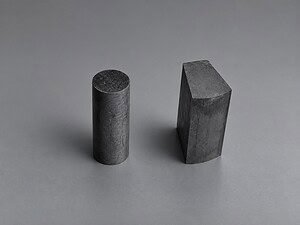
При амплитуде выше 0,15 мм вы увидите видимую волнистость на срезе, повышенные повреждения под поверхностью и ускоренную потерю абразива из-за неравномерной нагрузки при резке. Порог незначительно варьируется в зависимости от подложки — сапфировые и кремниевые пластины требуют более жестких ограничений, чем графитовые или керамические блоки.
Методология измерения
Мы используем простой подход для диагностики вибрации в полевых условиях. Трехосный акселерометр, установленный на раме станка вблизи зоны резки, фиксирует вибрацию в направлениях X, Y и Z. Сигнал передается через модуль сбора данных USB на ноутбук с базовым программным обеспечением для анализа методом БПФ.
При 5-минутном измерении во время стационарной резки график БПФ сразу показывает, где сконцентрирована энергия. Пики на частоте вращения петли указывают на проблемы со стороны петли; пики на частотах вращения шкивов указывают на проблемы с выравниванием или подшипниками; широкополосный шум указывает на динамику зоны резки.
Это не лабораторный анализ вибрации — это диагностический инструмент для устранения неисправностей в полевых условиях. Но он дает однозначные ответы на вопрос “это проблема с проволокой или проблема со станком?”, что обычно и нужно знать.
Колебания скорости: Четвертый скрытый параметр
Скорость проволоки на самом деле не постоянна. Даже в системах с сервоприводом мгновенная скорость колеблется вокруг заданного значения из-за характеристик инвертора привода, изменения нагрузки от резки и механической податливости трансмиссии. Величина и частота этих колебаний напрямую влияют на стабильность резки.
Как выглядят нормальные колебания скорости
На хорошо обслуживаемых станках мгновенная скорость проволоки колеблется в пределах ±1-2% от заданного значения во время стационарной резки. Переходные нагрузки (вход, выход заготовки, переменная твердость материала) могут кратковременно повышать колебания до ±5%. Это нормально и существенно не влияет на качество резки.
Когда колебания скорости становятся проблемой
Колебания скорости выше 3% среднеквадратичного значения во время стационарной резки указывают на проблему. Распространенные причины:
Изношенные приводные ремни или муфта. Механическая податливость в силовом приводе позволяет проволоке двигаться вперед и назад при изменении нагрузки. Заменяйте ремни каждые 2000-3000 часов.
Дрейф настройки инвертора привода. Параметры сервопривода, которые были оптимальными при вводе в эксплуатацию, со временем дрейфуют по мере износа подшипников и изменения трения. Перенастраивайте каждые 12-18 месяцев или после капитального ремонта.
Биение шкива. Если ведущий шкив не является идеально круглым, проволока испытывает периодическое изменение скорости с частотой вращения шкива. Биение выше 0,1 мм требует замены или повторной обработки шкива. Качество балансировки шкива соответствует принципам, изложенным в ISO 21940 для требований к качеству балансировки механических вибраций.
Изменение длины петли. По мере растяжения петель в течение срока службы взаимосвязь между вращением ведущего шкива и линейной скоростью проволоки незначительно изменяется. Это нормально, и контур управления машины обычно компенсирует это, но неисправные датчики могут привести к отклонению от нормы.
Почему колебания скорости важны для качества резки
При постоянной скорости подачи колебания скорости напрямую переводятся в изменение нагрузки на стружку — количество материала, которое каждый алмазный зерно удаляет за проход, варьируется в зависимости от мгновенной скорости. Высокие колебания означают непостоянную загрузку стружки, что означает непостоянную чистоту поверхности и неравномерный износ зерна.
В прецизионных приложениях мы нацелены на колебания скорости ниже 1,5% среднеквадратичного значения. Это обычно требует сервоприводных систем с обратной связью по замкнутому контуру от высокоразрешающего энкодера. Приводы только с инвертором без обратной связи по положению с трудом удерживают колебания ниже 3% при изменяющейся нагрузке.
Как ошибки выравнивания шкивов проявляются при резке
Различные ошибки выравнивания производят отличительные признаки качества поверхности. Как только вы узнаете, что искать, сама поверхность реза диагностирует машину:
Периодические гребни с интервалом, равным шагу петли. Ошибка копланарности или неоднородность массы соединения. Измерьте расстояние между гребнями — если оно точно соответствует окружности петли, это со стороны петли; если оно не соответствует, это со стороны шкива.
Медленный боковой дрейф поперек реза. Ошибка параллельности. Провод блуждает, потому что разные шкивы отслеживают его по-разному. Проверьте угловое выравнивание осей шкивов.
Повышенная общая шероховатость без определенного рисунка. Широкополосная вибрация, обычно вызванная проблемами приводной системы (износ ремня, шум подшипника) или резонансной вибрацией незакрепленного компонента машины.
Асимметричное поперечное сечение пропила (клиновидная форма). Не проблема выравнивания, но стоит упомянуть — это обычно проблема скорости подачи или удержания заготовки, а не геометрии петли.
Следы вибрации с частотами, соответствующими оборотам шкива. Износ подшипника отдельного шкива. Определите, какой шкив, сопоставив частоту вибрации со скоростями шкивов.
(Для систематического рабочего процесса диагностики, охватывающего все эти закономерности, см. наш руководство по устранению неполадок.)
Как мы проверяем выравнивание на наших машинах
Каждая машина покидает наш завод с документированными измерениями выравнивания по всем трем параметрам — копланарности, параллельности и углу натяжения. Но выравнивание со временем смещается, и мы рекомендуем периодическую повторную проверку.
Пусконаладочное выравнивание
При установке мы используем лазерные инструменты для выравнивания, чтобы установить копланарность в пределах ±0,05 мм для всех шкивов и параллельность в пределах ±0,05 градуса. Геометрия системы натяжения проверяется под статической и динамической нагрузкой. Документация включается в отчет о пусконаладке машины.
График повторного выравнивания
Для производственных машин мы рекомендуем проверку выравнивания:
- Каждые 12 месяцев для общей прецизионной резки
- Каждые 6 месяцев для высокообъемных полупроводниковых или оптических применений
- После любого перемещения машины, работ по фундаменту или капитального ремонта
- Когда качество резки ухудшается без видимой причины
Интервалы не являются произвольными — они основаны на том, сколько времени требуется типичным факторам окружающей среды (термические циклы, оседание фундамента, износ компонентов) для накопления измеримого смещения выравнивания. (Подробные процедуры выравнивания см. в нашем Руководство по выравниванию и установке оборудования.)
Поддержка клиентов по повторному выравниванию
Когда клиенты сообщают о проблемах с качеством, которые могут быть связаны с выравниванием, мы предоставляем диагностическую поддержку, а не просто отправляем больше проволоки. Примерно в половине случаев проблема решается проверкой выравнивания, которую клиент выполняет самостоятельно. В другой половине случаев мы отправляем техника для полной проверки выравнивания — обычно это визит на место продолжительностью полдня. Любой из этих подходов намного дешевле, чем замена проволоки, которая на самом деле не является дефектной.
Часто задаваемые вопросы о выравнивании и вибрации петли
Как узнать, связаны ли мои проблемы с резкой с выравниванием или с проволокой?
Замените петлю из другой партии и посмотрите, сохраняются ли симптомы. Если они остаются, проблема на стороне машины — почти наверняка смещение выравнивания, подшипников или натяжения. Если они исчезают, проблема на стороне проволоки. Этот тест занимает 20 минут и экономит недели неправильного устранения неполадок. Мы видели, как клиенты заменяли петли на сумму до 15 000 долларов, преследуя проблему, которая оказалась смещенным направляющим шкивом.
Какие инструменты мне действительно нужны для полевых проверок выравнивания?
Минимум: прецизионная линейка (для плоскостности на небольших машинах), угольник слесаря и индикатор часового типа на магнитном основании. Лучше: лазерный инструмент для выравнивания — модели от Fluke, SKF или Prüftechnik стоят от 3 000 до 8 000 долларов, но окупаются при одной правильной диагностике. Для анализа вибрации базовый USB-акселерометр и FFT-программное обеспечение справляются с 90% полевых случаев.
Может ли анализ вибрации предсказать отказ проволоки до его возникновения?
В некоторой степени, да. Постепенное увеличение амплитуды частоты вращения петли часто предшествует отказам, связанным с соединениями, на десятки часов. Если вы выполняете непрерывный мониторинг FFT, установка оповещения о 50% увеличении амплитуды вращения петли дает вам время для планирования замены проволоки до незапланированного отказа. Это более распространено в производстве полупроводников, чем в общей промышленной резке, где стоимость незапланированного простоя оправдывает оборудование. (Мы более подробно рассматриваем методы прогнозирования ускоренного отказа в нашем испытаниях на усталость петель и сроке службы.)
Насколько точным должно быть натяжение угла?
Для большинства применений подойдет любое значение в пределах ±5 градусов от номинального расчетного угла. Проблемы обычно возникают из-за угла смещения во время работы — изношенный подшипник натяжного рычага, который позволяет углу смещаться на 10-15 градусов под нагрузкой, создает динамическое изменение натяжения, которое сокращает срок службы петли. Статический угол менее важен, чем стабильность угла под нагрузкой резки.
Узнайте, как правильное выравнивание повышает стабильность резки.
Связанный ресурс алмазного проволочного каната
Правильное выравнивание — это часть стабильной петли из алмазной проволоки производительности.