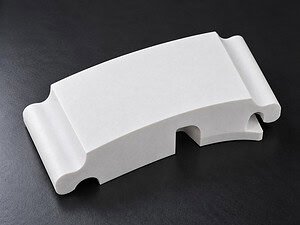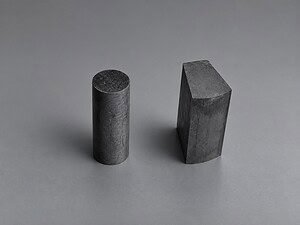
NdFeB磁石は強力でコンパクトですが、切断中に損傷しやすいです。問題は硬度だけではありません。 NdFeB磁石の切断, 、実際のトラブルは通常、脆い結晶粒の破壊、エッジの欠け、コーティングの損傷、ワイヤーの振動、および切り込みに閉じ込められた微細な研削くずから生じます。.
そのため、薄い磁石スライス、実験室サンプル、小さな精密ブロック、または高価値の磁気部品を扱う場合、ダイヤモンドワイヤーソーはブレード切断、研削、EDM、またはレーザー切断よりも適していることがよくあります。ワイヤーは制御された研磨作用によって材料を除去するため、切断力は低く保たれ、切り込みは狭く保つことができます。.
それでも、NdFeBはいい加減なプロセス設定を許容しません。送り速度が高すぎると、磁石のエッジが欠ける可能性があります。クーラントとフラッシングが弱いと、研磨スラリーが切り込み内に残り、表面を傷つける可能性があります。固定具が弱いと、ワークピースが振動し、切断面に波打ちが見られます。私たちの経験では、NdFeBの切断を成功させるには、最大速度よりも、ワイヤーを安定させ、清潔に保ち、材料に軽く接触させることが重要です。.
NdFeB磁石の切断が難しいのはなぜですか?
NdFeB、またはネオジム鉄ホウ素は、焼結された希土類磁性材料です。高い磁気性能を持っていますが、その微細構造は積極的な機械加工には適していません。材料は硬く、脆く、切断力が高すぎると剥がれる可能性のある結晶粒から作られています。.
NdFeB磁石のダイヤモンドワイヤーソーイングを研究している研究者は、切断力、ワイヤーの振動、ワイヤーの横方向の動き、および送り速度がすべて表面形成と破砕の欠けに影響を与えることを報告しています。ある研究では、NdFeBダイヤモンドワイヤーソーイング中の粗い表面形成を理解するために、切断力とワイヤーの横方向の変位の両方を監視しました。別の研究では、より深い研磨剤の浸透がサンプル表面から結晶粒クラスターを剥がし、欠けのピットまたは亀裂を作成できることがわかりました。参考文献: NdFeB磁石のダイヤモンドワイヤーソーイングに関する実験的および理論的研究 そして ダイヤモンドワイヤーソーイング中のNdFeBの表面形成メカニズムに関する実験的研究.
| NdFeBの挙動 | 切断リスク | プロセス応答 |
|---|---|---|
| 硬くて脆い焼結構造 | エッジの欠けと微細な亀裂 | 低い送り速度と安定したワイヤーの動きを使用する |
| 粒子の引き抜き | 表面のピッティングと粗い切断面 | 研磨材の食い込みと送り速度を制御する |
| 熱に敏感なコーティングまたは表面 | コーティングの剥離または局所的な表面変化 | クーラントを使用し、乾式摩擦を避ける |
| 小さな部品の形状 | 振動と固定具の不安定性 | 切断線に近いワークピースを支持する |
| 細かい切削くず | 傷とカーフの詰まり | フラッシングとクーラントろ過を改善する |
ダイヤモンドワイヤーソーはNdFeB磁石をどのように切断しますか?
ダイヤモンドワイヤーソーは、移動するワイヤーに固定されたダイヤモンド研磨粒を使用してNdFeB磁石を切断します。各研磨粒子は少量の材料を除去します。硬いブレードを磁石に押し付ける代わりに、ワイヤーは比較的低い機械的応力で狭い研磨接触ゾーンを作成します。.
もろい磁性材料の場合、その違いは重要です。ブレード切断は、エッジに高い局所圧力を発生させる可能性があります。研削は、熱、表面の亀裂、および重い破片の負荷を引き起こす可能性があります。EDMは導電性材料にのみ機能し、熱影響を受けたエッジを残す可能性があります。レーザー切断は高速ですが、熱影響を受けたゾーンと酸化のリスクは、通常、精密磁気サンプルには理想的ではありません。.
ダイヤモンドワイヤーソーは粗切断よりも遅いですが、切断力、カーフ幅、表面損傷、エッジの欠け、熱入力、薄切り片の安定性、材料損失に対してより優れた制御を提供します。高価値の磁石にとって、材料損失は些細なことではありません。0.35〜0.5 mmのワイヤーは、多くの研磨ホイールセットアップと比較してカーフを削減できます。.
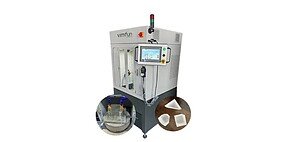
ここでVimfunの ダイヤモンドワイヤー切断技術 がアプリケーションに適合します。このプロセスは、一般的な金属切断方法として設計されていません。硬質で脆く、高価値または扱いにくい材料向けの制御された研磨切断方法です。.
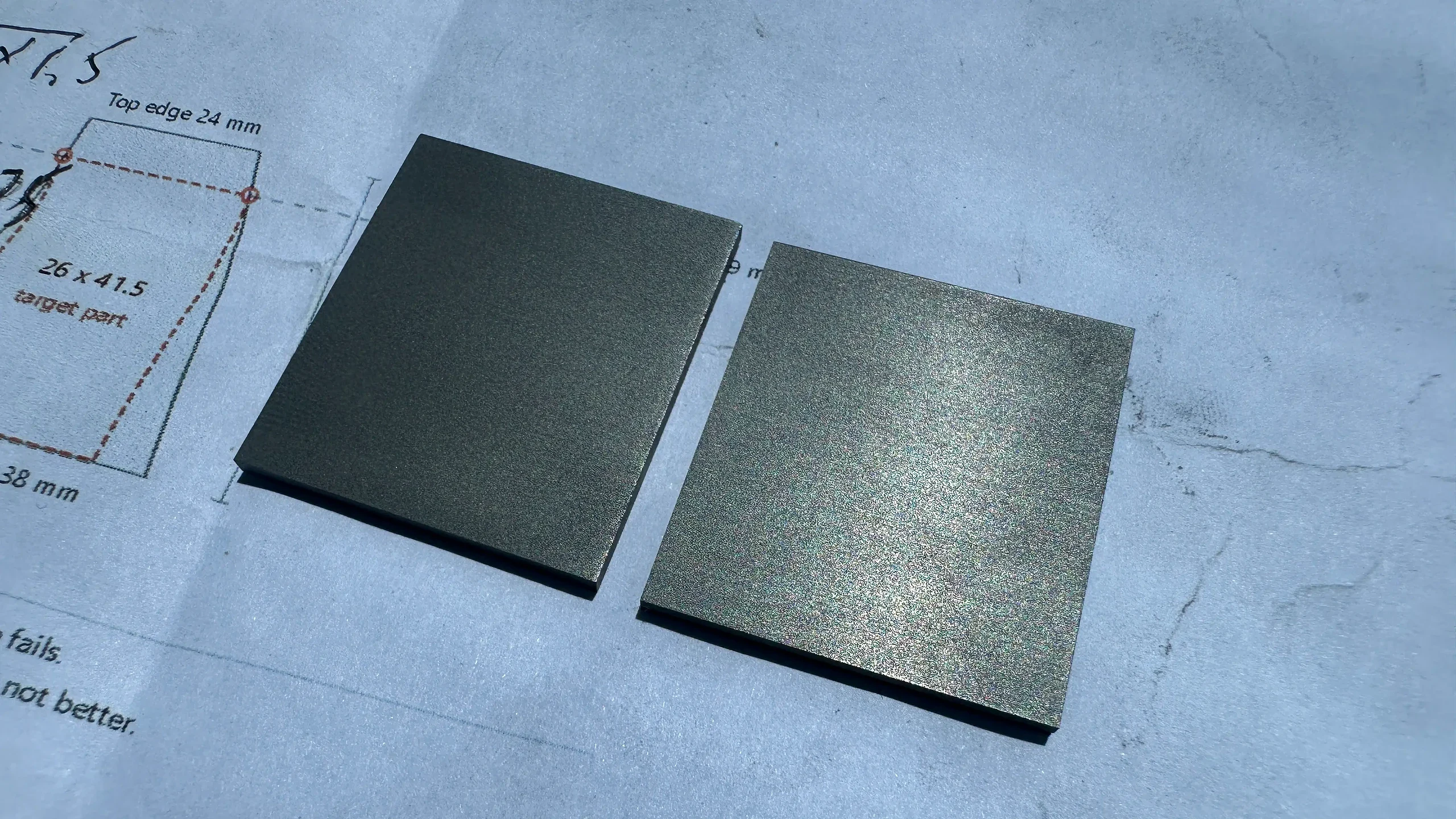
NdFeB磁石切断の推奨プロセスウィンドウ
について NdFeB磁石の切断, 、開始プロセスウィンドウは控えめであるべきです。Vimfunの磁性材料切断範囲に基づくと、実用的な開始点は、0.35〜0.5 mmのダイヤモンドワイヤー、100〜150 Nのワイヤー張力、30〜60 m/sのワイヤー速度、および1.5〜3 mm/minの送り速度です。.
| パラメータ | 推奨開始範囲 |
|---|---|
| ワイヤーの直径 | 0.35~0.5mm |
| ワイヤーテンション | 北緯100~150度 |
| ワイヤースピード | 30~60m/s |
| 送り速度 | 1.5~3 mm/分 |
| 冷却水 | 水性クーラントまたは白色鉱物油 |
| 表面ターゲット | 平坦な表面、最小限のエッジの欠け、安定した寸法精度 |
これらの値は開始点であり、普遍的なレシピではありません。薄い磁石スライスの場合、送り速度の下限近くから開始してください。良好なサポートを備えた大きなブロックの場合、エッジ品質を確認した後、送り速度を上げることができます。磁石が既にコーティングされている場合(Ni-Cu-NiメッキNdFeBなど)、切断前後にコーティングの状態を確認する必要があります。.
初期磁石切断テストで私たちを悩ませたことの1つ:ワイヤー速度を上げても、切断は、デブリがうまく洗い流された場合にのみ改善されます。カーフに細かい研磨スラリーが残っている場合、速度を上げると、緩んだ粒子がより速く循環し、表面をより積極的に引っ掻くだけです。.
- カーフと耐久性のニーズに応じて、0.35〜0.5 mmのダイヤモンドワイヤーを使用してください。.
- 小さな磁石の場合、ワイヤー張力を100〜120 Nに設定します。.
- ワイヤー速度を30〜40 m/sから開始します。.
- 脆いまたは高価な部品の場合、送り速度を約1.5 mm/min使用します。.
- クーラントをワイヤーの出入り領域に直接向けます。.
- 最初の切断で、エッジの欠け、コーティングの剥がれ、表面の波打ちを検査します。.
- カット面が安定してからのみ送り量を増やしてください。.
より広範なパラメータロジックについては、このページはVimfunの ワイヤー速度、張力、送り速度 ガイドを参照してください。.
磁化前にマグネットがカットされる場合、デブリのフラッシングはなぜ重要ですか?
ほとんどのNdFeBブランクは、通常、最終的な磁化前にカットされます。カット中、デブリの問題は機械的なものです。細かいカットデブリと研磨スラリーは、カーフ内に留まり、ワイヤー表面に負荷をかけ、クーラント経路を通って切断ゾーンに戻ることができます。.
| 制御点 | なぜ重要なのか |
|---|---|
| 方向性クーラント | カーフから細かいデブリを押し出す |
| 定期的な治具清掃 | 切断部に緩んだ粒子が戻るのを防ぐ |
| クーラントろ過 | 研磨スラリーの再循環を防ぐ |
| ガイドホイール点検 | デブリの蓄積によるワイヤー動作の妨害を防ぐ |
| 安定したクランプ | 振動と切り込み端の欠けを低減します |
私たちの経験では、3回目または4回目の切断で真実が明らかになることが多いです。クーラントが清潔で、治具が空であるため、最初の切断は良く見えるかもしれません。繰り返し切断した後、細かい破片が作業領域の周りに集まります。オペレーターが治具とクーラント経路を清掃しない場合、設定が変更されていなくても、表面品質はゆっくりと悪化します。.
NdFeB磁石の切断中にエッジの欠けを減らすにはどうすればよいですか?
エッジの欠けを減らすには NdFeB磁石の切断, 、送り速度を控えめに保ち、切断線の近くで磁石を支持し、振動を避け、クーラントがカーフから細かい破片をクリアするようにしてください。研磨材の浸透が攻撃的になりすぎたり、ワイヤーの振動が増加したりすると、欠けは通常悪化します。.
最も一般的な間違いは、NdFeBを通常の金属として扱うことです。そうではありません。NdFeBは、より脆い技術材料のように振る舞います。切断プロセスは、のこぎり引きよりも精密スライスに近いものにする必要があります。.
- ワイヤー速度を減らす前に送り速度を減らします。.
- 切断線の近くで磁石を支持します。.
- 長く支持されていないオーバーハングを避けてください。.
- 清潔で鋭いワイヤーを使用します。.
- クーラントを切込み部に向け続けます。.
- 入口と出口の両方のエッジを検査します。.
- 出口のエッジが欠ける場合は、最後の切断セグメントを遅くします。.
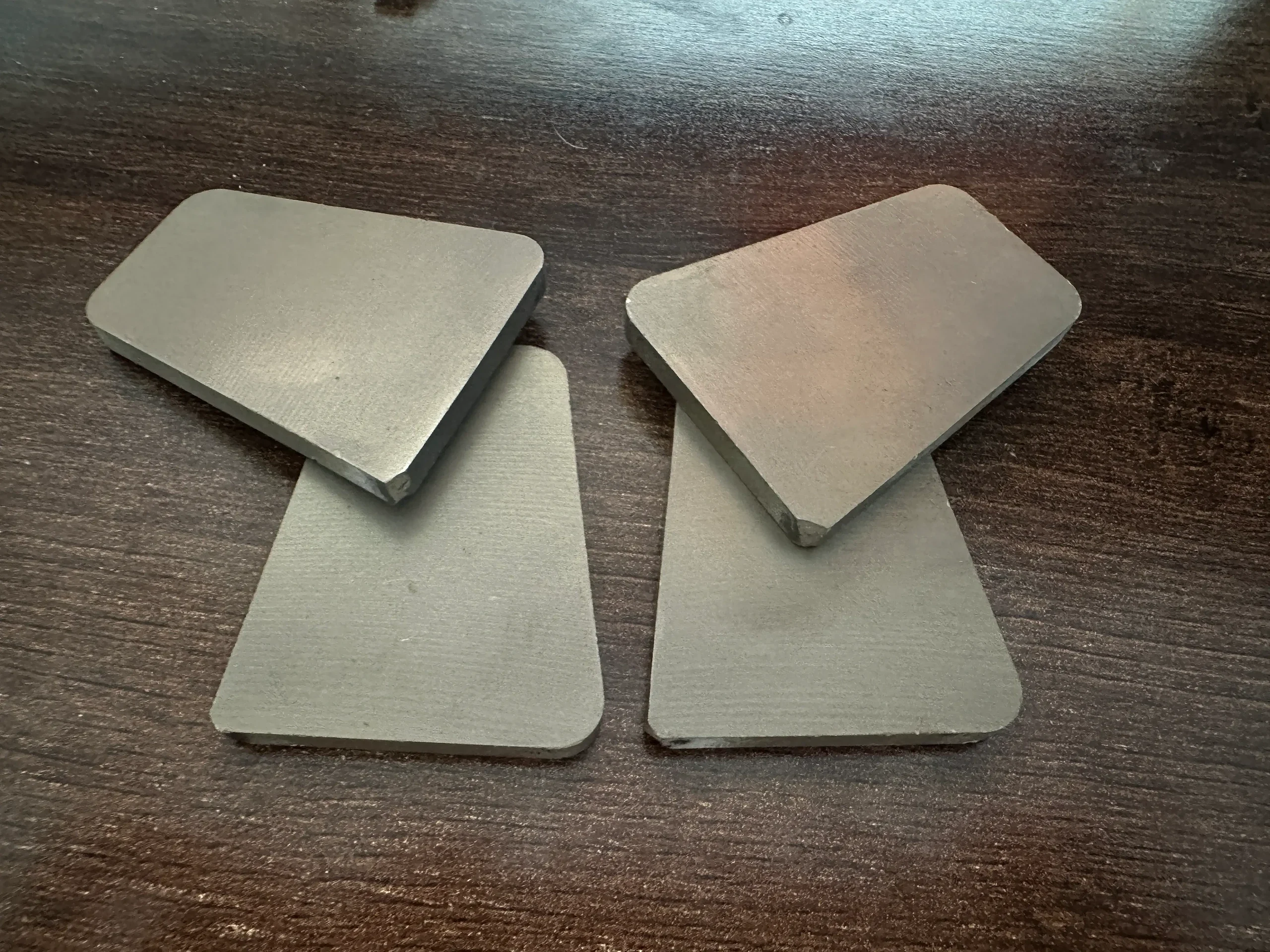
表面品質と寸法管理
良好なNdFeBダイヤモンドワイヤー切断は、粒子の引き出しが少なく、エッジの欠けが最小限の、平坦で一貫した表面を示す必要があります。重度の波打ち、深いワイヤーマーク、コーティングの剥がれ、または表面に埋め込まれた緩い破片を示すべきではありません。.
研究および精密サンプル作業では、生の切断速度よりも3つのことがより重要です。表面粗さ、厚さのばらつき、およびエッジの完全性です。NdFeBダイヤモンドワイヤーソーイングに関する研究では、送り速度、ワイヤー速度、ワイヤーの摩耗、および横方向のワイヤーの動きが表面の形態と波打ちに影響することが示されています。最近のプロセスパラメータ研究では、ダイヤモンドワイヤーソー切断は、テストされた条件下でRa 0.6 μm程度の表面粗さを達成できると報告されています。参照してください。 NdFeB磁石のダイヤモンドワイヤーソー切断におけるプロセスパラメータ分析.
実践的なルールは簡単です。表面にランダムな傷が見られる場合は、デブリとろ過を確認してください。周期的な波が見られる場合は、ワイヤーの振動と張力を確認してください。エッジのピットが見られる場合は、送り量とサポートを確認してください。.
NdFeB磁石切断のための装置選定
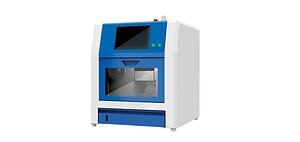
NdFeB磁石の切断には、安定した低速送り、調整可能なワイヤー張力、クリーンなクーラントアクセス、そして小物のための十分な治具の柔軟性を備えた機械が必要です。小規模な磁石サンプルには、大型の生産用ソーよりもコンパクトな精密機械の方が実用的であることが多いです。.
小さなブロック、薄いスライス、および実験室用の磁性材料サンプルには、, SG20 そして SGI20 は、小さくて脆い材料の精密切断用に設計されているため、自然な選択肢となります。.
| 要件 | 機械の特徴 |
|---|---|
| 薄型磁石スライス | 細線と安定した低速送り |
| 小型精密ブロック | コンパクトな治具と正確な位置決め |
| コーティングされたNdFeB磁石 | 低応力切断とクーラント制御 |
| アークまたは形状加工された磁石 | カスタム治具または輪郭加工能力 |
| 反復的な実験室サンプル | 再現可能な張力と保存されたプロセス設定 |
| 安定した表面品質 | クーラントフラッシングとクリーンな治具設計 |
NdFeBに対するダイヤモンドワイヤーソー対研削、EDM、レーザー
NdFeBマグネットは、研削、EDM、レーザー、研磨切断、ダイヤモンドワイヤーソーイングによって成形できます。最適な方法は、部品のサイズ、エッジの品質、熱的限界、カーフ損失、コーティングの状態、および部品が単なる粗いブランクか精密サンプルかによって異なります。.
| 方法 | メリット | NdFeBの制限 |
|---|---|---|
| 研削 | マグネット仕上げに共通 | 熱、破片、エッジの損傷、スライスには遅い |
| EDM | 導電性材料に正確 | 再溶融層と熱影響表面のリスク |
| レーザー | 高速プロファイル切断 | 熱、酸化、コーティング損傷のリスク |
| 研磨ブレード | シンプルな直線切断 | より高い力とエッジの欠けのリスク |
| ダイヤモンドワイヤーソー | 低力、狭いカーフ、スライスに適している | ラフカットよりも遅く、破片の制御が必要 |
高価値サンプル、薄切り、少量バッチ、壊れやすい形状の場合、ダイヤモンドワイヤーカットは機械的ストレスと材料損失を低減するため、通常魅力的です。そのため、このサポートページはメインページにリンクしています。 金属用ワイヤーソー ページ。.
NdFeB磁石切断における一般的な問題
| 問題 | 考えられる原因 | 初期の修正 |
|---|---|---|
| Edge chipping | 送り速度が高すぎる、サポートが不十分 | 送り速度を下げ、出口のエッジをサポートする |
| 表面の傷 | 緩んだ破片の再循環 | フィクスチャを清掃し、ろ過を改善する |
| 波打った切断面 | ワイヤーの振動または不安定な張力 | 張力とガイドホイールを確認する |
| コーティングの剥離 | 過度の力または不十分なサポート | 送り速度を下げ、クランプを改善する |
| ワイヤーローディング | カーフ内に残るデブリ | クーラントの方向性の改善 |
| 低い繰り返し精度 | 時間経過によるデブリの蓄積 | カット間に治具を清掃する |
実世界の警告:1回のカットでセットアップを判断しないでください。少なくとも3回のカットを実行し、3回目のカットが1回目よりも悪化しているかどうかを検査してください。もしそうであれば、問題は基本的なパラメータウィンドウではなく、デブリ制御、クーラントろ過、または治具の清掃である可能性が高いです。.
制限事項とトレードオフ
ダイヤモンドワイヤーソーは、大きな磁石を粗切断する最も速い方法ではありません。もし唯一の要件が研削前の迅速な分離であるならば、別の方法の方が安価かもしれません。磁石が高価で、脆く、小さく、コーティングされており、薄く、または精密試験に使用される場合に利点があります。.
すべてのNdFeB形状に対して「チッピングなし」を約束することはできません。正直な約束は、攻撃的なブレードや研削方法と比較して、応力が低く、制御された切断であり、チッピングのリスクが低減されることです。.
実践的な次のステップ
NdFeB磁石の切断については、部品の形状、コーティングの状態、および表面の要件から始めてください。最初の良い試みは、0.35〜0.5 mmのダイヤモンドワイヤー、100〜150 Nの張力、30〜60 m/sのワイヤー速度、および1.5〜3 mm/minの送り速度を使用することです。控えめに始めて、エッジのチッピングを検査し、各カット後に治具を清掃し、表面が安定してからのみ送り速度を調整してください。.
磁石メーカー、研究室、および精密サンプル準備チームにとって、最大の利点は単にきれいなカットだけではありません。それは繰り返し精度です:同じ治具、同じクーラント経路、同じワイヤーの状態、同じ表面結果。.
ダイヤモンドワイヤーソーによる精密金属切断についてさらに学ぶ。.
関連磁石加工リソース
精密磁石切断の全容については、当社のウェブサイトをご覧ください。 磁石加工 リソースをお読みください。.