Buying a magnet cutting machine is a decision most shops only make once every 5–10 years. Get it right, and the machine pays for itself in reduced scrap, better surface quality, and faster throughput. Get it wrong, and you’re stuck with equipment that doesn’t match your production reality — either too small for your volume or too expensive for your actual needs.
We build エンドレスダイヤモンドワイヤーソー that cut magnets across all three material families — ネオジム鉄B, フェライトそして SmCo. So we’re obviously biased toward wire cutting. But we’ve also talked to hundreds of magnet manufacturers who evaluated multiple cutting technologies before making their decision. This guide is based on the questions they asked and the trade-offs they actually weighed — not just the specs on a brochure.
What Should You Consider Before Choosing a Magnet Cutting Machine?
Before looking at specific machines, answer these five questions. They narrow the field faster than any feature comparison:
1. What material are you cutting?
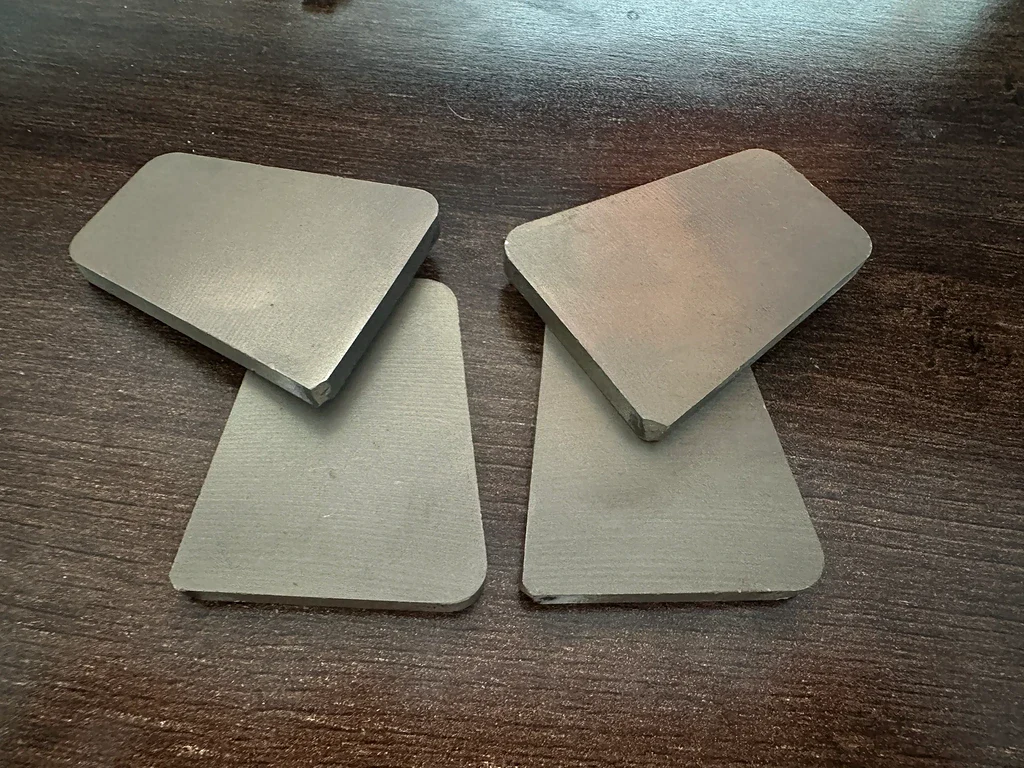
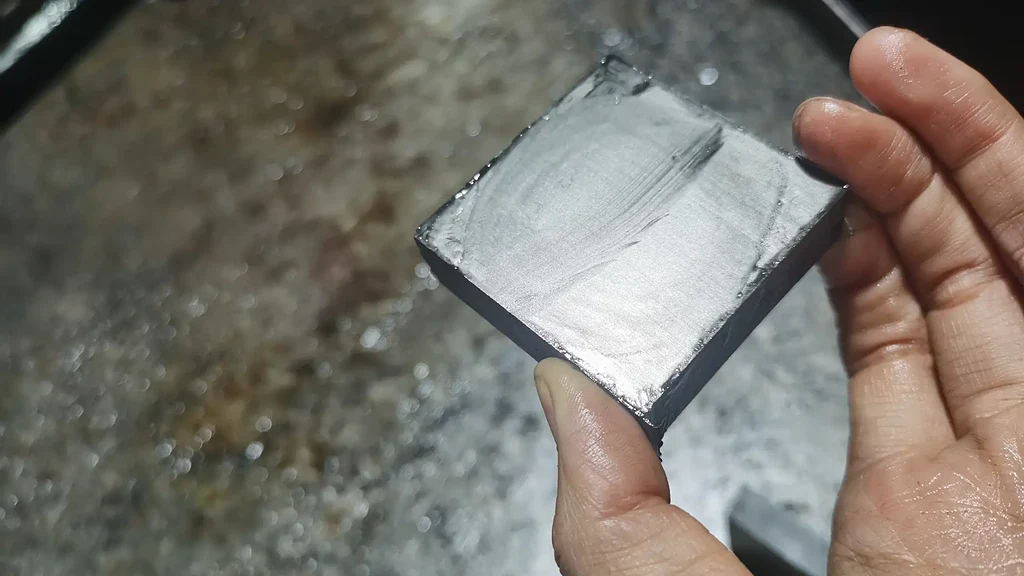
This is the single biggest filter. NdFeB requires 13. )を使用した場合の、焼結NdFeBの典型的な切断表面は以下のようになります。 and produces flammable dust. Ferrite is non-conductive, which eliminates EDM entirely. SmCo is expensive enough that kerf loss becomes a major cost driver. Each material has different optimal cutting parameters, but the good news is that diamond wire saws handle all three — you don’t need separate machines for separate materials.
2. What’s your maximum workpiece size?
A 10 × 10 mm lab sample and a 200 × 200 mm production block require very different machines. Check the machine’s maximum cutting capacity (length × width × height) and make sure it covers your largest current workpiece plus some headroom for future needs.
3. What’s your production volume?
A research lab cutting 5–10 samples per week has completely different requirements from a motor magnet factory cutting 500+ pieces per day. Low volume favors flexibility and easy setup. High volume favors automation, batch processing, and multi-wire capability.
4. What thickness tolerance do you need?
If ±0.05 mm is acceptable, a well-set-up single-wire machine handles it directly. If you need ±0.01 mm, you’ll likely need a grinding step after cutting regardless of the cutting technology — in which case, the cutter’s job is to get you close with minimal subsurface damage, and the grinder does the final sizing.
5. ご予算はどのくらいですか?消耗品も含めてお聞かせください。
機械の購入価格は明白なコストですが、カットあたりの消耗品コスト(ワイヤー、クーラント、電気代)と5年間のメンテナンスコストが、実際の経済性を決定することがよくあります。消耗品が高価な機械や頻繁にダウンタイムが発生する安価な機械は、耐用年数を通じてプレミアム機械よりもコストが高くなる可能性があります。.
マグネット切断機の種類はどのように比較されますか?
エンドレス ダイヤモンド ワイヤーソー
これは当社が専門とする技術です。短いクローズドループ ダイヤモンドワイヤー (通常1〜5メートル)がガイドホイールの周りを一方向に連続して走行します。ワークピースは、制御された速度でワイヤーに供給されます。.
強み:
- 細いカーフ(ワイヤー径0.35〜0.50 mm)は材料の無駄を最小限に抑えます — 高価なSmCoおよび高グレードのNdFeBにとって重要です
- 低い切断力は、すべての脆性磁石材料の欠けやサブサーフェスダメージを低減します
- 単方向のワイヤー運動はリバーサルマークを発生させません — 材料に応じて表面粗さRa 0.3〜0.8 μm
- パラメータ変更のみで、同じ機械でNdFeB、フェライト、SmCoを処理できます
- コンパクトな設置面積 — デスクトップモデルはラボに、生産モデルは標準的なワークショップベイに収まります
制限事項:
- シングルワイヤーマシンは一度に1つのスライスをカットします — 大量生産のウェーハ生産ではマルチワイヤーに競争力はありません
- 切断速度は中程度です(磁石の場合、送り速度1〜3 mm/min) — アグレッシブな研削よりも遅いです
- コンターカットモデルなしでは複雑な3Dプロファイルをカットできません
- ワイヤーは消耗品です — 8時間/日の稼働で4〜7日ごとに交換が必要です
最高だ: 研究開発ラボ、中小規模の生産、混合材料ショップ、表面品質とカーフ損失が重要な用途。.
マルチワイヤーソー
A マルチワイヤーソー 長いワイヤー(1000メートル以上)を一定のピッチでローラー間に巻き付け、数十から数百の平行なワイヤーセグメントを作成します。ワークピースを一度通過させるだけで、50〜200枚以上のスライスが同時に生成されます。.
強み:
- 同一スライスの大量スループット — 1回の切断サイクルで50〜200回の単線切断に相当
- 適切に設定すれば、バッチ全体で優れた厚さ均一性を実現
- 大量生産時の単価あたりの切断コストが低い
制限事項:
- 全てのスライスは同じ厚さでなければならない — 再スレッドなしでは厚さ混合生産は不可
- 装置コストが大幅に高い(単線機の5〜10倍)
- 設定、校正、メンテナンスが複雑 — 熟練したオペレーターが必要
- ワイヤー管理が複雑 — 1000メートル以上のワイヤー、往復運動、接続管理
- カーフは通常、単線よりも広い(ワイヤー径 + 往復運動による摩耗)
最高だ: 大量生産のマグネットウェーハ製造(モーターマグネット、センサーブランク)で、1日あたり数千枚の同一スライスが装置投資を正当化する場合。.
ID(内径)ブレードソー
内縁にダイヤモンド研磨剤が付いた環状ブレード。ワークピースはブレードの中心を通過します。これはワイヤーカットが一般的になる前の標準でした。.
強み:
- 成熟した技術 — よく理解されており、広く入手可能で、部品の調達が容易
- 小〜中断面の合理的な切断速度
- 基本モデルではワイヤーソーよりも装置コストが低い
制限事項:
- 厚いカーフ(0.3〜0.5 mmのブレードで、0.4〜0.6 mmのカーフを生成)は、より多くの材料を無駄にする
- より高い横方向切断力は、ワイヤーカットよりもエッジの欠けを多く引き起こします
- ブレードの剛性はワークピースの最小厚さを制限します — 薄いスライス(< 2 mm)は高い不良率になります
- 直線カットに限定されます
最高だ: ケフ損失が最優先事項ではない中型NdFeBブロックのブレード切断経験があるショップ。.
EDMワイヤーカット
放電加工は、電気火花を使用して導電性材料を侵食します。細い真鍮または銅線(0.1〜0.3 mm)が電極として機能します。このプロセスは、 製造工学の文献でよく文書化されており 複雑な形状に広く使用されています。.
強み:
- 優れた幾何学的柔軟性 — 複雑な2Dプロファイル、アーク、スロット、カスタム形状
- 非常に薄いケフ(0.1〜0.35 mm)
- 機械的な切断力がない — チッピングのリスクゼロ
制限事項:
- 導電性材料でのみ機能します — フェライトは全く切断できません
- 熱影響部と再キャスト層を作成し、磁気微細構造を損傷します
- ダイヤモンドワイヤーと比較して、直線カットでは遅いです
- より高い運用コスト(ワイヤー、誘電体液、電力)
- 表面仕上げには、下流のめっきを妨げる炭化が含まれます
最高だ: 幾何学的な柔軟性が熱損傷の懸念を上回る、複雑なプロファイルのNdFeBまたはSmCo部品。フェライトや磁気特性の維持が重要な用途には適しません。.
どの磁石切断機をどのシナリオに使用するか?
お客様にご案内する意思決定マトリックスはこちらです。
| お客様の状況 | 推奨機械 | なぜ |
|---|---|---|
| 研究開発ラボ、週5~20個のサンプル、混合材料 | シングルワイヤーソー(SG20) | 柔軟性、低コスト、全材料に対応 |
| 生産、1日50~200個の部品、直線カット | 回転機能付きシングルワイヤーソー(SG20-R) | スループットが高く、汎用性があり、最大200mmのブロックに対応 |
| 生産、1日500枚以上の同一ウェハー | マルチワイヤーソー | 量産経済性が設備投資を正当化する |
| NdFeB/SmCoの複雑なプロファイル(アーク、スロット) | コンターカッティングマシン(SGI20) or EDM | Geometric flexibility needed |
| Ferrite only, any volume | Single-wire or multi-wire saw | EDM is eliminated; wire saw is the default |
| Mixed NdFeB + ferrite production | Single-wire saw with coolant changeover | One machine, two coolant setups |
What Does a Magnet Cutting Machine Actually Cost?
We get asked this constantly, and the honest answer is: the machine price is only part of the picture.
設備費
Equipment pricing varies significantly by machine type, capacity, and automation level. Single-wire endless diamond wire saws are the most accessible entry point. Multi-wire saws cost substantially more (typically 5–10× a single-wire machine) due to their complexity and throughput capability. EDM machines fall somewhere in between.
Rather than publishing list prices that don’t account for your specific configuration needs, we recommend contacting us directly for a quote based on your material, workpiece size, and production volume. We’ll spec the right machine and provide a complete cost breakdown including installation, training, and coolant system.
Consumable Cost Per Cut
This is where the real economics play out over time:
| 消費材 | エンドレスワイヤーソー | マルチワイヤーソー | IDブレード | EDM |
|---|---|---|---|---|
| 切削工具コスト | 低(ワイヤーループ、4〜7日持続) | 高(ロングワイヤースプール、1〜2週間持続) | 中(ブレード、1〜4週間持続) | 中(ワイヤースプール、連続供給) |
| クーラントコスト | ロー・ミディアム | 同様 | 同様 | 高(誘電体液) |
| 消費電力 | 低(< 1 kWモーター) | ミディアム | ミディアム | 高い |
| メンテナンス | 最小限 — ガイドホイール、時折の調整 | 中程度 — ワイヤ管理、ローラーメンテナンス | 低 — ブレード交換 | 高 — ガイド、動力供給、ろ過 |
無限ワイヤーソーは、4つの技術の中で最も低い日々の消耗品コストを実現します。ワイヤーは安価で数日間持続し、電力消費は最小限で、メンテナンスも簡単です。.
総所有コスト:なぜ切り込み幅が機械価格よりも重要なのか
総所有コスト 分析は、機器を比較するための唯一の公正な方法です。機械価格は注目を集めますが、実際の差は切り込み幅の削減による材料の節約にかかっています。.
次のことを考えてみてください。無限ワイヤーソー(切り込み幅0.40 mm)とIDブレード(切り込み幅0.50 mm)でNdFeBブロックを2 mmのウェーハにカットする場合。この0.10 mmの切り込み幅の差により、年間約31%の原材料が節約されます。1日に50ブロックをカットするショップでは、切り込み幅の削減による年間材料費の節約額は、特に原材料が主要コストである高グレードのNdFeBまたはSmCoの場合、2つの機械の価格差を上回ることがよくあります。.
切り込み幅が小さいほど、ブロックあたりのスライス数が増えます。ブロックあたりのスライス数が多いほど、部品あたりの材料費は低くなります。3〜5年間の生産では、この単一の要因が総コスト比較を支配します。. お問い合わせ 特定の材料、ブロックサイズ、生産量に合わせて、お客様のオペレーションに合わせたTCO比較を実行します。.
マグネットカッティングマシンで実際に重要な機能は何ですか?
仕様書には数十の機能が記載されています。ここでは、お客様が6〜12ヶ月の運用後に教えてくださった、日々の切断品質と生産性に実際に影響を与える機能を紹介します。
マルチステージプロファイル付きプログラム可能な送り速度。. エントリーゾーン、バルクカット、エグジットゾーンで異なる送り速度を設定できることは、 脆いマグネットの チッピング防止に不可欠です。シングルスピード送り制御のみの機械では、カット全体を保守的なエグジットゾーン速度で実行する必要があり、スループットが30〜50%低下します。.
デジタル表示付きワイヤー張力調整。. 精密な張力制御(5〜10 N刻みで調整可能)は、表面品質とチッピングに直接影響します。デジタル張力表示がない機械では、推測に頼ることになり、結果の一貫性が損なわれます。.
クーラントの封じ込めとろ過。. クーラントを適切に管理する機械(スプラッシュガード、統合ろ過、ドリップフリーのワークピースローディングなど)は、清掃時間と汚染の問題を軽減します。これは、1日に2回すべての表面を油で拭いていると、些細なことのように思えるかもしれません。.
余裕を持ったワークピース容量。. 現在の最大値よりも20〜30%大きいワークピースを扱える機械を購入してください。私たちの経験では、すべての顧客は最終的に通常の範囲よりも大きい部品のリクエストを受け取ります。.
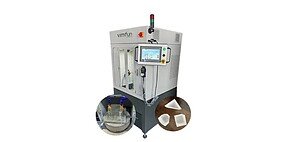
回転軸(オプションですが価値があります)。. の SG20-R 円筒形の磁石や円弧セグメントを直接切断できる回転機能を追加します。製品ミックスにフラット部品と円筒形部品の両方が含まれている場合、この機能により、2台目の機械が不要になります。.

一般的な磁石切断機購入の誤り
切断速度だけで購入する。. 最も速く切断する機械は、脆い磁石では最も悪い表面品質を生成することがよくあります。部品の20%が欠けでスクラップになる場合、速度は無意味です。.
クーラントシステムの互換性を無視する。. NdFeBを切断する場合は、油性クーラントが必要です。安価な機械の中には、水性クーラント専用に設計されているものもあります(油対応シールなし、油ろ過なし、耐火性電気部品なし)。油用に改造するのは高価であり、不可能な場合もあります。.
機械のサイズを小さくする。. 機械の最大容量は、機械の限界です。200 mmのブロックを定格200 mmの機械で切断することは、セットアップエラー、ワイヤのたわみ、または治具クリアランスの余裕がゼロであることを意味します。必要な容量よりも20%多く購入してください。.
テストカットをスキップする。. すべての磁石材料、グレード、および形状は、切断中にわずかに異なる動作をします。実際の材料をその機械でテストせずに機械を購入することは、高価なギャンブルです。私たちは 無料テストカット この理由のために提供しています。そして、評判の良い機器サプライヤーは同様のものを提供すべきです。.
消費材の入手可能性を忘れること。. 機械は、それに対して利用可能なワイヤー、ブレード、または電極と同じくらい優れています。交換用消耗品が容易に入手可能で、手頃な価格で、単一のサプライヤーにあなたを縛り付ける独自の仕様を必要としないことを確認してください。当社の ダイヤモンドワイヤーループ は、あらゆるエンドレスワイヤーソーと互換性のある標準サイズです。.