İçindekiler
Introduction
Porous metals are used in filtration, heat transfer, energy systems and some biomedical components. Their connected pores make cutting quality more than a surface-finish question: the cut must preserve the pore network required by the part. This guide looks at closed-loop diamond wire cutting for porous metal workpieces, with attention to material type, fixturing, debris control and the condition of the cut edge. Process suitability should be confirmed with a representative sample rather than assumed for every porous alloy.
What Are Porous Metals and Where Are They Used?
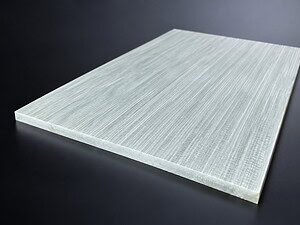
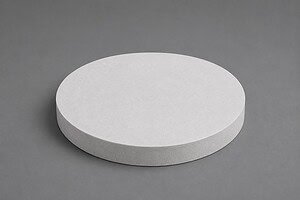
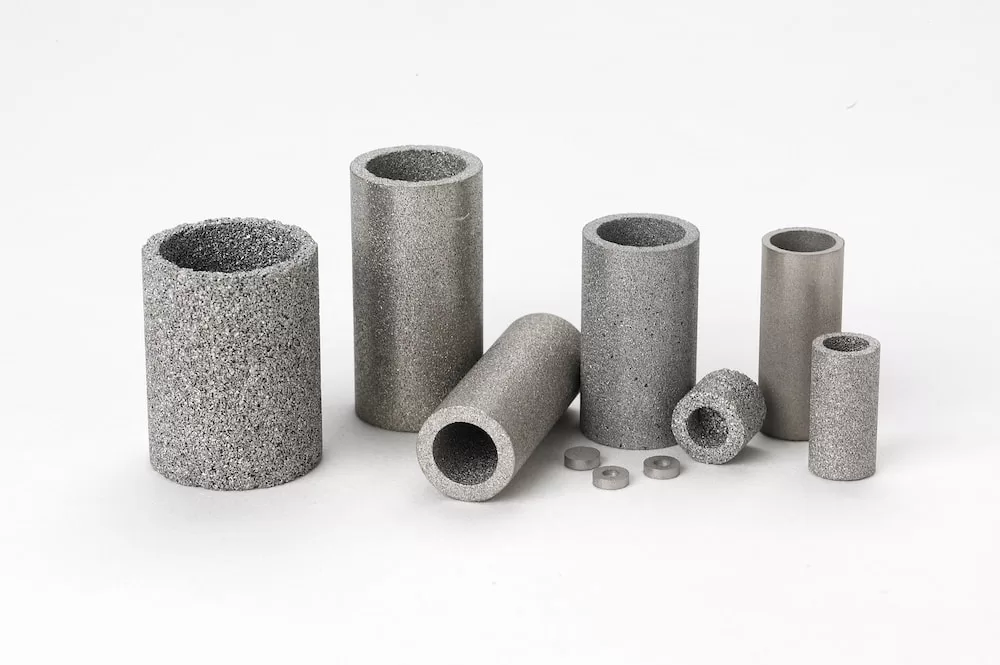
Porous metals, as the name suggests, are metals with voids or pores within their structure. These voids give the material unique properties, including low density, high surface area, and increased permeability. These characteristics make porous metals suitable for various applications. They are used in:
- Hydrogen Fuel Cells: Porous metal structures are commonly employed in the production of hydrogen fuel cells. These fuel cells require materials that can facilitate efficient chemical reactions while maintaining structural integrity. Porous metals provide the ideal framework for the deposition of catalysts and the flow of reactants.
- Filtration Systems: Porous metal materials are used in filtration systems, where their porous structure allows them to capture and remove contaminants from gases or liquids effectively.
- Heat Exchangers: The high surface area of porous metals makes them suitable for heat exchanger applications, as they enhance heat transfer.
- Biomedical Devices: Some biomedical devices, such as bone implants, utilize porous metal materials that promote the ingrowth of natural tissue.
Cutting risk varies with alloy, pore size, porosity and whether the material is sintered or formed as a metal foam. A fixture should support the workpiece without compressing fragile pore walls; inspection should check both edge condition and whether the open pores remain functional.
Challenges in Porous Metal Cutting
Porous metals’ intricate structure poses unique challenges when it comes to cutting and shaping them. Conventional cutting methods, like laser cutting or abrasive methods, may encounter the following difficulties:
- Material Damage: The fine, porous structure can be easily damaged during the cutting process, affecting the material’s properties and structural integrity.
- Inefficient Cutting: The complex internal structure can slow down the cutting process, resulting in inefficiencies, increased costs, and production delays.
- Dust Generation: Porous Metal Cutting can generate a significant amount of dust and waste material, necessitating time-consuming cleanup procedures.
- Lack of Precision: Achieving high-precision cuts is a challenge due to the porous material’s irregularities.
In applications like hydrogen fuel cells, where the electrode structures are critical to performance, these challenges become even more pronounced. This is where ring diamond wire cutting comes into play.
Ring Diamond Wire Cutting: Precision and Efficiency

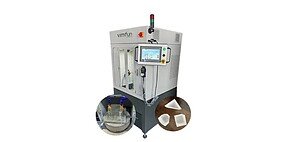
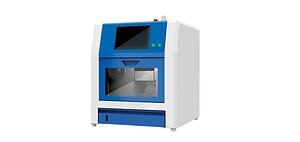
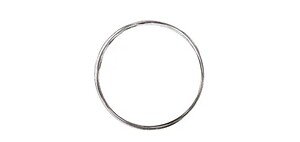
Closed-loop diamond wire cutting uses a continuously moving diamond-abrasive wire. For porous metal, wire choice, feed, tension and debris removal must be balanced against pore-wall damage and edge breakout; higher speed alone does not guarantee a better result. See our diamond wire cutting process overview for the broader method, and our wire saw for metal page for equipment selection. The video above is an application example, not a universal parameter specification.
Continuous wire motion can support stable cutting, but wire wear and replacement still need monitoring. The resulting surface and burr level depend on the alloy, pore structure, fixture and process settings; they should be checked on a representative sample.
Diamond wire cutting still generates kerf loss and debris. For open-pore parts, select coolant and cleaning methods with the downstream application in mind, and check that cutting residue does not block functional pores. Environmental and waste claims require a comparison under the same material and production conditions.
Innovations and Future Prospects
Ring diamond wire cutting is continually evolving to meet various cutting needs. Its ability to handle different materials, including porous metal cutting with varying thicknesses and pore sizes, positions it as a versatile solution. Ongoing technological advancements aim to enhance precision, speed, and overall cutting efficiency.
As the demand for clean energy technologies, such as hydrogen fuel cells, continues to rise, innovations in cutting methods become increasingly vital. Ring diamond wire cutting’s potential to revolutionize the production of key components for these technologies offers exciting possibilities for a sustainable and eco-friendly future.
Conclusion
Closed-loop diamond wire cutting is one option for porous metal parts when controlled kerf and edge condition matter. The selection should be based on the actual alloy, pore structure, part geometry and post-cut inspection results. Share a sample drawing and material details to confirm whether the method fits the application.