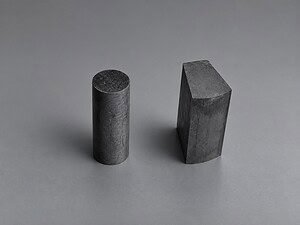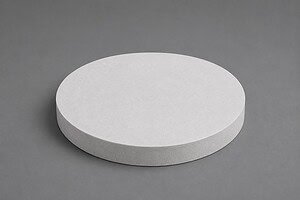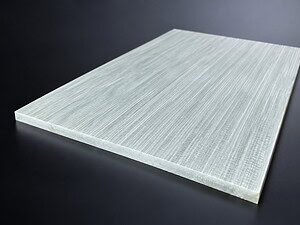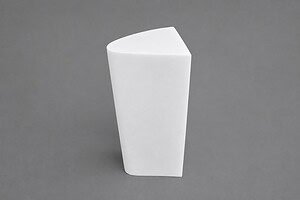
Несколько недель назад итальянская компания по переработке редкоземельных металлов отправила нам один трапециевидный заготовку из NdFeB — верхний край 24 мм, нижний край 38 мм, высота 48 мм, толщина 3 мм — и спросила, можем ли мы вырезать из нее три различных испытательных образца. Заготовка была не из недавно произведенного магнита. Она была из отработанных моторных отходов, которые заказчик извлек и спек обратно в переработанный блок NdFeB. Резка переработанного NdFeB — это именно тот тип мелкосерийной подготовки образцов, для которого был создан наш SGR 20, поэтому мы согласились выполнить резку бесплатно и предоставить отчет с параметрами, результатами и несколькими мнениями.
В этой статье подробно описывается задача, настройка резки и то, что получилось в итоге. Если вы работаете с переработанным магнитным материалом или являетесь производителем магнитов, оценивающим переработанное сырье, тот же рабочий процесс применим и к вам.
Кто такой заказчик и почему этот тест имел значение
Заказчик — один из представителей новой волны европейских переработчиков редкоземельных металлов, работающих по принципу циркулярной экономики: демонтаж отработанных двигателей и электроники, извлечение постоянных магнитов из NdFeB, их очистка с помощью механохимического процесса и повторное спекание в магниты промышленного класса для индустрии электродвигателей и датчиков. Согласно [анализу CEPS цепочки поставок переработанных магнитов в ЕС], спрос на NdFeB в Европе, по прогнозам, утроится к 2030 году — с 12 000 до 36 000 тонн в год — и большая часть этого предложения по-прежнему поступает из-за пределов ЕС, поэтому любой оператор, который может производить переработанный магнитный материал в соответствии со спецификациями внутри Европы, имеет четкие перспективы.
Коммерческое препятствие одинаково для всех переработчиков магнитов: заказчики двигателей и датчиков покупают не по рассказам. Они покупают после того, как измерили магнитные свойства и подтвердили, что переработанный материал соответствует девственному спеченному NdFeB. Это означает, что каждая партия требует тестирования кривой B-H, анализа микроструктуры и проверки размеров. Вырезанные образцы, которые мы сделали, не были конечными изделиями — это были испытательные образцы для проверки качества. Именно здесь подготовка образцов превращается из второстепенного этапа в постоянные производственные затраты.
Образец и три целевых выреза
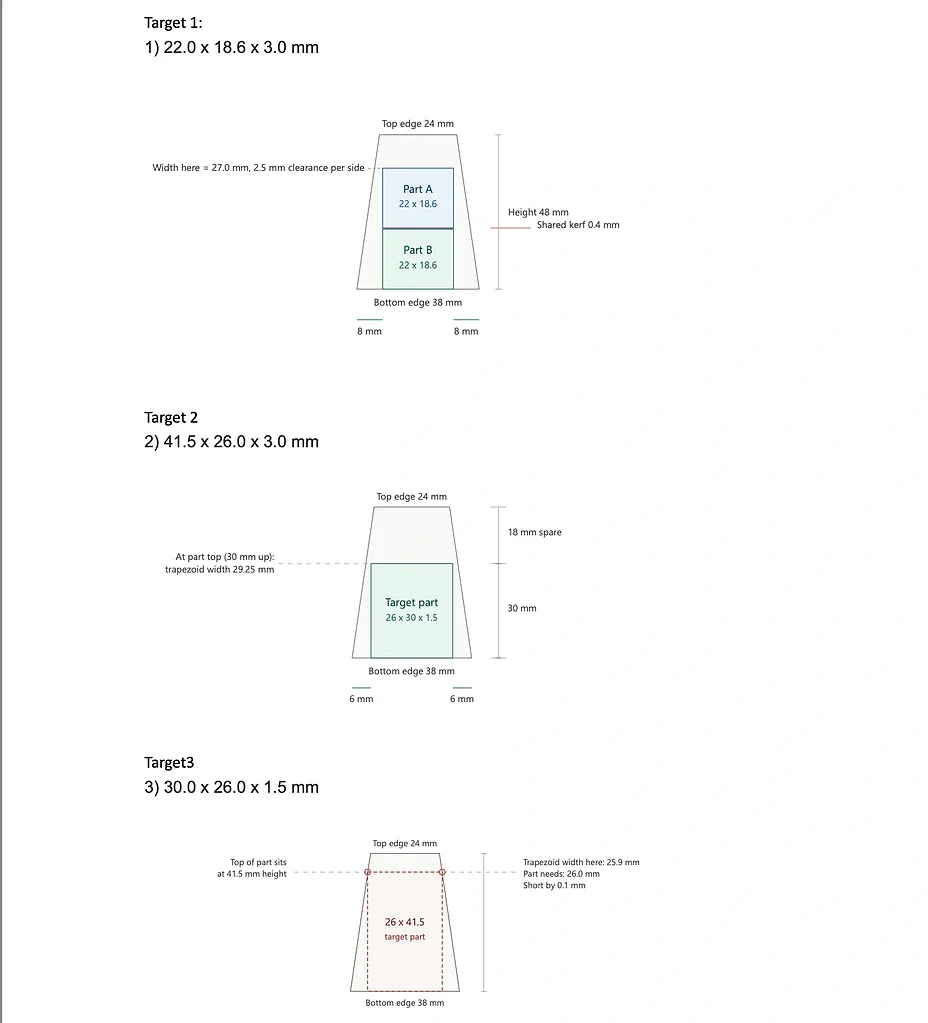
Трапециевидная форма исходной заготовки сама по себе является артефактом переработки. Многие тяговые двигатели электромобилей и промышленные серводвигатели используют клиновидные роторные магниты, поэтому при извлечении и повторном спекании часто сохраняется исходная геометрия. Из трапеции размером 24 × 38 × 48 мм заказчик хотел получить три элемента:
- Цель 1: Два спаренных прямоугольника размером 22 × 18,6 мм (часть A + часть B), с общим пропилом 0,4 мм. Они расположены в более широкой нижней части трапеции. Вероятное применение: спаренные образцы для тестирования кривой B-H на пермеаметре.
- Цель 2: Один прямоугольник размером 26 × 30 мм. Изначальная спецификация была 26 × 41,5 мм, но 41,5 мм нигде не помещалось в трапецию шириной 38 мм — мы сообщили об этом, и они сократили длинный размер до 30 мм.
- Цель 3: Один тонкий срез размером 26 × 30 × 1,5 мм. Толщина 1,5 мм была подсказкой: это для анализа микроструктуры (СЭМ, EBSD или наблюдения магнитных доменов), а не для B-H тестирования.
Мы также настояли на изменении спецификации толщины. Они запросили детали толщиной 3 мм, но любой, кто работает с готовыми магнитами, знает, что режущая поверхность требует примерно 0,5 мм с каждой стороны для шлифовки, чтобы достичь конечного размера. Резка нетто до 3 мм означает, что вы шлифуете ниже спецификации. Мы сказали им прислать заготовки толщиной 4 мм вместо этого, чтобы припуск в 1 мм удалялся на шлифовальном станке, а не на проволочно-отрезном станке. Этот единственный разговор, вероятно, спас их от бракованной партии.
Настройка разрезов на SGR 20
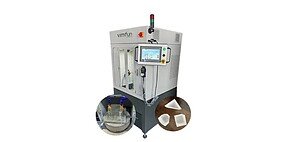
Мы выполняли эту работу на SGR 20 — портальная конструкция с поворотной осью, максимальный рабочий диапазон Ø200 × 200 мм, настольный форм-фактор. Для единичных лабораторных образцов такого размера SGR 20 — подходящий инструмент: достаточно маленький, чтобы разместиться в лаборатории контроля качества, а поворотная ось позволяет перепозиционировать заготовку между разрезами без повторного крепления каждый раз.
Одна вещь, которая упростила работу: образцы прибыли размагниченными. Резка намагниченного NdFeB — это отдельная проблема: ферромагнитная пыль прилипает к направляющим роликам, корпусам двигателей и везде, где есть сталь, и вы тратите полдня на чистку станка. С размагниченным материалом пыль все равно образуется, но не прилипает. Мы резали оба состояния. Размагниченный материал всегда проще. Если вы готовите образцы для контроля качества, размагничивайте их перед резкой.
Окончательные параметры резки:
| Параметр | Значение |
| Диаметр проволоки | 0,35 мм |
| Натяжение проволоки | 100 Н |
| Линейная скорость проволоки | 40 м/с |
| Скорость подачи | 0,03 мм/мин |
| Охлаждающая жидкость | Белое минеральное масло |
| Ширина пропила | ~0,4 мм |
Примечание о выборе охлаждающей жидкости. Наша страница с рекомендациями по резке магнитов указывает либо на водорастворимый хладагент, либо на белое минеральное масло для NdFeB. Для тестовых образцов, отправляемых непосредственно в пермеаметр или на СЭМ, мы выбрали минеральное масло. NdFeB быстро ржавеет в воде — редкоземельная фаза окисляется в течение нескольких часов, а ржавая поверхность искажает как магнитные измерения, так и микроструктурное изображение. Масло сохраняет образец чистым. Немного грязнее в обращении, но того стоит для работ по контролю качества.

Результаты
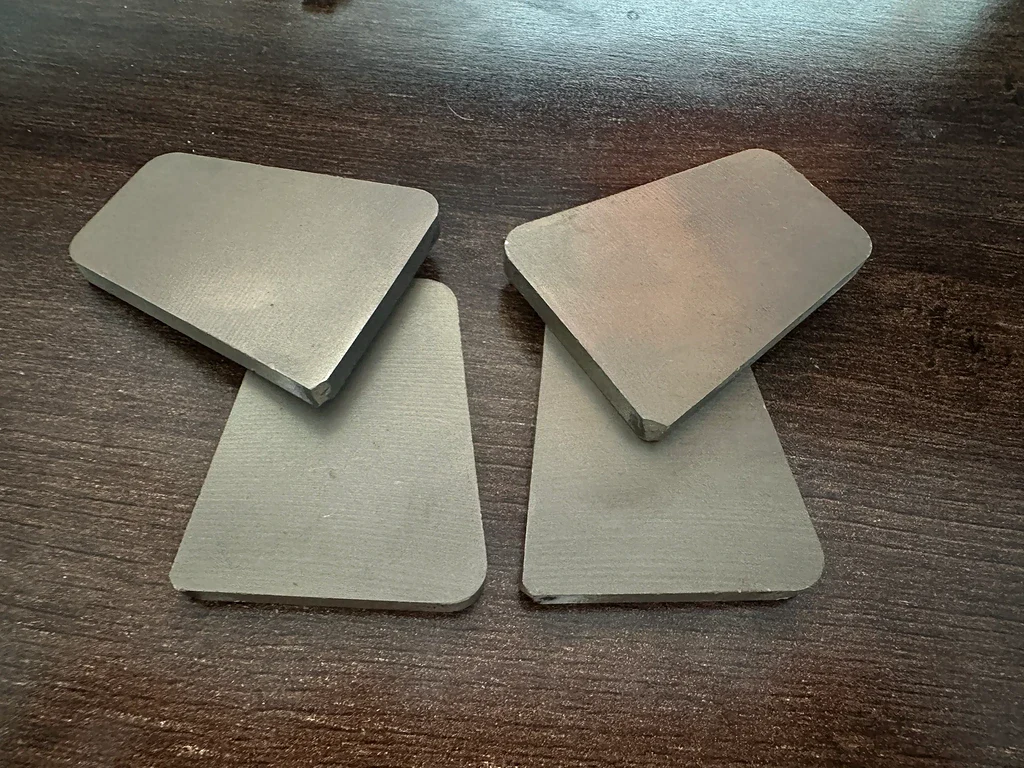
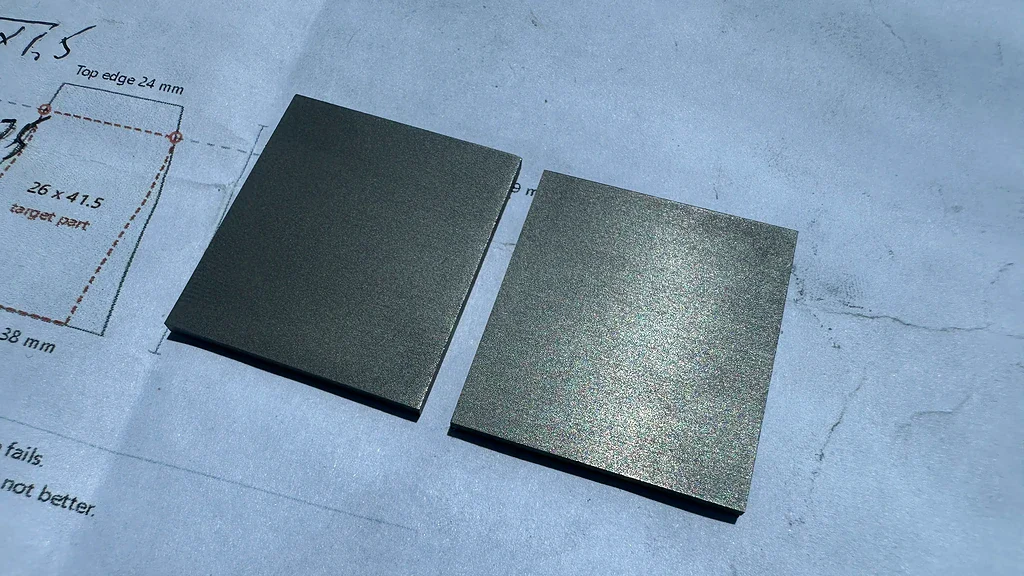
Все три мишени были сняты с проволоки с плоскими параллельными гранями, без видимых сколов по краям и с отклонением размеров в пределах 0,03 мм от спецификации. Общая ширина пропила 0,4 мм между деталями A и B сохранилась — обе детали вышли размером 22,0 × 18,6 мм без перерезания какой-либо стороны. Тонкий разрез толщиной 1,5 мм был самым рискованным, поскольку тонкие секции склонны к смещению толщины из-за изгиба проволоки в конце пропила; замедление подачи до 1,5 мм/мин и поддержание натяжения проволоки на верхнем пределе рабочего диапазона (140 Н для этого разреза) позволили удержать его в пределах допуска.
Поверхность была текстурирована песком, типичной для алмазной проволоки диаметром 0,35 мм на спеченном NdFeB. Заказчик будет шлифовать до окончательного размера перед измерением — поверхность, вырезанная проволокой, является входной для шлифовального станка, а не готовой поверхностью.
Что переработка NdFeB означает для переработчиков магнитов
Для переработчиков, выходящих на промышленное производство, главное — не единичный тестовый разрез, а то, что подготовка образцов является постоянной статьей расходов, которую необходимо учитывать в бюджете. Каждая партия переработанного NdFeB требует вырезанных образцов для магнитных испытаний и валидации микроструктуры, каждый цикл квалификации клиента требует большего, и любой отказ в контроле качества означает возвращение к проволочной пиле. Бесконечная алмазная проволока справляется с этим чисто, поскольку сила резания остается низкой, тепловая нагрузка минимальна (нет риска термического размагничивания после повторного намагничивания), а пропил шириной 0,4 мм достаточно узок, чтобы даже небольшой переработанный заготовку можно было получить несколько образцов.
Если вы обрабатываете NdFeB, отправьте нам небольшой образец, и мы проведем бесплатный тестовый разрез на соответствующем станке и отправим детали обратно с параметрами и фотографиями. Электронная почта levy@endlesswiresaw.com чтобы договориться о встрече.