티타늄은 절단 시 저항합니다. 저희는 이 사실을 어렵게 배웠습니다. 한 고객이 샘플 절단을 위해 Ti-6Al-4V 터빈 블레이드 블랭크를 보냈습니다. 첫 번째 절단은 완벽해 보였습니다. 두 번째 절단에서 와이어가 0.3mm 옆으로 밀렸습니다. 다섯 번째 절단에서는 와이어가 다이아몬드 입자의 15%를 잃었습니다. 문제는 와이어가 아니었습니다. 공급 속도 문제였습니다. 너무 빠르게 밀어붙였고, 티타늄의 낮은 열전도율과 높은 인성이 절단 공구를 내부에서부터 파괴하고 있었습니다.
그 작업으로 인해 저희는 티타늄 와이어 절단을 처음부터 다시 생각하게 되었습니다. 저희가 발견한 것은 이후 모든 티타늄 프로젝트에 대한 접근 방식을 바꾸었습니다. 이 재료는 저희가 절단하는 어떤 금속보다도 가장 느린 공급 속도, 가장 강력한 냉각, 그리고 가장 신중한 매개변수 제어가 필요합니다.
이 글은 티타늄 합금이 왜 정밀 절단에 독특하게 어려운지, 실제로 작동하는 와이어 톱 매개변수는 무엇인지, 그리고 어닐링된 등급과 열처리된 등급을 절단하는 것의 차이점을 다룹니다. 항공 우주 검사, 의료 임플란트 프로토타이핑 또는 금속 조직 샘플 준비를 위해 티타늄을 절단하는 경우, 여기에 있는 데이터는 Ti-6Al-4V, Ti-6Al-7Nb, 상업용 순수(CP) 등급 2 및 여러 베타 티타늄 조성에 대한 생산 테스트에서 나온 것입니다.
티타늄은 왜 절단하기 그렇게 어렵습니까?
세 가지 특성이 결합되어 티타늄을 깨끗하게 절단하기 가장 어려운 금속 중 하나로 만듭니다.
1. 열전도율이 매우 낮습니다.
Ti-6Al-4V는 7.2W/m·K의 열을 전도합니다. 비교하자면, 연강은 50W/m·K, 알루미늄은 237W/m·K의 열을 전도합니다. 이는 절단 중에 발생하는 열의 거의 전부가 절단 영역에 그대로 남아 있고 벌크 재료로 확산되지 않는다는 것을 의미합니다. 기존의 연마 톱을 사용하면 좁은 영역에 극심한 온도(400–800°C)가 발생하여 산화, 미세 구조 변화 및 잔류 응력을 유발합니다. 15mm 단면에서 연마 디스크 톱을 사용하면 절단 표면 아래 200–500μm까지 열 영향부가 확장되는 것을 측정했습니다. 표면 무결성이 중요한 모든 응용 분야에서는 이는 용납할 수 없습니다.
2. 탄성 계수로 인한 스프링백.
티타늄의 탄성 계수는 114 GPa로 강철(200 GPa)의 절반 정도입니다. 재료는 절단력에 의해 변형되고 절단 공구가 지나간 후 다시 원래대로 돌아옵니다. 와이어 톱질에서 이는 와이어가 순간적으로 절단면과의 접촉을 잃을 수 있음을 의미하며, 간헐적인 맞물림을 유발하여 불균일한 표면 마감과 와이어 마모 가속화를 초래합니다. 공작물이 얇을수록 이 문제는 더 심각해집니다. 5mm 미만의 단면은 고정 장치가 견고하지 않으면 절단 경로를 0.1–0.2mm 이동시킬 만큼 충분히 휘어질 수 있습니다.
3. 절단 표면에서의 가공 경화.
티타늄 합금, 특히 Ti-6Al-4V와 같은 알파-베타 등급은 절단 표면에서 빠르게 가공 경화됩니다. 다이아몬드 와이어의 각 패스는 표면층을 냉간 가공하여 국부 경도를 15–30% 증가시킵니다(변형된 영역에서 약 HRC 36에서 HRC 42–47까지). 다음 와이어 패스는 더 단단한 표면을 만나게 되어 절단력을 증가시키고, 더 많은 열을 발생시키며, 표면을 더욱 단단하게 만듭니다. 이는 매개변수가 이를 따라가지 못하면 과도한 와이어 마모와 좋지 않은 표면 마감으로 이어지는 자체 강화 주기입니다.
저희가 정기적으로 절단하는 다른 금속과 티타늄을 비교한 결과는 다음과 같습니다.
| 속성 | Ti-6Al-4V | Inconel 718 | 316L 스테인리스강 | NdFeB 자석 |
|---|---|---|---|---|
| 열전도율 (W/m·K) | 7.2 | 11.4 | 16.3 | 9.0 |
| 탄성 계수 (GPa) | 114 | 205 | 193 | 150 |
| 경도 | HRC 34–39 | HRC 40–47 | HRC 25–30 | HRC 57–61 |
| 가공 경화 경향 | 높은 | 매우 높음 | 보통 | 없음 (취성) |
| 파괴 거동 | 연성 파단 | 연성 파단 | 연성 | 취성 파괴 |
| 주요 절삭 과제 | 열 + 스프링백 | 열 + 긁힘 | 버 형성 | Edge chipping |
티타늄이 이 목록에서 가장 단단한 재료가 아니라는 점에 유의하십시오. NdFeB 자석은 훨씬 더 단단합니다. 그러나 단단함이 티타늄을 어렵게 만드는 것은 아닙니다. 인성, 낮은 전도성 및 가공 경화의 조합으로 인해 더 단단하지만 더 부서지기 쉬운 재료보다 절단 도구가 훨씬 더 빨리 마모됩니다.
기존 방식 대신 다이아몬드 와이어를 사용하는 이유는 무엇입니까?
항공 우주 및 의료 엔지니어는 일반적으로 연마 절단 휠, EDM 또는 밴드톱으로 티타늄을 절단합니다. 각 방법에는 잘 문서화된 문제가 있습니다.
연마 절단 휠 가장 많은 열을 발생시킵니다. 유체 냉각을 사용하더라도 Ti-6Al-4V의 절단 영역은 300–600°C에 도달합니다. 이는 청갈색 산화물 층을 형성하고 열 영향부의 알파-베타 미세 구조를 변경하기에 충분합니다. 금속 조직 샘플 준비의 경우 이는 연삭 및 연마가 시작되기 전에 이미 손상된 표면으로 시작한다는 것을 의미합니다.
EDM (와이어 또는 싱커) 기계적 힘은 발생하지 않지만 두께 10–30 μm의 재응고층과 그 아래 50–100 μm까지 확장되는 열 영향부를 생성합니다. 피로 시험 쿠폰의 경우 이 재응고층은 완전히 제거해야 합니다. 그렇지 않으면 피로 수명 측정은 재료 자체가 아닌 EDM 손상을 반영합니다.
밴드톱 빠르지만 부정확합니다. 절단 폭은 일반적으로 1.5–3mm(다이아몬드 와이어의 경우 0.4–0.6mm)이며 공차는 기껏해야 ±0.5mm입니다. 고가의 티타늄 합금의 경우 이 절단 폭 손실은 빠르게 누적됩니다.
다이아몬드 와이어 절단은 이러한 문제를 동시에 해결합니다. 끝없는 다이아몬드 와이어 루프 제어된 속도로 단방향으로 작동하며, 절단력이 낮아 적절한 냉각 시 절단 영역을 60°C 미만으로 유지합니다. 열 영향부 없음. 재응고층 없음. 상단 5–10 μm를 넘어서는 상당한 가공 경화 없음. 절단 폭은 0.4–0.6mm로 유지됩니다. 0.35–0.50mm 직경 와이어.
단점은 속도입니다. 티타늄의 다이아몬드 와이어 절단은 느립니다. 단면 크기와 합금 등급에 따라 0.3 ~ 1.5 mm/min의 공급 속도입니다. 20mm 직경의 Ti-6Al-4V 로드의 경우 슬라이스당 15–25분이 소요됩니다. 샘플 준비 및 프로토타이핑에는 괜찮습니다. 하루에 수백 개의 부품을 생산적으로 절단하는 데는 연마 휠과 경쟁할 수 없습니다.
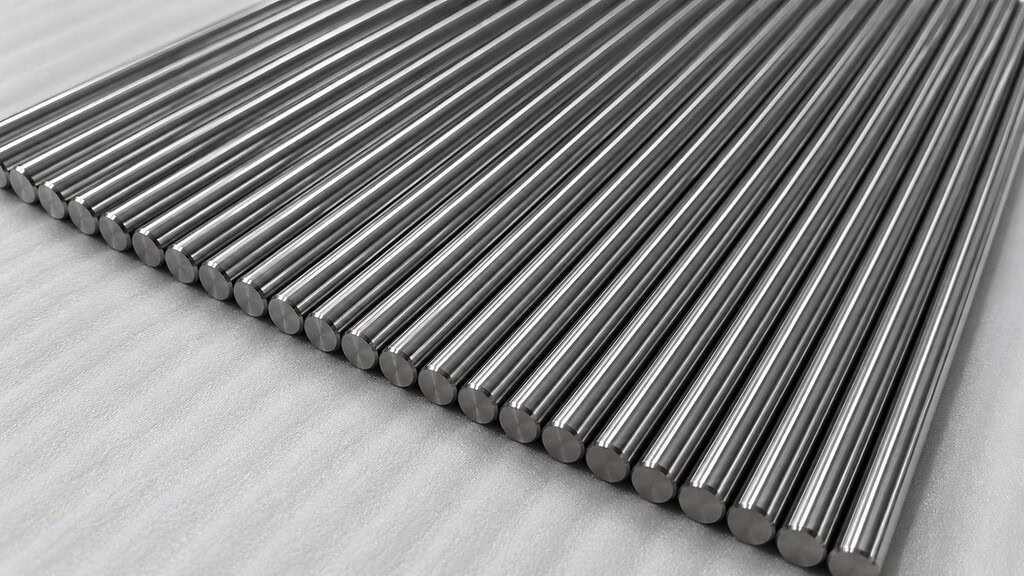
티타늄 합금 절단 매개변수
이 매개변수는 여러 티타늄 등급에 걸친 당사의 테스트에서 나온 것입니다. 이론적인 값이 아니라 생산 검증된 시작점입니다.
Ti-6Al-4V (5등급) — 밀 어닐링
이것은 가장 일반적인 티타늄 합금으로, 항공 우주 및 의료 응용 분야에서 사용되는 모든 티타늄의 50% 이상을 차지합니다.
| 매개변수 | 권장 범위 | 참고 |
|---|---|---|
| 와이어 직경 | 0.35~0.50mm | 0.42mm는 티타늄의 표준입니다. |
| 와이어 장력 | 150–200 N | 자성 재료보다 높음 — 티타늄은 부서지기 쉬운 것이 아니라 강합니다. |
| 와이어 속도 | 40-60 m/s | 50m/s는 Ti-6Al-4V의 최적점입니다. |
| 이송 속도 | 0.5–1.5 mm/min | 0.8mm/분으로 시작하고 와이어 부하에 따라 조정하십시오. |
| 냉각수 | 수성 절삭유 | 필수 — 건식 절단은 몇 분 안에 와이어를 파괴합니다. |
| 절단 폭 | 0.45–0.60 mm | 재료의 강도로 인해 세라믹/유리 절단보다 약간 넓습니다. |
| 표면 거칠기 | Ra 0.5–1.2 μm | Depends on feed rate and wire condition |
| 절단 온도 | 작업물 표면에서 60°C 미만 | 적절한 냉각수 흐름으로 |
주요 사항:
- 공급 속도는 가장 중요한 매개변수입니다. 1.0에서 1.5 mm/min으로 변경하는 것은 큰 변화처럼 들리지 않지만, 와이어 수명은 40%까지 줄어들 수 있습니다. 티타늄의 가공 경화는 너무 빠르게 진행하면 절단이 점진적으로 더 어려워진다는 것을 의미합니다.
- 냉각수 흐름은 연속적이어야 하며 와이어 진입 지점을 향해야 합니다. 최소 3 L/min. 냉각수 흐름이 중단되면 — 5초의 간격이라도 — 절단면에서 가공 경화를 가속화하는 즉각적인 온도 급증을 유발한다는 것을 발견했습니다. 냉각수가 와이어 속도 및 장력과 상호 작용하는 방식에 대한 자세한 내용은 당사의 와이어 속도, 장력 및 이송 속도 가이드.
- 와이어 장력 취성 재료에 사용하는 것보다 높아야 합니다. 티타늄은 연성이므로 — 낮은 장력은 와이어가 똑바로 추적하는 대신 편향되어 절단면 위로 올라가게 합니다.
Ti-6Al-4V — 용체화 처리 및 시효 처리 (STA)
STA 열처리는 Ti-6Al-4V의 경도를 HRC 39–44로 증가시킵니다. 이는 절단 동작을 크게 변화시킵니다.
| 매개변수 | 밀 어닐링 | STA | 변경 |
|---|---|---|---|
| 이송 속도 | 0.5–1.5 mm/min | 0.3–1.0 mm/min | 30–40% 느리게 |
| 와이어 속도 | 40-60 m/s | 45–60 m/s | 약간 더 높게 선호 |
| 와이어 장력 | 150–200 N | 170–210 N | 추적을 유지하기 위해 더 높게 |
| 와이어 수명 (8시간 교대 근무당) | 5–7일 | 3–5일 | 25–30% 더 짧음 |
| 표면 거칠기 | Ra 0.5–1.2 μm | Ra 0.6–1.5 μm | 약간 더 거친 |
실제 차이점: STA 티타늄은 와이어를 더 빨리 소모합니다. 어닐링된 재료에 비해 25–30% 더 많은 와이어 소비를 예상해야 합니다. 와이어 속도를 높여 보상하려는 유혹이 있지만 — 60m/s 이상에서는 절단 속도 향상이 정체되고 와이어 진동이 증가하여 표면 마감이 저하됩니다.
상업용 순수 티타늄 (CP 등급 2)
CP 티타늄은 Ti-6Al-4V보다 더 부드럽고 (HRC 20–25) 연성이 뛰어납니다. 더 빨리 절단되지만 다른 문제, 즉 버 형성 문제를 야기합니다.
| 매개변수 | 권장 범위 | 참고 |
|---|---|---|
| 와이어 직경 | 0.35~0.50mm | Ti-6Al-4V와 동일 |
| 와이어 장력 | 130–180 N | Ti-6Al-4V보다 낮음 — CP Ti가 더 부드러움 |
| 와이어 속도 | 35–55 m/s | 약간 더 낮게 실행 가능 |
| 이송 속도 | 0.8–2.0 mm/min | Ti-6Al-4V보다 30–50% 빠름 |
| 냉각수 | 수성 절삭유 | 동일한 요구 사항 |
| 표면 거칠기 | Ra 0.4–0.8 μm | 경도가 낮아 더 나은 마감 |
CP 티타늄은 다이아몬드 입자가 재료를 깨끗하게 제거하는 대신 절단면에 문지르는 부드러움이 있습니다. 균일한 무광택 마감 대신 반짝이는 연마된 표면이 보이면 와이어 속도를 10-15% 줄이고 공급 속도를 약간 높이십시오. 목표는 문지르는 대신 적절한 칩 형성 작용을 유지하는 것입니다.
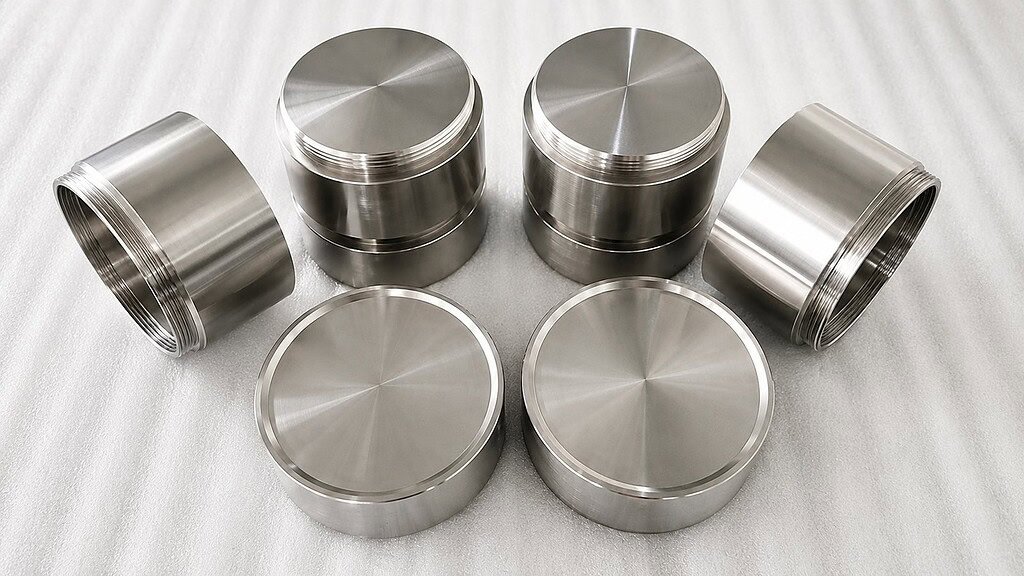
항공우주 vs. 의료: 다른 요구 사항, 다른 설정
동일한 티타늄 합금도 최종 용도에 따라 매우 다르게 절단됩니다.
항공우주 응용 분야
항공우주 티타늄 절단은 표면 무결성 요구 사항에 의해 결정됩니다. 엔진 부품(터빈 블레이드, 압축기 디스크)은 고온에서 피로 하중을 받습니다. 절단으로 인한 손상(잔류 응력, 미세 구조 변화, 알파 케이스 형성)은 피로 수명을 단축시킵니다.
항공우주 고객이 일반적으로 필요로 하는 것:
- 열 영향부 없음(HAZ < 10 μm)
- 알파 케이스 형성 없음(절단 온도 500°C 미만 필요 — 다이아몬드 와이어는 60°C 미만이므로 본질적으로 충족됨)
- 100MPa 미만의 표면 아래 잔류 응력
- 특정 테스트 쿠폰에 추적 가능한 문서화된 공정 매개변수
- AMS 2432(티타늄 절단 지침) 또는 고객별 사양 준수
피로 시험 쿠폰 준비를 위해 다이아몬드 와이어 절단이 점점 더 많이 지정되고 있는데, 이는 기계적 절단 방법 중 표면 아래 손상이 가장 적기 때문입니다. 대안인 EDM 후 연삭으로 재응고층을 제거하는 것은 두 단계를 추가하고 여전히 측정 가능한 열 영향부를 남깁니다.
의료 응용 분야
의료용 티타늄(일반적으로 Ti-6Al-4V ELI 또는 Ti-6Al-7Nb)은 우선 순위가 다릅니다. 생체 적합성은 표면 화학에 따라 달라집니다. 티타늄의 기본 TiO2 산화물 층은 체액에서 내식성을 제공하지만 고온 절단 공정은 이 층을 변경하거나 오염 물질을 포함시킬 수 있습니다.
의료 기기 고객이 일반적으로 필요로 하는 것:
- 절단 표면에 연마 입자 없음
- 열 변색 없음 (산화층은 얇고 균일하게 유지되어야 함)
- ASTM F86에 따른 후속 세척 및 패시베이션과 호환되는 표면
- 임플란트 부품의 치수 허용 오차 ±0.05 mm
다이아몬드 와이어 절단은 기본적으로 네 가지 모두를 만족합니다. 전착 다이아몬드 와이어 절단 시 떨어져 나가지 않는 고정된 다이아몬드 입자를 사용합니다. 이는 연마 입자가 부드러운 티타늄 표면에 박힐 수 있는 느슨한 연마 공정과 다릅니다.
와이어 수명 및 비용 고려 사항
티타늄에서의 와이어 수명은 세라믹이나 유리에서의 수명보다 짧습니다. 이것이 가장 큰 비용 요인입니다.
| 재료 | 와이어 수명 (하루 8시간) | 절단당 상대 와이어 비용 |
|---|---|---|
| 광학 유리 | 5–7일 | 1배 (기준) |
| 페라이트 자석 | 5–6일 | 1.1배 |
| Ti-6Al-4V (어닐링 처리됨) | 4–5일 | 1.5배 |
| Ti-6Al-4V (STA) | 3–4일 | 2배 |
| CP 티타늄 등급 2 | 5–6일 | 1.2배 |
티타늄이 와이어를 더 빨리 소모하는 이유는 무엇인가요? 세 가지 이유가 있습니다:
- 연성 칩 형성 세라믹처럼 깨끗하게 부서지는 대신 다이아몬드 입자를 잡아당깁니다.
- 가공 경화된 표면층 와이어에 대한 2차 연마재 역할을 합니다.
- 티타늄의 화학적 친화력 고온에서 탄소에 대한 친화력은 약 400°C 이상에서 다이아몬드 성능 저하를 유발합니다(일반적인 와이어 절단에서는 도달하지 않지만, 미세 돌기 온도는 벌크 온도보다 200–300°C 더 높을 수 있습니다).
실용적인 조언: 와이어 수명 종료 시점을 알기 위해 절단력 추세를 모니터링하여 와이어 마모를 추적하세요. 일정 공급 속도에서 공급력이 와이어 수명 시작 시점보다 20% 이상 증가하면, 와이어가 작동한 일수와 관계없이 수명이 다해가고 있는 것입니다. 당사의 장비는 공정 모니터링 기능을 통해 이 데이터를 자동으로 기록할 수 있습니다.
장비 추천
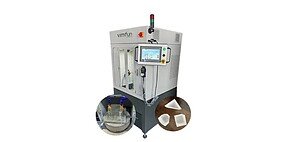
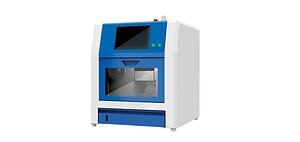
티타늄 샘플 준비 및 소량 생산을 위해 당사의 SG20 대부분의 작업을 처리합니다. 높이 20mm, 정밀도 ±0.03mm의 가공물을 받아들일 수 있으며, 이는 금속 조직 단면, 피로 시험편, 임플란트 프로토타입 절단에 충분합니다.
더 큰 티타늄 부품이나 회전 절단 기능(원통형 로드 또는 튜브 절단)이 필요한 경우, SG20-R 회전 축을 추가합니다. 이는 특히 롤링 방향에 대해 특정 각도로 절단해야 하는 의료용 임플란트 바에 유용합니다.
생산 규모의 티타늄 절단(항공 우주 블레이드 뿌리, 대형 단조품)의 경우, SGSM40 더 높은 강성과 4.5kW 드라이브를 제공하여 더 큰 티타늄 단면에서 요구하는 더 무거운 하중에서도 와이어 속도를 유지합니다.
티타늄을 위한 중요 기계 기능:
- 자동 장력 제어 — 티타늄의 탄성으로 인해 절단 중 와이어 장력 변동이 발생합니다. 자동 보상은 추적 오류를 방지합니다.
- 프로그래밍 가능한 공급 프로파일 — 절단 진입 시(안정적인 커프 형성) 및 종료 시(버 형성 방지) 공급 속도를 늦추는 기능
- 강력한 냉각수 공급 — 와이어 진입 지점에 분당 최소 3L를 직접 공급하고, 티타늄 스와프(세라믹 먼지보다 금속 칩이 표준 필터를 더 빨리 막음)를 제거하기 위한 여과 기능
- 단선 감지 — 다이아몬드 입자 손실이 임계값에 도달하면 티타늄 와이어 파손이 갑자기 발생하는 경향이 있으므로 자동 차단이 필수적입니다.
다이아몬드 와이어의 한계 및 사용하지 않아야 하는 경우
다이아몬드 와이어 절단은 티타늄을 위한 최고의 정밀 방법이지만, 모든 상황에 적합한 것은 아닙니다.
속도. 25mm 직경의 Ti-6Al-4V 바를 절단하는 데는 20-30분이 걸립니다. 연삭 절단 휠은 60초 안에 완료합니다. 표면 무결성이 중요하지 않고 단순히 빌렛을 거칠게 절단해야 한다면 밴드쏘를 사용하십시오.
큰 단면. 폭이 40mm를 초과하는 티타늄 블록의 경우 절단 시간이 매우 길어지고(45분 이상) 와이어 마모가 비선형적으로 가속됩니다. 와이어가 동일한 경화된 표면을 수백 번 통과하기 때문에 장시간 절단 시 작업 경화 효과가 복합적으로 작용합니다. 50mm 이상의 단면의 경우 생산에 착수하기 전에 타당성 평가를 위해 당사 애플리케이션 팀에 문의하는 것이 좋습니다.
연속 생산. 매일 티타늄을 가공하는 경우 와이어 비용이 상당해집니다. 현재 와이어 가격으로 Ti-6Al-4V STA의 절단당 비용은 유리 또는 세라믹의 2배가 될 수 있습니다. 이를 공정 경제성에 반영하십시오. 고부하 티타늄 절단의 경우 다이아몬드 와이어의 노동 및 시간 절약(HAZ 제거를 위한 연삭 단계 없음)이 더 높은 와이어 비용을 상쇄하는 경우가 많지만 특정 애플리케이션에 대한 수치를 계산해야 합니다.
스레드와 같은 공작물. 티타늄 와이어 또는 얇은 로드(직경 < 2mm)는 표준 고정 장치에 비해 너무 유연합니다. 절단력에 의해 재료가 와이어에서 벗어납니다. 당사는 직경 1.5mm까지의 티타늄 와이어를 성공적으로 절단했지만, 맞춤형 V형 홈 고정 장치와 0.3mm/min 미만의 공급 속도가 필요했습니다.

실질적인 다음 단계
기존 방법으로는 제공할 수 없는 표면 무결성이 필요한 티타늄을 절단하는 경우 샘플 테스트부터 시작하십시오. 대표적인 조각 2-3개를 보내주시면 위에서 설명한 매개변수로 절단하고 표면 거칠기 측정값과 표면 아래 상태를 보여주는 단면 미세 사진과 함께 샘플을 반환해 드립니다.
이미 실행 중인 실험실의 경우 금속에 대한 다이아몬드 와이어 절단, 여기에 있는 매개변수 표는 직접 적용할 수 있습니다. 보수적인 끝(낮은 공급 속도, 높은 장력)에서 시작하여 결과에 따라 위로 조정하십시오. 티타늄은 인내심을 보상합니다. 첫 번째 절단은 항상 필요한 것보다 느리게 해야 합니다.
이 기사의 절단 매개변수 및 와이어 수명 데이터는 다음을 기준으로 검증되었습니다. ASTM B265 (티타늄 시트/플레이트 사양) 및 ASTM E3 (야금 샘플 준비 표준). 표면 무결성 평가는 다음을 따릅니다. AMS 2432 열에 민감한 티타늄 합금 가공 지침.