마그네트 절단 문제 해결 가이드
절단 중에 문제가 발생했습니다. 모서리가 칩핑되었거나, 표면이 회색이거나, 슬라이스 두께가 일정하지 않거나, 와이어가 중간에 끊어져 홈이 파인 $50 SmCo 블랭크가 생겼습니다. 무엇이든 조정하기 전에 이 자석 절단 문제 해결 가이드를 읽어보십시오. 가장 일반적인 해결책은

절단 중에 문제가 발생했습니다. 모서리가 칩핑되었거나, 표면이 회색이거나, 슬라이스 두께가 일정하지 않거나, 와이어가 중간에 끊어져 홈이 파인 $50 SmCo 블랭크가 생겼습니다. 무엇이든 조정하기 전에 이 자석 절단 문제 해결 가이드를 읽어보십시오. 가장 일반적인 해결책은
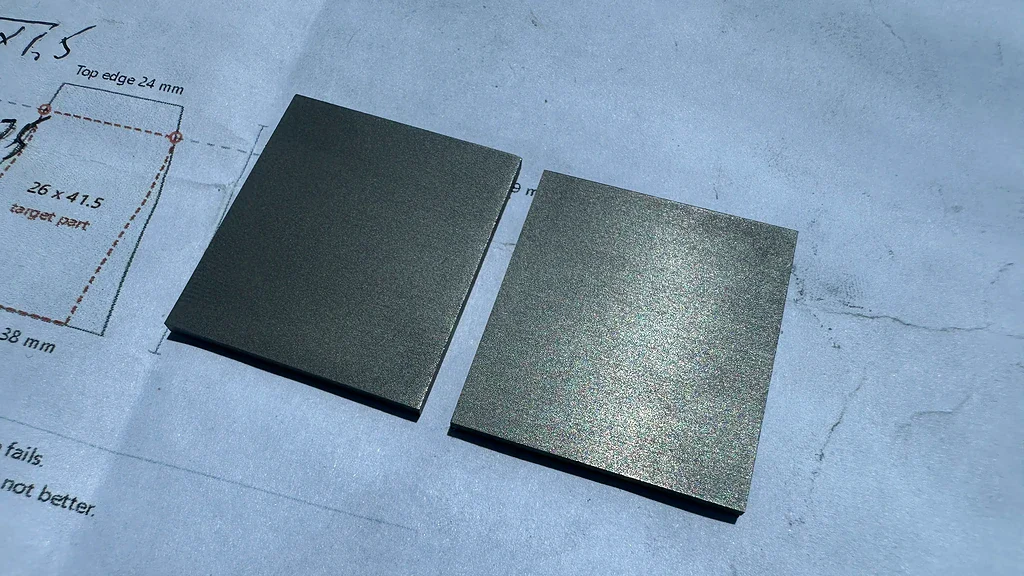
자석 절단에 잘못된 냉각수를 선택하면 몇 시간 안에 알게 될 것입니다. NdFeB의 경우 수성 냉각수는 새로 절단된 표면을 Nd(OH)₃ 부식으로 회색으로 만듭니다. 페라이트의 경우 유성 냉각수는 이점이 전혀 없이 필터링 시스템을 막는 슬러지를 생성합니다. 페라이트는 물에서 부식되지 않습니다. 그리고 SmCo의 경우 어떤 것을 사용하든 거의 중요하지 않습니다.,
사마륨 코발트는 아무도 이야기하지 않는 자석 재료입니다. — 응용 분야에서 300°C의 작동 온도가 필요하거나, NdFeB에 비해 환경이 너무 부식성이 강하거나, 위성에서 15년 동안 유지 보수 없이 안정적인 자속을 유지해야 하는 자석이 필요한 경우입니다. 그러면 SmCo는 갑자기 유일한 선택이 됩니다. 문제는 SmCo가
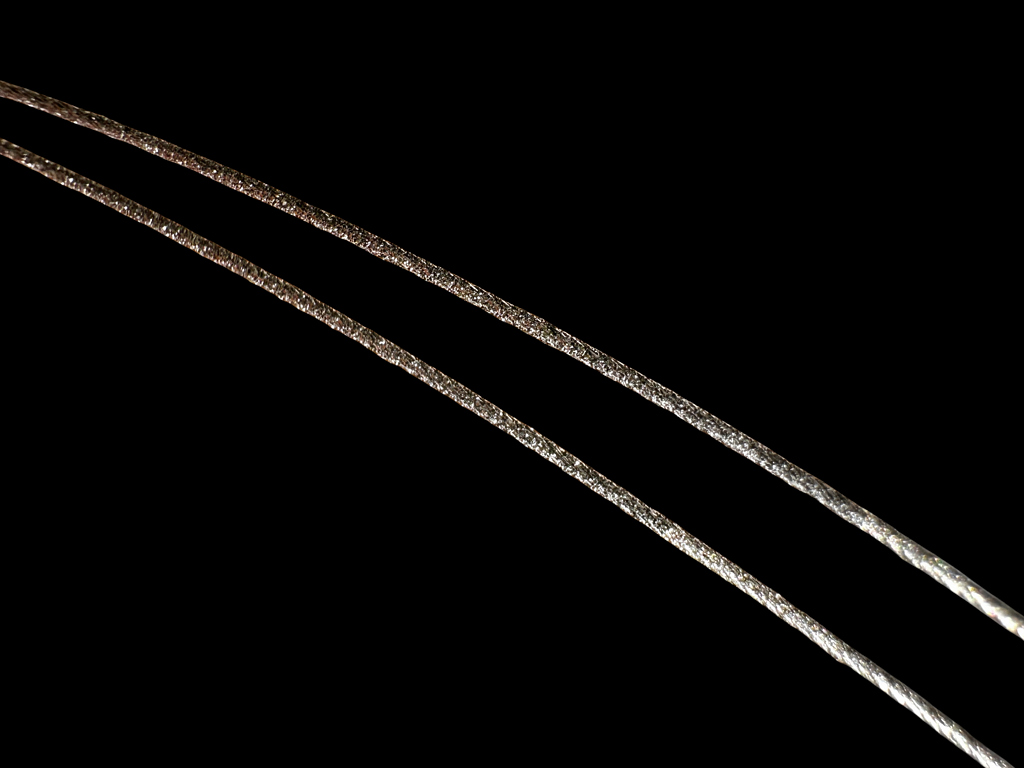
페라이트는 가공하기에 이상한 재료입니다. 기술적으로는 세라믹 — 단단하고, 부서지기 쉽고, 전기 전도성이 없는 — 이지만, 세계에서 가장 대량 생산되는 영구 자석 재료이기도 합니다. 매년 수십억 개의 페라이트 자석 세그먼트가 자동차 센서, 마이크로 모터, 스피커 및 가전 제품에 사용됩니다. 그리고 그들 각각은 소결된
A diamond wire saw can produce NdFeB surfaces with Ra 0.3–0.5 μm straight off the cut. That sounds good on paper — and it often is good enough for magnets that go directly into bonded assemblies. But for magnets heading into electroplating or precision motor applications, “good enough off the saw” and “ready for coating”
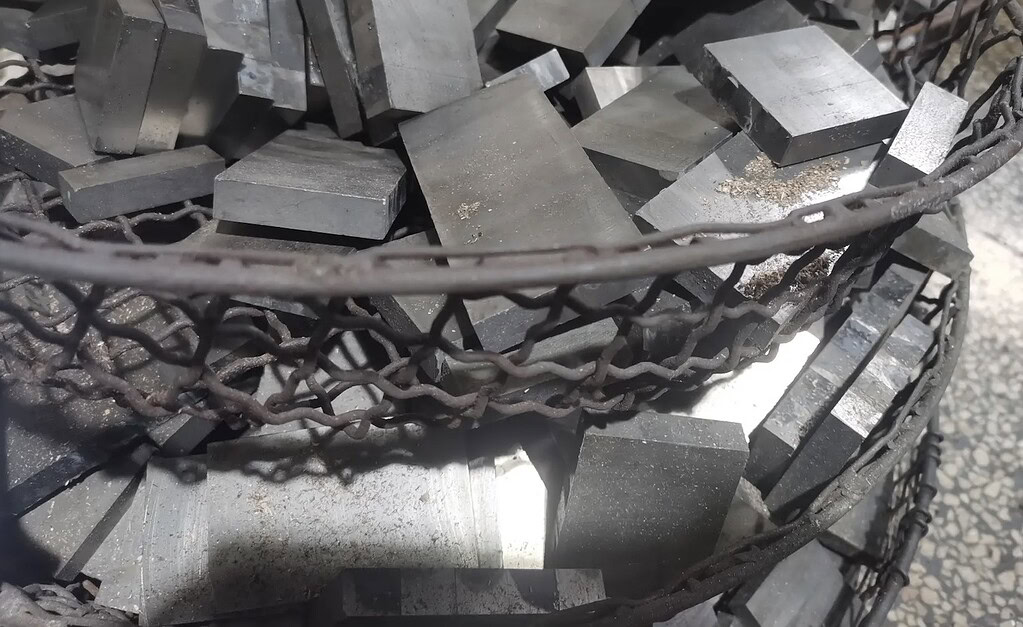
Sintered NdFeB is one of the hardest permanent magnet materials to cut cleanly. The grain boundaries are brittle, the Nd-rich phase oxidizes fast when exposed to moisture, and any thermal input during cutting can permanently damage the microstructure — reducing the magnet’s achievable performance when it’s finally magnetized downstream. We’ve processed hundreds of NdFeB blocks
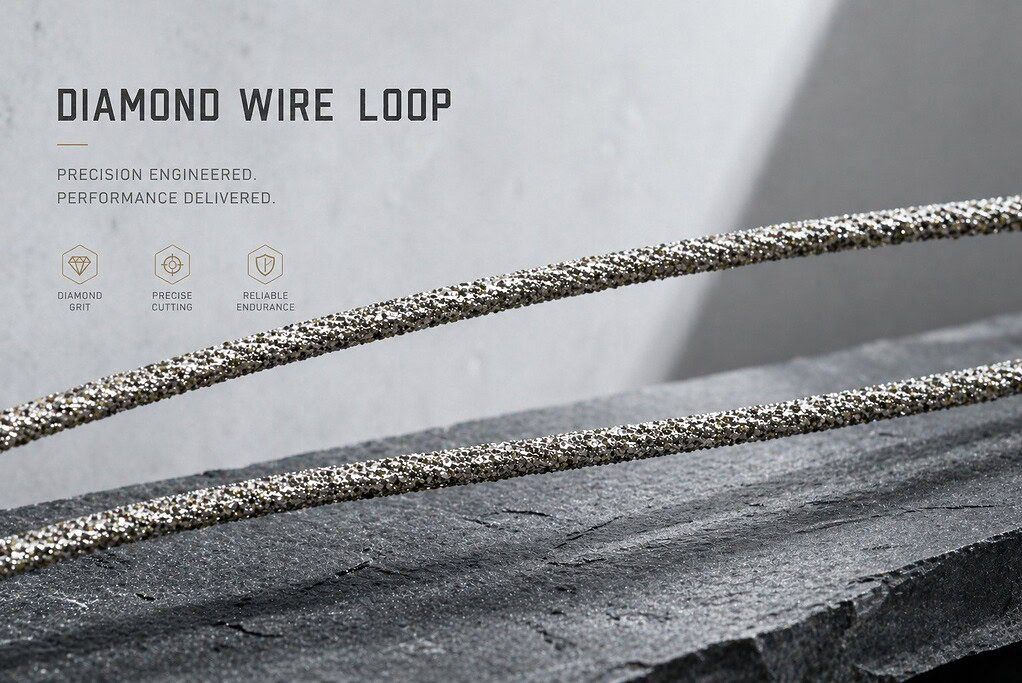
A clean cut through optical glass looks almost polished — no visible marks, no micro-cracks, no chipping at the edges. A bad cut through the same glass looks frosted, has irregular edge damage, and may contain subsurface cracks that won’t show up until the part fails during downstream processing. The material is the same. The
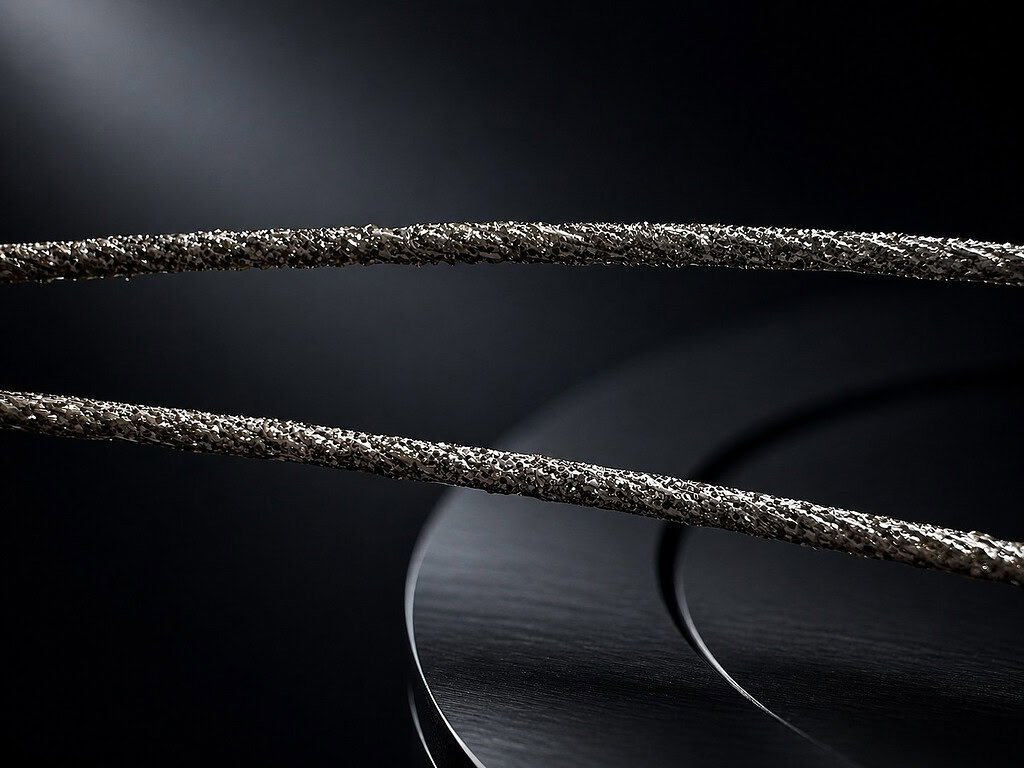
Every cutting diamond wire application comes down to four numbers: wire speed, wire tension, feed rate, and wire diameter. Get these right and the process runs itself — clean cuts, consistent accuracy, predictable wire life. Get them wrong and you’ll burn through wire, crack workpieces, or spend hours chasing surface quality problems that could have
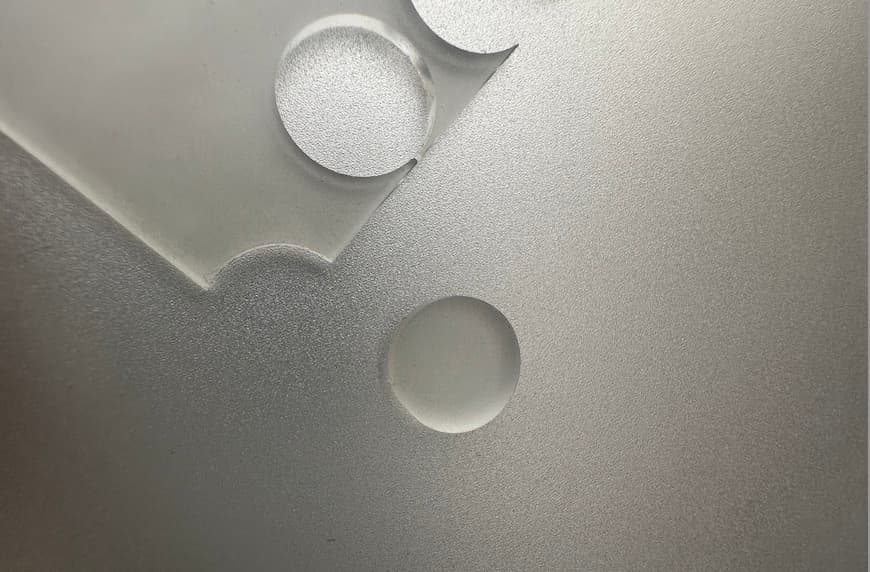
A cutting diamond wire loop doesn’t fail all at once. It degrades gradually — grain by grain, pass by pass — until the cutting performance drops below what the job requires. The challenge isn’t predicting exactly when the wire will break (though that matters too). The real challenge is knowing when to replace it before
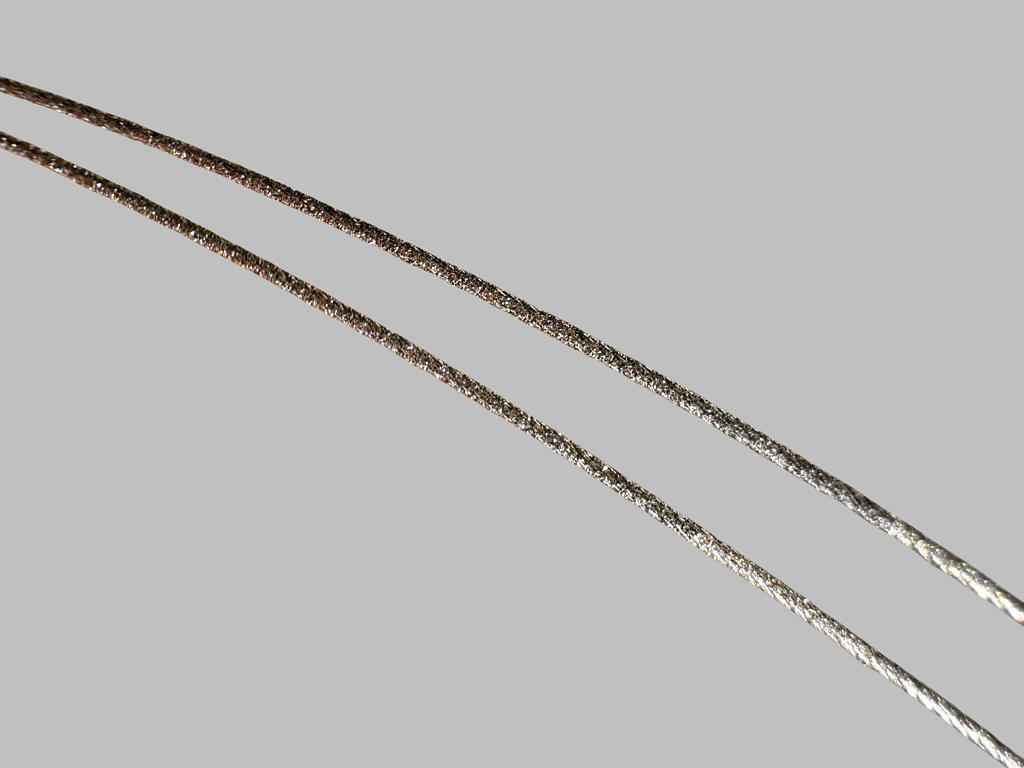
In a traditional wire saw, the wire runs from one spool to another and back — hundreds of meters of wire, reciprocating through the cut zone. In an endless wire saw, the wire is a closed loop. No spools. No reversal. The wire circulates in one direction, continuously, like a belt. That loop — the