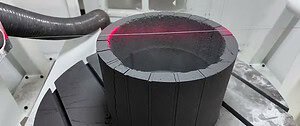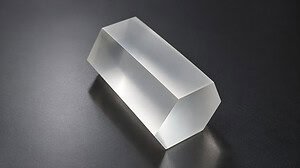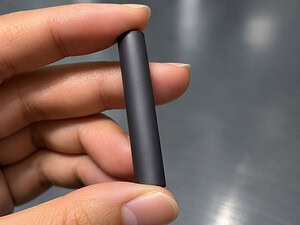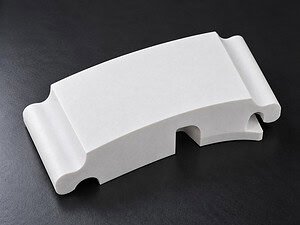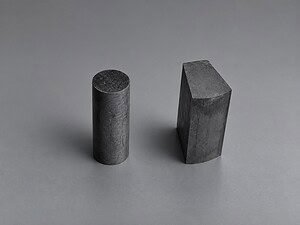
Pregunte a cualquier fabricante que haya intentado cortar imanes y probablemente le dirá lo mismo: es un lío. Cortar materiales magnéticos, especialmente los sinterizados como el NdFeB, no es sólo cortar un bloque. Se trata de hacerlo sin destruir el material en el proceso.
Choosing a cutting method requires attention to the magnet grade, part geometry, edge condition and subsequent finishing, rather than assuming one tool is always suitable.
Lo que suele fallar
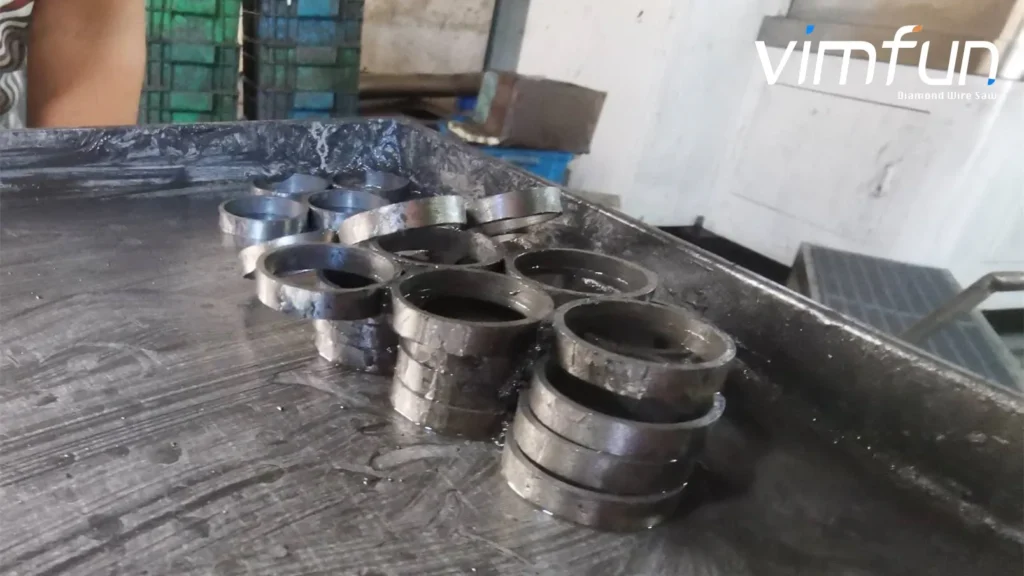
When comparing band sawing, abrasive-wheel cutting, EDM and diamond wire sawing for a magnetic workpiece, investigate these possible defects under the actual process conditions:
- Esquinas agrietadas y bordes astillados
- Sobrecalentamiento, causando decoloración o tensión microestructural
- Tolerancias incoherentes, especialmente en piezas pequeñas o delgadas
Estos problemas no sólo hacen que las piezas parezcan malas. También:
- Reducir el rendimiento
- Pulido y revestimiento complicados
- Riesgo de averías en motores o sensores
Record accepted-part yield, edge damage and finishing work separately when assessing a process change; one observation does not establish a general improvement rate.
Corte de materiales magnéticos es complicado por varias razones
- Sintered rare-earth magnets and ferrites can be hard and brittle; distinguish these from bonded magnets and other magnetic materials.
- Machining debris requires grade-specific assessment. Consult the material and coating safety data sheets; fine rare-earth magnet particles may present fire and exposure hazards. Do not apply one toxicity label to all magnetic materials.
- Workholding, contact loads and vibration can contribute to cracking or edge damage in brittle grades.
- Temperature limits depend on the material grade and whether it is magnetized. Assess material damage and magnetic-property requirements for the actual workpiece.
Every cutting method introduces loads and may generate heat. Compare support, removal mechanism and finishing requirements for the same magnetic material and geometry.
La alternativa de la sierra de hilo Introduzca la sierra de hilo de diamante.
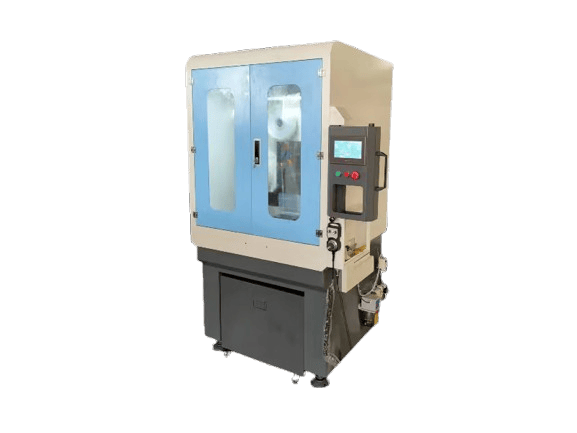
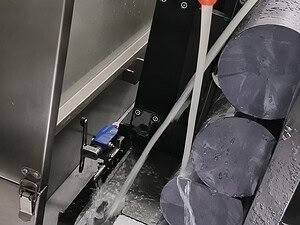
Diamond wire cutting removes material through abrasive contact, including friction, scratching and micro-cutting or fracture. Wire condition, tension, feed and support affect the contact loads and cut quality; it is not friction-free or guaranteed damage-free.
For a proposed change from an ID saw to a diamond wire saw, evaluate the following rather than assuming a fixed production improvement:
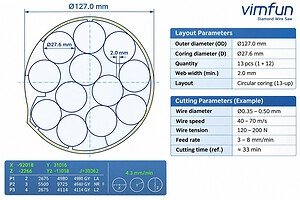
- Equipment suitability: review the SG20 configuration, fixtures, wire and fluid compatibility for the actual magnetic material before selecting it.
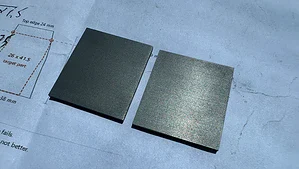
- Edge quality: inspect representative entry and exit edges using agreed acceptance criteria and compare accepted parts with the existing process.
- Finishing workload: record the stock and time required to reach the specified final surface; sawing does not automatically remove the need for finishing.
- Production rate: compare complete cycles, setup, wire changes, finishing and accepted-part yield for equivalent workpieces.
Keep the test configuration and inspection records with any claimed production result. A representative sample does not establish the same outcome for every magnet grade.
Checks When Evaluating a Wire Saw for Magnetic Materials
- Mechanical loading: Evaluate edge damage, wire bow, tracking and fixture stability. Abrasive contact still applies forces, and wire sawing does not eliminate vibration or sudden loading.
- Surface finish: Measure the as-cut surface using a stated method and distinguish it from the surface after grinding or polishing. No universal roughness is specified here.
- Dimensional requirements: Confirm the machine configuration, accessible geometry and inspection method, then validate the required dimensions on samples.
- Pérdida de material: Measure kerf, finishing allowances and rejected material together; wire diameter alone does not establish the material saved.
- Fluid and debris control: Where wet cutting is approved, check compatibility with the material, coating, machine and waste-handling process. Wetting can reduce airborne dust but does not prove zero exposure or absence of fire hazards. Follow the applicable risk assessment, supplier guidance and exposure controls.
Confirm whether the actual workpiece is magnetized. Magnetic attraction, conductive or combustible debris and particle accumulation require assessment for the chosen setup; an unmagnetized workpiece does not make all handling or debris risks disappear.
Para sierras de hilo diamantado , evaluate the material, geometry and total process against other suitable cutting methods. Choose from representative trials and the required inspection results, not a promise of universally superior performance.