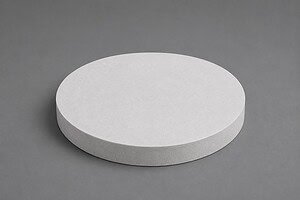
융합 석영 유리 링. 외부 직경 420mm, 내부 보어 300mm, 두께 18mm. 링은 균열 없이 한 조각으로 온전하게 나와야 하며, 연삭 및 연마에 바로 사용할 수 있을 만큼 깨끗한 모서리를 가져야 합니다.
이 크기에서는 당연한 것이 아닙니다. 융합 석영은 부서지기 쉽습니다. 공작물이 클수록 다이아몬드 와이어의 접촉 호가 길어지고, 그 길이를 따라 측면 힘이 더 많이 축적됩니다. 이 힘은 제어되지 않으면 진입 및 출구 영역에서 칩핑을 유발하거나, 나중에 열 순환 또는 연마 중에만 나타나는 표면 아래 미세 균열을 시작합니다.
이 사례에서는 VIMFUN이 링을 어떻게 절단했는지, 그리고 420mm 직경에서 공정 선택이 중요한 이유를 살펴봅니다.
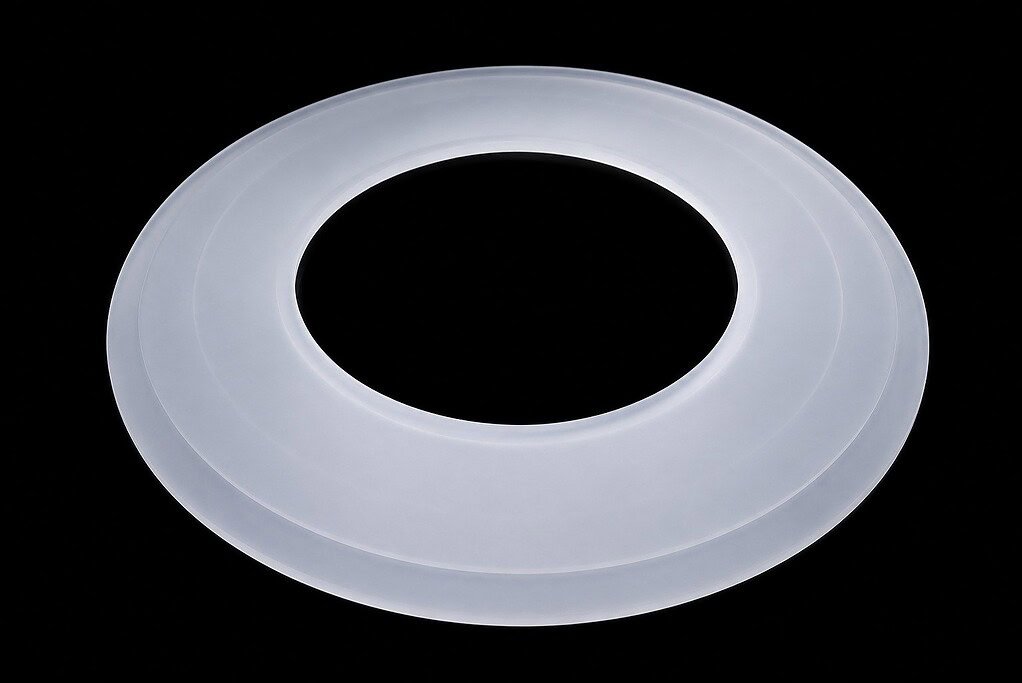
응용 분야: 반도체 및 광학 시스템용 융합 석영 링
융합 석영은 거의 제로에 가까운 열팽창(0.55 × 10⁻⁶/°C), 높은 화학적 순도, UV 투과성, 열 순환 시 치수 안정성 등 까다로운 요구 사항을 동시에 충족할 수 있는 몇 안 되는 재료 중 하나입니다. 이러한 특성으로 인해 반도체 제조 장비, 광학 어셈블리 및 고청정 산업 시스템 내부 부품의 표준 재료가 됩니다.
이 크기 등급의 링 및 디스크 형상은 여러 응용 분야에 걸쳐 나타납니다.
- Semiconductor equipment — 웨이퍼 제조에서 챔버 부품, 확산 튜브 고정 장치 및 공정 격리 요소로 사용되는 석영 링
- 광학 시스템 — 치수 안정성과 표면 무결성이 사양인 대구경 광학 블랭크 및 링 마운트
- 고순도 공정 시스템 — 절단 잔류물로 인한 오염이 허용되지 않는 유량 제어 및 격리 부품
이 모든 경우에 절단면 품질은 직접적으로 중요합니다. 링은 사용 전에 광범위한 재작업을 거치지 않습니다. 와이어가 남긴 것이 다음 공정 단계의 시작 조건입니다. 이는 절단 공정을 제약합니다. 모서리 칩핑은 허용 오차 내에 있어야 하고, 표면 아래 손상은 최소화해야 하며, 냉각수 시스템은 청정 공정 요구 사항과 호환되어야 합니다.
이 절단에 대한 고객 사양: 링 구조 완전 온전, 모서리 칩핑 0.2mm 미만, 눈에 보이는 균열 없음, 후속 연삭 및 연마 준비 완료된 표면.
과제: 420mm 직경의 대형 석영 유리 링 절단
융합 석영은 약 570 HV 비커스 경도를 가집니다. 파괴 인성(K₁c)은 약 0.75 MPa·m⁰·⁵로, 대부분의 고급 세라믹보다 훨씬 낮으며, 모서리 응력 집중이 직접 칩핑 또는 균열 시작으로 이어질 만큼 낮습니다. 용융 석영 재료 특성 은 재료 문헌에 잘 문서화되어 있습니다. 절단 과제는 재료 자체만이 아니라 재료 특성과 작업물 규모의 조합입니다.
420mm 직경에서 세 가지 요인이 복합적으로 작용합니다.
접촉 호 길이. 다이아몬드 와이어가 이 링을 절단할 때, 작업물 직경이 증가함에 따라 증가하는 접촉 호를 통해 석영과 접촉합니다. 측면 절단력이 해당 호를 따라 축적됩니다. 직경이 50mm 또는 60mm인 작은 작업물에서는 이러한 힘이 관리 가능하며 와이어가 경로를 유지합니다. 420mm에서는 더 긴 호에 작용하는 동일한 힘이 가장자리 전환부에서 와이어 편향 위험을 증가시킵니다. 각 절단 패스의 진입 및 종료 지점은 기하학적 구조가 가장 비대칭적이며 칩핑이 가장 먼저 시작되는 곳입니다.
열 구배. 용융 석영은 열 전도율이 낮습니다. 약 1.4W/m·K로, 알루미늄의 170W/m·K에 비해 낮습니다. 절단 영역에서 발생하는 열은 주변 재료로 빠르게 이동하지 않습니다. 대형 링을 통한 긴 절단에서 절단 영역과 벌크 석영 사이의 온도 차이는 시간이 지남에 따라 증가합니다. 열 구배는 인장 응력을 생성합니다. K₁c가 0.75 MPa·m⁰·⁵인 재료에서 인장 응력은 표면에서는 반드시 보이지 않지만 후속 가공 중에 전파될 수 있는 잠재력을 가진 지하 미세 균열이 시작되는 방식입니다.
냉각수 제약. 이 링은 반도체 장비에 사용됩니다. 많은 석영 절단 설정에서 표준인 유성 절단 유체는 해당 응용 분야에서 허용되지 않는 유기 오염 물질을 도입합니다. 절단 공정은 수성 냉각수로 실행되어야 하며, 이는 와이어-석영 인터페이스에서의 윤활 역학과 다운스트림 세척 요구 사항 모두를 변경합니다.
이 중 어느 것도 단독으로 대형 석영 유리 링 절단을 불가능하게 만들지는 않습니다. 함께, 이들은 첫 번째 절단 전에 공정 매개변수를 조정해야 하는 좁은 작동 창을 설정합니다.
접근 방식: SH60-R 다이아몬드 와이어 톱 및 0.50mm 와이어
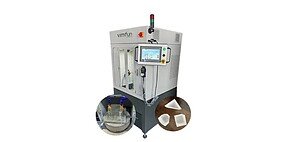
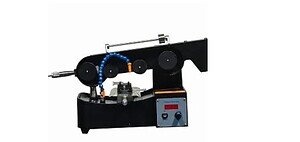
VIMFUN은 이 절단을 SH60-R 무한 다이아몬드 와이어 톱, 에서 수행했으며, 0.50mm 전착 다이아몬드 와이어 루프.
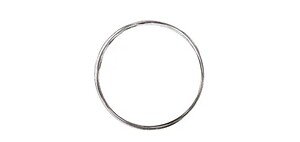
와이어 선택. 0.50mm의 와이어 직경은 좁은 절단폭을 유지하기 위해 선택되었습니다. — 약 0.55mm의 최종 절단폭 — 대형 쿼츠 링의 재료 손실을 최소화하면서 와이어-재료 인터페이스에서의 절단력을 낮게 유지합니다. 대형 취성 재료의 경우, 절단 영역당 단위 면적당 낮은 힘이 칩핑이 시작되는 임계값 이하로 응력 집중을 유지하는 것입니다. 무한 루프 형식(참조 전기 도금된 다이아몬드 와이어 루프)은 절단 내내 일관된 다이아몬드 연마 표면을 제공합니다. — 시작부터 끝까지 성능 저하 기울기가 없어 110분 절단 시 와이어 상태가 첫 번째 패스만큼 마지막 패스에도 영향을 미치는 경우 중요합니다.
고정. 절단 전에 링은 소프트 툴링을 사용하여 장착되었습니다. — 링 면 전체에 걸쳐 클램핑력을 균일하게 분산시키는 고정 장치로, 단일 접촉 지점에 하중이 집중되지 않습니다. 융합 석영의 경우, 가장자리에서의 국부적인 클램핑 응력은 와이어가 시작되기 전에 균열을 유발할 수 있습니다. 소프트 접촉 고정은 이러한 위험을 제거합니다. 설정에는 정렬 확인, 와이어 장력 확인, 기계가 시작되기 전 절단 경로 확인이 포함되었습니다.
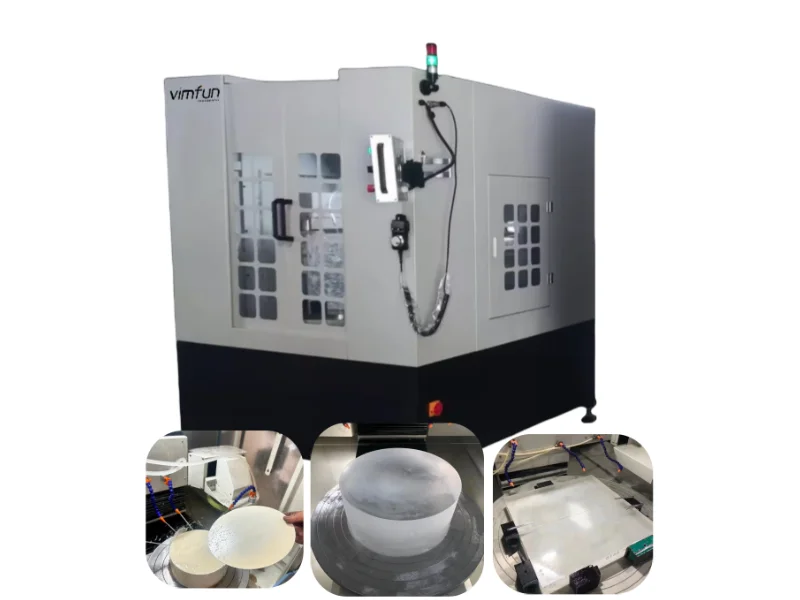
SH60-R
- 최대 공작물 직경(mm): 600
- 최대 공작물 높이(mm): 400
- 회전 절단 기술
- 수평 절단 기술
- 지멘스 시스템
프로세스 매개변수
| 매개변수 | 가치 |
|---|---|
| 작업물 | 융합 석영 유리 링 |
| 외부 직경 | 420mm |
| 내경 | 300mm |
| 두께 | 18mm |
| 기계 | VIMFUN SH60-R 무한 다이아몬드 와이어 쏘 |
| 다이아몬드 와이어 | Ø 0.50mm 전착 다이아몬드 와이어 |
| 와이어 유형 | 무한 (폐쇄 루프) 다이아몬드 와이어 루프 |
| 와이어 속도 | 35 m/s |
| 와이어 장력 | 150 N |
| 피드 속도 | 3mm/분 |
| 냉각수 | 필터링된 탈이온수, 연속 순환 |
| 총 절단 시간 | ~110분 |
| 절단 폭 | ~0.55 mm |
와이어 속도, 장력 및 공급 속도는 취성 재료의 표면 품질 및 가장자리 상태와 직접적으로 상호 작용합니다. 이러한 매개변수가 어떻게 균형을 이루는지에 대해서는 와이어 속도, 장력 및 공급 속도 를 참조하고, 전체 절단 시간 동안 장력을 안정적으로 유지하는 보정 프로토콜에 대해서는 와이어 장력 교정 를 참조하십시오.
공급 속도 선택. 분당 3mm의 속도에서 와이어는 재료를 찢는 대신 커프에서 깨끗하게 파괴할 충분한 시간을 갖습니다. 융합 석영에서 절단 인터페이스에서의 깨끗한 파괴는 부드럽고 손상이 적은 표면을 생성하는 것입니다. 더 높은 공급 속도도 가능하지만, 실패한 절단의 비용이 높은 대형 취성 링에서는 보수적인 공급 속도가 사이클 시간을 희생하여 더 예측 가능한 결과를 얻습니다.
냉각수 시스템. 110분간의 절단 내내 여과된 탈이온수가 지속적으로 공급되었습니다. DI수는 여기서 두 가지 기능을 수행합니다. 실시간으로 절단 구역에서 열과 유리 입자를 제거하고, 반도체 응용 프로그램 요구 사항과 호환되는 유기 오염으로부터 작업물과 기계를 깨끗하게 유지합니다. 냉각 및 윤활 설정에서는 여과를 사용하여 냉각수 내 입자 농도를 낮게 유지하여 유리 파편이 활성 커프로 재진입하는 것을 방지했습니다.
결과: 링 무결, 균열 없음
420mm 융합 석영 링은 약 110분 만에 절단되었습니다. 검사 결과:
| 측정 | Result |
|---|---|
| 총 절단 시간 | ~110분 |
| 완성된 커프 폭 | ~0.55 mm |
| Edge chipping | 입구 및 출구 영역에서 < 0.2 mm |
| 보이는 균열 | 없음 |
| 링 구조적 무결성 | 손상 없음 — 절단 또는 취급 중 파손 없음 |
| 표면 상태 | 하부 연삭 및 연마 준비 완료 |
절단된 표면은 다음 공정 단계 전에 복구가 필요하지 않았습니다. 치수 정확도는 후속 가공을 위해 고객 사양 내에서 확인되었습니다.
반도체 장비에 사용되는 융합 석영 링의 경우, 이러한 결과는 다음과 같은 의미를 갖습니다. 열 순환 중 균열 전파 위험 없음, 공정 환경으로 칩 입자 유입 없음, 연삭 및 연마를 위한 깨끗한 시작 표면. 0.55mm의 절단 폭은 재료 손실이 이 형상에 제약이 되지 않을 만큼 충분히 좁습니다. 하부 공정은 안정적이고 예측 가능한 기준선에서 시작됩니다.
대형 취성 석영에 저속 공급 및 좁은 절단 폭이 효과적인 이유
이는 절단 계면의 응력으로 귀결됩니다. 융합 석영의 칩핑은 절단 가장자리의 국부 응력이 재료의 파괴 인성을 초과할 때 시작됩니다. 공정 설정의 목표는 형상이 비대칭적이고 위험이 가장 높은 진입 및 종료 전환을 포함하여 전체 절단에 걸쳐 이 응력을 임계값 아래로 유지하는 것입니다.
이 책임을 가장 많이 지는 두 가지 매개변수는 다음과 같습니다.
좁은 절단 폭, 낮은 접촉력. 0.50mm 와이어는 다이아몬드 연마재와 석영 사이의 접촉 면적을 제한합니다. 더 좁은 접촉은 절단 면에 분산되는 힘이 적다는 것을 의미합니다. 단위 면적당 힘이 적다는 것은 절단 가장자리의 응력이 칩핑 또는 표면 아래 손상을 시작하는 지점 아래로 유지된다는 것을 의미합니다. 이것이 0.50mm 와이어를 이 응용 분야에 적합하게 만드는 절충점입니다. 처리량이 아니라 규모에 따른 힘 관리입니다.
제어된 공급 속도. 느린 공급은 와이어가 석영을 절단하는 대신 절단 영역에서 깨끗하게 파괴할 시간을 줍니다. 절단 전면에서 깨끗한 파괴와 전단 파열 사이의 차이는 0.55mm의 매끄러운 절단 폭을 칩핑과 더 거친 표면을 가진 절단 폭과 분리하는 것입니다. 3mm/min에서 공정은 해당 경계의 깨끗한 파괴 측에 머무릅니다.
연속적인 DI 물 냉각은 열 측면을 처리합니다. 절단 영역에서 지속적으로 열을 제거하여 110분 동안의 절단 과정에서 벌크 재료에 인장 응력을 생성하는 구배 축적을 방지합니다. 실시간으로 절단 폭에서 제거된 유리 입자는 파편이 활성 절단 영역으로 다시 들어가는 것을 방지하여 2차 마모를 방지합니다. 석영 및 광학 유리에서 냉각수와 윤활유가 와이어 성능과 상호 작용하는 방식에 대한 전체 내용은 다음을 참조하십시오. 냉각 및 윤활.
이 공정 논리는 다른 대형 취성 재료 — 광학 유리, 고급 세라믹, 사파이어 — 에도 확장됩니다. 규모와 취성의 조합이 처리량 최적화보다 힘 제어를 요구하는 모든 곳에 적용됩니다. 매개변수 범위는 재료마다 다릅니다. 근본적인 역학은 그렇지 않습니다. 기계적 하중 하에서의 석영 및 실리카 유리 거동에 대한 더 넓은 참조는 다음을 참조하십시오. 융합 석영 응용 분야에 대한 AZoM.
이 절단 뒤에 있는 다이아몬드 와이어 톱 플랫폼에 대한 배경 정보는 다음을 참조하십시오. 와이어 톱 절단 개요.

산업 및 애플리케이션
대형 석영 유리 링 절단은 여러 부문의 제조업체에 서비스를 제공합니다.
- 반도체 제조 장비 — 챔버 링, 공정 튜브 부품, 절연 링 및 웨이퍼 핸들링 및 열처리용 석영 고정구
- 광학 시스템 — 대구경 광학 요소 블랭크, 링 마운트 및 낮은 표면 손상이 필요한 정밀 광학 유리 부품
- 광자 및 레이저 시스템 — 표면 무결성이 전송 성능에 영향을 미치는 빔 경로 부품 및 광학 링 마운트
- 고순도 산업 시스템 — 재료 순도와 깨끗한 절단이 모두 필요한 유량 제어 및 공정 절연 부품
대규모 경취성 재료의 관련 사례는 당사의 대형 알루미나 세라믹 링 절단 사례 연구 300mm Al₂O₃ 링을 다루고, 당사의 탄화규소 링 절단 사례 연구 엄격한 가장자리 형상 요구 사항이 있는 소형 SiC 씰 링용.
Can We Cut This for Your Application?
귀하의 응용 분야에 융합 석영, 광학 유리 또는 고급 세라믹이 링, 디스크 또는 플레이트 형태(특히 100mm 이상의 직경)로 포함되는 경우 동일한 공정 접근 방식이 적용됩니다. 와이어 직경, 장력 및 공급 속도는 특정 형상 및 공차 사양에 맞게 조정됩니다.
타당성 평가를 받으려면 다음을 보내주십시오.
- 재료 및 등급 — 용융 석영, 결정질 석영, 광학 유리 등급 또는 기타 사양
- 가공물 형상 — OD, ID 및 두께, 가능한 경우 도면 포함
- 가장자리 및 표면 요구 사항 — 칩핑 허용 오차, Ra 목표 또는 다운스트림 공정 표준
- 냉각수 제약 — 오일 기반 허용, 또는 물 기반만 해당
- 생산 의도 — 샘플 컷, 소량 배치 또는 대량 생산
영업일 기준 3일 이내에 공정 평가를 제공합니다. 당사의 절단 범위 내의 형상에 대해서는 생산 약정 전에 샘플 조각을 실행할 수 있습니다.
빔펀의 끝없는 다이아몬드 와이어 루프 플랫폼은 석영 유리, 광학 유리, 첨단 세라믹, 사파이어, 실리콘, 흑연, 반도체 재료 및 희토류 자석을 취급합니다. 대형 및 정밀 소형 부품 응용 분야 모두 장비 범위 내에 있습니다.