石英切断の科学: 円形ダイヤモンドワイヤー切断技術

ツイッター
フェイスブック
LinkedIn
ピンタレスト

Quartz cutting with circular diamond wire is used when a hard, brittle workpiece requires low cutting force, a controlled kerf and stable access through a long section. The result still depends on the quartz type, geometry, support, wire condition, feed and debris removal. Circular motion alone does not guarantee a chip-free edge or finished optical surface.

This article explains the process factors that should be checked before cutting quartz with a closed-loop diamond wire. For the wider application route, see the quartz glass cutting solutions page.

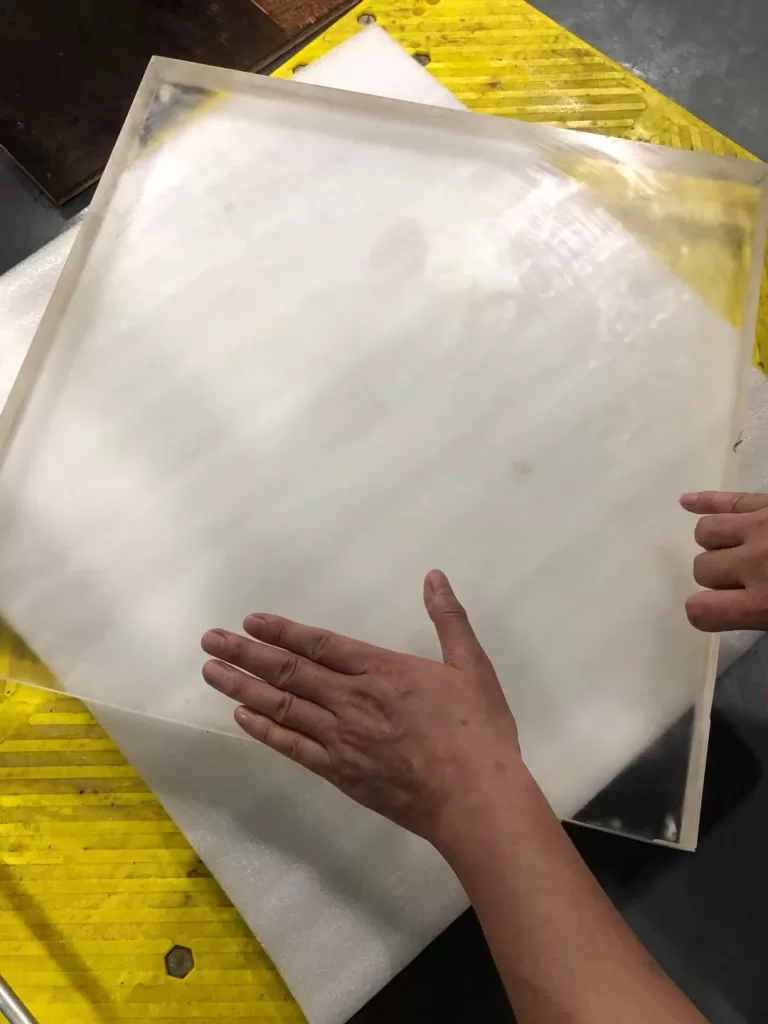
Quartz glass cutting with circular diamond wire
Quartz type, wall thickness, support and acceptance criteria should be confirmed before setting the cutting process.

Quartz Types and Cutting Differences

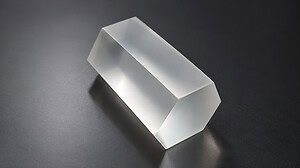
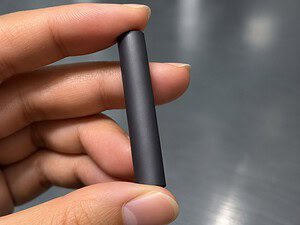
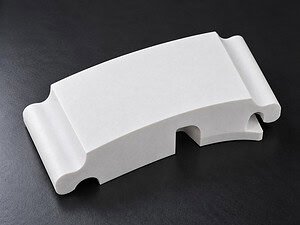
“Quartz” may refer to different materials and product forms. Fused silica, fused quartz, crystalline quartz and opaque quartz products do not behave identically. The supplier grade, manufacturing route, inclusions, residual stress and surface condition should be recorded before transferring settings from another part.

Quartz material or formTypical cutting concernInformation to confirmTrial direction
Fused silica / fused quartzBrittle edge, subsurface damage and contamination limitsGrade, purity, annealed condition, dimensions and final surface requirementUse stable support, controlled entry/exit and an approved debris-control method
Crystalline quartzCrystal orientation, inclusions and direction-dependent fractureOrientation, visible defects, cut direction and downstream useCompare representative cuts before fixing the production path
Quartz tube or ringThin walls, local stress and exit-edge breakoutOutside/inside diameter, wall thickness, ovality and clamping areaDistribute support and protect the final breakthrough area
Large block or thick sectionLong engagement, wire bow and debris trapped in the kerfCut depth/length, mass, datum surfaces and allowable kerfVerify alignment, fixture rigidity and coolant delivery through the full depth
Opaque or inclusion-rich quartzLocal variation, bubbles or inclusions affecting edge behaviorMaterial certificate, visible features and acceptance limitsInspect the cut path and validate on material from the intended batch

Why Circular Diamond Wire Is Evaluated for Quartz

A continuous loop moves through the cutting zone without a programmed end-of-stroke reversal. The small, flexible tool can provide access to selected straight or profile cuts while applying lower local force than some rigid tools. Practical benefits must still be confirmed from actual kerf, straightness, edge condition, cut time, wire use and downstream finishing.

Wire diameter, abrasive size, coating pattern and wear condition affect the process. Review available structures on the ダイヤモンドワイヤー仕様ページ, then select the final wire from a representative test rather than a general quartz label.

Chipping, Microcracks and Surface Control

Quartz can chip at entry, exit, corners and thin walls. Visible chips are only one quality measure; critical optical or semiconductor parts may also require inspection for subsurface damage, straightness, flatness and contamination. The cutting step should therefore be planned together with cleaning, inspection, grinding or polishing.

  • Entry control: avoid an abrupt initial load and confirm that the wire meets the intended face squarely.
  • Exit support: use suitable backing or sacrificial support when the final edge is vulnerable.
  • Fixture pressure: distribute clamping force so a tube, ring or thin section is not locally stressed.
  • Wire path: verify guide alignment, wheel condition and clearance through the complete cut.
  • Coolant and debris: keep particles from recirculating in the kerf and confirm that the fluid is compatible with the process.

Quartz Cutting Troubleshooting

Observed resultPossible causes to checkAdjustment direction
Exit-edge breakoutUnsupported exit, aggressive feed, existing defect or local fixture stressImprove backing, reduce abrupt breakthrough and inspect the workpiece
Wire bow or tapered cutExcess feed, low effective tension, alignment error or deep engagementReturn to the last stable condition and verify mechanics before continuing
Periodic surface marksLoop runout, wheel/guide condition, vibration or trapped particlesInspect the complete wire path, fixture and debris removal
Cutting rate decreasesLoaded or worn abrasive, poor coolant access or changing contact lengthInspect the wire and kerf before increasing feed
Thin wall cracks during clampingPoint loading, ovality or inadequate supportDistribute restraint and use geometry-matched support
Surface fails inspectionWrong acceptance assumption, damaged wire, unstable process or insufficient finishingMeasure the defect and review the full cutting-to-finishing route

Machine Fit: SH60-R for Quartz Glass

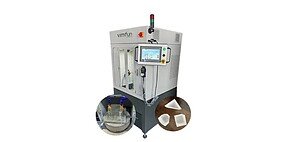
SH60-R quartz glass wire cutting machine is a relevant model to evaluate for quartz glass applications. Machine capacity, fixture access, wire selection and achievable result should be confirmed against the actual workpiece drawing and acceptance requirements. No fixed parameter set should be transferred without a representative test cut.

Quartz Cutting Application Video

The retained video shows a quartz cutting application. It demonstrates one setup rather than a universal recommendation. Compare the material, workpiece dimensions, fixture, wire and quality target with the intended project.

YouTube プレーヤー

Information Required Before a Quartz Test Cut

  • Quartz grade, manufacturing route, purity and annealed condition.
  • Workpiece dimensions, weight, geometry, thin walls and available clamping surfaces.
  • Cut path, depth, length, quantity and entry/exit locations.
  • Kerf allowance, straightness, flatness, chipping and surface inspection requirements.
  • Coolant, cleanliness, contamination and downstream finishing restrictions.
  • Production quantity, cycle target and required inspection records.

よくある質問

Can the same settings cut every quartz grade?

No. Material route, residual stress, inclusions, geometry, cut depth and acceptance requirements can change the stable process window.

Does circular diamond wire eliminate quartz chipping?

No. Low cutting force can help, but edge condition still depends on support, entry/exit strategy, wire condition, feed, alignment and the material itself.

Does the cut surface still require polishing?

That depends on the final specification. Optical, sealing or datum surfaces may require grinding, lapping or polishing after separation.

What should be measured in a quartz sample cut?

Record actual kerf, straightness or flatness, edge breakout, surface condition, cut time, wire behavior, coolant/debris performance and any finishing required.

結論は

Circular diamond wire is a useful option for selected quartz glass and crystalline quartz cutting tasks, but performance must be judged from the complete process. Identify the material, protect vulnerable geometry, keep the wire path and debris control stable, and approve production settings from repeated sample results. This approach is more reliable than assuming one wire or parameter set fits every quartz component.

トップに戻る

連絡先

ご安心ください!私たちは、お客様のニーズに合った裁断機を入手することが非常に困難であることを知っています。切断のプロがいつでもサポートいたします: