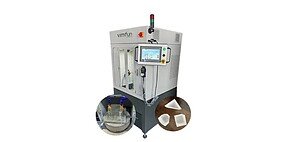
円形ダイヤモンドワイヤー技術は、制御されたホイールパスに沿って連続的に移動する閉じた研磨ループを使用します。ワイヤーは固定されたダイヤモンド粒子を運び、機械が速度、張力、送り、ワークピースの位置を調整します。これにより、長いスプール供給ワイヤーとは異なるプロセスが作成されます。ループは一方向に移動し、機械内を戻り、切断ゾーンを繰り返し通過します。.
この記事では、一般的な製品カテゴリを提示するのではなく、テクノロジーについて説明します。利用可能なワイヤー直径、コーティングオプション、およびアプリケーションのマッチングについては、メインの ダイヤモンドワイヤー製品および仕様ページ.
円形ダイヤモンドワイヤーとは何ですか?
円形ダイヤモンドワイヤーは、エンドレスダイヤモンドワイヤーループとも呼ばれ、連続パスに閉じられた柔軟な切断工具です。キャリアワイヤーに固定されたダイヤモンド研磨材が、多数の小さな研削接触を通じて材料を除去します。ループ自体が最終結果を定義するわけではありません。キャリア構造、ループの一貫性、研磨材のサイズ、コーティングパターン、機械の整合性、およびプロセス設定がすべて連携して機能します。.
ワイヤー構造:キャリア、研磨材、およびボンド
- キャリアワイヤー: ドライブホイールとガイドホイールの周りにループが曲がる際の引張サポートと柔軟性を提供します。.
- ダイヤモンド研磨材: 切断接触を作成します。粒度と露出は、除去動作と表面状態に影響します。.
- ボンドまたはコーティング層: キャリア上に研磨材を保持します。カバレッジパターンは、チップスペース、クーラントアクセス、および切断動作に影響します。.
- ループの閉鎖: 円形のパスを完成させます。このゾーンを通る直径の一貫性と柔軟性は、安定した動作に不可欠です。.
ワイヤーが小さいほど公称材料損失を減らすことができますが、直径だけではカーフは決まりません。研磨材のエンベロープ、コーティングの一貫性、ループのランアウト、張力、送り、および機械の振動も寄与します。したがって、ワイヤーの選択は、単一のカタログ値ではなく、実際の材料と必要な結果を使用する必要があります。.
3つの円形ダイヤモンドワイヤーコーティングタイプ
Vimfunアプリケーションでは、一般的にフルコーティング、ハーフコーティング、およびスレッドコーティングのワイヤー構造が区別されます。次の表は実用的な選択ガイドです。最終的なワイヤー直径、研磨材、およびプロセス設定は、材料テストを通じて確認する必要があります。.
| コーティングタイプ | 構造的特徴 | 一般的な材料またはプロセス適合性 | 選定ノート |
|---|---|---|---|
| フルコーティング | アクティブワイヤー表面全体にわたる連続的な研磨材カバレッジ | ガラス、石英、セラミック、シリコンなどの硬くて脆い材料、通常は水またはクーラントを使用 | デブリ除去、クーラントアクセス、粒度、および目的の表面状態を評価する |
| ハーフコーティング | ワイヤーのクリアランスを増やす部分的な研磨材カバレッジ | 多くの場合、グラファイトおよびより多くのチップスペースを必要とするアプリケーションで評価されます | ドライ/ウェット方式、集塵、およびグラファイトグレードを確認する |
| スレッドコーティング | コーティング領域間に開いたクリアランスを持つ、らせん状または糸状の研磨材パス | 粉塵が多い材料および水を添加できないアプリケーション | 開いたコーティングパスをチップ排出、粉塵制御、およびエッジ要件に合わせる |
3つの名前はコーティングレイアウトを表しており、普遍的なパフォーマンスグレードではありません。フルコーティングワイヤーが自動的に最速になるわけではなく、スレッドコーティングワイヤーがすべてのドライプロセスに自動的に適しているわけでもありません。材料グレード、ワークピースサポート、および検証された切断結果が依然として決定要因となります。.
クローズドループモーションとジョイント
クローズドループは、多くの往復システムで使用されるプログラムされた順方向および逆方向サイクルなしで、同じホイールパスを繰り返し通過します。連続的な一方向の動きは、カットでの動きプロファイルを単純化できますが、ループのジオメトリとホイールの整合性も重要になります。円周が一貫していない、局所的な剛性が低い、またはランアウトがあるループは、張力を乱し、周期的なマークを残す可能性があります。.
多くのループ製造ルートには、閉鎖または接合ゾーンが含まれています。それは自動的に「接合部なし」と記述されるべきではありません。実際の要件は、このゾーンが柔軟で、寸法が一貫しており、ホイール直径と互換性があることです。ユーザーは、サプライヤーにループ構造を確認し、単語に頼るのではなく、動作動作を検査する必要があります。 エンドレス のみ。より製品固有の情報は、 ダイヤモンドワイヤー ループページ.
ワイヤ速度、張力、および送り
ワイヤーのパフォーマンスは、調整された動作ウィンドウに依存します。他のパラメータを考慮せずに1つのパラメータを増やすと、ワイヤーの寿命が短くなったり、カット品質が低下したりする可能性があります。機械、ワイヤー、ワークピースは、1つの切断システムとして扱われる必要があります。.
| 制御変数 | 主な役割 | 低すぎる場合 | 高すぎる場合 |
|---|---|---|---|
| ワイヤースピード | 研磨材の接触頻度とデブリ輸送を設定します | 低い除去率または不安定な切断動作 | より多くの熱、摩耗、振動、またはホイール負荷 |
| テンション | カット中のワイヤーパスを安定させます | たわみ、蛇行、または不十分な寸法制御 | ループ、ジョイント、ベアリング、およびワークピースへの負荷が増加します |
| 送り速度 | 材料のエンゲージメントを制御します | 長いサイクルタイムと可能性のあるこすれ | チッピング、たわみ、過負荷またはワイヤーの損傷 |
| 冷却または集塵 | 熱と切削くずを除去します | ロード、汚染または不安定な表面品質 | 過剰な流量はプロセスを妨げたり、取り扱いを複雑にしたりする可能性があります |
詳細なパラメータワークフローについては、を参照してください ワイヤー速度、張力、およびフィードレート. パラメータは、材料、ワイヤー構造、ホイールパス、およびワークピースの寸法を確認した後にのみ転送する必要があります。.
アプリケーションの違い
| 材料またはアプリケーション | 円形ワイヤーが評価される理由 | 低い切断力と狭い工具は、貴重な部品を保護し、エッジの損傷を制限するのに役立ちます。 |
|---|---|---|
| 石英と光学ガラス | 低い熱影響と制御された直線切断 | チッピング、クーラント、平坦度、および必要な表面 |
| セラミックスとサファイア | 硬質脆性材料用の固定ダイヤモンド研磨材 | 材料グレード、内部応力、送り、およびサポート |
| シリコンおよび半導体材料 | 制御されたカーフと低力研磨材除去 | 汚染限界、エッジ損傷、およびクリーニング |
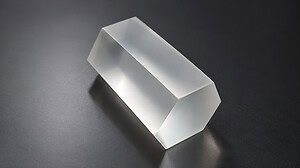
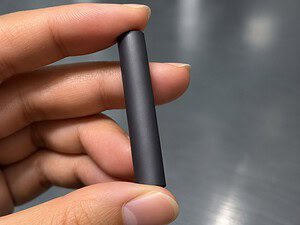
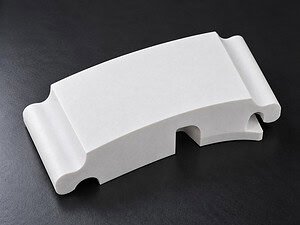
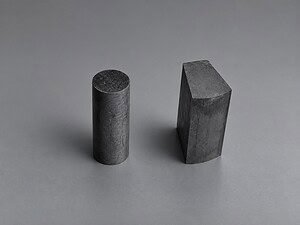
| 黒鉛 | ドライ対応切断構造を検討できます | コーティングタイプ、集塵、およびグラファイト密度 |
| ガーネットと宝石 | 小さなループと互換性のある機械は、サンプルまたはプロファイル作業をサポートできます | 亀裂、内包物、固定方法、および切断方向 |
| 複合材料または先進材料 | 非導電性ワークピースは機械的に加工できます | 層の挙動、層間剥離、研磨材の負荷、およびクーラントの許可 |
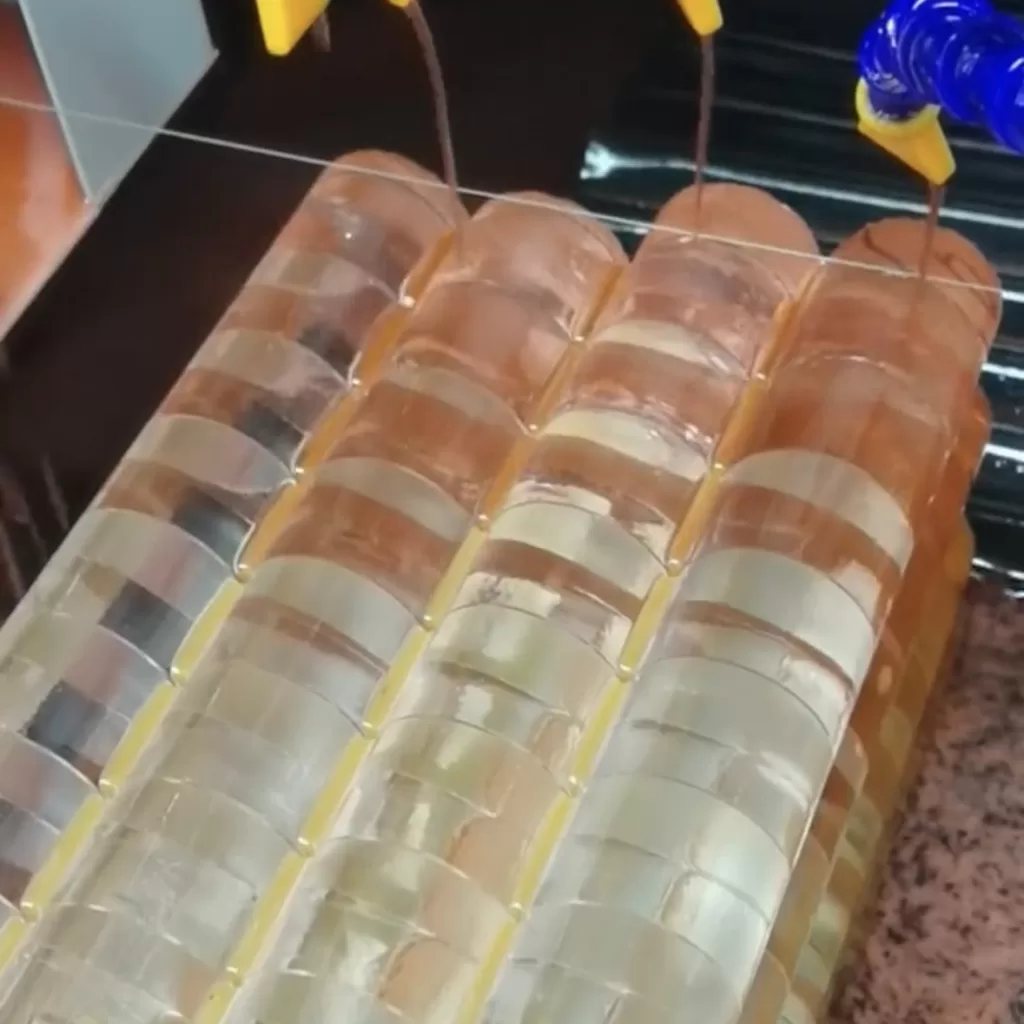
アプリケーションビデオ:ガーネット切断
次の保持されたビデオは、ガーネット切断の例を示しています。これは、普遍的なパラメータ推奨ではなく、アプリケーションを示しています。切断パスを選択する前に、目に見える亀裂、色ゾーン、および固定条件を考慮する必要があります。.
実用的なエンジニアリング開発
円形ダイヤモンドワイヤー技術における有用な開発は、流行のラベルよりもプロセスの整合性に関するものです。現在のエンジニアリング作業は通常、安定したループ円周、制御されたコーティング分布、アプリケーション固有の研磨材露出、再現可能な張力、改善されたホイールアライメント、およびワイヤー負荷と摩耗のより良い監視に焦点を当てています。.
- コーティングの一貫性: ループ周りの局所的な切断変動を減らします。.
- アプリケーション固有のワイヤー構造: 研磨材の接触とクーラントまたはチップクリアランスのバランスをとります。.
- プロセス監視: 機械の負荷、張力、および切断挙動を使用して、不安定な動作ウィンドウを特定します。.
- ウェットおよびドライプロセスの一致: ガラス、セラミック、シリコン、グラファイト、または複合材料の要件に合わせて、デブリ制御を適応させます。.
円形ダイヤモンドワイヤー選択チェックリスト
- 材料グレード、寸法、形状、および内部欠陥を記録します。.
- 切断パス、深さ、カーフ許容値、および必要な表面を定義します。.
- 水、クーラント、またはドライダストコレクションが許可されているかどうかを確認します。.
- デブリの挙動とプロセス制限に合わせて、フル、ハーフ、またはスレッドコーティングを一致させます。.
- ループ円周、ワイヤー直径、および機械ホイールの互換性を確認します。.
- 代表的なサンプルを実行し、カーフ、エッジ、平坦度、表面、時間、およびワイヤー摩耗を記録します。.
よくある質問
円形ダイヤモンドワイヤーはスプールダイヤモンドワイヤーと同じですか?
いいえ。円形ワイヤーはループに閉じられ、連続したホイールパスを周回します。スプール供給システムは、リール間のより長いワイヤー長を管理し、異なるモーションサイクルを使用する場合があります。.
エンドレスワイヤーのループには継目がありませんか?
ループ構造は、製造ルートによって異なります。多くのループには、閉鎖ゾーンが含まれています。重要な基準は、柔軟性、寸法の一貫性、およびホイール周りの安定した通過です。.
硬質脆性材料に適したコーティングはどれですか?
フルコーティングワイヤーは、水またはクーラントを使用した硬質脆性材料で一般的に評価されます。材料グレード、必要な表面、デブリ除去、およびサンプル結果は、最終仕様を確認する必要があります。.
ドライで粉塵の多い切断に適したコーティングはどれですか?
スレッドコーティング構造は、オープンな切りくずクリアランスとドライ加工が重要な場合にしばしば検討されます。グラファイトについては、ハーフコーティングワイヤも評価される場合があります。集塵と材料試験は引き続き必要です。.
すべての材料に同じ速度、張力、送り値のセットを使用できますか?
いいえ。動作範囲は、材料、ワイヤ径、コーティング、ループ長、ホイールパス、カット深さ、クーラントまたはダスト制御、および許容基準によって変化します。.
結論
サーキュラーダイヤモンドワイヤ技術は、閉じた研磨ループと制御された一方向の動きを組み合わせています。その性能は、キャリアと研磨構造、コーティングパターン、ループの一貫性、ホイールアライメント、張力、速度、送り、およびデブリ制御といったシステム全体から生まれます。フルコーティング、ハーフコーティング、スレッドコーティングワイヤは、異なる材料とプロセスのニーズに対応するため、実際のワークピースとサンプルカットの証拠で正しいオプションを確認する必要があります。.