Un corte limpio a través de vidrio óptico parece casi pulido: sin marcas visibles, sin microfisuras, sin astillado en los bordes. Un corte deficiente a través del mismo vidrio parece esmerilado, tiene daños irregulares en los bordes y puede contener grietas subsuperficiales que no aparecerán hasta que la pieza falle durante el procesamiento posterior. El material es el mismo. La máquina es la misma. La diferencia es la calidad del alambre de diamante de corte: una combinación de acabado superficial, integridad del borde, consistencia dimensional y condición subsuperficial que determina si una pieza cortada es utilizable o chatarra.
Este artículo cubre qué define la calidad en el corte con alambre de diamante, qué la degrada y cómo mantenerla en las series de producción.
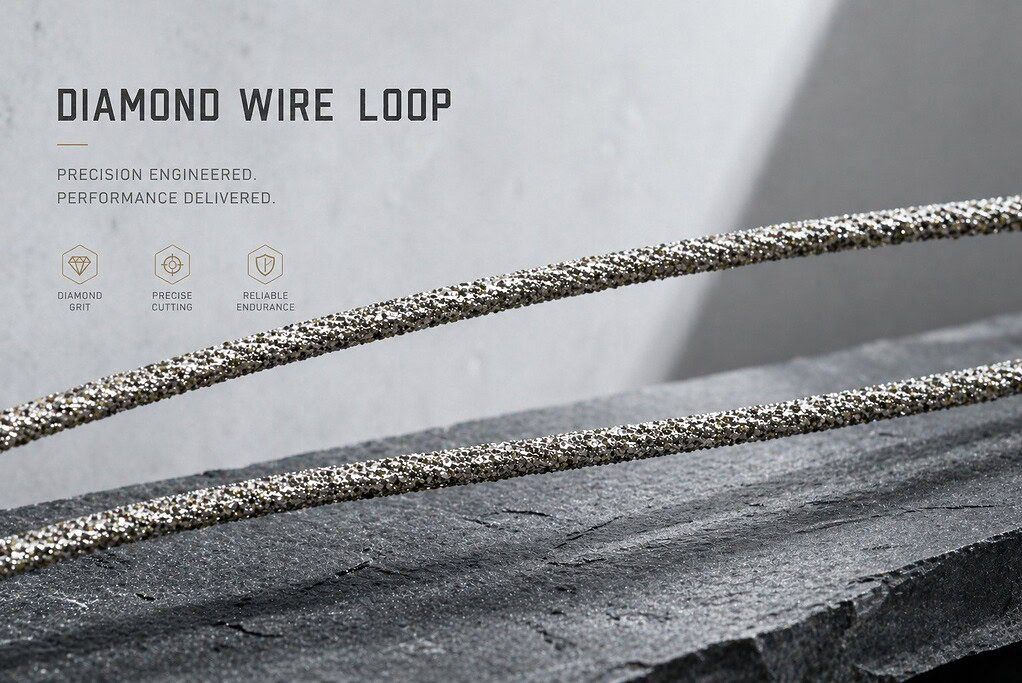
Qué significa realmente “Calidad de corte”
La calidad de corte no es una medida única. Es un compuesto de varias características, y cuáles son las más importantes depende de su aplicación.
Rugosidad superficial. Qué tan suave es la superficie de corte, típicamente medida como Ra (rugosidad media aritmética). Para componentes ópticos que pasan por pulido después del corte, se acepta una Ra moderada: el paso de pulido la eliminará. Para piezas que se utilizan tal como se cortan (electrodos de grafito, sustratos cerámicos para unión directa), la rugosidad superficial tal como se corta es la rugosidad superficial final, y debe estar dentro de las especificaciones.
Ondulación superficial. Ondulaciones de longitud de onda más larga en la superficie de corte, distintas de la rugosidad. La ondulación se manifiesta como suaves colinas y valles que a veces se pueden sentir con la punta del dedo, pero que un medidor de rugosidad podría no detectar. Típicamente es causada por la vibración del alambre o problemas en las ruedas guía, problemas que también afectan la precisión del alambre de diamante de corte as well.
Condición del borde. Astillado, descamación o microfractura en los bordes donde el alambre entra y sale del material. El daño en los bordes es uno de los problemas de calidad más comunes en el corte con alambre de diamante, especialmente en materiales frágiles como cerámica y materiales magnéticos. Una pieza puede tener una superficie perfecta pero aún así ser rechazada si los bordes están astillados más allá de la tolerancia.
Daño subsuperficial. Microfisuras, transformaciones de fase o tensiones residuales debajo de la superficie de corte que no son visibles a simple vista. El daño subsuperficial es el problema de calidad oculto: debilita la pieza estructuralmente y puede causar fallos retardados durante el ciclado térmico, la carga mecánica o el procesamiento posterior. En zafiro sustratos de ventanas y semiconductores, el daño subsuperficial es a menudo la métrica de calidad más crítica.
Precisión dimensional. Si la pieza cumple con sus tolerancias dimensionales: espesor, planitud, paralelismo. Esto se superpone con lo que cubrimos en la guía de precisión, pero es fundamentalmente un problema de calidad: una pieza fuera de especificación es un fallo de calidad, independientemente de lo bien que se vea la superficie.
Los parámetros que controlan la calidad
Cada característica de calidad se remonta a los cuatro parámetros del corte con alambre de diamante parámetros — velocidad del alambre, tensión, velocidad de avance y diámetro del alambre — más el estado de la máquina y el alambre.
Velocidad del alambre y acabado superficial
Más alto velocidad del alambre generalmente produce un mejor acabado superficial. Más granos de diamante pasan por la zona de corte por segundo, cada uno eliminando menos material por pasada, lo que resulta en profundidades de rayado menores. La superficie se vuelve más lisa.
Pero esta mejora tiene un límite. En nuestra experiencia, la mayor parte de la ganancia en la calidad de la superficie ocurre entre 30 y 50 m/s. Pasar de 50 a 70 m/s ayuda menos. Más allá de 70 m/s, la mejora a menudo es insignificante, y el riesgo de ondulación inducida por vibraciones aumenta si la máquina no está perfectamente alineada.
El enfoque práctico: ajuste la velocidad del alambre en el rango de 40 a 60 m/s para la mayoría de los materiales, y utilice la velocidad de avance como la palanca principal para ajustar la calidad de la superficie.
Velocidad de avance y todo lo demás
La velocidad de avance afecta simultáneamente todos los aspectos de la calidad del corte con hilo de diamante:
- Mayor velocidad de avance → superficie más rugosa, mayor riesgo de mellas en los bordes, mayor comba del hilo (afecta la planitud), mayor desgaste del hilo (afecta la consistencia en un lote)
- Menor velocidad de avance → superficie más lisa, bordes más limpios, cortes más rectos, mayor vida útil del hilo
Pero la velocidad de avance también determina el rendimiento. La velocidad de avance óptima para la calidad es casi siempre más lenta que la velocidad de avance óptima para la productividad. Encontrar el equilibrio adecuado — la velocidad de avance más rápida que aún cumple con todas las especificaciones de calidad — es el núcleo del desarrollo del proceso.
Una trampa a evitar: no reduzca la velocidad de avance a casi cero pensando que obtendrá una superficie perfecta. Por debajo de cierto umbral, el hilo permanece en el corte sin eliminar material de forma productiva. El resultado es calentamiento por fricción sin eliminación de material, lo que puede causar daños térmicos en materiales sensibles como vidrio óptico y germanio.
Tensión del hilo y rectitud del corte
Tensión afecta principalmente la calidad dimensional — la rectitud y la planitud del corte. Una mayor tensión reduce la comba del hilo, lo que reduce la conicidad y mejora la uniformidad del espesor en la rebanada.
La tensión también tiene un efecto secundario en la calidad de la superficie. Un hilo tenso sigue una trayectoria más predecible a través del material, produciendo un patrón de rayado más consistente. Un hilo flojo se desvía ligeramente, creando una textura superficial irregular.
La regla relevante para la calidad: la tensión debe ser lo suficientemente alta para mantener el hilo recto bajo la carga de corte, pero no tan alta como para que acorte vida útil del hilo hasta el punto en que tenga que reemplazar el hilo a mitad del lote e introducir problemas de consistencia.
Diámetro del hilo y calidad del corte
Más delgado lazos de hilo diamantado produce cortes más estrechos, lo que ahorra material. Pero también afectan la calidad de maneras menos obvias.
Un hilo más delgado tiene menos granos de diamante en la zona de corte en cualquier momento (circunferencia menor = menos granos por sección transversal). Cada grano realiza un trabajo proporcionalmente mayor, lo que puede producir superficies ligeramente más rugosas en comparación con un hilo más grueso a la misma velocidad y avance.
Un alambre más delgado también se desvía más, lo que dificulta mantener la planitud en cortes profundos. El impacto en la calidad es más notable en cortes de más de 30–40 mm de profundidad, donde la comba del alambre se vuelve significativa.
Para aplicaciones críticas para la calidad en sustratos caros, la selección del diámetro del alambre es un equilibrio entre el ahorro de material (alambre más delgado = menos desperdicio) y la robustez del proceso (alambre más grueso = más fácil de mantener la calidad de manera consistente).
Los factores de la máquina que la mayoría de la gente pasa por alto
Los parámetros reciben toda la atención, pero la condición de la máquina es igualmente importante para la calidad del corte con alambre de diamante, y es lo primero que se debe verificar cuando la calidad se degrada inesperadamente.
Condición de las ruedas guía
Las ruedas guía definen la trayectoria del alambre a través de la zona de corte. Si las ranuras de las ruedas guía están desgastadas, el alambre no sigue una trayectoria constante. Si los rodamientos tienen holgura, el alambre vibra. En cualquier caso, la superficie de corte lo muestra: ondulación, rugosidad inconsistente o marcas periódicas.
Las ruedas guía desgastadas son una de las causas raíz más comunes de degradación de la calidad que vemos en el campo. El desgaste es gradual, por lo que los operadores a menudo no lo notan hasta que la calidad ha variado significativamente. Para entonces, han estado produciendo piezas marginalmente aceptables durante días o semanas.
Prevención: inspeccione las ranuras de las ruedas guía periódicamente (semanalmente para entornos de producción). Reemplace las ruedas guía según un programa en lugar de esperar a que aparezcan problemas visibles. Las ruedas guía Vimfun tienen un tiempo de entrega de aproximadamente 10 días; mantenga repuestos en stock.
Alineación de máquinas
Alineación afecta tanto a la precisión dimensional como a la calidad de la superficie. Las ruedas guía desalineadas crean una trayectoria de alambre torcida que produce superficies de corte no planas. El eje de avance desalineado crea una conicidad sistemática.
Las comprobaciones de alineación que más importan para la calidad:
- Paralelismo de las ruedas guía — las dos ruedas que definen la luz de corte deben ser paralelas y coplanares. Comprobar con un comparador de carátula. Tolerancia: 0.05 mm o mejor.
- Perpendicularidad del eje de avance — la dirección de avance debe ser perpendicular al plano del alambre. Si está desfasada, la superficie de corte no será paralela a la superficie de referencia de la pieza de trabajo.
- Planitud de la mesa de trabajo — una mesa deformada significa que la pieza de trabajo no está plana, lo que se traduce directamente en variaciones de espesor en las piezas cortadas.
Sistema de refrigeración
Refrigerante afecta a la calidad de maneras que no son inmediatamente obvias:
Eliminación de residuos. Si las virutas no se eliminan de la ranura, el alambre las vuelve a moler. La remolienda produce calor sin eliminación útil de material, y los escombros atrapados actúan como un abrasivo incontrolado entre el alambre y las paredes de la ranura. El resultado: paredes de ranura rayadas (mala calidad de superficie) y fuerzas de corte inconsistentes (mala precisión dimensional).
Lubricación. La lubricación adecuada reduce la fricción entre el alambre y las superficies de corte. Menos fricción significa menos calor, menos daño térmico y un compromiso de grano más consistente. El refrigerante degradado —contaminado, diluido o descompuesto térmicamente— pierde lubricidad y la calidad sufre.
Estabilidad de la temperatura. Las fluctuaciones térmicas hacen que la pieza de trabajo y la máquina se expandan y contraigan durante el corte. En trabajos de precisión donde las tolerancias son ajustadas, la deriva térmica puede sacar las piezas de especificación incluso si todos los parámetros de corte son correctos.
El aceite mineral blanco es el refrigerante estándar para la mayoría de corte de hilo diamantado aplicaciones: vidrio, cuarzo, zafiro y la mayoría de las cerámicas. Se utiliza refrigerante a base de agua para ciertas cerámicas donde el residuo de aceite es una preocupación. Grafito se corta en seco: el refrigerante crearía una pasta obstruyente con el polvo de grafito.
La Unión del Bucle del Alambre
Cada bucle de hilo diamantado tiene una junta donde se unen los extremos. Si la unión está mal hecha —demasiado grande, asimétrica o rígida— crea un defecto periódico en la superficie de corte. Cada vez que la unión pasa por la zona de corte, desplaza ligeramente el alambre, dejando una marca.
La marca se repite a un intervalo igual a la circunferencia de un bucle. Si ve una sola línea o cresta en su superficie de corte que se repite a un espaciado regular, esa es la unión.
Esto no es un problema de parámetros, es un problema de calidad de fabricación del alambre. Los bucles de grado premium tienen uniones con tolerancias dimensionales más ajustadas que minimizan o eliminan las marcas de unión. Para aplicaciones donde la calidad de la superficie es la especificación principal, los bucles premium valen la diferencia de costo.
Problemas de Calidad: Diagnóstico y Soluciones
Aquí están los problemas más comunes de calidad del alambre de corte de diamante, sus causas y cómo solucionarlos. Organizado por síntoma para que pueda buscar lo que está viendo:
La superficie es más áspera de lo esperado
Verifique primero la velocidad de avance. Esta es la causa más común. Reduzca la velocidad de avance en un 30-50% y vuelva a cortar. Si la superficie mejora significativamente, su velocidad de avance original era demasiado alta para la especificación de la superficie.
Verifique la condición del alambre. Un alambre desgastado con granos aplanados o faltantes produce una superficie más áspera incluso con los mismos parámetros. Inspeccione el alambre visualmente; si puede ver puntos calvos o si el recubrimiento de diamante parece pulido en lugar de rugoso, reemplace el alambre.
Verifique la velocidad del alambre. Si está funcionando por debajo de 40 m/s, intente aumentar a 50-60 m/s manteniendo la velocidad de avance constante. Más contactos de grano por segundo = rayones menos profundos = superficie más lisa.
Marcas o líneas periódicas en la superficie
Línea única que se repite en el intervalo del bucle. Problema de unión: el diámetro de la unión es demasiado grande. Pruebe un bucle de grado de precisión con tolerancias de unión más estrictas.
Múltiples líneas paralelas. Vibración de la rueda guía. Verifique la condición del rodamiento y el desgaste de la ranura de la rueda guía. Reemplace si es necesario, luego verifique la alineación.
Marcas solo a ciertas profundidades. Podría ser un problema de resonancia: el alambre alcanza una frecuencia de vibración natural en ciertas condiciones de corte. Intente ajustar la velocidad del alambre en ±5 m/s para alejarse de la condición de resonancia.
Astillado de bordes
En el borde de entrada. El alambre está atacando el material de forma demasiado agresiva al inicio del corte. Reduzca la velocidad de avance para los primeros 1-2 mm de profundidad de corte (algunas máquinas Vimfun admiten perfiles de avance programables precisamente para este propósito), luego aumente gradualmente hasta la velocidad de avance normal.
En el borde de salida. El puente de material restante es demasiado delgado para resistir las fuerzas de corte y se fractura en lugar de cortarse limpiamente. Soluciones: reduzca la velocidad de avance para los últimos 1-2 mm de profundidad de corte, o utilice un material de respaldo sacrificial (del mismo material o de dureza similar) adherido a la cara de salida para que el alambre corte el material de respaldo en lugar de romperse sin soporte.
En ambos bordes. La velocidad de avance es demasiado alta en general para este material. Reduzca en un 30-50%. Verifique también la tensión: una tensión excesiva puede contribuir al daño del borde en materiales muy quebradizos como los imanes de NdFeB.
Conicidad (Variación de grosor de entrada a salida)
Este es un problema de calidad dimensional provocado por la curvatura del alambre. El alambre se desvía bajo la fuerza de corte, haciendo que el lado de entrada del corte sea más ancho que el lado de salida.
Solución principal: reduzca la velocidad de avance. Menos fuerza de corte = menos curvatura del alambre = menos conicidad.
Solución secundaria: aumente la tensión. Más tensión = alambre más rígido = menos desviación. Pero vigile la vida útil del alambre.
Verifique las causas mecánicas. Si la conicidad persiste incluso a bajas velocidades de avance y alta tensión, verifique la alineación de la rueda guía. Una rueda desalineada puede crear una conicidad sistemática que los ajustes de parámetros no pueden solucionar.
Para un tratamiento detallado, consulte la guía de precisión.
Deriva de calidad en un lote
Comienza una corrida de producción y los primeros 10 cortes son perfectos. Para el corte 30, la rugosidad de la superficie ha aumentado y el astillado del borde está incrementando. ¿Qué sucedió?
Desgaste del alambre. Esta es la causa más común de deriva de calidad a nivel de lote. Los granos de diamante se desgastan y se desprenden durante una corrida, degradando gradualmente el rendimiento de corte. El alambre no falla de repente, se degrada gradualmente y cada corte sucesivo es ligeramente peor que el anterior.
Solución: Establezca un programa de reemplazo de alambre basado en horas de operación, no en fallas visibles. Rastree las métricas de calidad durante una corrida e identifique el punto en el que la calidad comienza a desviarse de las especificaciones. Reemplace el alambre antes de ese punto en corridas posteriores. Consulte la guía de vida útil del alambre para obtener datos detallados sobre la vida útil del alambre por material.
Degradación del refrigerante. Durante una corrida larga, el refrigerante recoge virutas, se calienta y pierde lubricidad. Filtre regularmente. Monitoree la temperatura del refrigerante. Reemplace según lo programado.
Deriva térmica. La máquina se calienta durante horas de operación, causando sutiles cambios dimensionales. Para trabajos de tolerancia ajustada, permita que la máquina se estabilice térmicamente antes de comenzar la producción (hágalo funcionar durante 15-30 minutos a velocidad de operación sin cortar) y monitoree las tendencias dimensionales durante la corrida.
Calidad por Material: Qué Priorizar
Los diferentes materiales tienen diferentes modos de falla de calidad. Saber qué buscar en su material específico ahorra tiempo de diagnóstico:
Vidrio óptico (BK7, K9): La prioridad es el daño subsuperficial y la integridad del borde. El vidrio es frágil y sensible a las grietas. La rugosidad de la superficie suele ser aceptable, se pule posteriormente. Pero las grietas subsuperficiales se propagan durante el pulido y arruinan la pieza. Use tensión moderada, velocidad de avance conservadora y alambre nuevo.
Cuarzo (fusión/cristal): La prioridad es la uniformidad y planitud de la superficie. El cuarzo es duro y tiende a producir superficies consistentes, pero la deformación del alambre en cortes profundos (las piezas de cuarzo suelen ser grandes) crea una conicidad difícil de corregir posteriormente. Alta tensión y velocidad de avance moderada.
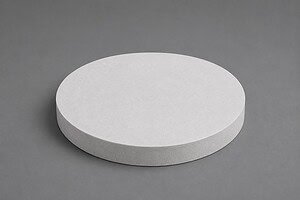
Cerámica (alúmina, zirconia, SiN): La prioridad depende del estado del procesamiento. Para cerámicas sinterizadas: astillado de bordes y daño subsuperficial. Para verdes y semisinterizadas: daño por manipulación después del corte. Las cerámicas verdes son frágiles: el problema de calidad no es el corte en sí, sino la rotura durante la extracción del accesorio.
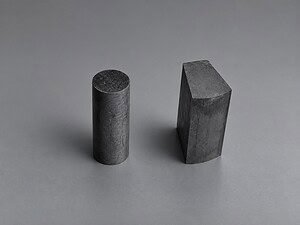
Materiales magnéticos (ferrita, NdFeB): La prioridad es el astillado de bordes. Estos materiales son extremadamente quebradizos y se astillan fácilmente con parámetros agresivos. Mantenga la velocidad de avance en el rango de 1.5–3 mm/min. También preste atención a las virutas magnetizadas que contaminan la superficie de corte: limpie entre cortes.
Grafito: La prioridad es la planitud de la superficie y la ausencia de descamación en los bordes. El grafito es tolerante a la rugosidad de la superficie, pero puede descamarse en los bordes si la velocidad de avance es excesiva. La gestión del polvo es más importante que la sutileza de los parámetros: el polvo de grafito compactado entre los granos de diamante degrada la acción de corte y produce superficies inconsistentes.
Silicio y zafiro: La prioridad es el daño subsuperficial y la uniformidad del espesor. Estos son sustratos de alto valor donde cada métrica de calidad importa. Parámetros conservadores, bucles de alambre premium, y riguroso monitoreo del proceso.

Calidad Continua: El Enfoque de Monitoreo del Proceso
Para entornos de producción, mantener la calidad del alambre de diamante de corte no se trata de ajustar parámetros perfectos una vez y olvidarse. Se trata de detectar y corregir la deriva antes de que produzca piezas fuera de especificación.
Las máquinas Vimfun admiten monitoreo del proceso que rastrea indicadores en tiempo real:
Corriente del motor de avance sirve como un indicador de la fuerza de corte. Una tendencia ascendente gradual significa que el alambre se está desgastando y cada grano restante está trabajando más. Cuando la tendencia excede un umbral, es hora de reemplazar el alambre, antes de que la degradación de la calidad se vuelva visible en las piezas.
Estabilidad de la tensión del alambre indica salud mecánica. Las oscilaciones de tensión que no estaban presentes al inicio de una carrera apuntan a problemas en desarrollo: desgaste del rodamiento de la rueda guía, problemas de seguimiento del alambre o deriva en la calibración del sistema de tensión.
Seguimiento de la posición de alimentación detecta la deriva dimensional. Si la posición de alimentación real comienza a desviarse de la posición comandada, lo verá en la variación del espesor de la pieza antes de verlo en una pila de piezas medidas.
El valor del monitoreo de procesos se escala con el volumen de producción. Para laboratorios de I+D que cortan algunas muestras por día, la inspección manual periódica es suficiente. Para líneas de producción que operan más de 8 horas al día, el monitoreo automatizado se amortiza rápidamente con la reducción de desperdicios.
Uniendo todo
La calidad del corte con alambre de diamante se reduce a un marco simple:
- Establezca los parámetros correctamente. Utilice los rangos recomendados para su material de nuestra guía de parámetros. Sea conservador en el lado de la seguridad para aplicaciones críticas de calidad.
- Mantenga la máquina. Ruedas guía, rodamientos, la alineacióny sistema de refrigeración — estos son los cimientos. Los parámetros no pueden compensar una máquina mal mantenida.
- Use el alambre correcto. Empareje bucle y grado a su aplicación. Bucles premium para trabajos de calidad crítica. Reemplace a tiempo, no por fallo.
- Supervise el proceso. Rastree los indicadores de calidad — ya sea manualmente o a través del sistema de monitoreo de la máquina — y actúe sobre las tendencias antes de que se conviertan en problemas.
- Registre todo. Cree una base de datos de parámetros y calidad con el tiempo. El mejor seguro de calidad es saber exactamente qué parámetros produjeron buenos resultados la última vez y reproducirlos.
Para una visión general de cómo la calidad se conecta con el proceso más amplio, corte de hilo diamantado nuestra página pilar proporciona la imagen completa.
Recurso relacionado de alambre de corte de diamante
Para una vista completa del proceso, lea el recurso principal. corte de hilo diamantado recurso.