Einleitung: Mehr als nur “Wasser”
Wirksam Kühlmittelmanagement für Diamantdrahtsägen ist unerlässlich für die Kontrolle von Wärme, Reibung und Oberflächenbeschaffenheit beim Hochgeschwindigkeitsschneiden. In vielen Anwendungen von Diamantdrahtsägen wird Schneidflüssigkeit oft eher als sekundäres Hilfsmittel denn als zentrale Prozessvariable betrachtet. Tribologie Aus wärmetechnischer Sicht ist das Kühlmittel jedoch für die Schneidleistung genauso wichtig wie der Diamantdraht selbst.
Bei Drahtvorschubgeschwindigkeiten von typischerweise 40 bis 60 Metern pro Sekunde entsteht an den mikroskopischen Kontaktpunkten zwischen Diamantkorn und Werkstück intensive, lokal begrenzte Hitze. Ohne angemessene Temperaturregelung und Schmierung können verschiedene Ausfallmechanismen auftreten:
- DiamantgraphitisierungBei Temperaturen über 700°C wandelt sich Diamant in Graphit um, wodurch der Schneiddraht stumpf wird.
- Mikrorissbildung: Thermischer Schock verursacht Schäden unter der Oberfläche von spröden Materialien wie Saphir.
- Späne wiederverschweißen (Laden): An der Drahtoberfläche haften Ablagerungen, wodurch die Schnittkraft erhöht wird.

1. Kühlmittelauswahl beim Diamantdrahtsägen: Thermodynamik vs. Schmierfähigkeit
Die Auswahl des geeigneten Kühlmittels erfordert stets ein ausgewogenes Verhältnis zwischen Wärmeabfuhrkapazität und Reibungsreduzierung.
1.1 Kühlmittel auf Wasserbasis (wässrige Lösungen)
Hauptfunktion: Wärmeabfuhr
Wasserbasierte Kühlmittel sind aufgrund ihrer hohen spezifischen Wärmekapazität äußerst effektiv in der Temperaturregelung. Das bedeutet, dass Wasser große Wärmemengen bei nur geringem Temperaturanstieg aufnehmen kann. Daher eignen sie sich besonders für das Hochgeschwindigkeits-Diamantdrahtschneiden, bei dem kontinuierlich Wärme entsteht.
Reines Wasser ist jedoch für industrielle Anwendungen ungeeignet. Moderne wässrige Kühlmittel sind speziell entwickelte Flüssigkeiten, die typischerweise Folgendes enthalten:
- Tenside, die die Oberflächenspannung verringern und es der Flüssigkeit ermöglichen, tief in den schmalen Schneidspalt einzudringen
- Rostschutzmittel, die Maschinenkomponenten und Vorrichtungen schützen
- Chelatbildner, die verhindern, dass feine Partikel verklumpen und Schlamm bilden
Am besten geeignet für:
Silizium, Saphir, optisches Glas, Keramik und andere harte und spröde nichtmetallische Werkstoffe, bei denen die Temperaturkontrolle von entscheidender Bedeutung ist.
1.2 Kühlmittel auf Ölbasis (Reinöle)
Hauptfunktion: Schmierung
Ölbasierte Kühlmittel reduzieren die Reibung primär durch die Bildung eines Schmierfilms zwischen dem Diamantdraht und dem Werkstück. Dies senkt den mechanischen Widerstand deutlich und kann in bestimmten Anwendungen die Oberflächengüte verbessern.
Zu den technischen Kompromissen gehören:
- Geringere Wärmeabfuhreffizienz im Vergleich zu wasserbasierten Flüssigkeiten
- Höhere Kosten und potenzielle Brandgefahren
Am besten geeignet für:
NdFeB-Magnete (die sehr empfindlich gegenüber Oxidation sind), metallische Werkstoffe und Anwendungen, die eine extrem geringe Oberflächenrauheit erfordern.
2. Fluiddynamik: Die Luftbarriere durchbrechen
Ein häufiges Missverständnis in Kühlmittelmanagement für Diamantdrahtsägen Das Volumen entspricht der Kühlung. In der Praxis sind jedoch die Strömungsgeschwindigkeit und der Förderdruck die entscheidenden Faktoren. Schnittparameter die über den Erfolg des Schneidevorgangs entscheiden.
2.1 Der Luftdichtungseffekt
Ein mit hoher Geschwindigkeit bewegter Diamantdraht zieht eine dünne Luftgrenzschicht an seiner Oberfläche mit sich. Diese aerodynamische Barriere kann Kühlmittel unter niedrigem Druck ablenken, was selbst bei scheinbar reichlich vorhandenem Kühlmittel zu “trockenen Schnittbedingungen” führt.
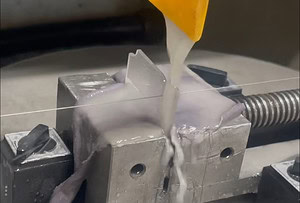
Technische Lösung: Um die Luftbarriere zu durchdringen und das Kühlmittel direkt an die Schneidschnittstelle zu befördern, sind Hochgeschwindigkeits-Kühlmittelstrahlen mit ausreichendem Druck erforderlich.
2.2 Düsenausrichtung und Strömungsrichtung
- Zielort: die Eintrittsstelle des Drahtes in das Material
- Fließrichtung: ausgerichtet in Richtung der Drahtbewegung
Das Sprühen entgegen der Drahtrichtung führt zu Turbulenzen und Lufteinschlüssen, was die Schaumbildung begünstigt und den effektiven Wärmeaustausch verringert.
3. Filtration: Der verborgene Faktor hinter der Oberflächenqualität
Die Rückführung von verunreinigtem Kühlmittel ist gleichbedeutend mit der unkontrollierten Zufuhr von Schleifmitteln. Im professionellen Bereich Kühlmittelmanagement für Diamantdrahtsägen, Die Filtration ist ein Grundpfeiler der Oberflächenqualität. Sind die Schmutzpartikel größer als die Diamantkornspitzen, wirken sie als “Fehlpartikel” und verursachen unvorhergesehene Oberflächenkratzer sowie beschleunigten Drahtverschleiß.
3.1 Der Rogue-Particle-Effekt
Wenn die Diamantkornspitzen auf der Drahtoberfläche in der Größenordnung von zehn Mikrometern liegen, das Kühlmittel aber rezirkulierte Abriebpartikel enthält, die größer sind, wirken diese Partikel wie unkontrollierte Schneidwerkzeuge.
Dies kann zu Folgendem führen:
- Zufällige Oberflächenkratzer und Drahtspuren
- Beschleunigter Diamantdrahtverschleiß
- Seitliches Kräfteungleichgewicht, das keilförmige oder spitz zulaufende Schnitte erzeugt
3.2 Filtrationsstrategien
Für ein effektives Kühlmittelmanagement bei Diamantdrahtsägen ist eine kontinuierliche Filtration erforderlich:
- Magnetische Trennung für Eisenwerkstoffe wie NdFeB und Stahl
- Zyklonabscheidung um schweren Schlamm ohne verbrauchbare Filtermedien zu entfernen
- Präzisionsfiltration Verwendung feiner Filterbeutel für hochpräzises oder Halbleiter-taugliches Schneiden
Wartungsrichtlinie:
Überwachen Sie die Druckdifferenz am Filtergehäuse. Eine steigende Druckdifferenz deutet in der Regel auf eine Verstopfung hin, während ein plötzlicher Abfall oft auf eine Beschädigung des Filters oder einen Bypass hinweist.
Abschluss
Ein gut gestaltetes Diamantdrahtsäge Die Kühlmittelstrategie ist keine Nebenfunktion, sondern ein zentraler Prozessparameter. Durch die Wahl der richtigen chemischen Zusammensetzung, die Sicherstellung einer hohen Fördergeschwindigkeit und die Aufrechterhaltung einer effektiven Filtration können Hersteller die Lebensdauer der Drähte deutlich verlängern und Oberflächenfehler reduzieren.
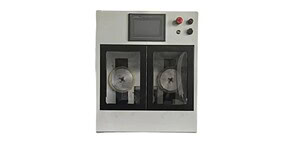
Erfahren Sie mehr darüber, wie ein gut konzipiertes Diamantseilsägesystem eine saubere und stabile Schnittleistung unterstützt:
Diamantdrahtsäge.
FAQ
Frage 1: Woran erkenne ich, wann das Kühlmittel ausgetauscht werden muss?
pH-Wert, Leitfähigkeit und Konzentration sollten überwacht werden. Sinkt der pH-Wert unter die empfohlenen Werte oder liegt die Konzentration außerhalb des vom Hersteller angegebenen Bereichs, verschlechtern sich Schmierfähigkeit und Korrosionsschutz. Unangenehmer Geruch deutet häufig auf bakterielle Verunreinigung hin.
Frage 2: Kann Leitungswasser zum Anmischen von Kühlmittel verwendet werden?
Nein. Leitungswasser enthält gelöste Mineralien, die mit Kühlmittelzusätzen reagieren und Ablagerungen oder Schlamm bilden, die Rohre und Düsen verstopfen können. Deionisiertes Wasser oder Wasser aus Umkehrosmoseanlagen wird dringend empfohlen.
Frage 3: Warum schäumt das Kühlmittel beim Schneiden übermäßig?
Schaumbildung wird häufig durch eine falsche Kühlmittelzusammensetzung, Luftlecks am Pumpeneinlass oder Sprühen entgegen der Drahtrichtung verursacht. Passen Sie gegebenenfalls die Düsenausrichtung an oder verwenden Sie zugelassene Entschäumer.