Введение: Физика режима “остановка-движение” и непрерывного потока
В индустрии прецизионной резки определение “эффективности” зависит от контекста. Для массового производства кремниевых пластин эффективность определяется объемом — одновременной резкой 500 пластин. Это бесспорная область применения. Многопроводные сабельные пилы. Однако, поскольку отрасль переориентируется на более твердые материалы, такие как Карбид кремния (SiC) В связи с требованиями к ускорению циклов исследований и разработок, появилось новое определение эффективности: Скорость однократного среза и Гибкость процессов.
Для таких приложений, как Сбор слитков, Лабораторный отбор проб, и Контроль качества (КК), Традиционные сабельные пилы страдают от фундаментального механического ограничения: Инерция. Физическая необходимость постоянно ускоряться, замедляться, останавливаться и менять направление движения создает “рабочий цикл”, наполненный мертвым временем и механическими ударами.
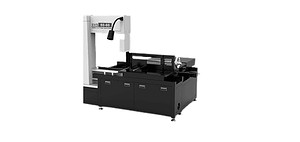
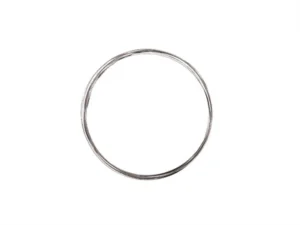
Вимфун Бесконечная петля разрезания Эта технология представляет собой сдвиг парадигмы в сторону “физики непрерывного производства”. Используя бесшовную петлю из алмазной проволоки, идущую в одном направлении, мы достигаем линейной скорости. 60-80 м/с—скорости, физически невозможные для возвратно-поступательных систем. В этом всеобъемлющем руководстве рассматриваются трибология, механика и термодинамика, объясняющие, почему непрерывное движение является лучшим инженерным решением для высокоскоростной прецизионной обработки материалов.

1. Трибология скорости: почему скорость 80 м/с меняет режим резки
Основное инженерное различие между поршневыми и бесконечными технологиями заключается в следующем: Линейная скорость. Но почему скорость так важна для таких материалов, как SiC? Мы должны рассмотреть... Трибология обработки материалов (Наука об износе и трении).
Уравнение Арчарда и показатели удаления
Согласно основным принципам абразивной обработки (часто моделируемым уравнением износа Арчарда), скорость удаления материала (MRR) пропорциональна скорости скольжения (V) и нормальной нагрузке (P):
MRR = k · P · V
Скопируйте и вставьте:Если вы сравниваете результаты нарезки различных материалов и диапазонов толщины, ознакомьтесь с нашим обзором. применение для тонкой нарезки проволоки.
- Предел возвратно-поступательного движения (~25 м/с): В многопроволочной системе тяжелый барабан с проволокой служит массивным маховиком. Для изменения направления вращения этой массы без обрыва тонкой проволочной ленты необходимо ограничить ускорение. Это ограничивает эффективную скорость резки примерно 25 м/с.
- Преимущество бесконечной петли (60–80 м/с): Поскольку проволока движется по непрерывной петле, инерция реверса равна нулю. Система может безопасно разгоняться до скоростей в 3-4 раза выше, чем у сабельных пил. Математически, утроение $V$ (скорости) утраивает теоретическую скорость удаления материала.
Переход от хрупкого к пластичному состоянию
В случае сверхтвердой керамики, такой как карбид кремния или сапфир, механизм резки меняется в зависимости от скорости.
- На низких скоростях: Алмазные абразивы часто “прорезают” материал. Это создает высокое трение и нагрев, но удаляет мало материала, что часто приводит к деформации проволоки.
- На высоких скоростях (высокая кинетическая энергия): Алмазные частицы ударяются о материал с высокой кинетической энергией. Это способствует эффективному процессу. хрупкий перелом На микроскопическом уровне происходит чистое удаление материала, а не трение о него. Именно поэтому бесконечная проволока может разрезать 6-дюймовый слиток SiC менее чем за 3 часа, тогда как одной возвратно-поступательной проволоке на это потребовалось бы более 10 часов.
2. Устранение инерции реверса: снижение повреждений подповерхностного слоя (SSD)
Эффективность — это не только скорость резки, но и экономия материала. В полупроводниковом производстве..., Подповерхностные повреждения (SSD) Это критически важный показатель. Он отражает глубину микротрещин под поверхностью среза, которые необходимо зашлифовать (притереть) на последующих этапах.
Механизм обратного удара
При возвратно-поступательном пилении процесс включает в себя резкое изменение направления движения сотни раз в минуту.
- Эффект “удара молотком”: Когда проволока останавливается и меняет направление, натяжение динамически колеблется. Это приводит к боковым колебаниям алмазной проволоки, фактически “вбивая молоток” в кристаллическую решетку.
- Метки положения: В момент изменения направления вращения (нулевая скорость) абразивные частицы задерживаются на поверхности заготовки под нагрузкой. Это создает видимый выступ или “след задержки” и углубляет микротрещины.
Решение для непрерывного движения
Бесконечная проволока Vimfun движется подобно высокоскоростному прецизионному конвейеру. Вектор силы резания постоянен и однонаправлен.
- Минимизация SSD: Без прерывистой вибрации проволока режется плавно. Исследования показывают, что однонаправленная резка может уменьшить глубину слоя повреждений под поверхностью на 30% до 50% по сравнению с возвратно-поступательными процессами.
- Экономическое воздействие: Более тонкий слой SSD означает, что при шлифовке необходимо удалять меньше материала. Для дорогостоящих подложек, таких как SiC, экономия 50 микрон материала за один проход может привести к увеличению выхода годных пластин из одного слитка — это значительно повышает эффективность и общий выход годной продукции.
3. Термодинамика: преимущества охлаждения
Нагрев — враг алмазных инструментов. Чрезмерный нагрев вызывает графитизацию алмаза (износ) и создает термические напряжения в обрабатываемой детали.
Динамика пограничного слоя
Эффективность охлаждения проволочной пилы зависит от подачи охлаждающей жидкости в узкий пропил (щель).
- Взаимная проблема: Когда проволока меняет направление, это на мгновение останавливает поток охлаждающей жидкости. Кроме того, изменение направления может загнать горячую стружку (остатки материала) обратно в зону резки, что приводит к “повторной заточке” и накоплению тепла.
- Аэродинамика бесконечной петли: При скорости 80 м/с бесконечный трос создает мощный аэродинамический эффект. пограничный слой. Этот слой действует как насос, затягивая охлаждающую жидкость глубоко в прорезь. Кроме того, однонаправленное движение непрерывно удаляет стружку. вне в зоне резки, предотвращая накопление тепла. Это позволяет использовать высокие скорости подачи без пригорания материала.
4. Оперативность: фактор “времени на подготовку”.
Реальная эффективность завода рассчитывается по формуле OEE (Общая эффективность оборудования), включая время на настройку и переналадку. Именно здесь технология Endless Loop Cutting демонстрирует свои преимущества. Высококачественная, низкообъемная музыка сценарии (например, научно-исследовательские лаборатории, контроль качества или цеха мелкосерийного производства).
Многопроводное узкое место
Замена проволочной ленты на многопроволочной пиле возвратно-поступательного типа — это монументальная инженерная задача.
- Затраты времени: Это включает в себя протягивание километров проволоки через сотни канавок. Замена проволоки может занять некоторое время. от 4 до 8 часов.
- Отходы материалов: Сменить тип проволоки непросто. Если сегодня вы режете мягкий графит, а завтра вам нужно будет резать твердый карбид кремния, продувка станка станет слишком дорогостоящей.
Бесконечный цикл ловкости
- Мгновенная смена режимов работы: Замена бесконечного цикла Vimfun занимает менее 5 минут.
- Запускать: Сложная разминка или калибровка натяжения не требуются.
- Сценарий: Инженеру-исследователю необходимо немедленно проверить дефект роста кристалла. С помощью проволочной пилы с бесконечной нитью он может установить слиток, отрезать кусок за 20 минут и получить данные в течение часа. На многопроволочном станке ему пришлось бы ждать завершения полной производственной партии, что потенциально могло бы задержать получение обратной связи на несколько дней.
5. Стабильность натяжения: точность без отклонений.
Однонаправленное движение позволяет создать упрощенную, но при этом более точную систему натяжения.
- Динамическое и статическое натяжение: В сабельных пилах для компенсации провисания проволоки при реверсировании используются специальные “рычаги”. Однако из-за механического гистерезиса натяжение часто падает в точке реверсирования. Ослабленная проволока приводит к “прогибу проволоки” и “неправильному распилу”.
- Пневматическая точность: Беспроводные пилы Vimfun используют Пневматическая система натяжения. Поскольку скорость движения проволоки постоянна, нагрузка на растяжение статическая (например, зафиксирована на уровне 25 Н). Эта жесткость предотвращает смещение проволоки, обеспечивая идеальную перпендикулярность обрезанной поверхности слитка к оси ($ ± 0,05°$), что значительно снижает потери материала на последующих этапах формования пластин.
Краткое описание: Подбор инженерных решений под конкретные задачи.
Для максимальной эффективности инженеры должны выбирать подходящий инструмент для конкретного этапа процесса. В таблице ниже объясняется, почему технология Endless Loop является “спецназом” в мире резки, в отличие от “пехотной армии” многопроволочных пил.
| Инженерный параметр | Поршневой многожильный | Бесконечная петля, один провод |
| Физика движения | Двунаправленный (инерциальные пределы) | Однонаправленный (высокая кинетическая энергия) |
| Максимальная линейная скорость | ~ 25 м/с | 60–80 м/с |
| Трибологический механизм | Абразивное воздействие на низкой скорости (плуг) | Высокоскоростное разрушение (резка) |
| Подповерхностные повреждения (SSD) | Более глубокий (из-за разворотного шока) | Более мелкая (плавное движение) |
| Настройка гибкости | Низкий уровень (количество часов на замену провода) | Высокий (минут на смену цикла) |
| Лучшее приложение | Массовое производство кремниевых пластин | Отбор слитков, НИОКР, контроль качества, отбор проб |
Заключение
Бесконечная петля разрезания повышает эффективность не за счет попытки заменить системы массового производства кремниевых пластин, а за счет доминирования на тех этапах процесса, где скорость, целостность поверхности и маневренность имеют первостепенное значение.
Используя инженерные принципы непрерывное движение, высокие трибологические скорости, и стабильная термодинамика, Компания Vimfun предлагает решение, обеспечивающее более быструю, чистую и гибкую резку по сравнению с традиционными методами. Для обрезки слитков, анализа материалов и точного отбора проб физика замкнутого цикла предоставляет неоспоримое преимущество.
Готовы внедрить гибкую резку в свой рабочий процесс? Ознакомьтесь с нашим ассортиментом. Промышленные алмазные проволочные пилы разработан для высокоскоростной обработки.