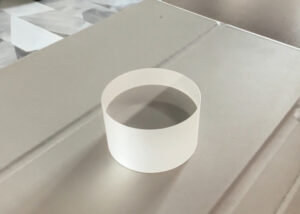
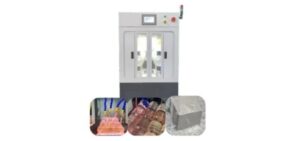
In industries such as optics, semiconductors, and infrared applications, materials like BK7, UV fused silica, sapphire, silicon, ZnSe, and germanium are not merely “hard to cut” — they are high-value assets.
Each cut directly affects yield, downstream processing cost, and final product performance.
After more than 20 years working on the manufacturing floor with these materials, one conclusion is very clear:
For brittle, expensive, and damage-sensitive materials, cutting stability matters more than raw cutting force.
This is exactly where endless (closed-loop) diamond wire saw technology demonstrates its fundamental advantage.
1. The Core Challenge of High-Value Brittle Materials
Despite their different applications, these materials share several critical characteristics:
- High brittleness (low fracture toughness)
- Sensitivity to microcracks and subsurface damage
- Strict surface and flatness requirements
- High material cost, making kerf loss economically significant
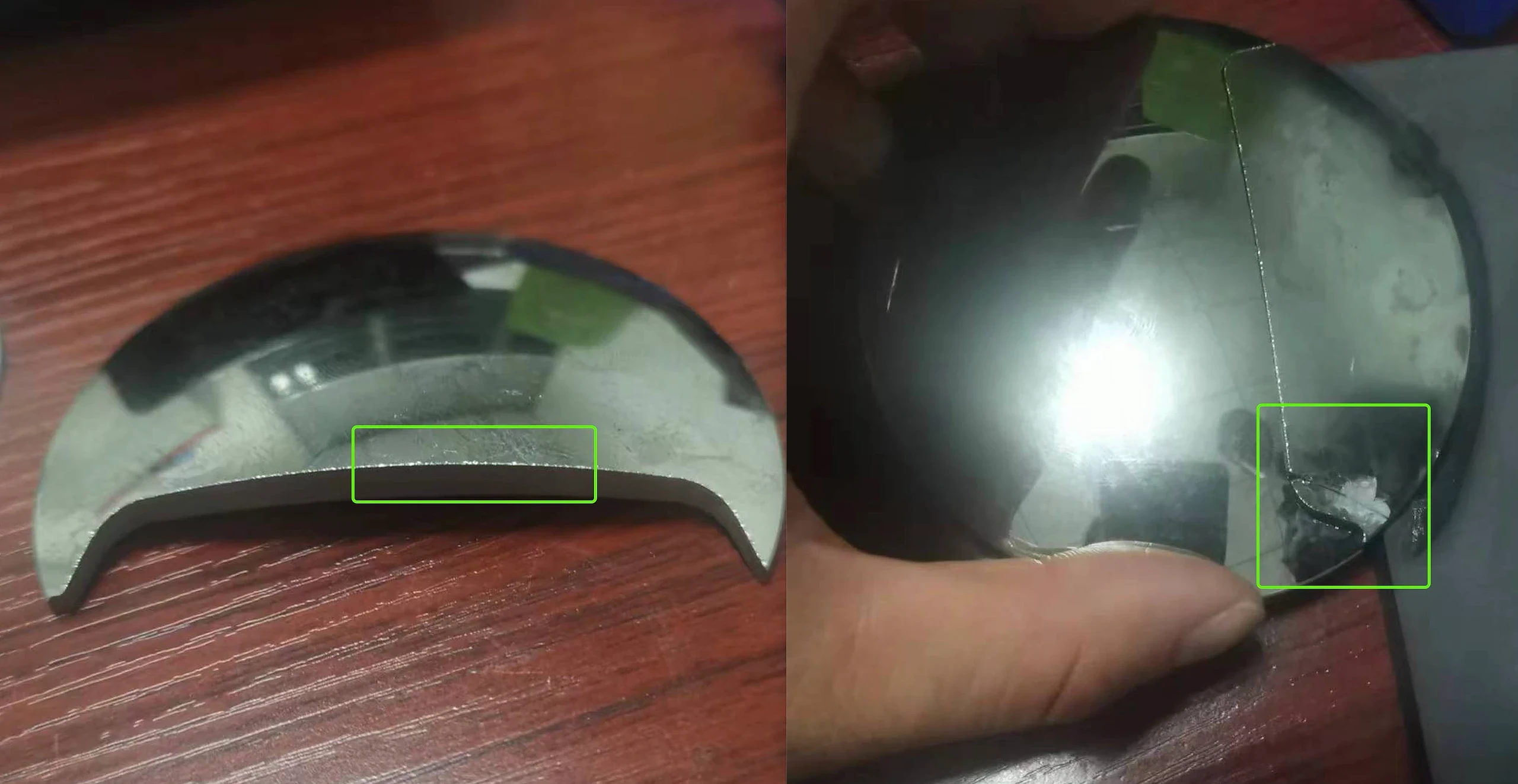
Traditional reciprocating wire saws often struggle because they introduce periodic mechanical shocks caused by direction reversal. These shocks may be small, but in brittle materials, they are enough to initiate microcracks that later expand during polishing, coating, or thermal cycling.
2. Continuous One-Way Cutting: Eliminating the Root Cause of Damage
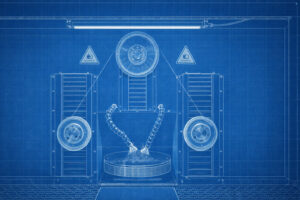
The endless diamond Seilsäge operates in continuous, one-directional motion.
This seemingly simple difference changes the entire cutting behavior.
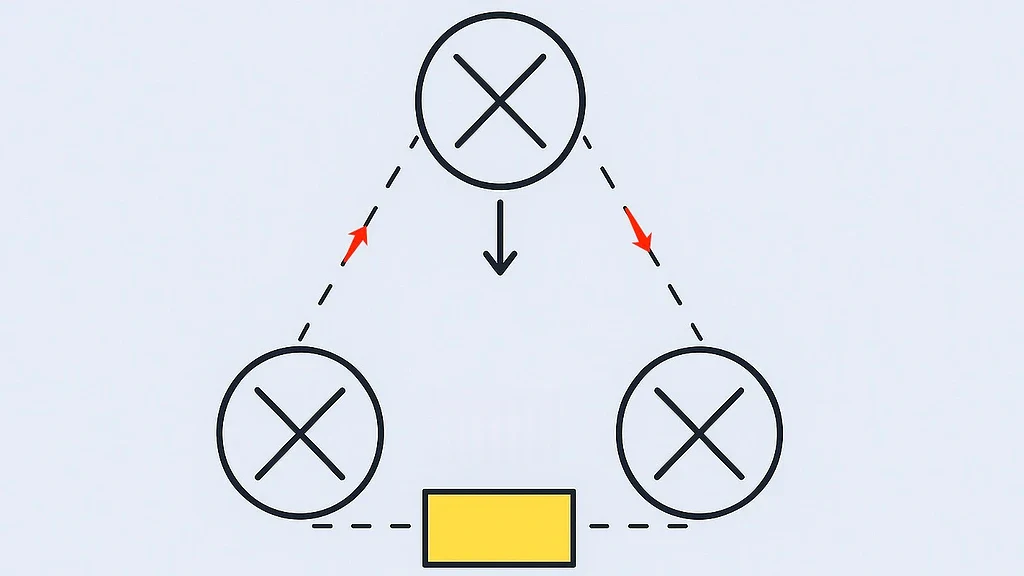
Why this matters:
- No acceleration/deceleration at stroke reversal
- No sudden stress spikes at the cutting interface
- Constant, predictable cutting force
For materials such as UV fused silica and BK7, this means:
- Fewer edge chips
- Lower subsurface damage
- Shorter polishing cycles afterward
Für sapphire and silicon, it means:
- Reduced risk of crystal-orientation-induced cracking
- More consistent wafer geometry
In practice, customers often report that parts cut with endless wire technology look similar on the surface, but behave dramatically better in downstream processes.
3. Ultra-Narrow Kerf: Turning Precision into Real Cost Savings
Kerf width is not a theoretical parameter — it is material cost.
With a typical kerf as small as ~0.35 mm, endless diamond wire cutting directly improves material utilization. This advantage becomes critical for:
- ZnSe (used in IR optics and CO₂ laser systems)
- Germanium, where raw material cost is extremely high
Even a 0.1 mm reduction in kerf width can translate into:
- More usable slices per ingot
- Higher annual yield
- Substantial cost savings over time
In these applications, customers are not asking “how fast can it cut,” but rather:
“How much material can I save without increasing risk?”
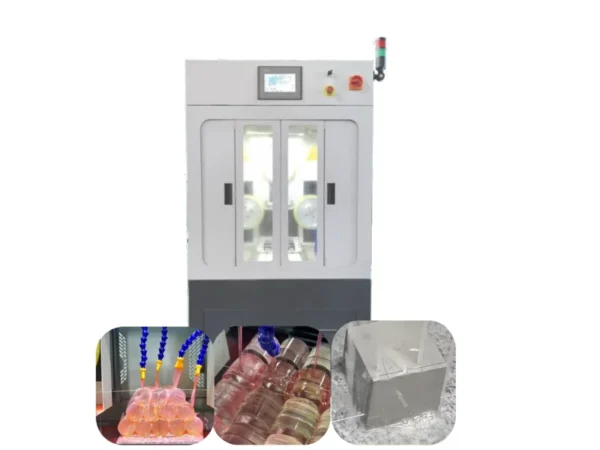
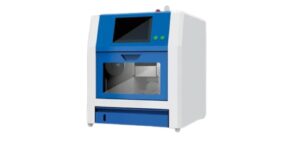
SG 20
- Maximale Werkstücklänge (mm):200
- Maximale Werkstückbreite (mm):200
- Maximale Werkstückhöhe (mm):200
4. High Linear Speed Without Aggressive Cutting Pressure
Endless wire systems achieve high linear speeds while maintaining stable tension control.
The cutting mechanism is dominated by controlled micro-grinding, not brute-force penetration.
This balance is essential for:
- Silizium: minimizing wafer warpage and TTV variation
- Saphir: avoiding catastrophic crack propagation
- Optical glasses: maintaining uniform surface integrity
Instead of forcing higher feed rates, the system allows engineers to tune:
- Drahtgeschwindigkeit
- Spannung
- Vorschubgeschwindigkeit
This creates a wide, forgiving process window, especially valuable in R&D environments and high-mix production.
5. Material-Specific Benefits at a Glance
BK7 & UV Fused Silica
- Smooth, direction-free surface texture
- Verringerte Untergrundschäden
- Excellent compatibility with polishing and coating
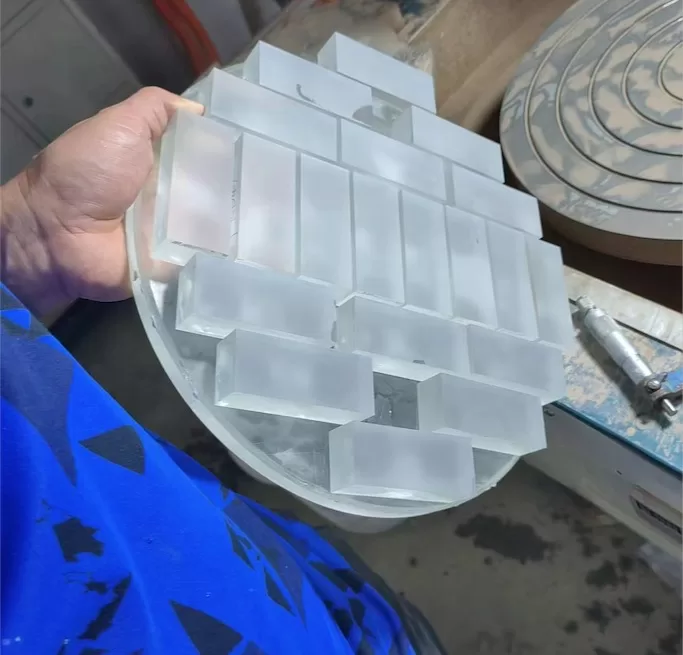
Saphir
- Stable cutting of extremely hard, brittle crystals
- Lower crack risk during slicing and pre-shaping
- Suitable for substrates, windows, and optical blanks
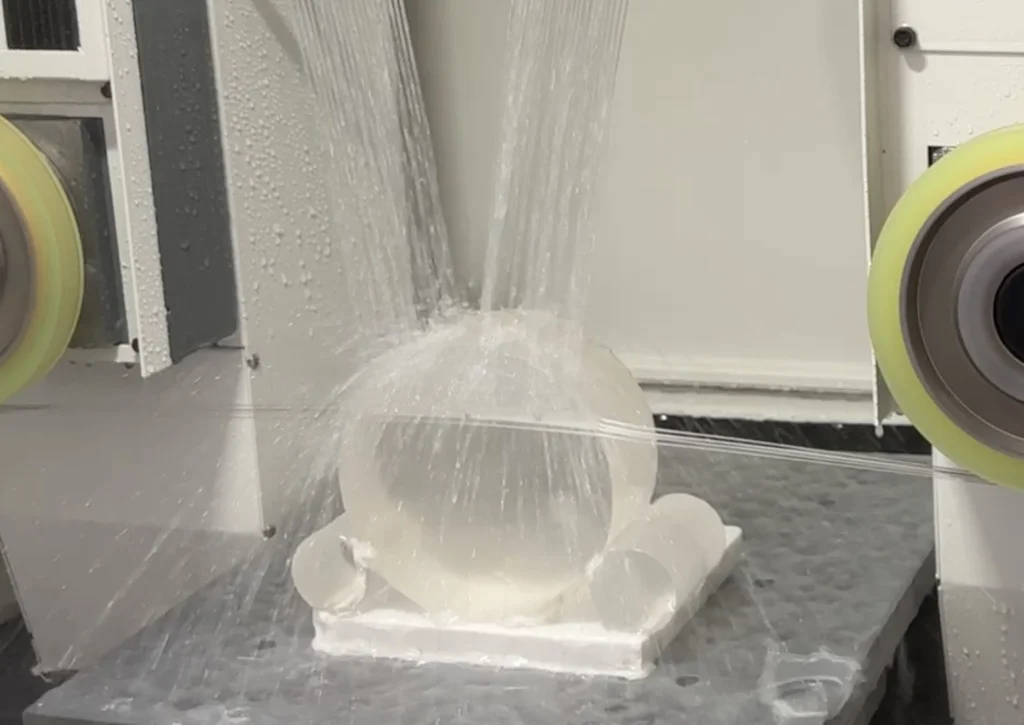
Silizium
- Consistent slicing behavior
- Lower residual stress
- Better preparation for grinding and CMP

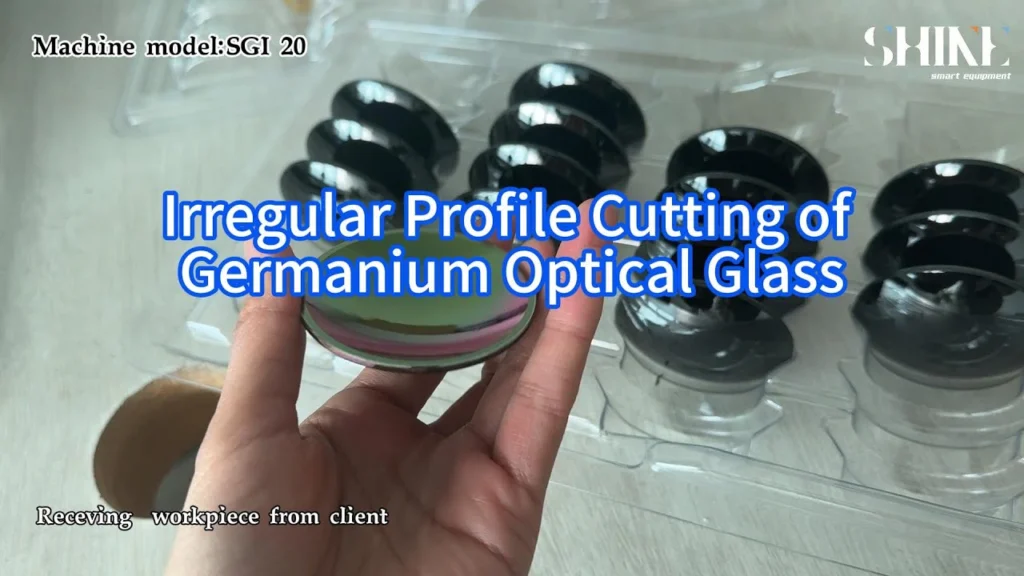
ZnSe & Germanium
- Minimaler Schnittverlust
- Gentle cutting action for fragile IR materials
6. An Engineer’s Conclusion
From an engineering perspective, endless diamond wire saw technology is not about chasing extreme specifications. Its real value lies in removing uncertainty from the cutting process.
For high-value brittle materials:
- Stability is more important than peak force
- Consistency matters more than short-term speed
- Material protection defines long-term profitability
If the material is expensive, fragile, and quality-sensitive, then cutting it with a system that avoids directional shock and stress fluctuation is not an upgrade — it is a necessity.
That is why endless diamond wire saws have become a preferred solution for BK7, UV fused silica, sapphire, silicon, ZnSe, and germanium across optics, semiconductor, and advanced materials industries.