Введение: “Мозг” создания этого материала
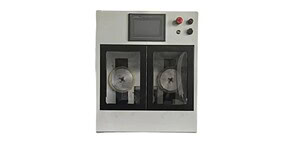
В архитектуре современного алмазные пильные станки, Система подачи выступает в роли “мозга”, определяющего стабильность резания. В отличие от ранних гидравлических систем, современное высокоточное оборудование использует гидравлические системы для регулирования движения. Благодаря интеграции передовых технологий логика управления, Скорость подачи регулируется в режиме реального времени на основе обратной связи из зоны резания.
Первые поколения алмазных проволочных пил использовали гравитационные грузы или простые гидравлические цилиндры для подачи проволоки в материал. Эти системы прикладывали усилие, не отслеживая реакцию материала. В результате часто случались обрыв проволоки, нестабильные траектории резки и непостоянная толщина пластины.
Современные высокоточные алмазные проволочные пилы работают по принципиально иному принципу. Они используют систему управления движением с обратной связью на основе ЧПУ для регулирования подачи в реальном времени. Благодаря интеграции серводвигателей, прецизионных компонентов трансмиссии и логики управления на базе ПЛК, скорость подачи может непрерывно регулироваться на основе обратной связи от самого процесса резки.
В данной статье рассматривается система подачи и логика управления современных станков для алмазной проволочной резки, объясняется, как сервоприводная архитектура, алгоритмы управления и адаптивные стратегии движения определяют стабильность и точность резки.
1. Комплектующие системы подачи алмазной проволочной пилы
Перед любым логика управления Для функционирования механическая система должна быть жесткой и не иметь люфта.
1.1 Сервомоторы: сила обратной связи
В высокотехнологичных станках используются серводвигатели переменного тока, оснащенные абсолютными энкодерами. В отличие от шаговых двигателей, работающих в режиме разомкнутого контура, где “пропущенные шаги” могут приводить к изменению толщины, серводвигатели работают в строгом режиме. замкнутая система. Система непрерывной обратной связи с энкодером передает данные о положении приводу. Когда проволока сталкивается с твердыми участками в таких материалах, как карбид кремния (SiC), система обнаруживает нагрузку и немедленно регулирует крутящий момент, обеспечивая точность резки.
1.2 Передача: шариковые винты и линейные направляющие
Вращательное движение преобразуется в линейную подачу с помощью предварительно нагруженных шариковых винтовых передач, что исключает люфт. Это крайне важно для поддержания постоянной толщины среза. В сочетании с высокопрочными линейными направляющими такая конструкция предотвращает наклон под действием сил резания, снижая риск клиновидных срезов.
2. Логика управления: Постоянная подача против адаптивной подачи
Ключевой вопрос в управлении процессом резки алмазной проволокой заключается в том, должна ли подача оставаться постоянной или адаптироваться к условиям резки.
2.1 Режим постоянной скорости подачи
В режиме постоянной подачи станок перемещается с фиксированной скоростью независимо от сопротивления резанию. Сервосистема подает дополнительный крутящий момент по мере необходимости для поддержания запрограммированной скорости.
Этот подход хорошо работает с однородными материалами, такими как оптическое стекло или монокристаллический кремний, где сопротивление резанию остается предсказуемым. Однако, когда сопротивление увеличивается из-за износа инструмента или неоднородности материала, продолжение подачи может привести к чрезмерному отклонению проволоки. Если изгиб проволоки превышает допустимые пределы, может произойти усталость проволоки и ее обрыв.
2.2 Адаптивная подача на основе мониторинга нагрузки
Адаптивное управление подачей широко используется для обработки гетерогенных материалов, таких как поликристаллический карбид кремния или композитные материалы.
В этом режиме контроллер отслеживает показатели, связанные с нагрузкой при резании, такие как ток приводного двигателя. Ток двигателя напрямую связан с сопротивлением резанию. Оператор устанавливает целевое значение нагрузки, и система управления автоматически регулирует скорость подачи для поддержания этой нагрузки.
При снижении сопротивления резанию скорость подачи увеличивается для повышения производительности. При увеличении сопротивления скорость подачи снижается для защиты проволоки. Эта адаптивная стратегия ограничивает пиковое напряжение на проволоке и значительно продлевает срок ее службы, сохраняя при этом стабильные условия резания.
3. Стабильность на низких скоростях и настройка контура управления
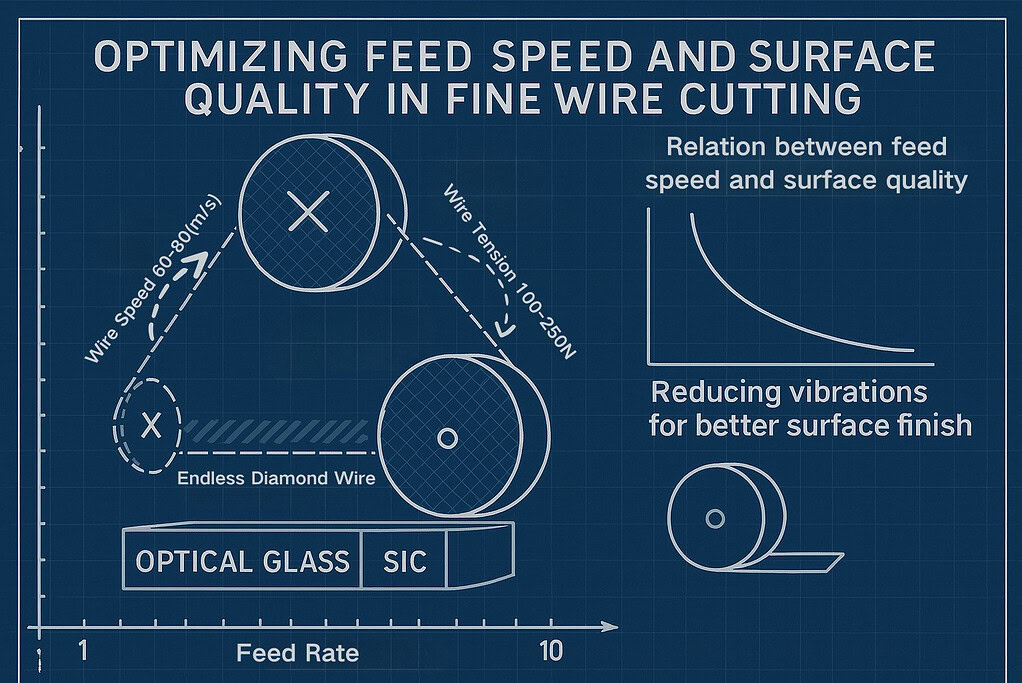
Для резки алмазной проволокой часто требуются чрезвычайно низкие скорости подачи, особенно при работе с твердыми или хрупкими материалами. При таких скоростях трение в механической системе становится существенным.
3.1 Скользящее движение при низких скоростях подачи
Статическое трение выше динамического. Когда ось подачи движется очень медленно под большой нагрузкой, она может попеременно сопротивляться движению, а затем резко ускоряться, как только накопится достаточная сила. Это явление известно как прерывистое скольжение.
Эффект прерывистого скольжения приводит к образованию периодических следов на поверхности среза и ухудшает ее качество. Это особенно проблематично при высокоточной нарезке.
3.2 Настройка ПИД-регулятора для плавной подачи
Сервосистемы используют параметры пропорционального, интегрального и дифференциального управления для регулирования движения.
Правильная настройка повышает жесткость и отзывчивость системы, предотвращая при этом колебания. Хорошо настроенная ось подачи плавно перемещается даже на крайне низких скоростях, исключая эффект «залипания-проскальзывания» и поддерживая непрерывное, стабильное движение при резке.
4. Расширенные функции управления в современных системах подачи корма
Современные системы управления на базе ПЛК реализуют специализированные процедуры для управления критически важными этапами процесса резки.
4.1 Контролируемый первоначальный контакт (“мягкая посадка”)
Первоначальный контакт проволоки с материалом является одним из наиболее рискованных моментов, приводящих к повреждению проволоки.
Современные системы быстро приближаются к заготовке на безопасное расстояние, а затем переключаются на очень низкую скорость поиска. Датчики обнаруживают первую точку контакта, устанавливают точное опорное положение и запускают контролируемый входной пандус. Это предотвращает ударную нагрузку и снижает риск абразивного повреждения.
4.2 Компенсация отклонения проволоки
При глубокой резке отклонение проволоки увеличивается по направлению к центру заготовки из-за сил трения. Если станок останавливает подачу сразу после того, как направляющие колеса достигают запрограммированной конечной точки, проволока может не полностью выйти из материала в центре.
Усовершенствованная логика управления учитывает этот эффект, немного увеличивая ход подачи за пределы номинальной конечной точки. Это дополнительное перемещение обеспечивает полное отделение заготовки без оставления несрезанного материала в центре.
5. Диагностика дефектов резки, связанных с подачей материала.
Многие дефекты резки можно объяснить особенностями работы системы подачи.
Периодическая волнистость поверхности часто указывает на резонанс сервопривода или чрезмерно агрессивное усиление сигнала управления. Конические срезы могут быть результатом механического смещения или недостаточной жесткости подачи. Обрыв проволоки в середине среза обычно свидетельствует о чрезмерной скорости подачи или недостаточном адаптивном управлении.
Понимание этих взаимосвязей позволяет операторам различать проблемы, связанные с материалами, и проблемы, связанные с управлением.
Данная стратегия управления подачей работает совместно с общей структурой машины, описанной в нашем документе. алмазная проволочная пила проектирование системы.
Заключение
Система подачи алмазной проволочной пилы — это не просто механизм, опускающий проволоку. Это динамическая система управления, которая непрерывно уравновешивает силу, скорость и положение.
Благодаря сочетанию жесткой механической конструкции с сервоуправлением с обратной связью и адаптивной логикой подачи, современные алмазные проволочные пилы обеспечивают стабильную и повторяемую резку в различных условиях. Точность резки в конечном итоге зависит от контролируемого движения.
ЧАСТО ЗАДАВАЕМЫЕ ВОПРОСЫ
В1: В чем разница между скорость и скорость подачи проволоки?
Скорость вращения проволоки определяет, с какой скоростью алмазная проволока движется вокруг шкивов. Скорость подачи описывает, с какой скоростью проволока продвигается в обрабатываемый материал. Скорость вращения проволоки влияет на эффективность резки, а скорость подачи определяет время цикла и стабильность резки.
В2: Почему во время резки иногда происходит остановка подачи?
В адаптивном режиме подачи временные паузы указывают на то, что система обнаружила повышенное сопротивление резанию. Контроллер уменьшает или приостанавливает подачу для защиты проволоки и стабилизации условий резания.
В3: Можно ли модернизировать логику управления подачей на существующих станках?
В современных системах с ПЛК-управлением возможны обновления на основе программного обеспечения, в зависимости от возможностей оборудования. Более старые системы с механическим управлением, как правило, не могут поддерживать расширенное управление подачей только с помощью программного обеспечения.