Инженерный контекст: Проблема “широкоассоциированного производства при малых объемах”.
В полупроводниковой промышленности и материаловении производственные процессы, как правило, делятся на две отдельные категории: Массовое производство (изготовление вафель) и Разработка процессов (выборка/отбор проб).
Хотя многопроволочные пилы (MWS) являются бесспорным стандартом для высокопроизводительной обработки кремниевых пластин, они страдают от присущей им жесткости. Их архитектура с “фиксированным шагом” и массивные системы управления проводами (часто включающие более 10 км проводов) создают значительную задержку при настройке. Для условий, определяемых Высококачественная, малообъемная музыка (HMLV) такие задачи, как обрезка слитков, анализ отказов и быстрое прототипирование.Перерезание одного провода Архитектура обеспечивает необходимую механическую универсальность.
В данной статье представлен всесторонний технический анализ одноконтурных систем, сопоставляющий их кинематику и диапазон рабочих параметров с традиционными многопроволочными системами.

1. Кинематика: высокоскоростное непрерывное движение
Фундаментальным отличием системы Vimfun Single-Wire является ее кинематический профиль. В отличие от возвратно-поступательных систем, которые должны ускоряться и замедляться, наша система использует Бесконечная петля топология.
- Вектор постоянного сечения: Провод движется в одном направлении с постоянной скоростью (до 60 м/сЭто устраняет инерционный удар типа “остановка-запуск”, наблюдаемый в сабельных пилах.
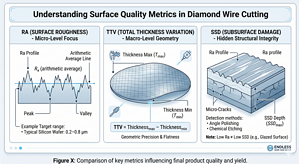
- Снижение силы: Согласно фундаментальным законам физики режущей способности (Мощность = Сила × Скорость), увеличение линейной скорости позволяет значительно снизить режущая сила при сохранении той же скорости съема материала. Снижение силы резания значительно уменьшает Подповерхностные повреждения (SSD) а также глубина микротрещин в хрупких материалах, таких как карбид кремния (SiC) и нитрид галлия (GaN).
- Морфология поверхности: Отсутствие точек реверсирования проволоки исключает “следы задержки” (периодические царапины, возникающие из-за остановки проволоки). Это приводит к тому, что шероховатость поверхности после резки часто достигает Ra < 0,6 мкм, сводит к минимуму необходимость последующих процессов притирки.
2. Геометрическая свобода: обработка больших диаметров
Многопроволочные системы имеют геометрические ограничения, обусловленные длиной направляющих роликов и шириной проволочного полотна. Они просто не могут обрабатывать заготовки нестандартных размеров.
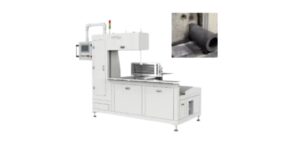
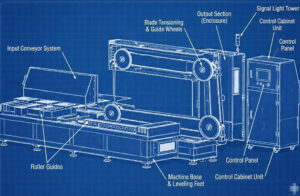
Перерезание одного провода Используется портальная или “открытая” архитектура, которая отделяет размер заготовки от системы проволочной укладки.
- Прохождение воздуха через горло: Стандартные портальные модели обеспечивают перемещение по оси Z и зазор в горловине, позволяющий размещать слитки, превышающие стандартные размеры. 400 мм (16 дюймов) в диаметре.
- Обрезка слитков (верхняя/нижняя часть): Благодаря этому однопроволочные пилы стали отраслевым стандартом для первоначальной “обрезки” сырых кристаллических слитков. Возможность сделать один идеально плоский срез, перпендикулярный оси роста, имеет решающее значение для определения опорной плоскости для последующей обработки.
- Сложное секционирование: Однопроводная точка контакта позволяет разрезать промышленные компоненты неправильной формы, такие как керамические фильтры, образцы геологического керна или шины для неразрушающего контроля, без помех со стороны соседних проводов.
3. Оперативная гибкость: минимизация “времени до первого этапа резки”.”
Для научно-исследовательских лабораторий и опытных производственных линий критически важным показателем эффективности является не “количество пластин в час”, а TTF (Время до первого отбора).
- Быстрая переналадка: Перетяжка многожильного полотна занимает целую смену (4-8 часов). В отличие от этого, в конструкции с бесконечным контуром используется упрощенная пневматическая система натяжения с менее чем 5 направляющими шкивами. Оператор может заменить ромбовидную проволочную петлю за < 2 минуты.
- Гибкость параметров: Такая быстрая переналадка позволяет инженерам-технологам свободно экспериментировать. Можно выполнить черновую резку, используя 0,35 мм проволоку с гальваническим покрытием, поменяйте петлю местами и немедленно выполните точную нарезку с помощью 0,15 мм Проволока, скрепленная смолой, производится на том же станке. Такая универсальность невозможна на специализированном оборудовании для массового производства.
4. Экономический анализ: Цена гибкости
С точки зрения операционных расходов (OPEX), резка одним проводом предлагает особую структуру затрат, выгодную для непроизводственных сред.
- Нулевой уровень отходов проводов: В многопроволочных системах, если проволока обрывается или работа завершается раньше времени, оставшуюся проволоку на катушке часто невозможно эффективно использовать повторно. Бесконечные петли представляют собой дискретные единицы; для работы используется ровно одна петля, без потери длины абразива.
- Снижение потерь при резке: По сравнению с традиционными ленточным пилами (ширина пропила > 1,0 мм), использование одной алмазной проволоки (0,35 мм) позволяет сэкономить примерно 0,65 мм экономия материала за один проход. На 6-дюймовом слитке из карбида кремния эта экономия материала за 100 проходов может быть эквивалентна стоимости самой машины за один год.
Заключение
Перерезание одного провода Это не замена массовому производству многопроводных кабелей; это его важнейший аналог.
Это позволяет устранить узкие места в производстве, с которыми не справляются жесткие производственные линии: слитки больших размеров, быстрая смена материалов и высокоточная выборка образцов. Благодаря использованию высокоскоростной кинематики и открытой портальной конструкции, обеспечивается гибкость, необходимая в современной материаловедческой науке.
Технические характеристики инженера:
Ознакомьтесь с техническими характеристиками наших однопроволочных пил.
3. Раздел часто задаваемых вопросов
В1: Какова допустимая величина изменения общей толщины (TTV) вашей однопроводной системы?
На стандартном 6-дюймовом слитке SiC наша система с замкнутым контуром высокого натяжения обычно обеспечивает диапазон размеров менее 10 мкм. Постоянное однонаправленное движение предотвращает “прогиб”, часто наблюдаемый в возвратно-поступательных ленточных пилах.
В2: Может ли станок выполнять сухую резку?
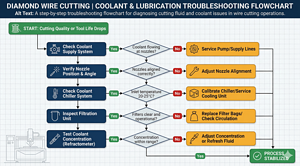
Хотя влажная резка возможна для мягких материалов (графита), мы настоятельно рекомендуем ее для твердой керамики и полупроводников. Наши системы оснащены форсунками высокого давления для подачи охлаждающей жидкости, направленными непосредственно на точку входа проволоки, что обеспечивает эффективное удаление стружки и рассеивание тепла.