Введение: “Скрытая” цена сокращения расходов
В высокоточной обработке процесс резки часто рассматривается лишь как первый этап. Однако опытные инженеры-технологи знают, что именно резка определяет стоимость всего последующего процесса.
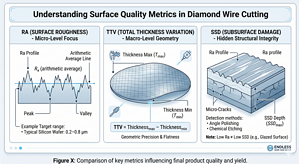
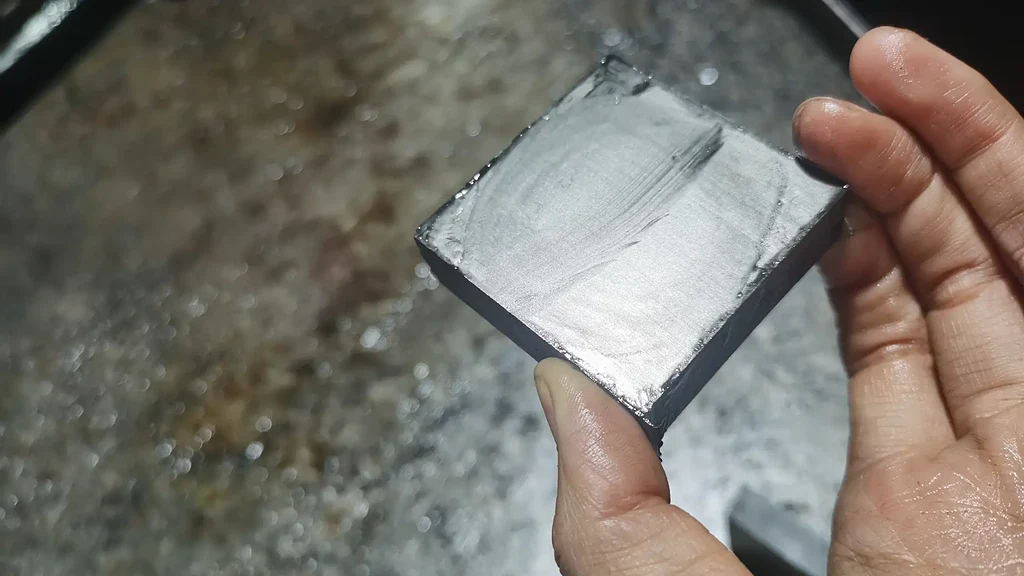
Когда алмазная проволока разрезает твердый материал, например, Карбид кремния (SiC) или Оптическое стекло, Это не просто разделяет материал; это повреждает поверхность. Это повреждение проявляется в двух формах:
- Шероховатость поверхности (Ra): Видимые пики и впадины на поверхности.
- Подповерхностные повреждения (SSD): Невидимые микротрещины и трещины напряжения, проникающие глубоко в материал. в материал.
Хотя шероховатость поверхности легко измерить, Подповерхностные повреждения (SSD) Это скрытый фактор, снижающий прибыль. Если в процессе резки образуются глубокие микротрещины (например, глубиной 20 мкм), необходимо сточить не менее 25 мкм дорогостоящего материала, чтобы удалить их, прежде чем можно будет начать полировку.
В этой статье рассматриваются физические принципы работы SSD и демонстрируется, как происходит переход от сабельных пил к Бесконечная петля, алмазная проволока для нарезки Это позволяет уменьшить глубину SSD-накопителя до 50%, что значительно снижает затраты на постобработку.
1. Что такое повреждение подповерхностного слоя (SSD)?
Для решения проблемы необходимо сначала её определить.
Когда алмазная крошка оставляет вмятину на хрупком материале, она создает “пластическую зону” непосредственно под царапиной. А ниже нее..., Срединные трещины и Боковые трещины Распространяются в основной материал. Эта сеть невидимых трещин и есть слой SSD.
Аналогия с “айсбергом”
Взаимосвязь между видимой шероховатостью и скрытыми повреждениями часто сравнивают с айсбергом.
- Шероховатость поверхности (Ra) Это кончик надводной части тела — то, что можно легко увидеть и измерить.
- SSD Это массивная ледяная структура под водой. Обычно она находится в определённом месте. В 3-5 раз глубже чем значение Ra.
Если полировать вафлю до тех пор, пока она не станет... выглядит Если не удастся полностью удалить слой SSD, пластина, скорее всего, выйдет из строя во время последующей термической обработки или, в случае оптики, из-за рассеяния лазерного света. Поэтому целью нарезки является не только “геометрия” (плоскость), но и “целостность” (низкий слой SSD).
2. Злодей: Почему сабельные пилы вызывают глубокое повреждение SSD-накопителя
Традиционные многожильные или сабельные пилы являются отраслевым стандартом для массового производства, но они имеют присущие им механические недостатки, которые увеличивают глубину повреждений.
1. Эффект обратного шока (“эффект остановки и возобновления движения”)
Сабельная пила перемещает проволоку вперед, останавливается и движется назад.
- В момент изменения направления вращения (нулевая скорость) проволока “застревает” в месте разреза.
- Вибрация машины достигает пика во время этого изменения направления.
- Результат: Это создает глубокие “Метки пребывания” или “следы от проволоки” на поверхности пластины. Эти следы представляют собой глубокие трещины, для удаления которых требуется тщательная притирка.
2. Двунаправленное царапание
Представьте, что вы шлифуете кусок дерева. Если вы будете энергично тереть его взад и вперед, вы разорвете волокна поперек волокон.
- Возвратно-поступательное движение проволоки царапает кристаллическую решетку в двух противоположных направлениях. Такое “перекрещивание” векторов напряжений способствует распространению трещин вглубь материала.
- Рыхлая абразивная суспензия (используемая в старых пилах) еще хуже, она действует скорее как град крошечных молоточков, чем как режущий инструмент.
3. Решение: Однонаправленное нарезание бесконечных циклов
Вимфун Технология бесконечного цикла Изменяет физику процесса резки с “Пилы” на “Прецизионную шлифовку”.”
Принцип однонаправленного движения подробно объяснен в нашей статье. инженерный анализ бесконечной петли резки.
1. Непрерывное движение (без реверса)
Провод движется в одном направлении с постоянной высокой скоростью (до 60 м/с).
- Отсутствуют отметки о проживании: Поскольку проволока никогда не останавливается, на поверхности нет “следов задержки”.
- Однородный рисунок царапин: Алмазные зерна воздействуют на материал в одном, равномерном направлении. Это создает параллельные, неглубокие бороздки, а не хаотичные, глубокие трещины.
- Преимущества полировки: Параллельные царапины значительно легче и быстрее отполировать, чем случайные двунаправленные царапины.
2. Низкая вибрация = низкий уровень удара
Глубина проникновения алмаза пропорциональна силе удара.
- Поскольку в замкнутом контуре отсутствует инерция мощного возвратно-поступательного барабана, он работает с микровибрация (<10 мкм).
- Проволока “скользит” по материалу, а не ударяет по нему. Этот режим “резки с малым усилием” гарантирует, что микротрещины останутся неглубокими и локализованными вблизи поверхности.

4. Сравнение данных: возвратно-поступательный цикл против бесконечного цикла
В таблице ниже показана разница в показателях качества поверхности между двумя технологиями.
| Метрика | Возвратно-поступательный Проволочная пила | Бесконечная петлевая пила Vimfun | Преимущества Vimfun |
| Тип движения | Двунаправленный (стоп-старт) | Однонаправленный (непрерывный) | — |
| Метки проволоки | Видимые (линии инверсии) | Нет (равномерная матовая поверхность) | Превосходная отделка |
| Шероховатость поверхности (Ra) | 0,8 мкм – 1,2 мкм | 0,4 мкм – 0,6 мкм | В 2 раза глаже |
| Глубина SSD (микротрещины) | 15 мкм – 20 мкм | 5 мкм – 8 мкм | Ущерб снижен на 60% |
| Требуется притирка. | Необходимо удалить примерно 30 мкм | Необходимо удалить примерно 10 мкм | Более быстрая обработка |
| Время постобработки | Исходный уровень (например, 60 минут) | Сокращено (например, до 20 минут) | В 3 раза более высокая пропускная способность |
Условия испытаний: Данные получены при нарезке стандартных блоков оптического стекла BK7 (100 мм x 100 мм) с использованием алмазной проволоки диаметром 0,25 мм. Скорость возвратно-поступательного движения: 15 м/с против скорости в режиме бесконечной петли: 50 м/с.
Вывод для инженера-технолога: Переключившись на нарезку с помощью бесконечного цикла, вы часто сможете... Пропустите этап “грубой шлифовки” (притирки). полностью перейдите к этапу “тонкой полировки” и сразу же переходите к «тонкой полировке», сократив общее время цикла более чем вдвое.
5. Ориентация на приложения: где SSD имеет наибольшее значение.
А. Оптическое стекло и кристаллы
В области оптики SSD-накопители — это просто бомба.
- Проблема: Если в линзе имеются глубокие микротрещины, она выйдет из строя во время нанесения покрытия или будет рассеивать свет в мощных лазерных установках.
- Преимущество: Бесконечная нарезка проволоки позволяет получить настолько гладкую поверхность (Ra < 0,5 мкм), что для многих инфракрасных или неизображающих оптических элементов поверхность среза имеет форму, близкую к окончательной. Это минимизирует риск сколов по краям, которые являются распространенной формой макро-SSD (стабильности твердого тела).
B. Изготовление кремниевых пластин из карбида кремния (SiC).
Карбид кремния — чрезвычайно сложный и дорогой материал.
- Проблема: Традиционные пилы оставляют “изгиб” и глубокий слой повреждений. Чтобы это исправить, производителям приходится нарезать пластину толще (например, 500 мкм), чтобы потом отшлифовать ее до 350 мкм. Это приводит к потере 150 мкм ценного кристалла.
- Преимущество: Благодаря технологии непрерывной нарезки проводов с использованием неглубоких слоев SSD, можно нарезать пластину тоньше (например, 400 мкм), поскольку для достижения конечной спецификации достаточно удалить всего 50 мкм. Это фактически означает, что увеличивает количество пластин Вы можете получить это из одного слитка.
6. Как оптимизировать систему для минимального объема SSD
Даже при использовании проволочной пилы с бесконечным диаметром параметры имеют значение. Вот как добиться “зеркального среза”:
- Высокая скорость, низкая скорость подачи: Проволоку следует подавать на максимальной скорости (50-60 м/с), но скорость подачи должна быть низкой. Это снижает “стружечную нагрузку” на каждый алмаз, делая резку более щадящей.
- Мелкозернистая проволока: Используйте проволоку с более мелкими алмазами (например, Д46 или Д35Хотя скорость резки немного ниже, создаваемые углубления менее глубокие, что напрямую уменьшает глубину SSD-накопителя.
- Точное натяжение: Убедитесь, что пневматическое натяжение стабильно. Колебания натяжения вызывают вибрацию проволоки, которая воздействует на материал ударами и углубляет трещины.
Вывод: Прекратите растрачивать свою прибыль впустую.
В мире полупроводникового и оптического производства, где ставки высоки, быстрая резка, оставляющая глубокие повреждения, — это ложная экономия. Она просто перекладывает затраты — и риск — на цех шлифовки.
Приняв Бесконечная петля, алмазная проволока для нарезки, Таким образом, вы устраняете корень проблемы. Однонаправленное резание с низкой вибрацией обеспечивает поверхность с минимальными дефектами. Подповерхностные повреждения (SSD).
Не позволяйте большим объемам SSD-накопителей снижать вашу прибыль.
🚀 Готовы убедиться в разнице?
Пришлите нам образец материала. Мы проведем бесплатную тестовую резку и предоставим вам подробный отчет об анализе SSD, сравнивающий качество нашей резки с вашим текущим процессом.
👉 [Запросите бесплатный отчет о тестовой резке и SSD здесь.]
3. Раздел часто задаваемых вопросов (схема FAQ)
В1: В чем разница между шероховатостью поверхности (Ra) и повреждением подповерхностного слоя (SSD)? Ra измеряет видимую текстуру (вершины и впадины) поверхности. SSD измеряет невидимые микротрещины под поверхностью. SSD обычно намного глубже, чем Ra, и определяет, сколько материала необходимо отшлифовать, чтобы обеспечить целостность детали.
В2: Можно ли обойтись без полировки при непрерывной нарезке проволоки? Для некоторых применений (например, солнечных батарей или конструкционной керамики) — да. Для прецизионной оптики или полупроводников полировка по-прежнему необходима, но бесконечная нарезка проволоки позволяет избежать трудоемкого этапа “грубой притирки”, значительно сокращая цикл полировки.
В3: Почему однонаправленная резка обеспечивает лучшее качество поверхности, чем возвратно-поступательная? Возвратно-поступательное движение создает резкий, прерывистый удар, который приводит к образованию глубоких трещин и двунаправленных царапин в виде “перекрестной штриховки”, которые трудно удалить. Однонаправленная резка является непрерывной и создает равномерные, неглубокие, параллельные царапины, которые легко отполировать.