Введение
При резке микроабразивной проволокой характеристики абразивного слоя существенно влияют на точность резки, стабильность ширины реза, целостность поверхности и степень повреждения под поверхностью. Среди всех параметров, влияющих на производительность абразивной проволоки, размер алмазного зерна является одним из самых важных.
При обработке хрупких и дорогостоящих материалов, таких как сапфир, карбид кремния (SiC), кварц, высококачественная керамика и графит, размер абразивных частиц определяет механику хрупкого разрушения и микрорезки. В данной статье представлено инженерное объяснение того, как размер алмазного зерна влияет на точность резки, на ее взаимодействие с параметрами процесса и на то, как инженеры могут выбирать соответствующие размеры зерна для прецизионной резки.
Как размер абразивных частиц влияет на точность резки
Снятие материала при резке абразивной проволокой осуществляется преимущественно за счёт микрорезания и контролируемого хрупкого разрушения. Размеры каждой алмазной абразивной частицы определяют её глубину проникновения, распределение напряжений и локальное взаимодействие с поверхностью материала.
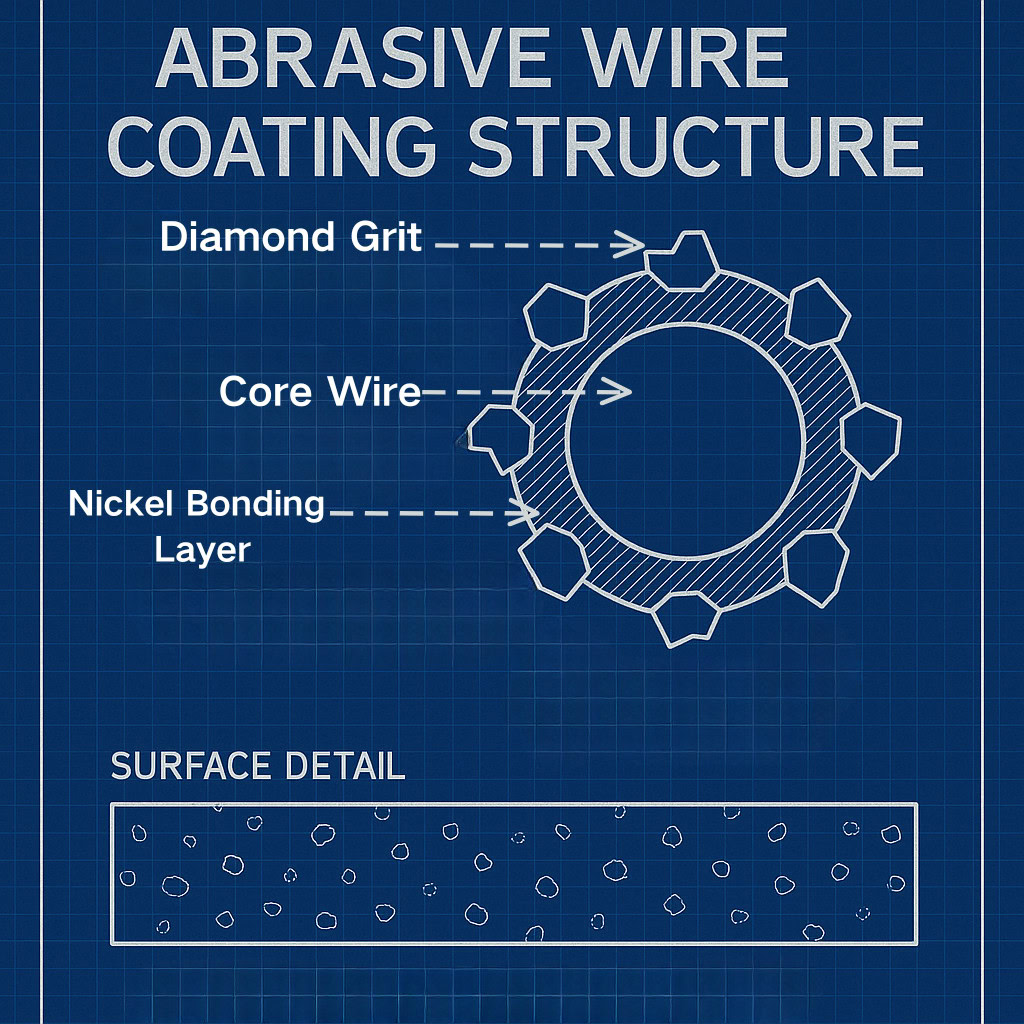
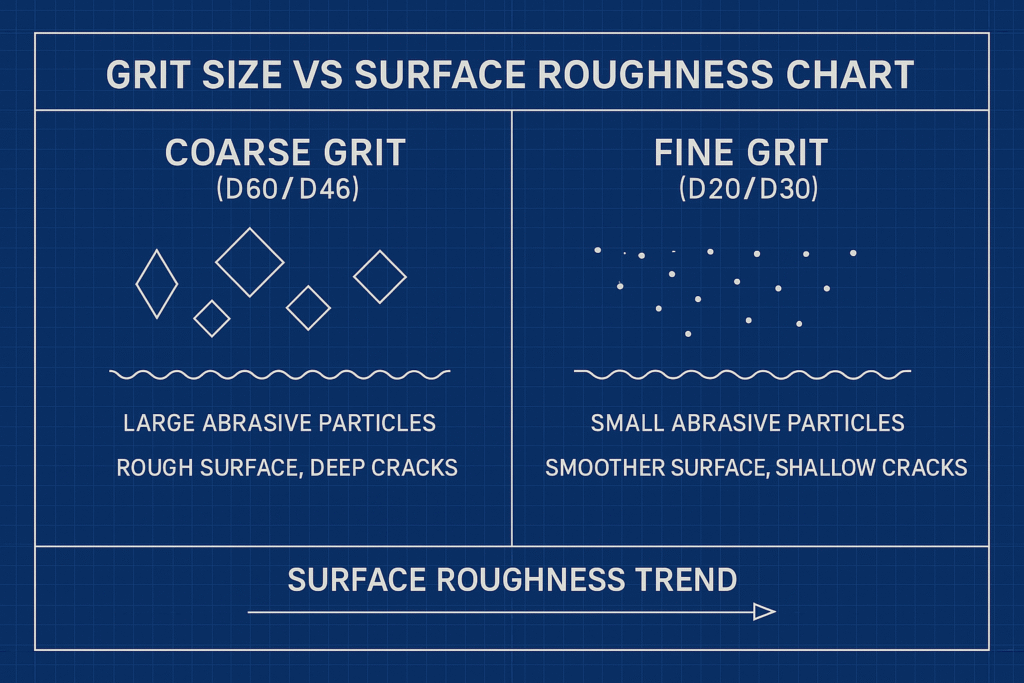
1. Крупнозернистость алмазного абразива
Крупнозернистое зерно обеспечивает большую высоту выступа и более агрессивное снятие материала.
Характеристики:
- Высокая скорость удаления
- Большее изменение ширины пропила
- Повышенный риск образования хрупких сколов
- Более глубокие подповерхностные повреждения
- Более грубая текстура поверхности
- Требуется более сильное натяжение проволоки
- Подходит для графита, плотной керамики и толстых пластин SiC
Крупнозернистый абразив подходит в тех случаях, когда производительность важнее чистоты поверхности.
2. Мелкая зернистость алмаза
Мелкие абразивные зерна распределяют режущие усилия по многим точкам контакта.
Преимущества:
- Меньшая глубина проникновения
- Уменьшение микровибраций
- Более узкий и стабильный пропил
- Превосходная отделка поверхности
- Минимальное повреждение подповерхностного слоя
- Идеально подходит для микроабразивных проволочных систем, используемых на хрупких основаниях
Мелкая зернистость необходима для сапфировой оптики, тонких фильтров, полупроводниковых пластин и прецизионных стеклянных компонентов.
Выбор размера зерна для различных материалов
| Материал | Рекомендуемый размер зерна | Техническая причина |
|---|---|---|
| Сапфир | Fine–Medium | Минимизирует анизотропное сколы на кристаллографических плоскостях |
| Пластины SiC | Средний–Крупный | Высокая твердость требует более сильного абразивного проникновения. |
| Оптическое стекло/кварц | Отлично | Уменьшает возникновение трещин и боковых разрушений |
| Усовершенствованная керамика | Средний | Баланс эффективности и качества поверхности |
| Графит | Грубый | Пористая структура выдерживает агрессивное удаление |
Более подробную информацию о структуре абразивных покрытий и их свойствах сцепления см. на нашей технической странице, посвященной абразивным материалам для покрытий. В практических применениях выбор размера зерна обычно рассматривается наряду с учетом характеристик материала. критерии выбора проволоки в процессе планирования.
Как размер алмазного зерна влияет на точность резки
На три основных инженерных параметра напрямую влияют: размер алмазного зерна:
1. Стабильность ширины пропила
- Крупное зерно → более широкий пропил, больше вариаций
- Мелкое зерно → узкая, повторяемая геометрия пропила
Стабильная ширина реза имеет решающее значение для получения равномерной толщины пластины при резке полупроводников.
2. Шероховатость поверхности
Профиль поверхности коррелирует с высотой абразивного выступа:
- Крупная зернистость → более глубокие царапины
- Мелкое зерно → более гладкая текстура и уменьшенная нагрузка на полировку
Оптические и электронные компоненты во многом зависят от мелкозернистых конфигураций.
3. Глубина подземного повреждения
Интенсивность поля напряжений увеличивается с увеличением размера абразива:
- Крупная зернистость → более глубокое распространение микротрещин
- Мелкая зернистость → минимальные внутренние повреждения
Это особенно важно для SiC, сапфира, оптических подложек и керамики.
Взаимодействие между размером зернистости и параметрами резания
Размер алмазного зерна тесно связан со скоростью, натяжением и скоростью подачи проволоки.
Скорость провода
- Крупнозернистый абразив лучше всего работает на высоких скоростях.
- Мелкозернистая шлифовка выигрывает при умеренной скорости, поскольку снижает нагрев и вибрацию.
Натяжение проволоки
- Высокое натяжение стабилизирует резку крупнозернистым абразивом
- Мелкая зернистость требует контролируемого натяжения, чтобы избежать концентрации напряжения.
Скорость подачи
- Крупный зернистый материал → допускается более быстрая подача
- Мелкая зернистость → для чистой нарезки требуется более медленная и стабильная подача
Для достижения высокой точности при работе с абразивами любого размера необходима сбалансированная настройка параметров. В промышленных условиях выбор размера зерна всегда проверяется систематическим методом. контроль качества проволоки и управление технологическими процессами.
Сравнение: резка алмазным канатом и традиционные методы резки
Чтобы понять преимущества контроля размера алмазного зерна, полезно сравнить резку алмазной проволокой с традиционными механическими и термическими процессами. Эти традиционные процессы не... нет использовать размер абразивного зерна в качестве контрольного параметра.
| Характеристика | Резка алмазной проволокой (абразивная микрорезка) | Лазерная резка (термическая) / Резка лезвием (механическая) |
|---|---|---|
| Механизм удаления материала | Микрорезка + контролируемое хрупкое разрушение | Лазер: плавление/испарение; Лезвие: трение + сдвиг |
| Термическое воздействие | Минимум | Значительный (лазер) |
| Риск микротрещин | Низкий с мелкой алмазной крошкой | Высокая из-за теплового удара или вибрации инструмента |
| Ширина пропила | Узкий, равномерный | Лазер расширяет пропил; лезвия имеют собственную толщину пропила |
| Качество поверхности | Регулируется по размеру зерна; превосходная отделка | Лазер: перелитый слой; лезвия: более шероховатая поверхность |
| Пригодность для хрупких материалов | Отличный | Лазер не подходит для прозрачных материалов; лезвия не подходят для сверхтвердой керамики. |
Резка алмазной проволокой обеспечивает контролируемую абразивную механику, позволяя достичь уровней точности, недостижимых при термической или механической резке.
Примеры применения выбора размера зернистости
Резка сапфировых пластин
Мелкое зерно значительно уменьшает сколы на поверхностях r- и c-плоскостей, улучшая шероховатость до 40%.
Кварцевая оптика
Мелкая зернистость ограничивает распространение боковых трещин и улучшает равномерность передачи.
Графитовые блоки
Крупнозернистое зерно повышает эффективность, не оказывая существенного влияния на точность размеров.
Полупроводниковые пластины SiC
Средне-крупное зерно обеспечивает баланс между скоростью съема и целостностью поверхности.
Заключение
Размер алмазной крошки — один из наиболее важных параметров при микроабразивной проволочной резке. Правильный выбор зернистости в сочетании с соответствующими скоростью, натяжением и подачей проволоки обеспечивает:
- Высокая точность размеров
- Стабильная геометрия пропила
- Уменьшение подповерхностного повреждения
- Превосходная отделка поверхности
- Снижение микровибраций и улучшенный контроль процесса
Эти преимущества делают оптимизацию размера зерна важной для сапфировой оптики, силовых устройств на основе карбида кремния, керамики, кварцевых компонентов и прецизионной обработки графита.
👉 Читайте о наших технология абразивной проволоки в задачах точной резки.
Часто задаваемые вопросы — Размер алмазного зерна и точность резки
1. Почему размер алмазного зерна влияет на точность резки?
Потому что размер абразивного зерна определяет глубину проникновения, распределение напряжений и поведение микроразрушений.
2. Всегда ли мелкий зернистый абразив лучше?
Мелкое зерно улучшает качество поверхности, но снижает скорость съёма материала. Оптимальная зернистость зависит от твёрдости материала и требуемой точности.
3. Как размер зерен влияет на ширину пропила?
Крупное зерно → более широкий пропил.
Мелкое зерно → узкая, стабильная геометрия пропила.
4. Какая зернистость подходит для керамики?
Средняя зернистость обеспечивает баланс между скоростью удаления материала и целостностью поверхности.
5. Могут ли параметры процесса компенсировать неправильный размер зерен?
Параметры могут оптимизировать производительность, но размер зерна остается основным фактором, определяющим точность резки.