Введение
Материалы абразивного покрытия играют решающую роль в определении эффективности резки, целостности поверхности и долговечности прецизионной проволоки, используемой в современных производственных процессах.
Контролируя, как алмазная крошка связывается, распределяется и выводится на поверхность проволоки, эти покрытия напрямую влияют на стабильность резки, тепловыделение и характеристики удаления материала в таких областях применения, как резка сапфира, изготовление пластин из карбида кремния, обработка оптического стекла и керамики.
В данной статье рассматриваются материалы, используемые в покрытиях промышленной режущей проволоки, с особым вниманием к механизмам связывания никеля и взаимосвязи между размером зерна и текстурой поверхности.
Материалы, используемые в Покрытие абразивной проволоки
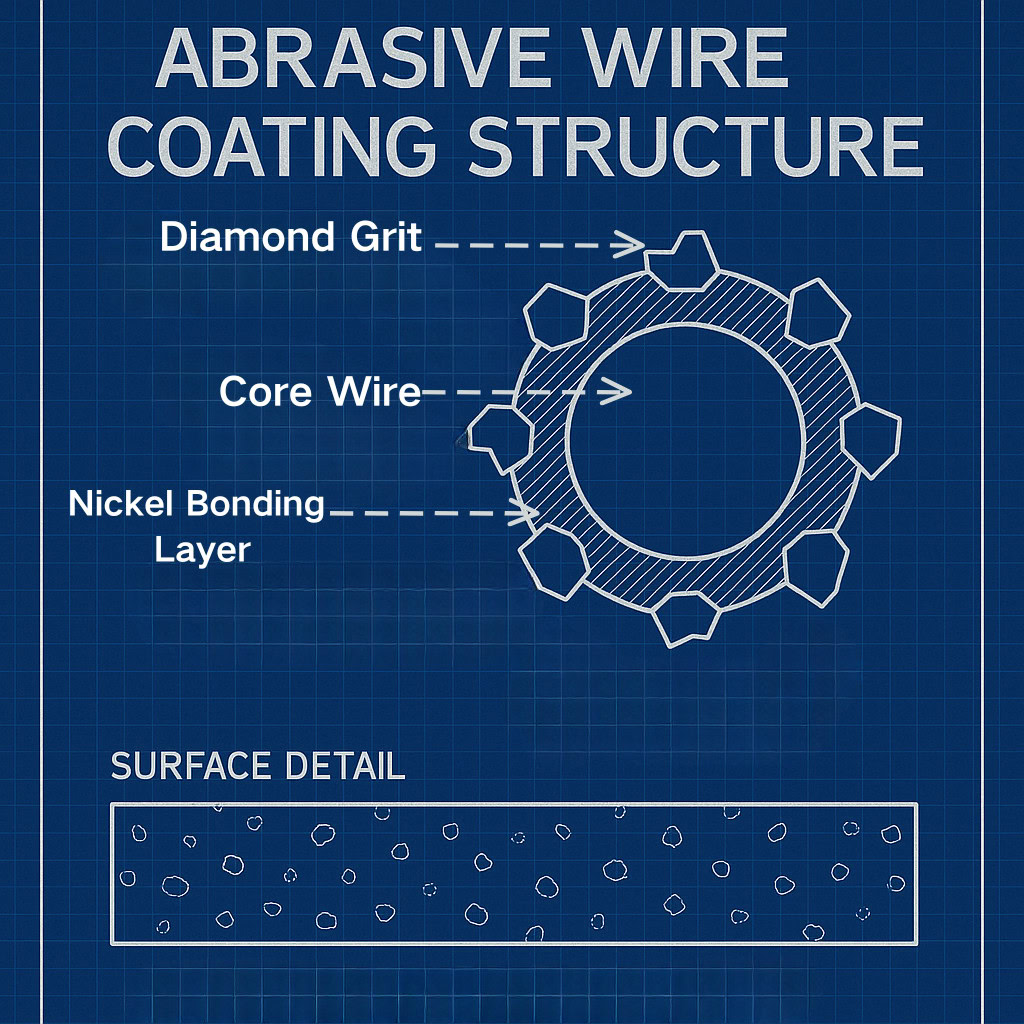
Абразивная проволока для прецизионной резки обычно состоит из трех специально разработанных компонентов:
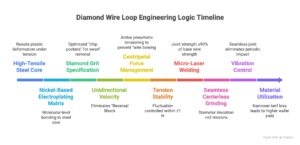
1. Сердечник из высокопрочной стальной проволоки
Обеспечивает прочность на разрыв, сопротивление усталости и стабильные динамические характеристики в условиях высокоскоростной резки.
2. Гальванический никелевый связующий слой
Никелевая матрица закрепляет частицы алмазного зерна и равномерно распределяет режущие усилия по окружности проволоки.
3. Алмазный абразивный слой
Промышленные алмазные частицы формируют микрорежущий интерфейс, отвечающий за удаление хрупких разрушений.
С точки зрения материаловедения, правильно спроектированное покрытие должно обеспечивать:
- постоянная высота выступания зернистости
- высокая способность удерживать абразив при циклических нагрузках
- равномерная плотность склеивания
- хорошая стойкость к локальной полировке и усталости поверхности
Эти характеристики обеспечивают предсказуемые силы резания, стабильное формирование пропила и уменьшение распространения микротрещин.
Методы связывания никеля
Гальваническое покрытие никелем остается основным методом соединения прецизионной абразивной проволоки благодаря его твердости, прочности сцепления и способности образовывать равномерные слои вокруг сердечника проволоки.
1. Однослойные гальванические структуры
Большинство промышленных абразивных проволок имеют однослойное никелевое покрытие. Основные технические характеристики включают:
- механическая адгезия между никелем и стальным сердечником
- сбалансированная эффективность удержания песка
- контролируемое распределение никеля для равномерного абразивного воздействия
- стабильное режущее взаимодействие с минимальной вибрацией
Однослойные покрытия широко используются для оптической резки, где решающее значение имеют плавность резки и минимальное повреждение подповерхности.
2. Утолщенное никелевое соединение для более высоких нагрузок
Для применений, требующих более глубокого проникновения, например, для графитовых блоков или толстых керамических подложек, можно использовать немного более толстые слои никеля для улучшения закрепления абразива.
Однако чрезмерное накопление никеля может снизить эластичность покрытия и ускорить усталостный износ. Оптимальная толщина покрытия обычно определяется в ходе технологических испытаний, а не на основе фиксированных числовых стандартов.
Эти параметры покрытия тесно связаны с общими характеристиками. Производство и гальваническое покрытие тонких режущих проводов..
3. Целостность соединения и усталостные характеристики
Качество никелевого соединения влияет на:
- сопротивление усталости проволоки
- удерживание абразива при динамической нагрузке
- поведение при эвакуации стружки
- общая однородность поверхности
Нарушения сцепления обычно проявляются в виде локального стирания, преждевременного осыпания абразива или асимметричного износа покрытия.
Поддержание постоянной морфологии покрытия обеспечивает стабильное распределение усилия при высокоскоростной прецизионной резке.
Размер зерна и шероховатость поверхности
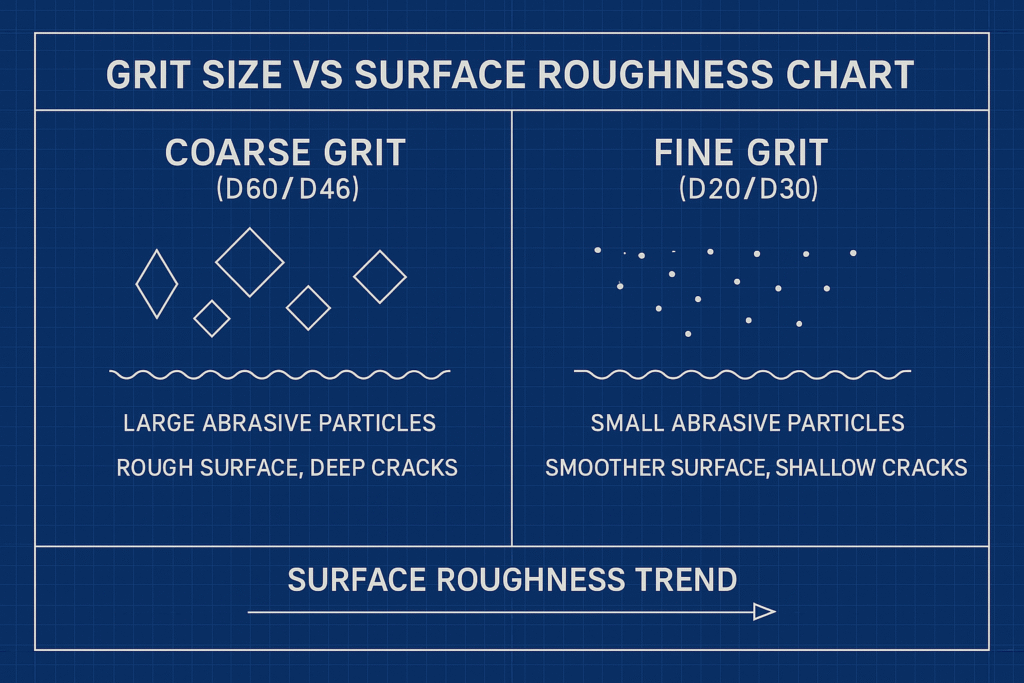
Размер алмазного зерна определяет, как абразивная проволока взаимодействует с хрупкими материалами во время резки.
1. Более крупные размеры зерна (более крупный абразив)
Общие инженерные характеристики:
- более высокая сила проникновения
- более быстрое удаление материала
- более шероховатые поверхности
- более агрессивное поведение при хрупком разрушении
Лучше всего подходит для:
- графит
- толстые керамические изделия
- высокопроизводительные приложения для нарезки
2. Меньший размер зерна (более мелкий абразив)
Технические характеристики:
- более гладкая текстура поверхности
- уменьшенная глубина микротрещин
- меньшее изменение ширины пропила
- улучшенная размерная однородность
Идеально подходит для:
- сапфир
- оптическое стекло
- тонкие пластины карбида кремния
3. Инженерные компромиссы
Выбор размера зернистости требует балансировки:
- желаемая шероховатость поверхности
- требования к пропускной способности
- рабочая нагрузка по полировке
- хрупкость и разрушение заготовки
- Подробно рассматриваются вопросы выбора размера зерна абразива и его влияние на точность резки в нашей статье. анализ размера зерен.
- Для выбора наиболее подходящей конфигурации абразивной проволоки для различных материалов инженеры обычно полагаются на структурированные рекомендации по выбору проводов.
Заключение
Материалы абразивного покрытия напрямую влияют на режущую способность прецизионной проволоки.
Гальванические слои на основе никеля обеспечивают необходимую прочность удержания зерна, а правильный выбор размера зерна гарантирует контролируемое хрупкое разрушение, стабильное формирование пропила и высококачественную отделку поверхности.
Чтобы понять, как эти материалы покрытия вписываются в общую структуру промышленной режущей проволоки:
👉 Узнайте больше о том, как алмазная проволока имеет структурированную форму и покрытие, применяемые в процессах точной резки.
→ https://www.endlesswiresaw.com/diamond-wire/
Часто задаваемые вопросы — Абразивные материалы
1. Почему никель обычно используется в качестве связующего материала?
Никель обеспечивает прочную адгезию, необходимую твёрдость и стабильные гальванические свойства. Эти свойства гарантируют надёжное закрепление абразива при высокоскоростных циклических нагрузках.
2. Как толщина покрытия влияет на эксплуатационные характеристики?
Слишком тонкие покрытия не могут эффективно удерживать абразивы, а слишком толстые снижают гибкость и могут ускорить усталость. Оптимальная толщина определяется испытаниями, проводимыми в рамках конкретного процесса, а не фиксированными числовыми значениями.
3. Почему размер зерен влияет на шероховатость поверхности?
Более крупное зерно создаёт более высокие локальные напряжения и более глубокие хрупкие трещины, что приводит к образованию более шероховатых поверхностей. Мелкое зерно обеспечивает более гладкую текстуру и меньшую глубину трещин.
4. Можно ли оптимизировать абразивную проволоку для различных материалов?
Да. Мелкая зернистость предпочтительна для сапфира и оптики, тогда как более крупная зернистость эффективна для графита и керамики. Инженеры обычно подбирают размер зернистости в зависимости от твёрдости материала и характера разрушения.
5. Каковы общие признаки разрушения покрытия?
К типичным признакам относятся локальное истирание, асимметричный износ, повышенная вибрация или преждевременное осыпание абразива во время резки.